Reclaiming the Future: The LANDBACK Action Network’s Vision for Collective Liberation
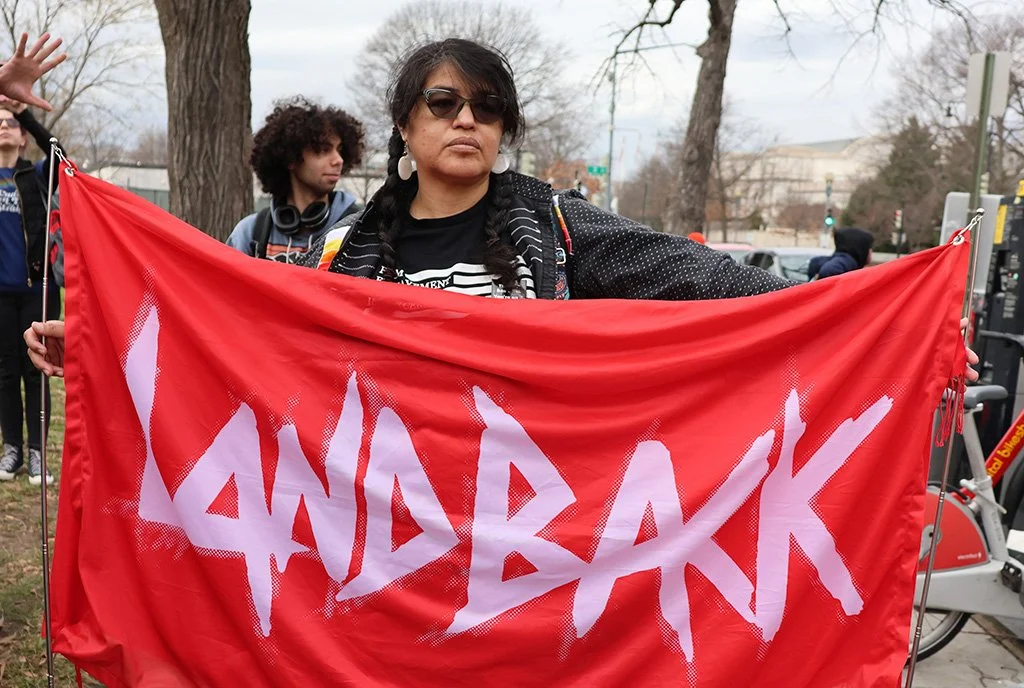
In an era defined by rapid industrial extraction, aggressive corporate expansion, and the systematic exploitation of marginalized communities, a profound counter-movement is gaining momentum across Turtle Island. While political administrations and billionaire interests seek new avenues for profit at the expense of ecological stability, Indigenous peoples are actively dismantling the remnants of colonial structures. At the forefront of this shift is the LANDBACK Action Network (LAN), a burgeoning coalition dedicated to restoring Indigenous land stewardship as a fundamental pillar of social and environmental justice.
The Genesis of a Movement: Defining LANDBACK
The LANDBACK movement is often misunderstood as a simple transfer of title deeds. In reality, it is a comprehensive framework for decolonization, restorative justice, and systemic change. It posits that the environmental and social crises facing the planet today—from the climate emergency to the dehumanization of migrants—are direct outcomes of colonial land-management practices.
The LANDBACK Action Network (LAN) serves as the organized, political manifestation of this philosophy. It is not a singular nonprofit organization in the traditional sense, but a strategic political formation. It unites Tribal Nations, grassroots organizers, multiracial movement partners, and individual allies under a shared goal: the return of Indigenous lands to Indigenous hands. By centralizing Indigenous jurisdiction, the network argues, we can protect the Earth’s resources, ensure sustainable development, and foster a world where human rights are not secondary to capital gain.
Chronology of the Struggle: From Necessity to Networked Power
The history of Indigenous organizing is as old as the history of colonization, but the formalization of the LANDBACK Action Network represents a shift toward modern, cross-sectoral solidarity.
- The Foundational Years: For decades, individual Indigenous communities—from the Navajo Nation to borderland territories—have organized out of necessity. Whether fighting for basic infrastructure like water access or protesting the establishment of federal agencies like ICE, these grassroots battles formed the backbone of current resistance movements.
- The Rise of NDN Collective: NDN Collective emerged as a powerhouse, providing the resources and platform necessary to scale these localized struggles. Their podcast, LANDBACK for the People, became a vital medium for disseminating strategy and story-sharing.
- April 20, 2024: The official launch of the LANDBACK Action Network was marked by a seminal episode of the LANDBACK for the People podcast. This moment signaled the transition from decentralized activism to a unified, interconnected network designed to break down the silos that have historically weakened social justice movements.
- The Present Day: Today, LAN is actively expanding its membership across the United States, Canada, and Mexico, seeking to create a unified front that transcends colonial borders.
Supporting Data and the Philosophy of Stewardship
The urgency behind the LANDBACK movement is supported by overwhelming evidence regarding the effectiveness of Indigenous land management.
The Ecological Argument
Studies from the United Nations and various environmental research bodies consistently show that Indigenous-managed lands harbor significantly higher levels of biodiversity than state-run parks or privately owned industrial zones. The LAN framework argues that national parks and public lands—which are currently treated as sites of extraction or tourism—would be far better managed under Indigenous jurisdiction. This is not merely an ideological preference; it is a practical solution to the climate crisis. When lands are returned to their original stewards, the focus shifts from "resource extraction" to "resource regeneration."
The Socio-Political Framework
The network operates on the premise that the liberation of Indigenous peoples is intrinsically linked to the liberation of all marginalized groups. As noted by organizers within the movement, LANDBACK is not an exclusive agenda; it is a call for:
- Black Reparations: Recognizing that land theft and chattel slavery were the twin engines of the American economy.
- The End of Colonial Borders: Dismantling the artificial boundaries that facilitate the death and exploitation of migrant communities.
- Protection of Human Rights: Ensuring that fundamental needs—such as water access and housing—are treated as rights rather than market commodities.
Official Voices: Humility and the "Two-Legged" Perspective
The movement’s strength lies in its deep commitment to humility and the rejection of the ego-driven leadership common in Western political circles. In a recent dialogue on the LANDBACK for the People podcast, guest Eva Cardenas emphasized the importance of perspective:
"Sometimes with that disconnection that’s driven by ego, we tend to think that somehow we, as ‘two-leggeds,’ know everything and have the answers for everything—when in reality we are part of something larger that must be respected and must be defended."
This sentiment is echoed by the network’s director of membership, who noted that the most effective organizers are those who learned the value of community through necessity. Whether it was growing up without running water on the Navajo Nation or navigating the early years of the Department of Homeland Security as the child of immigrants, these organizers bring a lived expertise that far outweighs theoretical policy-making.
Implications for the Future of Social Justice
The emergence of LAN poses a significant challenge to the status quo, particularly the digital platforms that have historically facilitated social discourse. The movement has been critical of platforms like Instagram and Facebook, noting that these digital spaces are designed for consumption rather than community power-building. By creating a physical and political network, LAN is opting out of the "engagement-based" economy in favor of an "action-based" movement.
Breaking the Silos
One of the most significant implications of the LAN model is its refusal to allow movements to operate in isolation. By integrating climate justice, racial justice, and Indigenous sovereignty, the network ensures that victories in one area are felt across all sectors. This cross-pollination of strategies is intended to build a sustainable, resilient force that cannot be easily dismantled by changing political administrations or corporate lobbying efforts.
Challenging the Status Quo
As corporations like Tesla, ExxonMobil, and others seek to solidify their control over the Earth’s future, the LANDBACK Action Network provides a necessary check on their power. The implication is clear: the current trajectory of exploitation is unsustainable. The future, according to the network, lies in the restoration of traditional knowledge systems, the protection of the "two-legged" and the "four-legged," and the absolute insistence that the land belongs to those who have historically cared for it.
A Call to Action
The LANDBACK Action Network is not just a political organization; it is a vision for a different kind of world. It invites not only Indigenous peoples but also accomplices from all backgrounds to rethink their relationship with the earth and their role in the systems that govern it.
As the network continues to grow, it serves as a beacon of hope for those disillusioned by the rapid pace of corporate-led globalization. It suggests that while the history of the last few centuries has been defined by the pursuit of possession, the future can be defined by the pursuit of belonging.
For those looking to participate, the process is rooted in community-building. By visiting landback.org, potential members can access the framework, learn about the strategies being deployed across North America, and join a movement that is actively rewriting the future. In the words of those leading the movement, LANDBACK is the "larger call"—a framework that shifts how people position themselves in the struggle for a more just, equitable, and sustainable planet.
The path forward is long, but the foundation is firm. As Indigenous leaders continue to hold the keys to a more balanced future, the rest of the world is invited to listen, learn, and stand in solidarity with the movement to bring the land back.