OpenAI’s ChatGPT Images 2.5 vs. Google’s Nano Banana 2: A Head-to-Head Showdown in AI Image Generation
The artificial intelligence image generation landscape underwent another major evolution on September 8, when OpenAI officially rolled out ChatGPT Images 2.5. Billed as a massive leap forward, the new model promised sharper details, richer textures, more natural lighting, and—crucially—an editing framework that respects the parts of an image the user didn’t ask it to modify.
Alongside the user-facing updates, OpenAI slashed generation latency by up to 50% compared to its predecessor, Images 2.0. The company also introduced two new core API models: GPT-Image-2.5 Flare, optimized as a fast default for high-throughput workflows, and GPT-Image-2.5 Sunburst, engineered specifically for premium, high-precision editing.
To see how these architectural improvements hold up in practice, we ran a rigorous, side-by-side evaluation matching OpenAI’s latest release against its fiercest competitor: Google’s Nano Banana 2 (commercially known as Gemini 3.1 Flash Image). This exact-tier matchup tests how OpenAI’s fast-and-precise model stacks up against Google’s equivalent across six demanding visual categories.
Main Facts
- Release Date: OpenAI officially shipped ChatGPT Images 2.5 on September 8, boasting a 50% reduction in image generation latency.
- New Model Architecture: Two distinct models—GPT-Image-2.5 Flare (fast default) and GPT-Image-2.5 Sunburst (precision editing)—have been integrated into OpenAI’s developer API.
- Core Improvements: Elimination of historical artifacts, including the infamous "yellow cast" of Images 1 and the "crunchy oversharpening" of Images 2.0.
- Workflow Enhancements: New features include a sketch-to-image reference tool, prompt sharing, region-specific inline comments, and merchandising templates.
- The Competition: Evaluated against Google’s Nano Banana 2 (Gemini 3.1 Flash Image) across six rigorous test categories, resulting in a dead heat (3 wins each).
Chronology of AI Image Iterations
To understand the significance of the Images 2.5 release, it is necessary to examine the evolutionary stumbling blocks that brought OpenAI to this point.
Back in May, a previous comparative review pitted GPT Image 2 against Google’s Nano Banana 2. While OpenAI’s model secured victories across several categories, it suffered from a persistent architectural flaw: whenever prompts were overloaded with complex, stacked constraints, the model oversharpened the output into a noisy, pixelated mess laden with artifacts.
This issue followed a lineage of signature flaws. The original GPT Image 1 model was plagued by a persistent warm, yellow color cast that the online community swiftly dubbed the "piss filter"—an anomaly OpenAI never formally explained or fully eradicated.
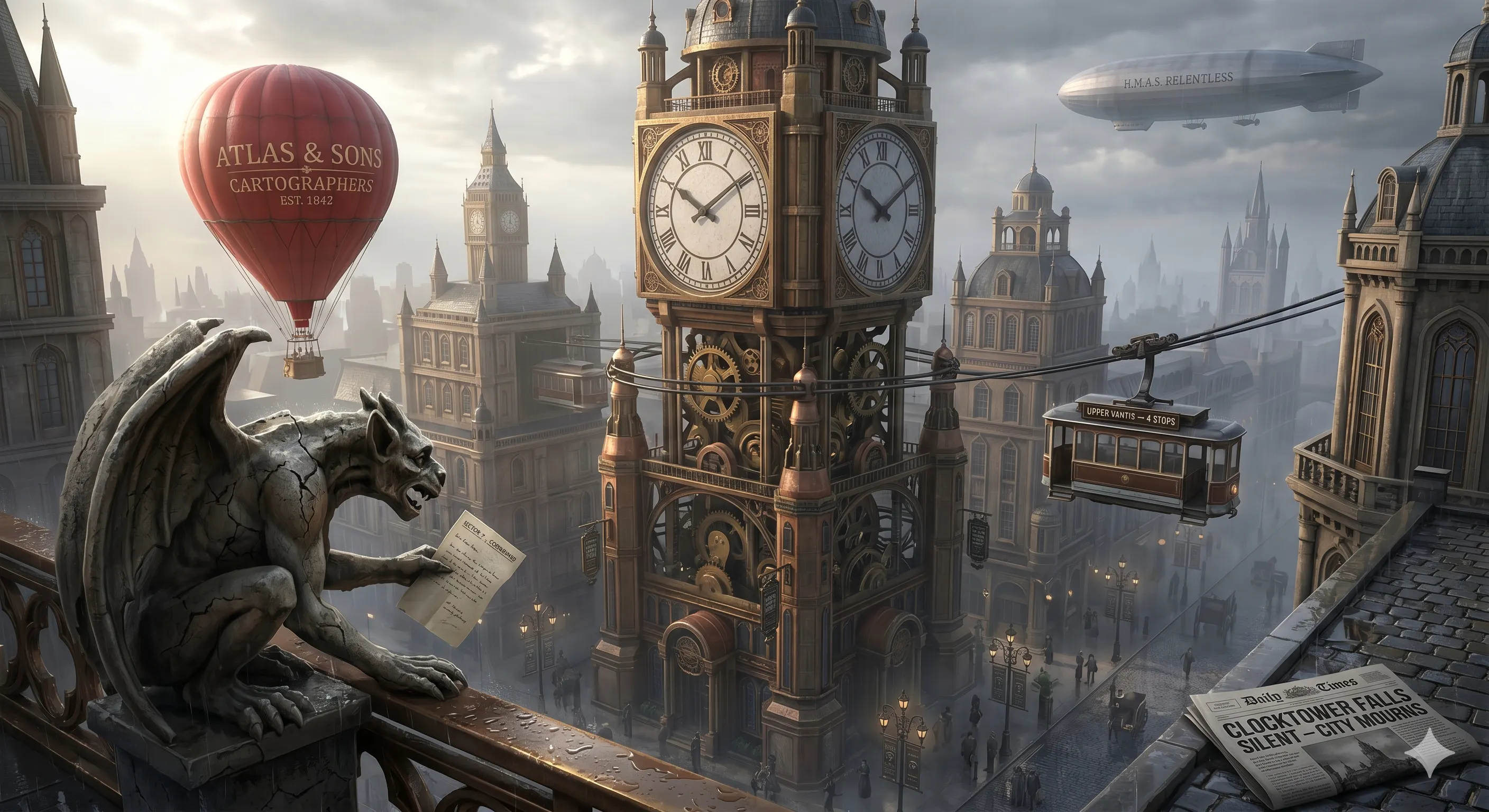
With the deployment of Images 2.5, OpenAI appears to have systematically cleared these hurdles. Across our battery of complex tests, color balance remained pristine, and fine details scaled naturally without the dreaded crunchiness of past generations. The improvements are most strikingly visible in high-complexity photographic simulations, such as steampunk landscapes and moody portraits.
Supporting Data and Comparative Test Breakdown
To evaluate the two models objectively, we subjected them to six diverse, high-stress prompts testing lettering density, spatial awareness, illustration style, photographic realism, agentic research, and abstract concept handling.
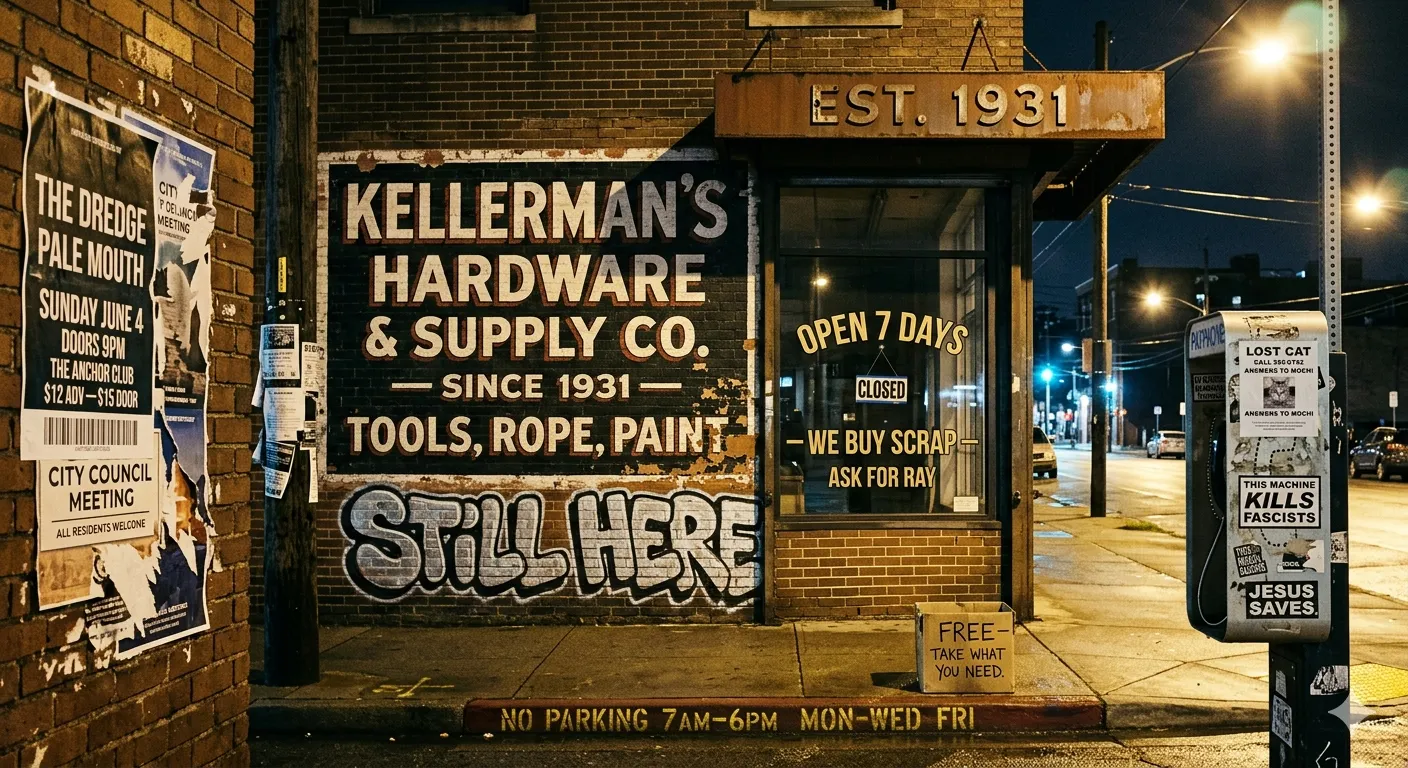
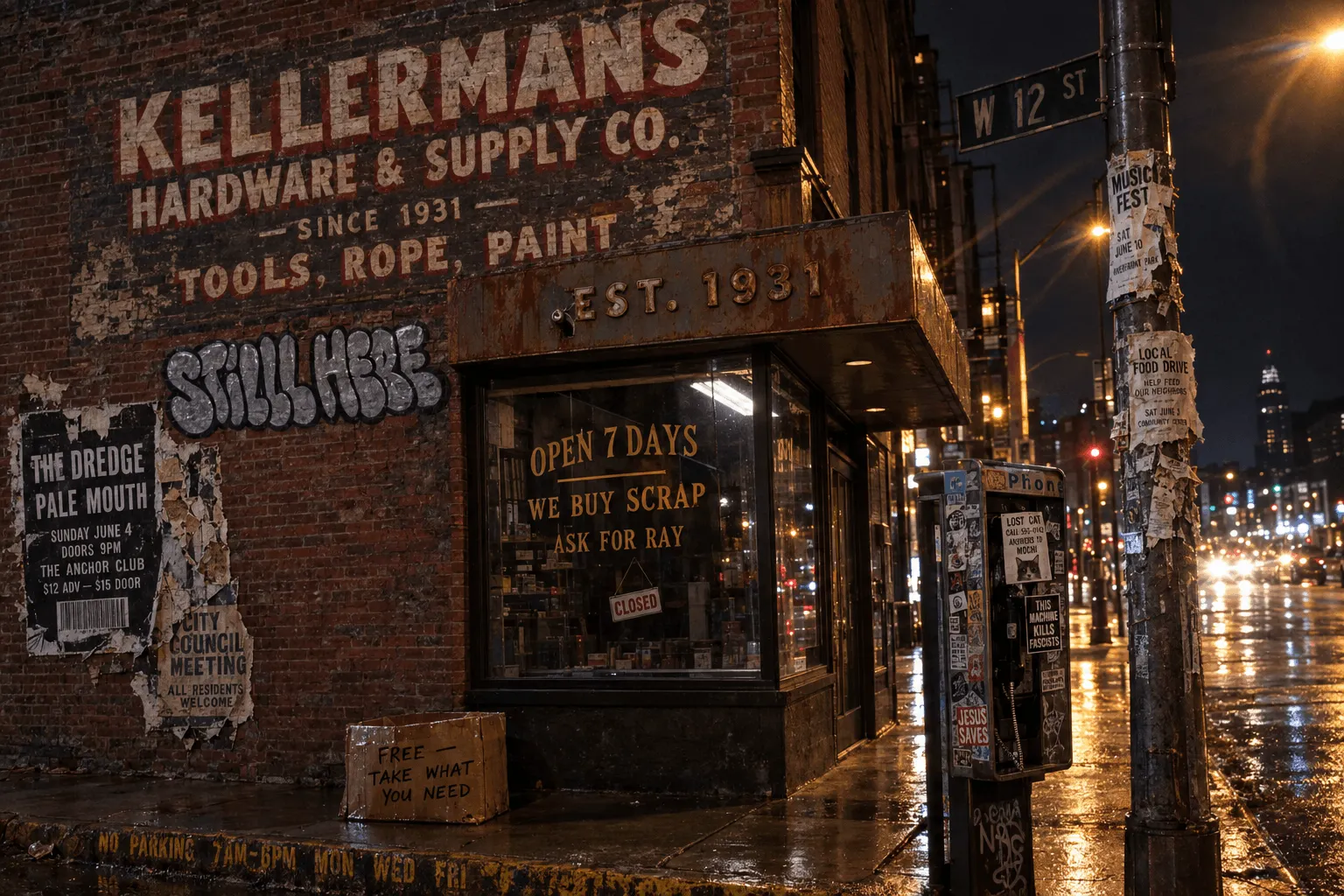
1. Lettering Density: The Kellerman’s Hardware Scene
- The Prompt: A gritty 2 a.m. city intersection where nearly every surface features text—ghost signs, graffiti, vinyl storefront lettering, torn concert posters, stenciled curbs, and a sticker-covered payphone.
- Google Nano Banana 2: Rendered almost all text cleanly, with only a minor duplication glitch on a payphone sticker.
- ChatGPT Images 2.5: Successfully generated atmospheric details omitted by Google, such as a lamppost covered in weathered, stapled flyers. However, it stumbled on text legibility, misspelling a street-art tag as "STILLL HERE" and rendering the apostrophe in "KELLERMAN’S" unreadable.
- Winner: Nano Banana 2 (due to superior text precision).
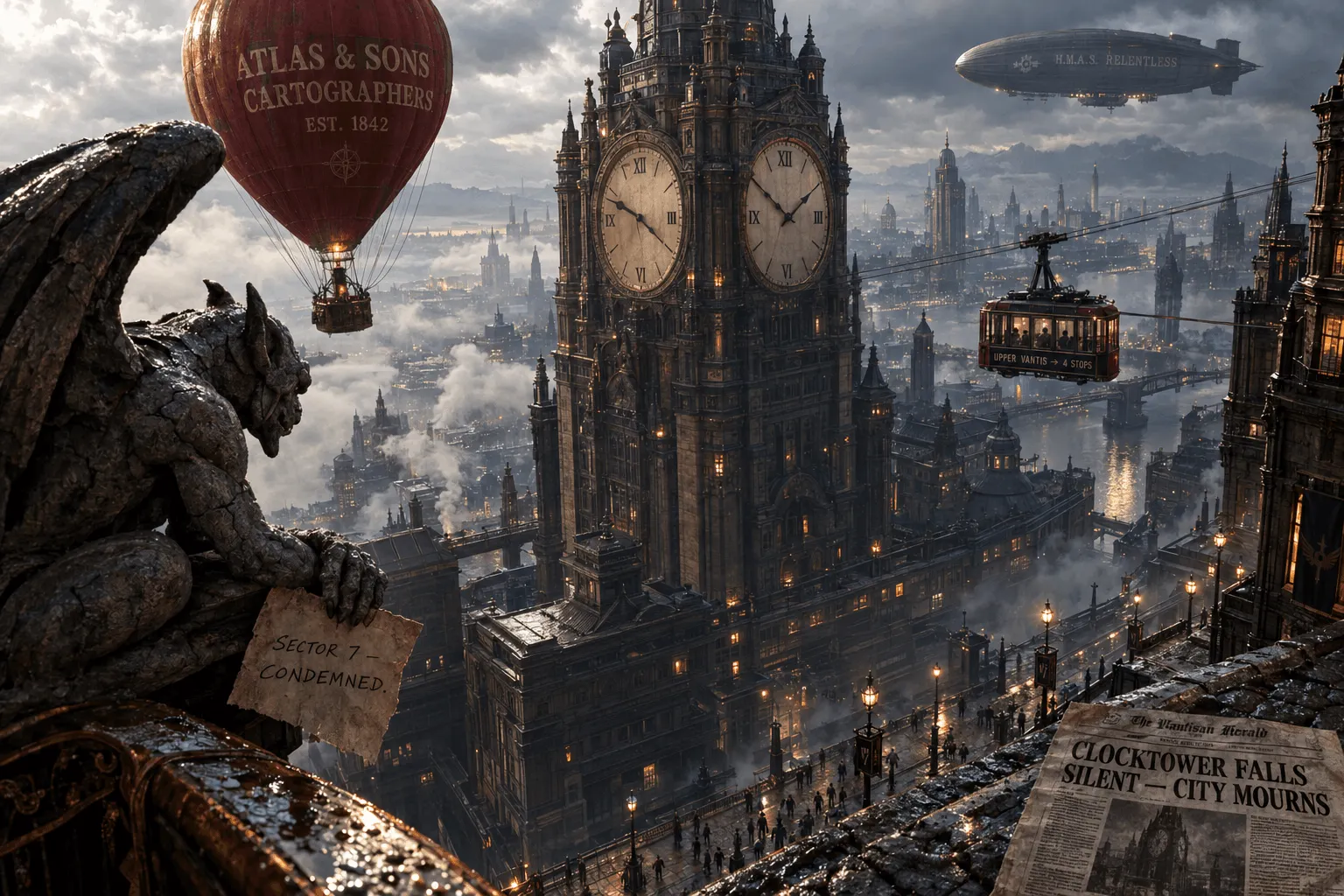
2. Spatial Awareness: The Steampunk Clock Tower
- The Prompt: An aerial composition featuring a five-plane depth scene, a massive clock tower with distinct Roman numerals showing specific hand positions, and six background text elements.
- ChatGPT Images 2.5: Delivered a stunningly atmospheric scene with realistic steam rising from rooftops, a winding mid-ground river, and exceptional depth separation.
- Nano Banana 2: Maintained a flatter aesthetic, defaulting to generic Roman numerals (XII, III, VI, IX) regardless of prompt instructions.
- Winner: GPT Images 2.5 (for superior adherence to spatial depth and artistic realism).
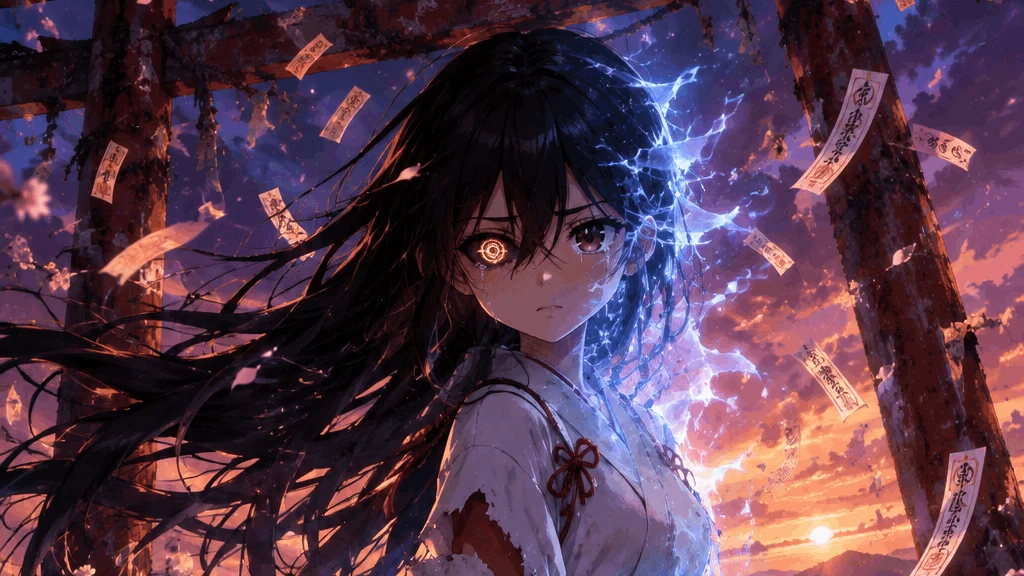
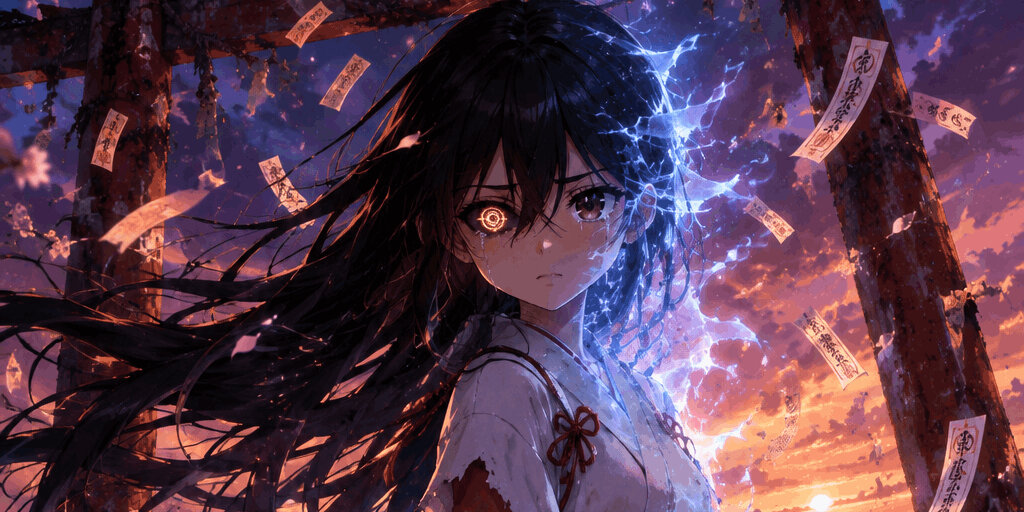
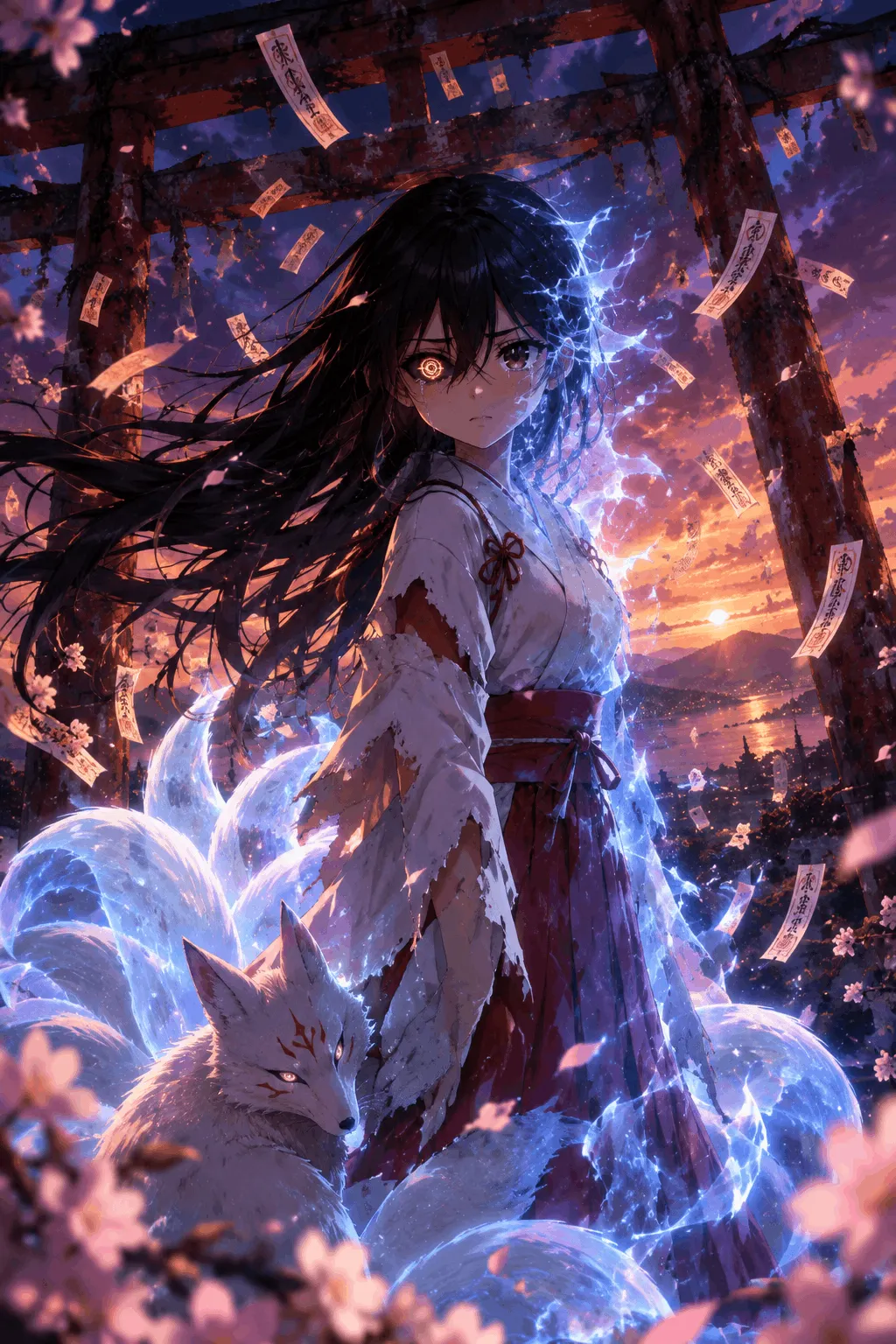
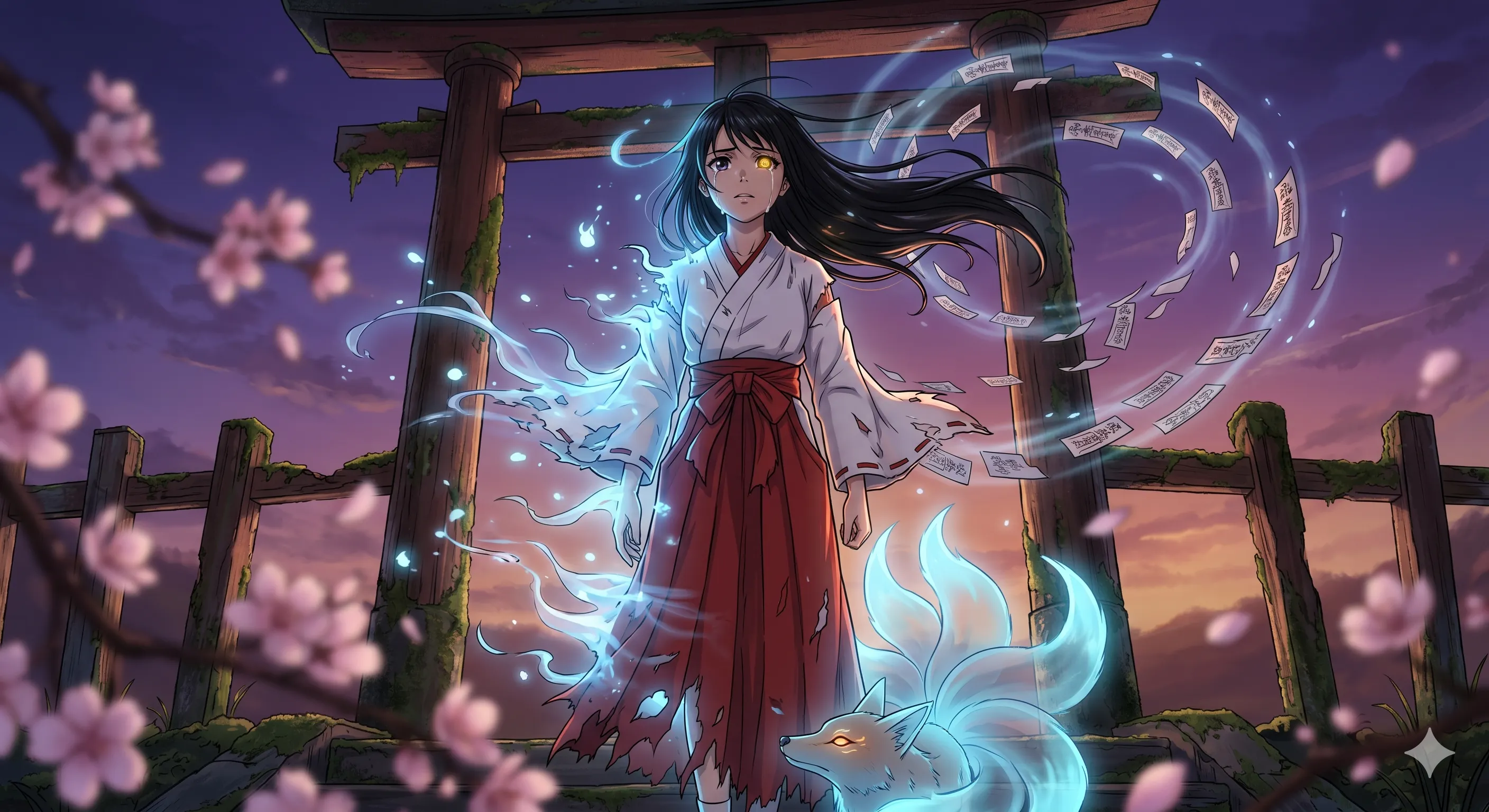
3. Illustration: The Anime Spirit Medium
- The Prompt: A Studio Ufotable-style key visual of a girl transforming into spiritual energy at a torii gate, accompanied by a nine-tailed kitsune fox and a Makoto Shinkai-inspired twilight sky.
- ChatGPT Images 2.5: Produced what is arguably the most breathtaking sky in our testing history—complete with a brilliant sun disc, crisp mountain silhouettes, and water reflections worthy of Shinkai.
- Nano Banana 2: Offered a closer literal interpretation of the wispy energy trail, but both models struggled to accurately render a true nine-tailed fox.
- Winner: ChatGPT Images 2.5 (for unmatched aesthetic impact).
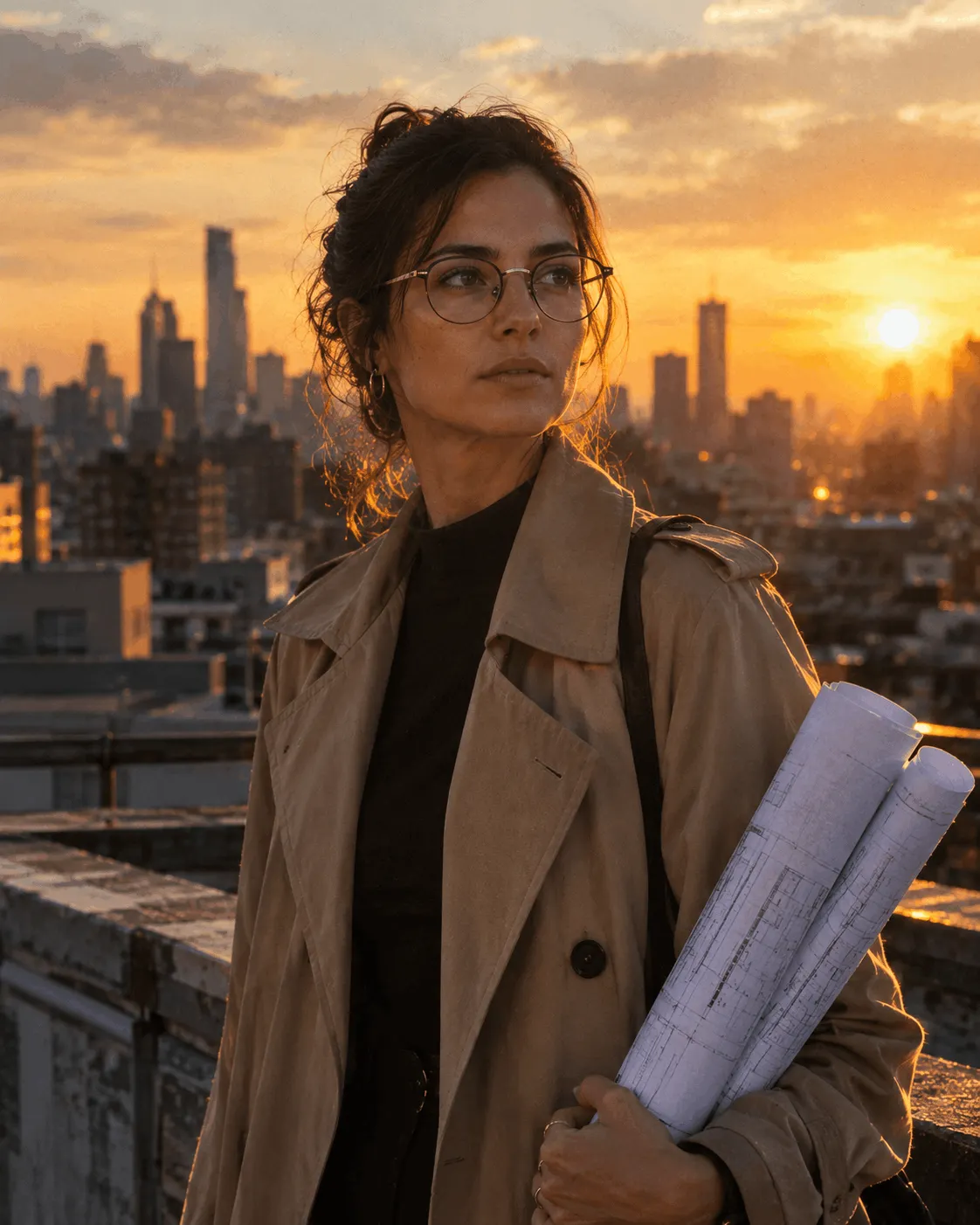
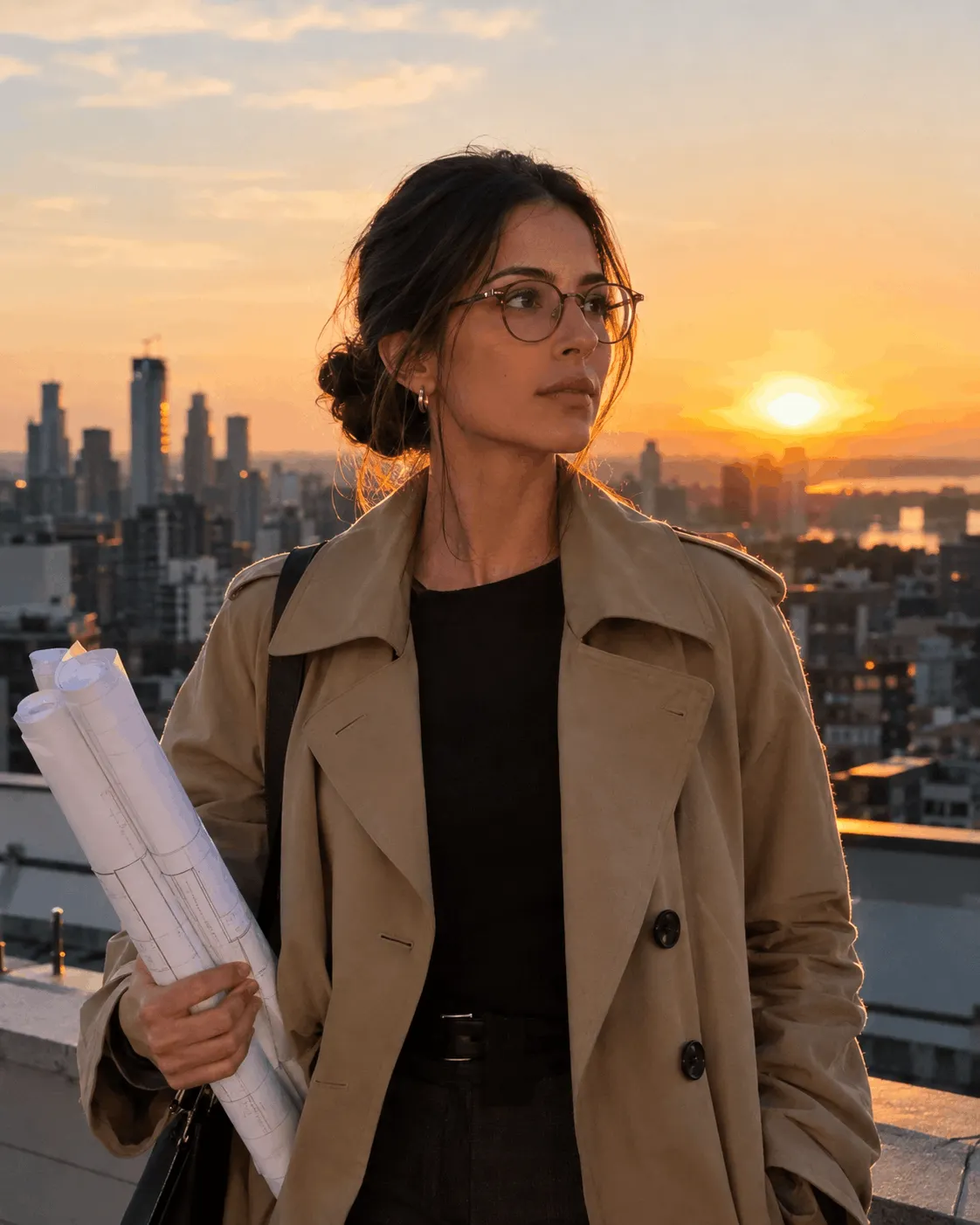
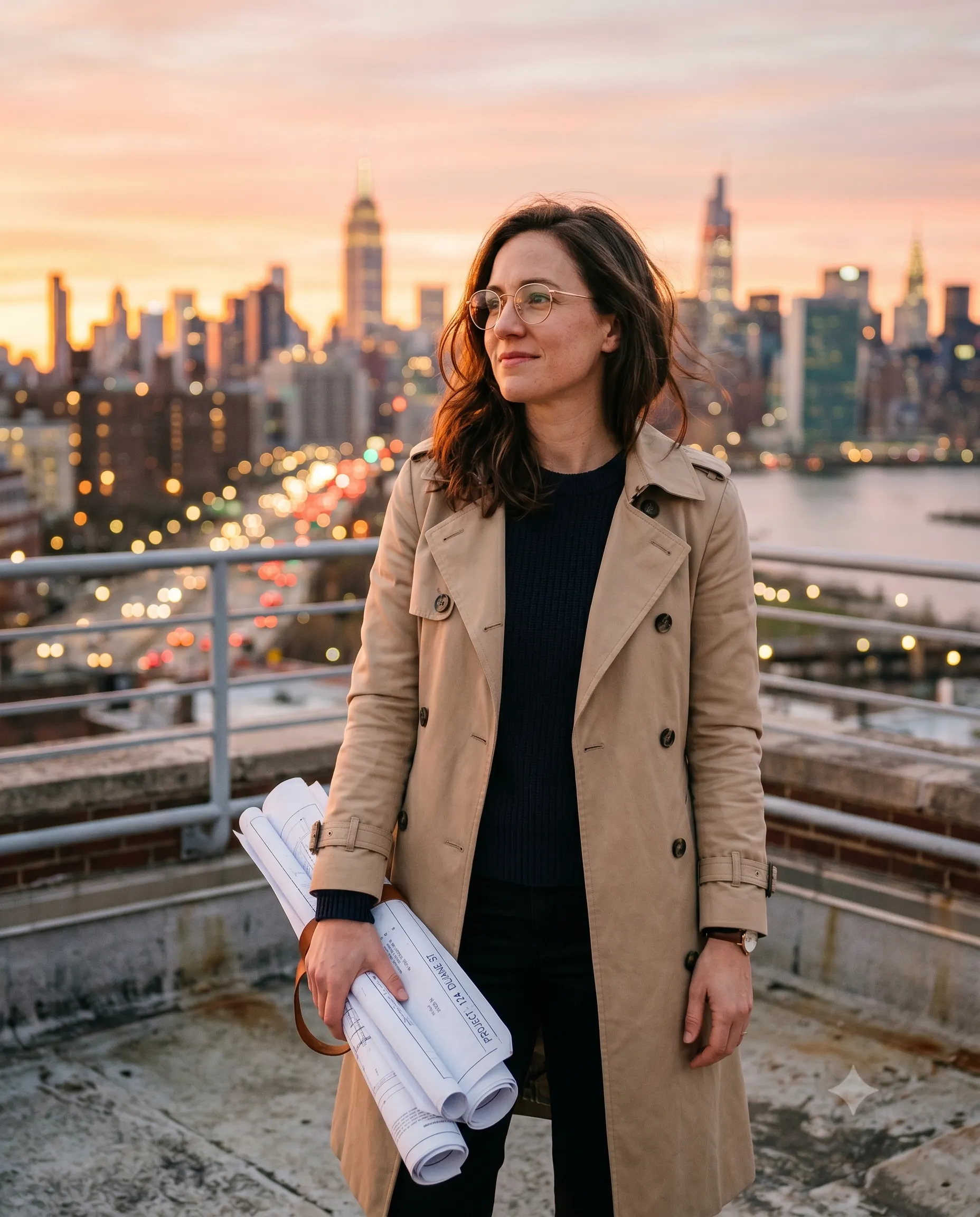
4. Realism: The Rooftop Architect
- The Prompt: A cinematic portrait featuring a beige trench coat, round glasses, blueprints held specifically in the left hand, golden-hour lighting, shallow depth of field, and film grain.
- ChatGPT Images 2.5: Captured gorgeous lighting and micro-skin textures, though skin smoothing leaned slightly too artificial until additional imperfections were manually prompted.
- Nano Banana 2: Maintained a complete composition, correctly placed blueprints in the right hand, and generated a surprisingly legible architectural label ("PROJECT: 124 DUANE ST").
- Winner: Nano Banana 2 (for single-shot execution accuracy).
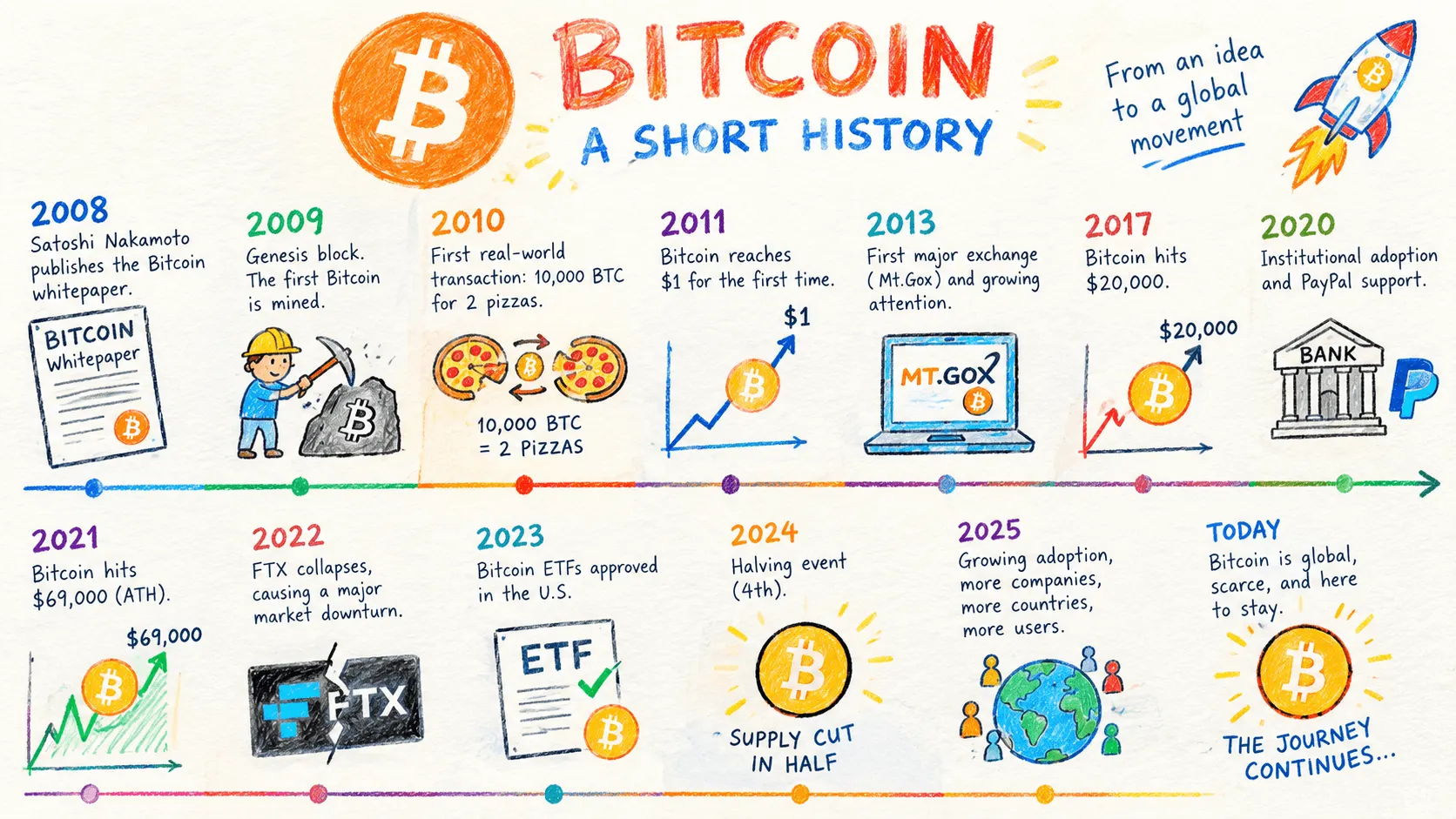
5. Agentic Research: The Bitcoin Timeline
- The Prompt: A widescreen Bitcoin history timeline in a children’s drawing style, strictly tested for absolute historical accuracy.
- ChatGPT Images 2.5: Rendered a clean infographic layout but committed a factual error, mistakenly dating the approval of U.S. spot Bitcoin ETFs to 2023 instead of January 10, 2024.
- Nano Banana 2: Brackets the ETF approval and fourth halving into a safer "2023–2024" range, avoiding a direct factual error.
- Winner: Nano Banana 2 (agentic research demands factual precision).
6. Abstract Concepts: Invented Words
- The Prompt: A completely abstract prompt built from nonexistent words: "A woman eating shmfiyxl in Lyxin. Next to her, her Lymglsushing plays Lakishkark."
- ChatGPT Images 2.5: Cleverly integrated the nonsense words into the physical world, turning "Lyxin" into a glowing neon restaurant sign and "Lakishkark" into the title of a board game.
- Nano Banana 2: Interpreted the prompt culturally, rendering a Guatemalan market scene with a human and an orc-like creature playing music, ignoring the invented words as visible text.
- Winner: ChatGPT Images 2.5 (for ingeniously turning abstract terms into tangible text elements).
Official Responses and Developer Integration
OpenAI’s rollout of Images 2.5 is not merely a visual upgrade; it is a structural overhaul designed for enterprise and developer workflows. Alongside Sketch (allowing users to draw rough layouts inside ChatGPT as generation prompts), the platform has introduced inline region comments and merch-formatting templates.
For API users, OpenAI has expanded its quality tiers, introducing new "high" and "max" settings that stretch far beyond the ceiling of Images 2.0. By splitting the offering into Flare (speed-focused) and Sunburst (precision-focused), OpenAI is directly targeting creative professionals who require both rapid prototyping and meticulous editing control.
Implications for the AI Industry
The final tally—a 3-to-3 tie between OpenAI’s ChatGPT Images 2.5 and Google’s Nano Banana 2—signals a maturing industry. The era of one company holding an uncontested crown in generative media is effectively over. Instead, the market has entered a phase of parity where minor nuances dictate user preference.
For everyday users and enterprise workflows, the choice between OpenAI and Google now rests on specific use cases:
- Choose OpenAI if your priority is atmospheric depth, artistic realism, emotional resonance in illustrations, and clever handling of abstract visual elements.
- Choose Google if your workflow demands absolute factual precision in research graphics, reliable text-heavy rendering, and strict adherence to positional instructions.
Ultimately, OpenAI has successfully exorcised the ghost filters and crunchy oversharpening of its past, delivering a robust, lightning-fast model that stands shoulder-to-shoulder with the best Google has to offer.