Navigating the Noise: Inside the Latest Market Trends and Economic Insights with Ben Carlson
September 21, 2026 — In an era defined by rapid financial shifts, shifting monetary policies, and relentless market commentary, staying grounded requires a disciplined approach to wealth management. Financial author and expert Ben Carlson returned to the airwaves with another compelling installment of his financial commentary series, published on September 21, 2026. Sponsored by the Motley Fool, the latest episode dives deep into the macroeconomic forces shaping modern portfolios, dissecting crucial charts, and providing listeners with a nuanced look at the behavioral dynamics driving today’s investors.
While financial media often thrives on sensationalism and short-term volatility, Carlson’s analysis champions a return to foundational principles, risk management, and long-term perspective. This comprehensive breakdown explores the core themes of the latest broadcast, examines the underlying market data, outlines the broader economic implications, and provides context for investors navigating an increasingly complex financial landscape.
Main Facts: A Snapshot of the Current Financial Climate
The latest segment of the podcast series arrives at a pivotal moment for global markets. Investors continue to grapple with shifting interest rate expectations, evolving equity valuations, and persistent economic uncertainty.
- The Host and Author: Ben Carlson, a respected voice in personal finance and institutional asset management, leads the discussion, breaking down complex market mechanics into digestible, actionable insights for everyday investors.
- The Sponsor: The episode is proudly brought to you by the Motley Fool, a prominent financial services and investing advice company known for promoting long-term stock-picking strategies.
- Core Medium: Distributed via major podcast networks including The Compound News platform, the program blends financial theory, real-world data analysis, and visual chart breakdowns to educate its audience.
- Visual Data Focus: The release highlights multiple proprietary financial charts detailing market movements, trend lines, and valuation metrics, giving listeners a visual framework to complement the audio discussion.
- Regulatory Disclaimers: As with all content produced within this ecosystem, strict disclaimers emphasize that the discussion is for educational and entertainment purposes only and does not constitute formal financial, tax, or legal advice.
Chronology: The Evolution of Market Commentary and Modern Investing
To understand where the financial markets stand today, it is essential to trace how digital financial media has evolved over the past decade. The shift from traditional, print-based financial advisory to multimedia platforms like podcasts, YouTube channels, and interactive newsletters has fundamentally altered how retail investors consume information.
Phase 1: The Transition to Digital-First Commentary (Early 2010s)
Historically, retail investors relied on traditional brokerages, morning newspapers, and television broadcasts for market updates. However, the rise of financial blogging—championed by figures like Ben Carlson via platforms such as A Wealth of Common Sense—democratized access to institutional-grade thinking. Complex financial concepts were stripped of their jargon and presented through a behavioral lens.
Phase 2: The Podcast Boom and Community Building (Late 2010s – 2020s)
As audio consumption skyrocketed, financial commentators realized that long-form discussions allowed for deeper nuance than a standard 800-word blog post. Podcasts like Carlson’s platform became digital town halls. Listeners weren’t just receiving stock tips; they were being trained to understand how to think about risk, market cycles, and personal savings rates. This era also saw the integration of multi-channel brands, combining podcasts, video content on YouTube, and active social media channels on Instagram and X (formerly Twitter).
Phase 3: The Data-Driven Present (2026 and Beyond)
Today, financial media operates in real-time, reacting instantly to macroeconomic data prints, Federal Reserve announcements, and sudden sector rotations. In the September 21, 2026 episode, Carlson exemplifies this modern approach by pairing live dialogue with granular chart breakdowns. Rather than reacting to daily market noise, the focus remains squarely on structural market trends, asset allocation fundamentals, and the psychological traps that plague modern investors.
Supporting Data and Visual Analysis: Decoding the Charts
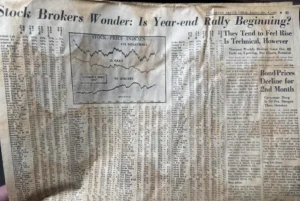
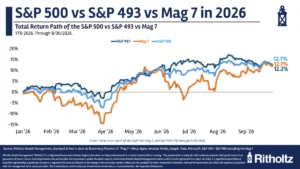
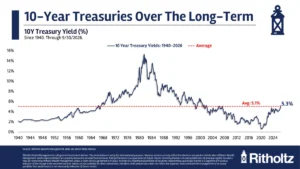
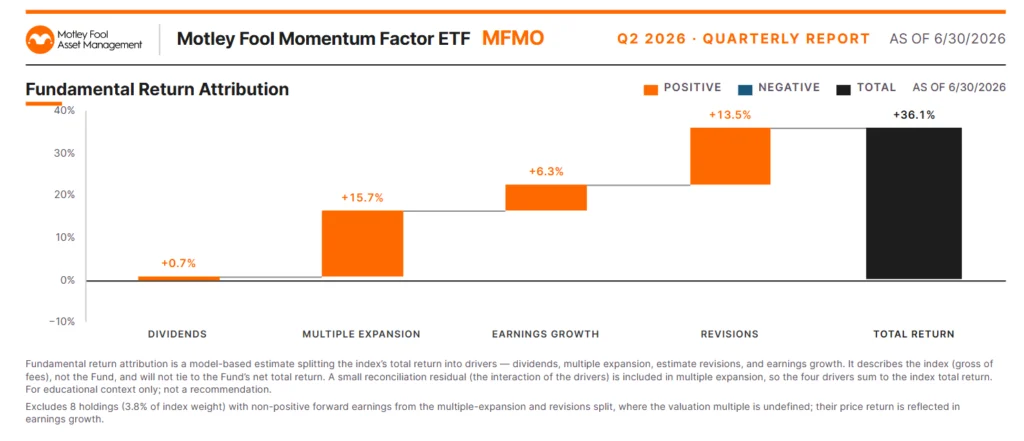
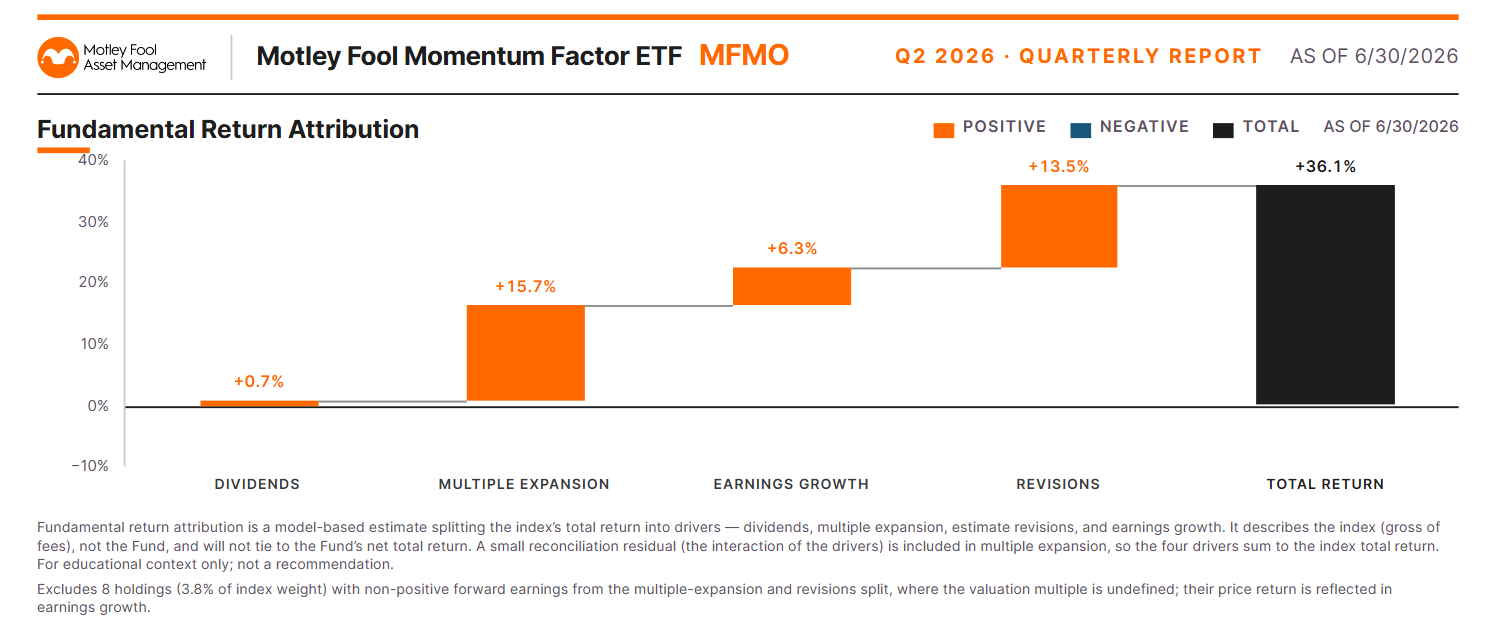
A cornerstone of Carlson’s analytical style is the heavy reliance on empirical data. The September 21 release features three distinct, high-resolution charts that capture the pulse of current market conditions. While the raw image URLs point to proprietary analytical screenshots, their inclusion underscores a vital principle: empirical evidence must ground any serious discussion about wealth.
1. Macroeconomic Trend Lines and Valuation Metrics
The first chart featured in the briefing analyzes broader valuation metrics across major equity indices. In an environment where market leadership is frequently concentrated in a handful of mega-cap technology companies, understanding historical valuation percentiles is crucial. The data presented helps contextualize whether current market multiples are justified by underlying earnings growth or driven purely by speculative momentum.
2. Behavioral Sentiment and Investor Flows
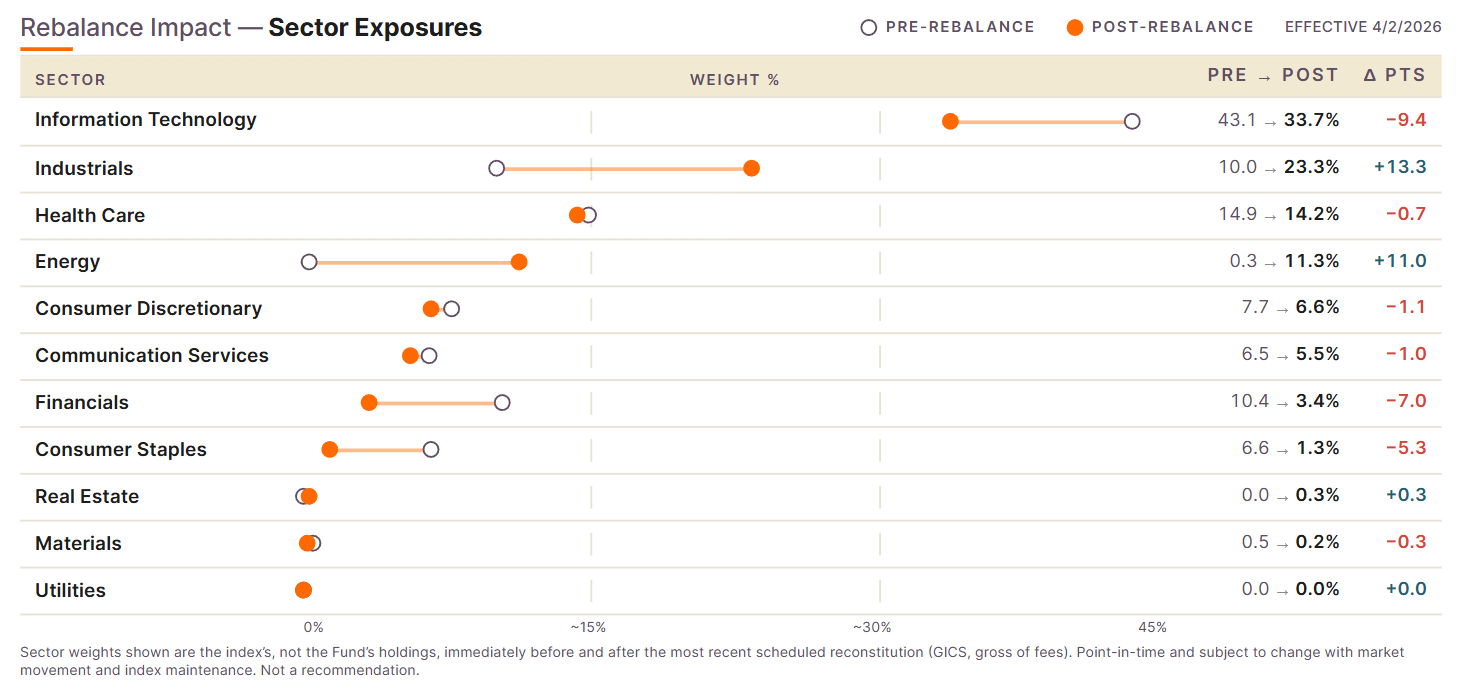
The second visual component tracks capital allocation trends—specifically, where retail and institutional money is flowing. Market tops and bottoms are rarely defined solely by corporate balance sheets; they are heavily influenced by investor sentiment. By mapping out fund flows, the data provides a window into whether market participants are exhibiting "animal spirits" (excessive optimism and risk-taking) or retreating into safe-haven assets out of fear.
3. Long-Term Performance Disparities
The final chart offers a comparative look at historical asset class performance over rolling time horizons. This serves as a vital mathematical reminder to the audience: while short-term volatility can cause severe emotional distress, long-term wealth accumulation is almost entirely a function of discipline, diversification, and time in the market—rather than market timing.
Official Responses and Industry Context
While independent financial commentators and content creators operate outside the strict compliance frameworks of traditional wire-house brokerages, they remain subject to rigorous regulatory standards regarding disclosures.
The Stance of Ritholtz Wealth Management and Affiliates
Content produced within networks associated with firms like Ritholtz Wealth Management typically operates under a strict separation between educational media and fiduciary advisory services. Explicit disclaimers attached to the broadcast state:
"Nothing in this blog constitutes investment advice, performance data or any recommendation that any particular security, portfolio of securities, transaction or investment strategy is suitable for any specific person."
Furthermore, the disclosures address commercial sponsorships—such as the partnership with the Motley Fool—clarifying that financial compensation for advertising does not equate to an institutional endorsement of the sponsor’s underlying investment philosophy or specific security recommendations.
The Role of Financial Sponsors
Sponsorships from entities like the Motley Fool highlight the symbiotic relationship within the modern financial media landscape. Educational platforms provide trusted distribution channels for established financial brands, while sponsors help fund the production of high-quality, free-to-consumer economic commentary. However, industry watchdogs continually remind retail investors to maintain a healthy skepticism, cross-referencing media commentary with their own personalized financial plans.
Implications: What This Means for Everyday Investors
For the average saver, retiree, or active investor, commentary like Ben Carlson’s offers valuable lessons that extend far beyond the headlines of the day.
1. Guarding Against Behavioral Pitfalls
The greatest threat to an investor’s portfolio is rarely a bear market; it is their own behavior. By continuously discussing market psychology, Carlson and similar thought leaders help inoculate investors against panic selling during market corrections and FOMO (Fear Of Missing Out) buying during speculative manias. Recognizing that market volatility is a standard "fee" for investing—rather than a "fine" or a sign that something is broken—is essential for long-term success.
2. The Importance of Tailored Financial Planning
Because no two investors share the exact same risk tolerance, time horizon, or tax situation, generalized market commentary must always be filtered through a personal lens. The data presented in the charts and discussions should serve as a prompt for individuals to review their own asset allocations rather than blindly copy trending strategies.
3. Embracing Simplicity in a Complex World
With an endless stream of financial news bombarding consumers via YouTube, Instagram, podcasts, and RSS feeds, information overload is a genuine risk. The antidote to complexity is simplicity. As championed by evidence-based practitioners, sticking to a well-diversified, low-cost portfolio tailored to individual goals remains the most reliable path to financial independence.
Conclusion
Ben Carlson’s September 21, 2026 release exemplifies the best of modern financial media: informative, data-backed, grounded in behavioral realism, and delivered without the hyperbolic alarmism that often plagues the industry. By combining engaging audio discussions with deep visual data analysis, the broadcast equips listeners with the intellectual tools needed to navigate an unpredictable economic landscape.
As financial markets continue to evolve, the core message remains timeless: tune out the daily noise, focus on what you can control, and let discipline—not emotion—dictate your financial future.
For those looking to dive deeper into the discussion, the full episode can be streamed directly via The Compound News Podcast Directory, and visual updates can be tracked via their official YouTube and Instagram channels.