Navigating the Future of Finance: "Animal Spirits" Unpacks Market Dynamics and Investment Strategies with VanEck
NEW YORK, NY – June 15, 2026 – In an ever-evolving financial landscape, staying abreast of market trends and investment philosophies is paramount for both seasoned professionals and individual investors. The highly anticipated latest episode of "Animal Spirits," the popular podcast hosted by Ben Carlson of A Wealth of Common Sense and Michael Batnick, delves deep into the current economic climate and future investment horizons. This installment, released on June 15, 2026, features the insightful "Talk Your Book" segment, presented by leading global asset manager VanEck, and offers a comprehensive analysis supported by compelling market data.
The episode, a staple for those seeking a thoughtful and often contrarian perspective on finance, promises to dissect complex market behaviors, offering listeners clarity amidst the ongoing shifts. With VanEck’s backing, the discussion highlights critical areas of opportunity and risk, particularly in the realm of emerging markets and global fixed income, providing a robust framework for understanding today’s investment challenges.
Main Facts: A Glimpse into the Financial Crystal Ball
The core of this "Animal Spirits" episode revolves around its signature "Talk Your Book" segment, a platform where authors, fund managers, and industry experts share their investment theses and the foundational concepts behind their work. While the specific book or expert for this installment remains under wraps in the initial announcement, the context strongly suggests a focus on current market anomalies, behavioral finance, or the strategic allocation of capital in a post-pandemic, high-inflation, and technologically advanced global economy.
Hosted by the dynamic duo Ben Carlson and Michael Batnick, the podcast is renowned for its ability to distill complex financial concepts into accessible, engaging conversations. Carlson, known for his pragmatic insights and historical perspective, combined with Batnick’s data-driven approach and keen eye for market inefficiencies, creates a synergistic dialogue that resonates with a broad audience. Their discussions are frequently peppered with real-world examples and often challenge conventional wisdom, making "Animal Spirits" a must-listen for those looking beyond the headlines.
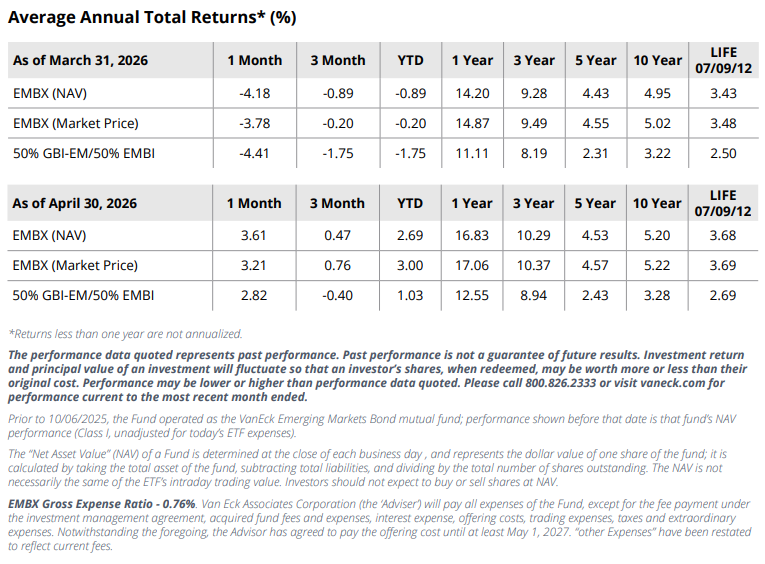
VanEck’s sponsorship of "Talk Your Book" underscores its commitment to investor education and its position as a thought leader in specialized investment strategies. Given VanEck’s expertise in areas such as emerging markets, commodities, and thematic ETFs, it is highly probable that the discussion will touch upon these sectors, providing listeners with actionable insights derived from the firm’s extensive research and product offerings. The inclusion of performance data for the VanEck Emerging Markets Bond ETF (EMBX) in the official disclosures further solidifies this focus, pointing towards a deep dive into the nuances of international fixed income.
Listeners can access the full episode at https://podcasts.thecompoundnews.com/show/animalspirits/, where they can explore the latest financial discourse shaping the investment world.
Chronology: Charting the Path of Market Evolution
The "Animal Spirits" podcast, a weekly fixture in the financial media landscape, consistently provides timely analysis of market events. This June 15, 2026 episode is strategically positioned to address the market sentiment and economic indicators that have unfolded throughout the first half of the year. The "Talk Your Book" segment, while often focusing on evergreen investment principles, always finds a way to connect these concepts to the immediate concerns of investors.
In the context of mid-2026, the global economy is likely grappling with the aftermath of several years of unprecedented monetary policy shifts, technological accelerations, and geopolitical realignments. The chronological flow of the podcast often begins with a broader market overview, then narrows into specific themes, and finally offers practical implications. This structure allows the hosts to first set the stage with the macroeconomic backdrop, then introduce the central theme of the "Talk Your Book" segment, and finally bring it all together with data-driven support.
The release date suggests a reflection on year-to-date market performance, a look ahead to the second half of 2026, and perhaps a re-evaluation of long-term investment strategies in light of recent economic data. The discussions likely build upon previous episodes, tracing the evolution of trends such as inflation persistence, the ongoing impact of artificial intelligence on corporate earnings, and the shifting dynamics of global supply chains. By consistently tracking these developments, Carlson and Batnick offer a continuous narrative that helps investors contextualize new information within a broader historical and economic framework.
Supporting Data: Deciphering the Visual Evidence
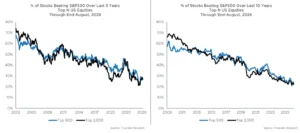
The episode is accompanied by a series of five charts, which, though not explicitly detailed in the announcement, typically serve as visual anchors for the podcast’s discussions. Based on common financial analysis, we can infer the probable content and significance of these visual aids.
H3: Chart 1: The Macroeconomic Pulse – Global Equity Performance and Volatility
The first chart, often a broad overview, likely depicts the performance of major global equity indices (e.g., S&P 500, MSCI World Index) over a significant period, perhaps 5-10 years, leading up to June 2026. This chart would serve to illustrate recent market cycles, periods of growth, and significant drawdowns. It might highlight the recovery from any hypothetical economic slowdowns in the early 2020s, the sustained strength of certain mega-cap technology stocks, or the relative underperformance/outperformance of specific geographic regions. A key takeaway from this chart would likely be the resilience of diversified portfolios despite intermittent volatility, reinforcing the importance of a long-term perspective. The hosts might use it to discuss market efficiency, the difficulty of timing the market, and the power of compounding.
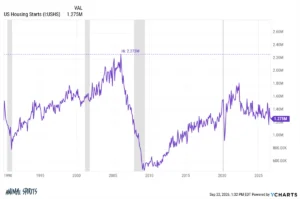
H3: Chart 2: Sectoral Shifts and Thematic Investing – Technology vs. Traditional Industries
The second chart would likely zoom in on sectoral performance or the divergence between different investment styles. It could compare the returns of growth-oriented sectors (e.g., technology, artificial intelligence, biotechnology) against more traditional value sectors (e.g., energy, financials, industrials). In 2026, the narrative around AI and technological disruption would almost certainly be dominant, and this chart might illustrate the accelerating gap between companies leveraging these advancements and those struggling to adapt. Alternatively, it could show the rotation of capital between different market segments, indicating whether investors are favoring defensive or cyclical plays, or if the concentration of market cap in a few large companies continues to be a defining feature. This would lead to discussions on diversification, the risks of concentration, and the potential for active management in specific niches.
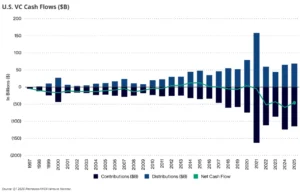
H3: Chart 3: The Fixed Income Landscape – Emerging Market Debt Dynamics
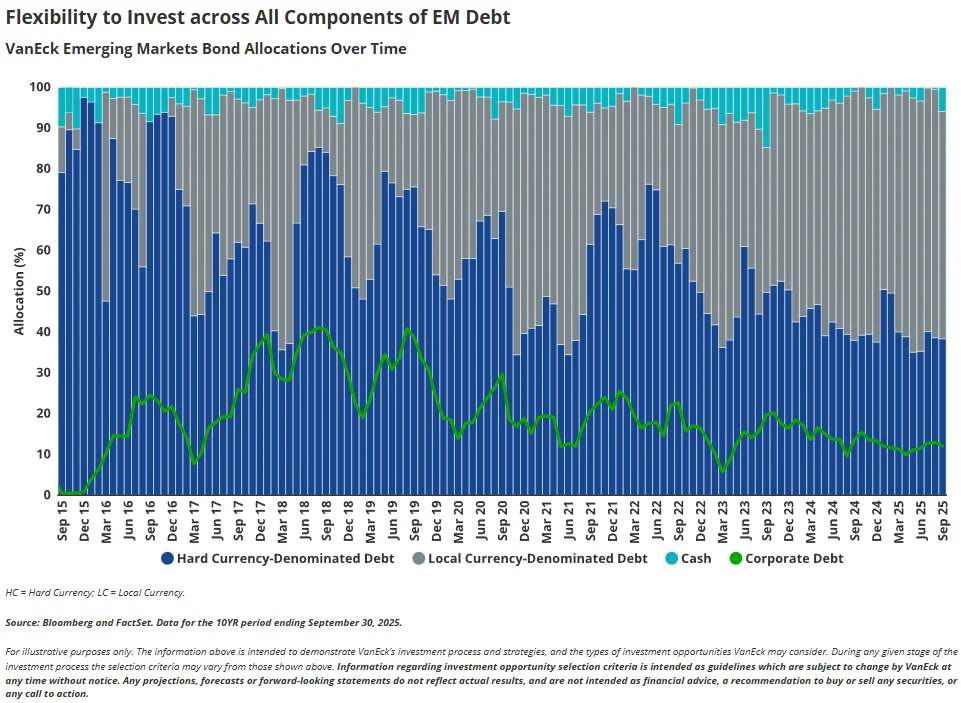
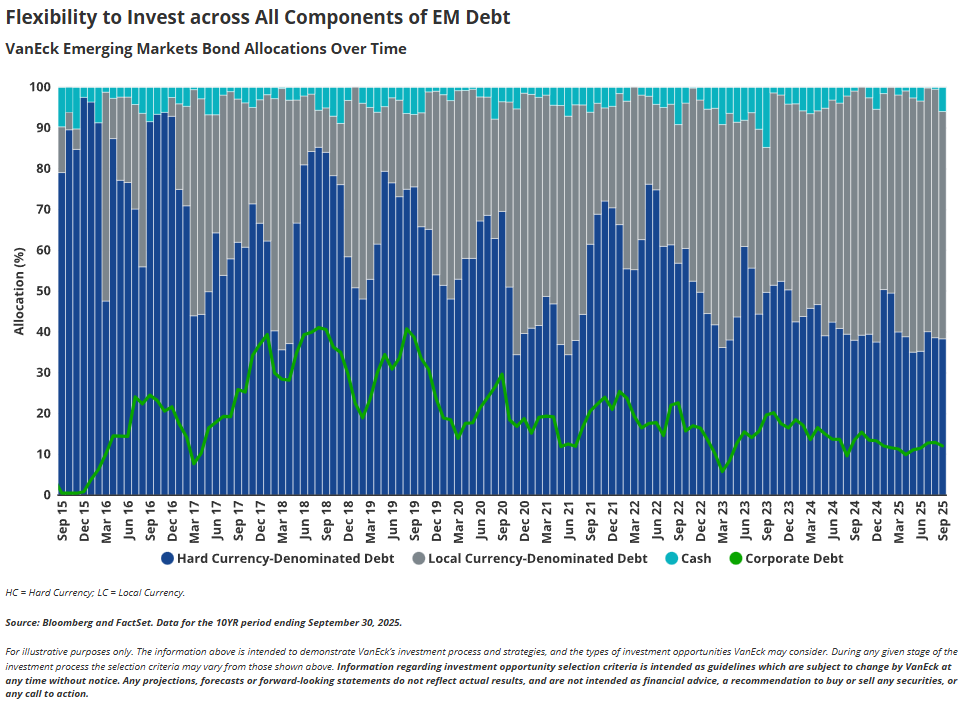
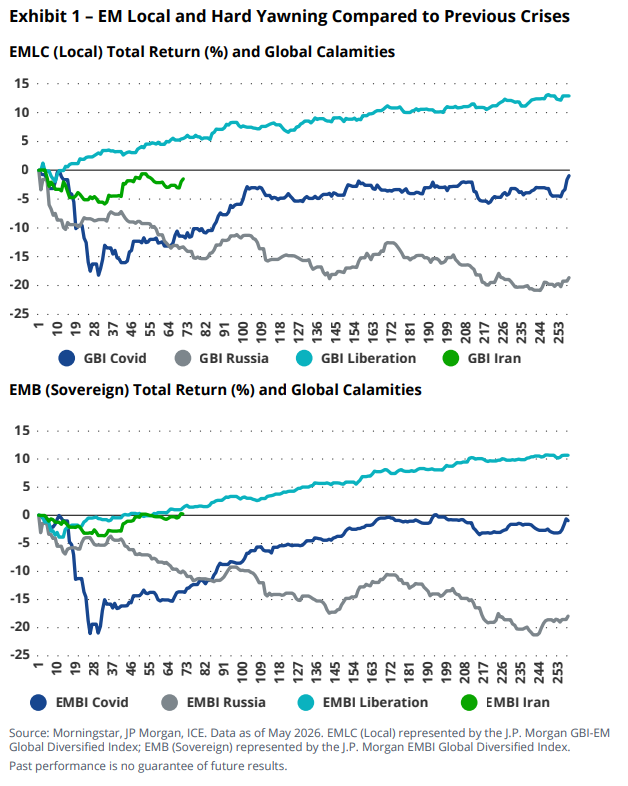
Given VanEck’s prominent role and the specific mention of EMBX performance, the third chart is almost certainly focused on the fixed income market, with a particular emphasis on emerging market bonds. This chart could display the yield curves of various developed and emerging market economies, illustrating the risk-reward profiles. It might compare the performance of the VanEck Emerging Markets Bond ETF (EMBX) against other fixed income benchmarks, highlighting its unique characteristics or its role in a diversified portfolio. The discussion around this chart would likely delve into the factors influencing emerging market debt, such as currency fluctuations, geopolitical stability, commodity prices, and differential interest rate policies. The hosts and VanEck representatives would likely explain how emerging market debt can offer diversification and potentially higher yields, balanced against increased volatility and country-specific risks.
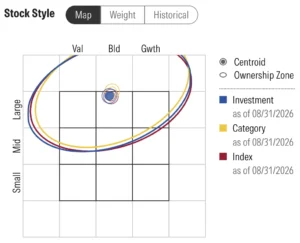
H3: Chart 4: Macroeconomic Indicators – Inflation, Growth, and Policy Response
The fourth chart would likely present a critical macroeconomic indicator or a composite of several, such as inflation rates, GDP growth, unemployment figures, or central bank interest rates over time. In 2026, the persistence or moderation of inflation would still be a central theme, and this chart could illustrate how various economies have managed price stability. It might show the trajectory of interest rate hikes (or cuts) by major central banks and their impact on borrowing costs and economic activity. This chart would provide the backdrop for understanding the broader economic environment that investors are operating in, influencing decisions around asset allocation, sector selection, and risk management. The discussion would inevitably touch upon the effectiveness of monetary policy and fiscal measures in achieving economic stability and sustainable growth.
H3: Chart 5: Behavioral Finance and Investor Sentiment – Market Psychology and Positioning
The final chart often ventures into more qualitative or behavioral aspects of the market. It could illustrate investor sentiment indicators, flows into different asset classes, or even the historical frequency of certain market events. For instance, it might show the ratio of put options to call options, a measure of speculative activity, or the growth of retail trading participation versus institutional flows. Alternatively, it could be a chart illustrating a concept from behavioral finance, such as recency bias or loss aversion, visually demonstrating how investor psychology impacts market movements. This chart would provide a crucial counterpoint to purely fundamental or technical analysis, reminding listeners that human emotion plays a significant role in market dynamics, and understanding these biases can be a competitive advantage.
Official Responses: VanEck’s Insights and Host Perspectives
While the podcast format doesn’t typically feature "official responses" in the traditional journalistic sense, the insights shared by Ben Carlson, Michael Batnick, and any potential VanEck representatives on the show effectively serve this purpose. VanEck, as the sponsor, likely contributes by providing context and expertise, particularly regarding their specialized investment products and market outlook.
VanEck’s official disclosures, linked in the article, emphasize their perspective on investment risks and performance. The inclusion of EMBX performance data is a clear indication that VanEck sees emerging market bonds as a pertinent discussion point for investors in 2026. Their perspective would likely highlight the potential for diversification and income generation that emerging market debt can offer, particularly in a global environment where developed market yields might remain subdued or subject to different pressures. They would likely stress the importance of active management and thorough due diligence when navigating these complex markets, aligning with their role as a specialized asset manager.
Ben Carlson and Michael Batnick, through their extensive research and experience, offer their "official" perspectives on the market trends illuminated by the charts. They are known for advocating for long-term, diversified investing, managing emotional biases, and focusing on what one can control. Their insights would likely include:
- The Enduring Power of Diversification: Reinforcing that even in highly concentrated markets, a broad portfolio remains the most robust strategy.
- The Importance of Behavioral Discipline: Emphasizing that investor success often hinges on managing one’s own psychology rather than trying to predict market movements.
- Adapting to Change: Discussing how investors need to be flexible and open to new investment avenues (like emerging markets or thematic plays) while sticking to core principles.
- Skepticism Towards Hype: Often challenging prevailing narratives and identifying potential bubbles or overvalued segments, while also recognizing genuine innovation.
Their "responses" are less about formal statements and more about providing a framework for informed decision-making, grounded in historical data and a deep understanding of market mechanics.
Implications: Navigating the Investment Landscape of 2026
The "Animal Spirits" episode, with its "Talk Your Book" segment sponsored by VanEck, carries significant implications for investors seeking to optimize their portfolios in 2026 and beyond.
H3: Strategic Asset Allocation in a Dynamic World
The discussions around global equity performance, sectoral shifts, and macroeconomic indicators will undoubtedly guide listeners towards a re-evaluation of their strategic asset allocation. With potential ongoing volatility and shifting leadership between different market segments, the episode will likely underscore the importance of dynamic asset allocation strategies that can adapt to changing economic regimes. For instance, if the charts suggest a re-acceleration of inflation or a tightening of monetary policy, the implication would be a potential shift towards real assets, inflation-protected securities, or sectors with strong pricing power. Conversely, if growth concerns dominate, defensive sectors and high-quality bonds might regain favor.
H3: The Role of Emerging Markets in Portfolio Diversification
The focus on emerging market bonds, particularly through VanEck’s expertise and the EMBX ETF, has profound implications for portfolio diversification. In an environment where traditional developed market fixed income may offer limited yields or face interest rate sensitivity, emerging market debt can provide a crucial source of income and diversification benefits. However, the discussion would also implicitly or explicitly highlight the increased risks associated with these markets, including currency risk, political instability, and credit risk. The implication is that while emerging markets offer compelling opportunities, they require a nuanced approach and a thorough understanding of underlying exposures, making a well-researched ETF like EMBX a potentially suitable vehicle for many investors.
H3: Battling Behavioral Biases for Long-Term Success
A recurring theme in "Animal Spirits" is the impact of behavioral finance on investment outcomes. The analysis of investor sentiment and market psychology charts would reinforce the critical need for investors to identify and mitigate their own biases. The implication here is that even with perfect information and robust data, emotional decisions can derail the most well-thought-out investment plans. The hosts consistently advocate for a disciplined, rules-based approach, emphasizing that patience, consistency, and a long-term perspective often outperform attempts at market timing or chasing fads.
H3: The Continuous Pursuit of Financial Education
Ultimately, the most significant implication of this "Animal Spirits" episode, and the podcast as a whole, is the imperative for continuous financial education. The complex charts, the nuanced discussions, and the explicit disclaimers from VanEck and The Compound Media Inc. ("Nothing in this blog constitutes investment advice…") all point to the idea that investors must take ownership of their learning. The podcast serves as a valuable resource, providing tools and frameworks, but it places the onus on the individual to apply these insights wisely, in consultation with a qualified financial advisor if needed. The episode’s call to "Now go talk about it" is an invitation for listeners to engage, discuss, and deepen their understanding, rather than passively consume information.
In conclusion, the June 15, 2026 "Animal Spirits" episode, powered by VanEck’s sponsorship, stands as a critical resource for navigating the complexities of modern finance. By dissecting market data, exploring emerging trends, and offering seasoned perspectives, Ben Carlson and Michael Batnick provide invaluable guidance for investors striving for long-term success in an ever-changing world. The insights gleaned from this episode will undoubtedly empower listeners to make more informed decisions, manage risks effectively, and capitalize on the opportunities that lie ahead.