Navigating the Economic Paradox: Highs in the Stock Market Meet Lows in Consumer Sentiment
Date: September 30, 2026
Author: Ben Carlson (Adapted from Animal Spirits)
Sponsors: YCharts, Janus Henderson, and CraneShares
Main Facts
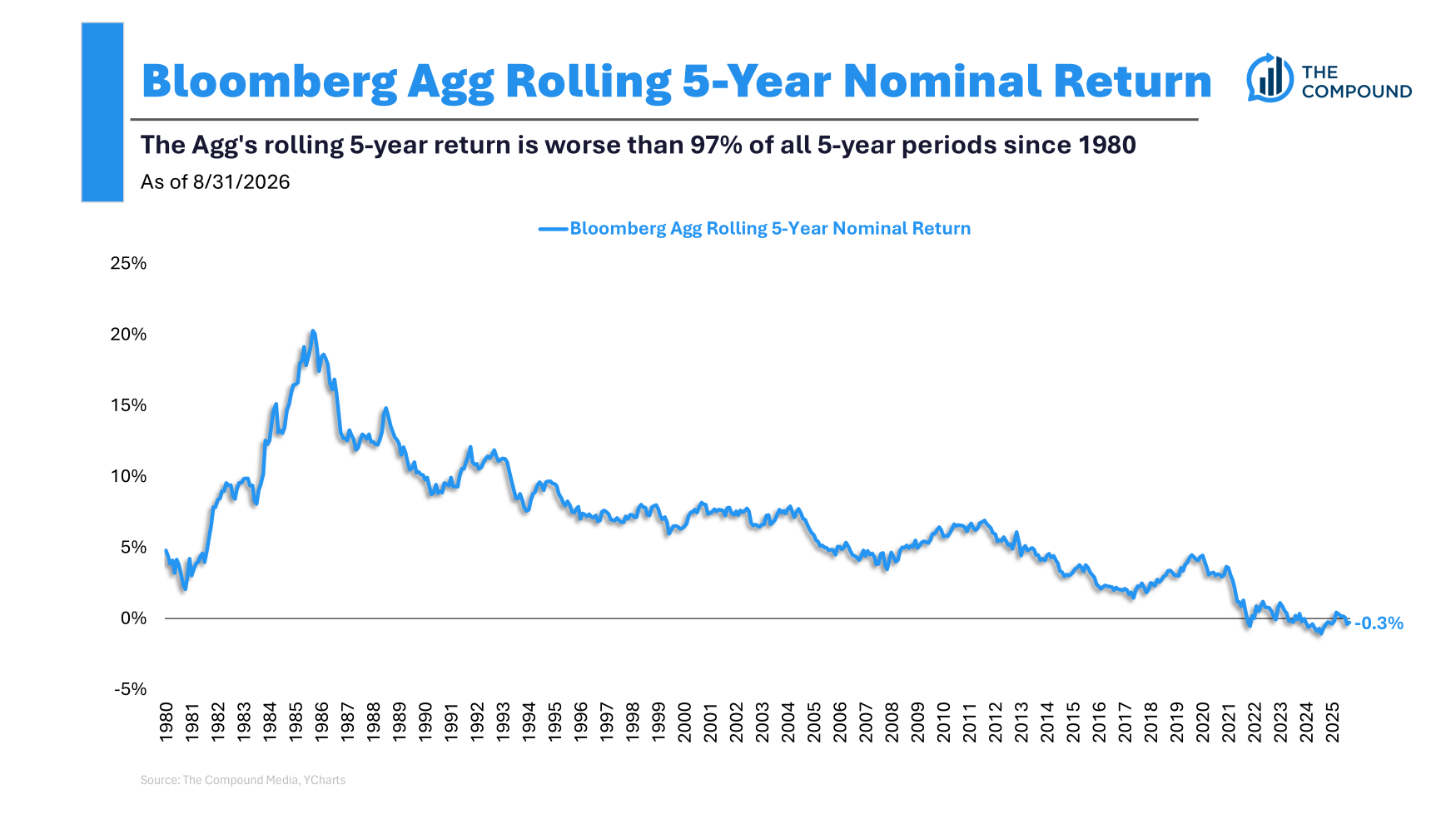
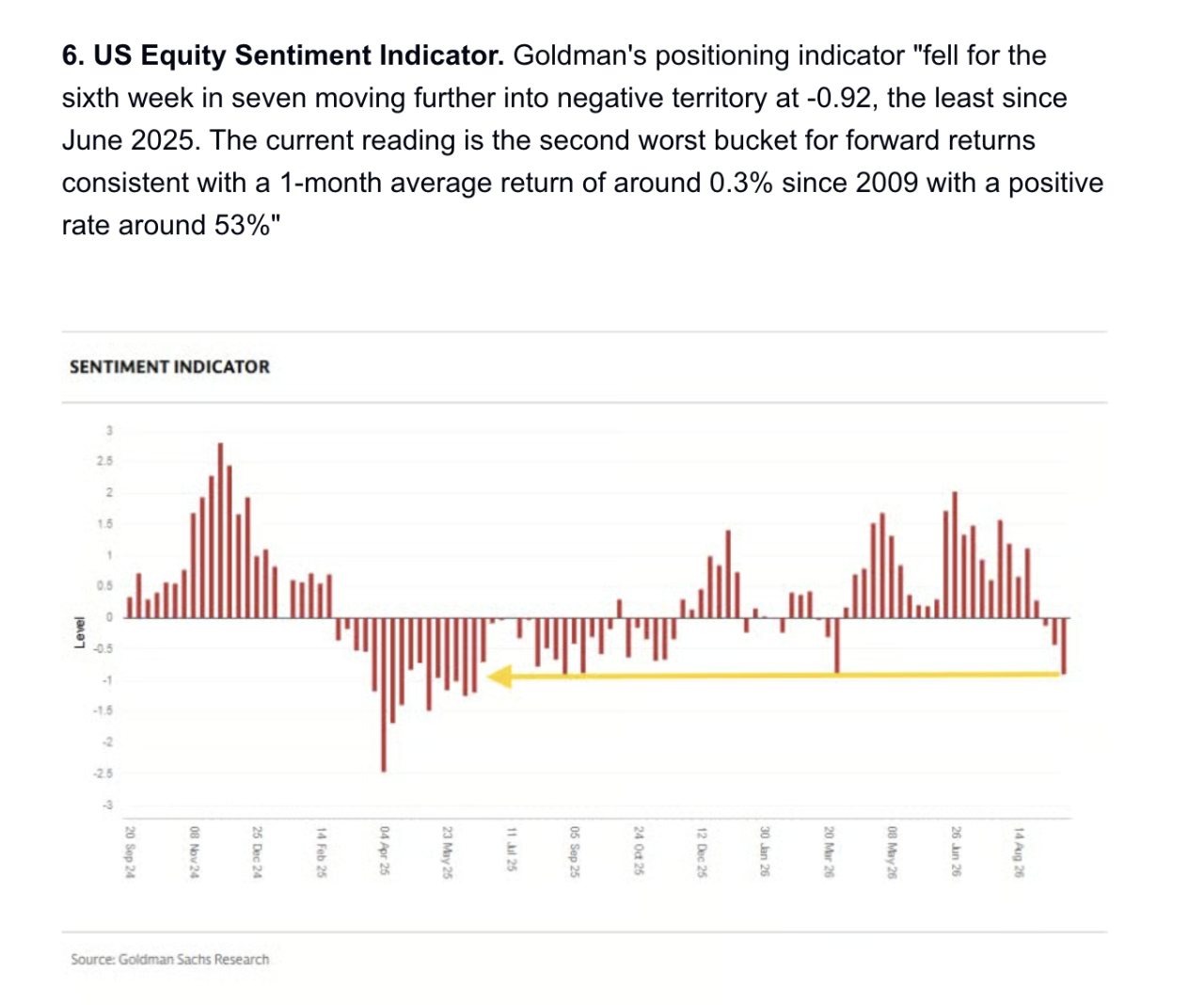
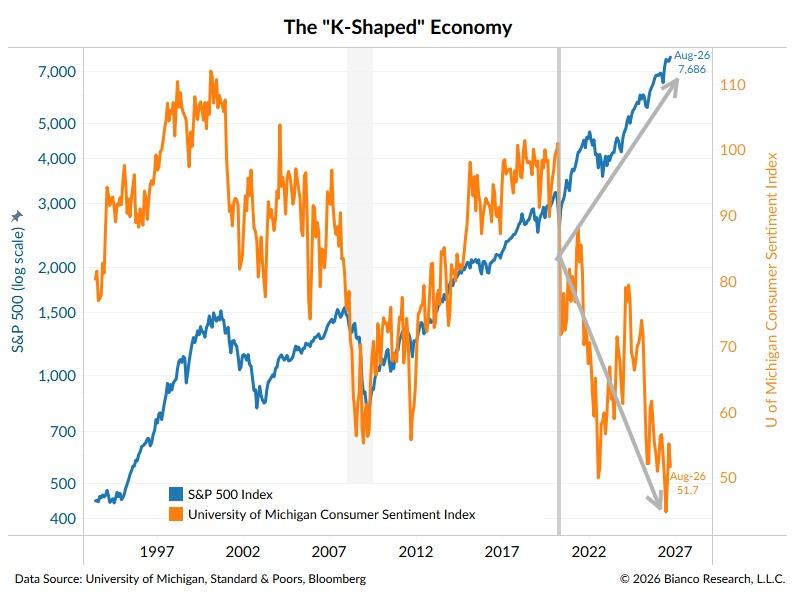
The macroeconomic landscape of late September 2026 presents a fascinating study in economic contradiction. On one hand, the S&P 500 continues to hover near historic all-time highs, propelled by strong corporate performance and a surging equity wealth effect that has driven U.S. household assets to more than ten times their total liabilities. On the other hand, consumer sentiment languishes near historic lows, weighed down by sticky structural pressures: 7% mortgage rates, 5% bond yields, 4% cash yields, $100 crude oil, $5 per gallon gasoline, and annualized inflation sitting at 3.4%.

This dichotomy—often described by market observers as "strange times"—highlights a profound disconnect between aggregate national balance sheet health and the microeconomic pain felt by individual households navigating high borrowing costs and everyday expenses. Furthermore, structural shifts are visible across multiple sectors, ranging from the stabilization of national median rents back to pre-pandemic trajectories, to regulatory expansions in prediction markets, and continued redemption caps on private credit giants like Apollo and Morgan Stanley.
Chronology of Market Events (September 2026)
- September 22, 2026: Tarek Mansour and prediction market platforms submit regulatory filings to introduce margin trading on a subset of long-dated prediction markets, excluding categories like sports and culture, in a major push toward institutional adoption.
- September 23, 2026: Market commentators, including Ben Carlson, highlight the bizarre economic convergence of high borrowing rates, elevated commodity prices, and all-time stock highs paired with depressed consumer sentiment. Simultaneously, reports surface that Apollo and Morgan Stanley have capped fund redemptions at 5% for the third consecutive quarter as investor withdrawal requests outstrip liquid fund capabilities.
- September 24, 2026: Economic analysts note that surging equity wealth pushed household asset-to-liability ratios above 10x in the second quarter of 2026. Concurrently, political figures like Senator Jeff Merkley introduce legislative proposals aimed at tackling housing affordability through federal savings matches for first-time buyers.
- September 28, 2026: Market data updates reveal that while the S&P 500 holds within 1% of new highs, more than 70% of its component stocks remain at least 10% below their individual peaks. Concurrently, real estate and housing reports show national median rents settling back to $1,390, mirroring a steady, pre-pandemic 2.7% annualized growth trajectory.
- September 30, 2026: Animal Spirits releases its latest weekly review, breaking down these conflicting indicators, structural liquidity measures, and modern wealth dynamics.
Supporting Data and Market Metrics
The complexity of the current financial environment is best understood through the convergence of several key data points spanning equities, housing, debt, and alternative assets:
Equity Market Internal Health
While headline indices project unstoppable momentum, market breadth tells a more nuanced story. According to market data from late September 2026:
- The S&P 500 Index ($SPY): Hovering within a razor-thin 1% margin of all-time highs.
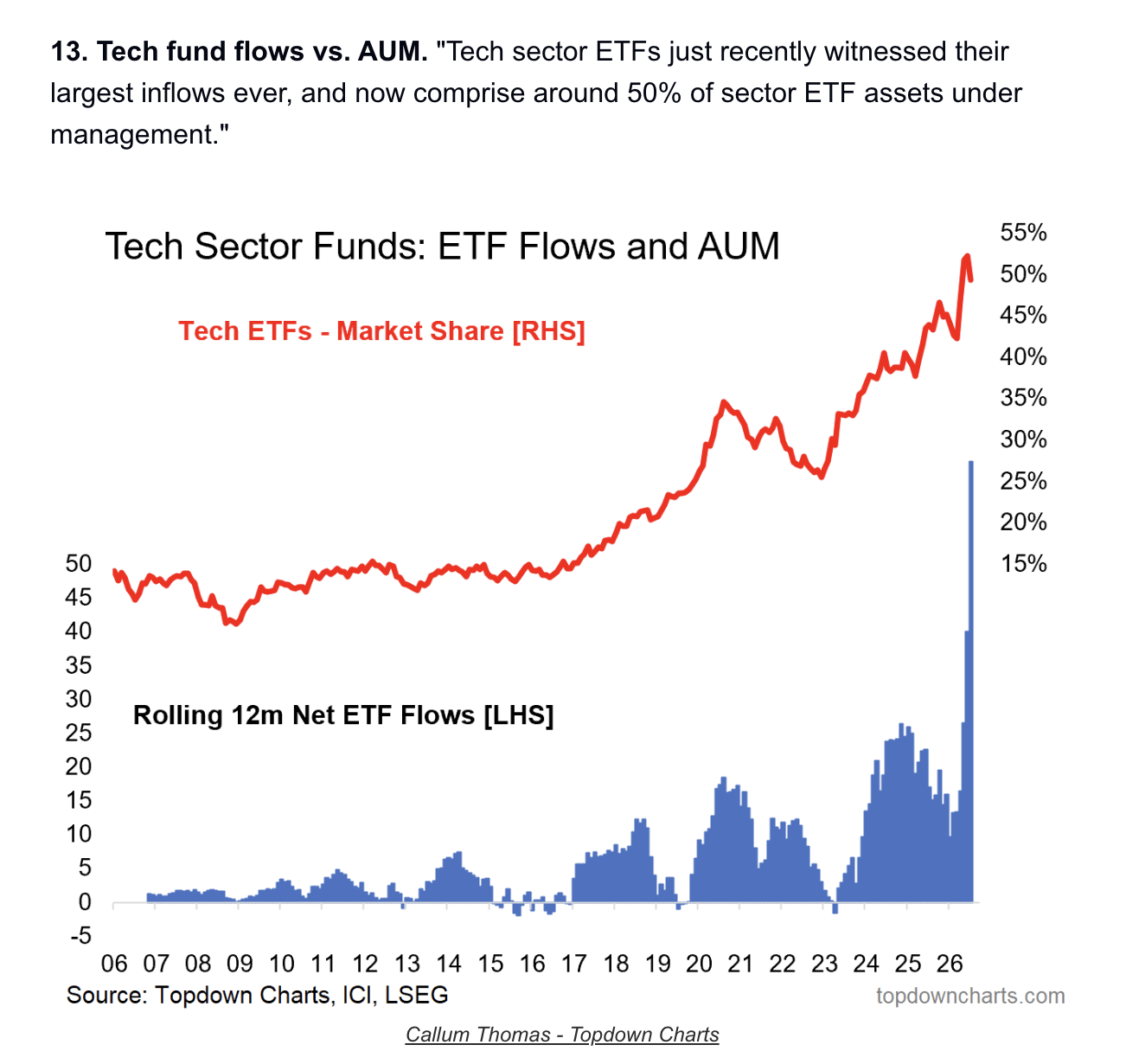
- Market Breadth Disconnect: Over 70% of the individual stocks comprising the S&P 500 are trading at least 10% below their respective 52-week highs, indicating that index gains remain concentrated among a select group of market leaders.
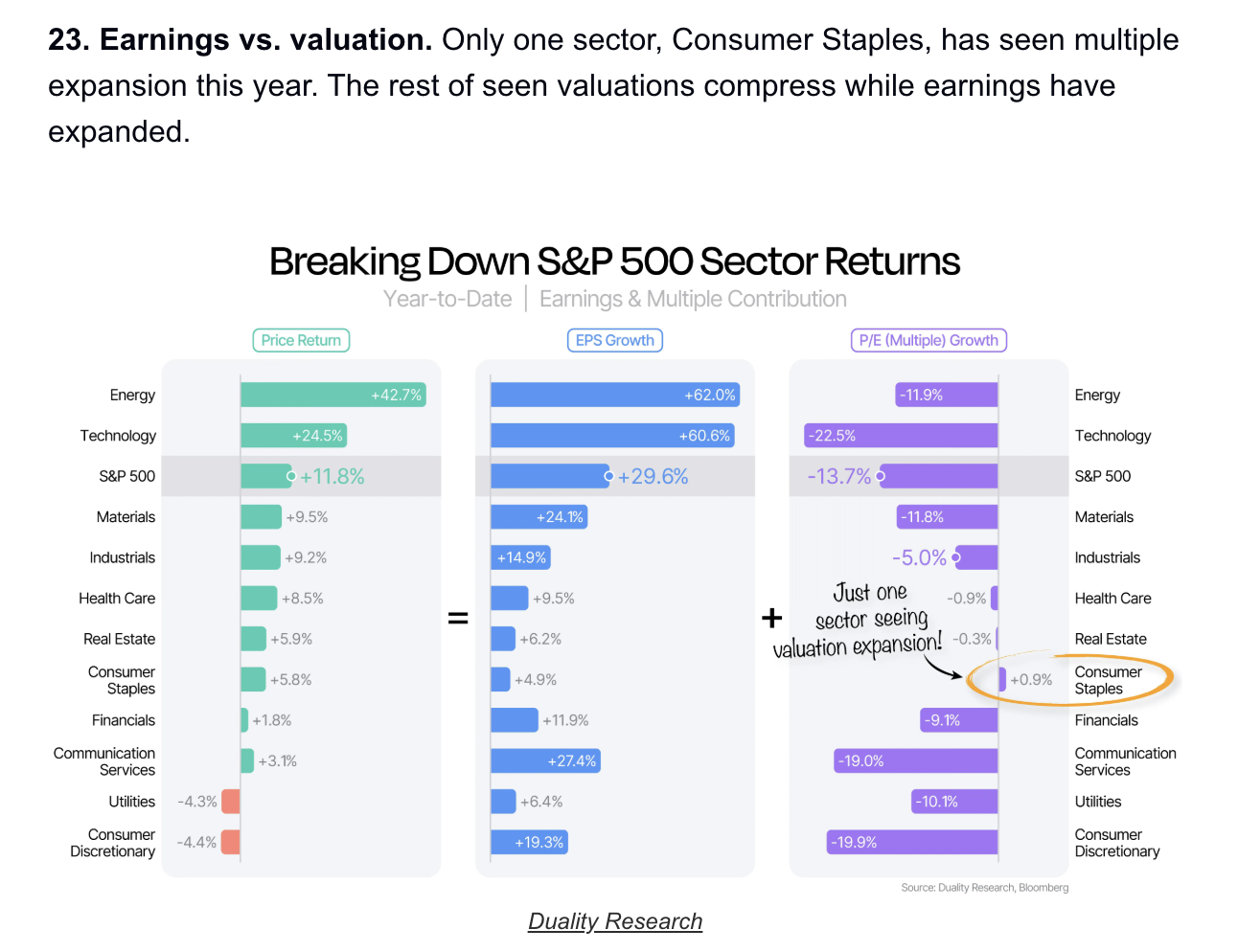
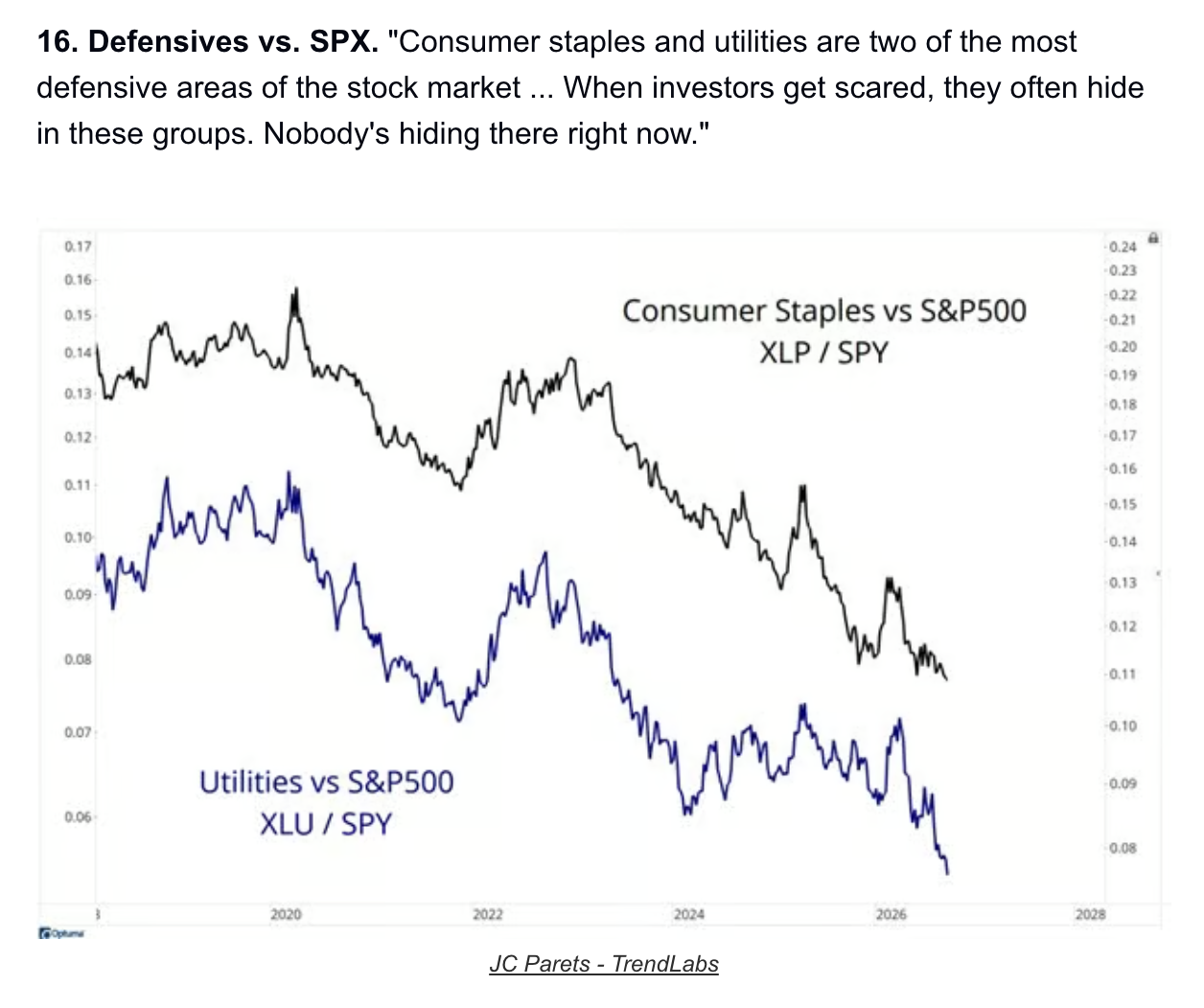
- Sector-Specific Distress: Net new 52-week lows have expanded, though the deterioration remains heavily isolated. Data from Duality Research highlights that 21 of the 28 net new lows registered in late September stemmed strictly from defensive sectors: Utilities, Consumer Staples, and Real Estate.
Macroeconomic Indicators vs. Consumer Sentiment
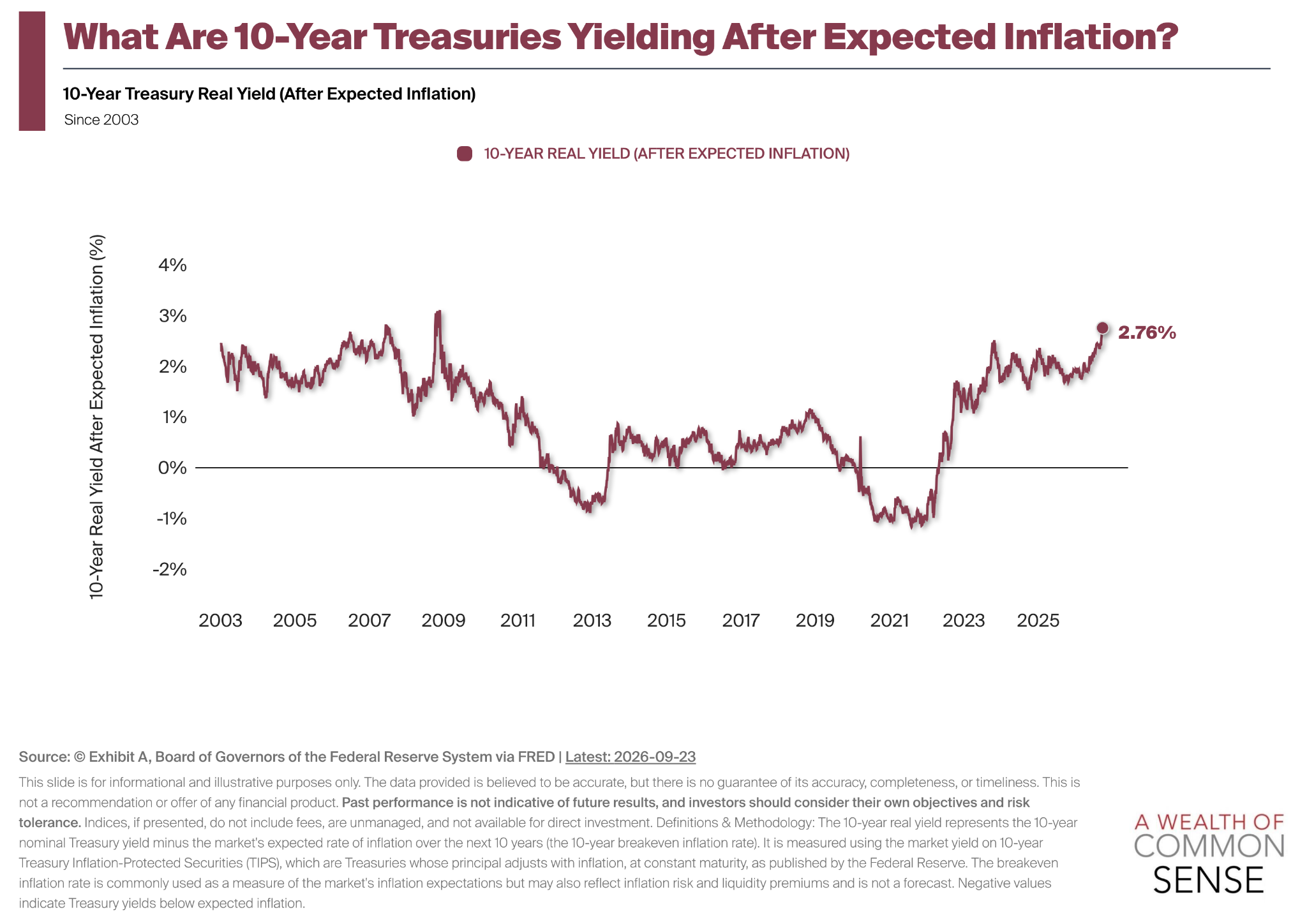
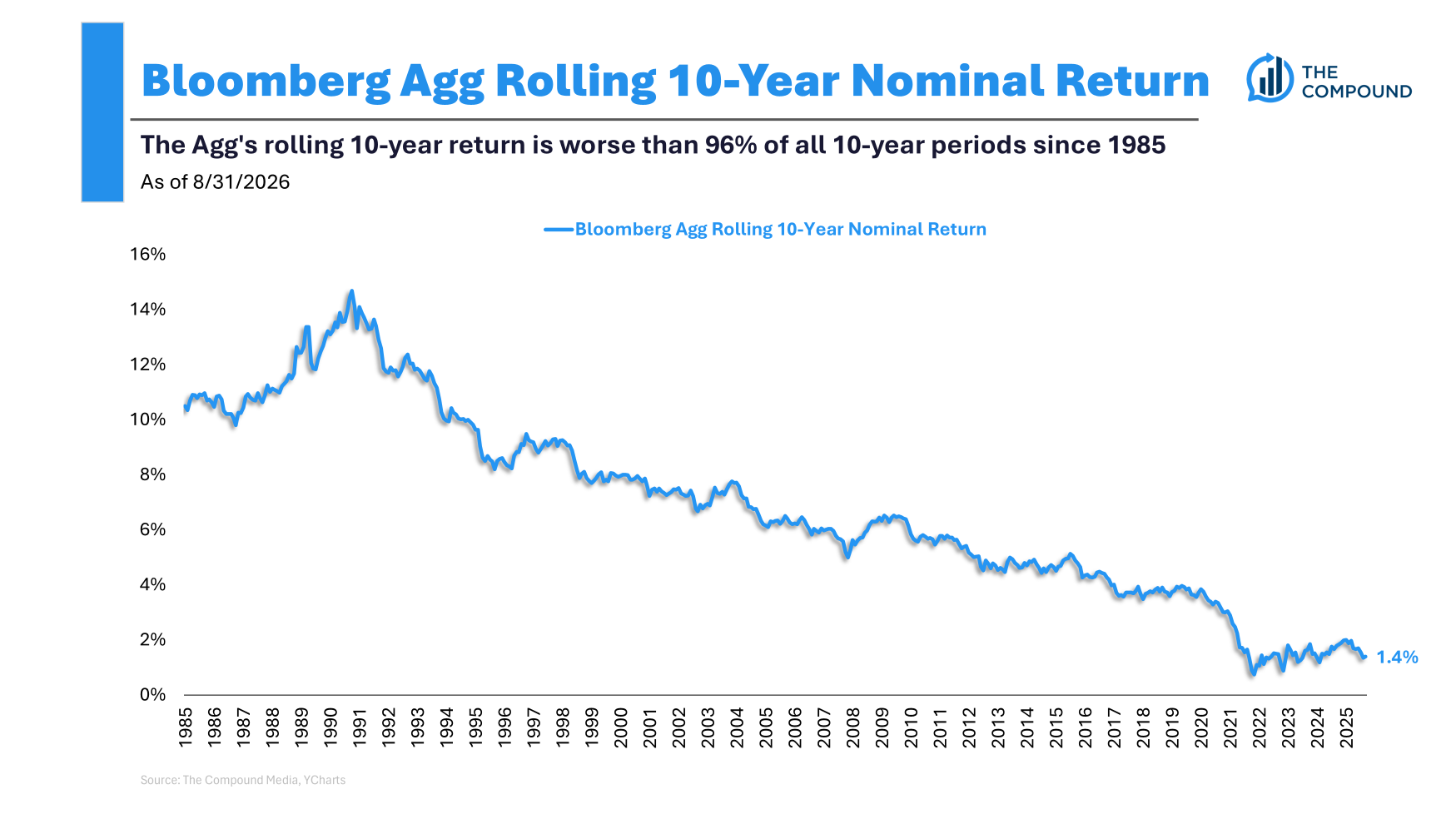
- Borrowing and Lending Costs: Mortgage rates remain elevated at approximately 7%, while 10-year Treasury bond yields hover around 5%, and cash yields sit near 4%.
- Commodities: West Texas Intermediate crude oil trades near $100 per barrel, driving national average gasoline prices toward $5 per gallon.
- Inflation and Labor: Headline inflation prints at 3.4%, paired with a stable 4% unemployment rate.
- Consumer Sentiment: Despite macroeconomic stability and resilient job figures, consumer sentiment remains depressed—a phenomenon driven largely by cumulative price level shocks experienced over the past half-decade.
Household Balance Sheets and Real Estate
- Wealth Effect: Powered by equity appreciation, U.S. household assets surpassed 10 times total liabilities in Q2 2026, providing a substantive buffer for consumer spending.
- Rental Market Normalization: National median rent hit $1,390 in August 2026. This figure aligns almost perfectly with the slow, steady 2.7% annualized growth trajectory established between 2017 and the pre-pandemic era, effectively erasing the abnormal post-2020 spike.
Official Responses and Policy Proposals
As economic pressures continue to squeeze specific demographics—particularly younger generations striving for financial independence—policymakers and institutional leaders have rolled out targeted initiatives:
- Legislative Intervention in Housing: Senator Jeff Merkley formally proposed a federal savings match program designed to assist first-time homebuyers. The proposal features a 5-to-1 federal matching structure for eligible individuals diligently saving for a down payment, aiming to bridge the wealth gap exacerbated by high interest rates.
- Regulatory Evolution in Alternative Markets: Financial platforms are actively pursuing institutional-grade frameworks. Notably, prediction market operators submitted regulatory filings to integrate margin trading capabilities on long-dated contracts, signaling a shift toward more sophisticated financial instruments outside traditional exchanges.
- Private Credit Risk Management: Major alternative asset managers, including Apollo and Morgan Stanley, have maintained strict 5% quarterly redemption caps. This defensive stance protects illiquid underlying assets—such as private corporate debt and real estate holdings—from sudden liquidity runs driven by nervous retail or institutional investors.
Implications for Investors and Consumers
The current economic regime forces market participants to discard one-size-fits-all narratives. Several critical implications emerge from this environment:
1. The Illusion of Uniform Prosperity
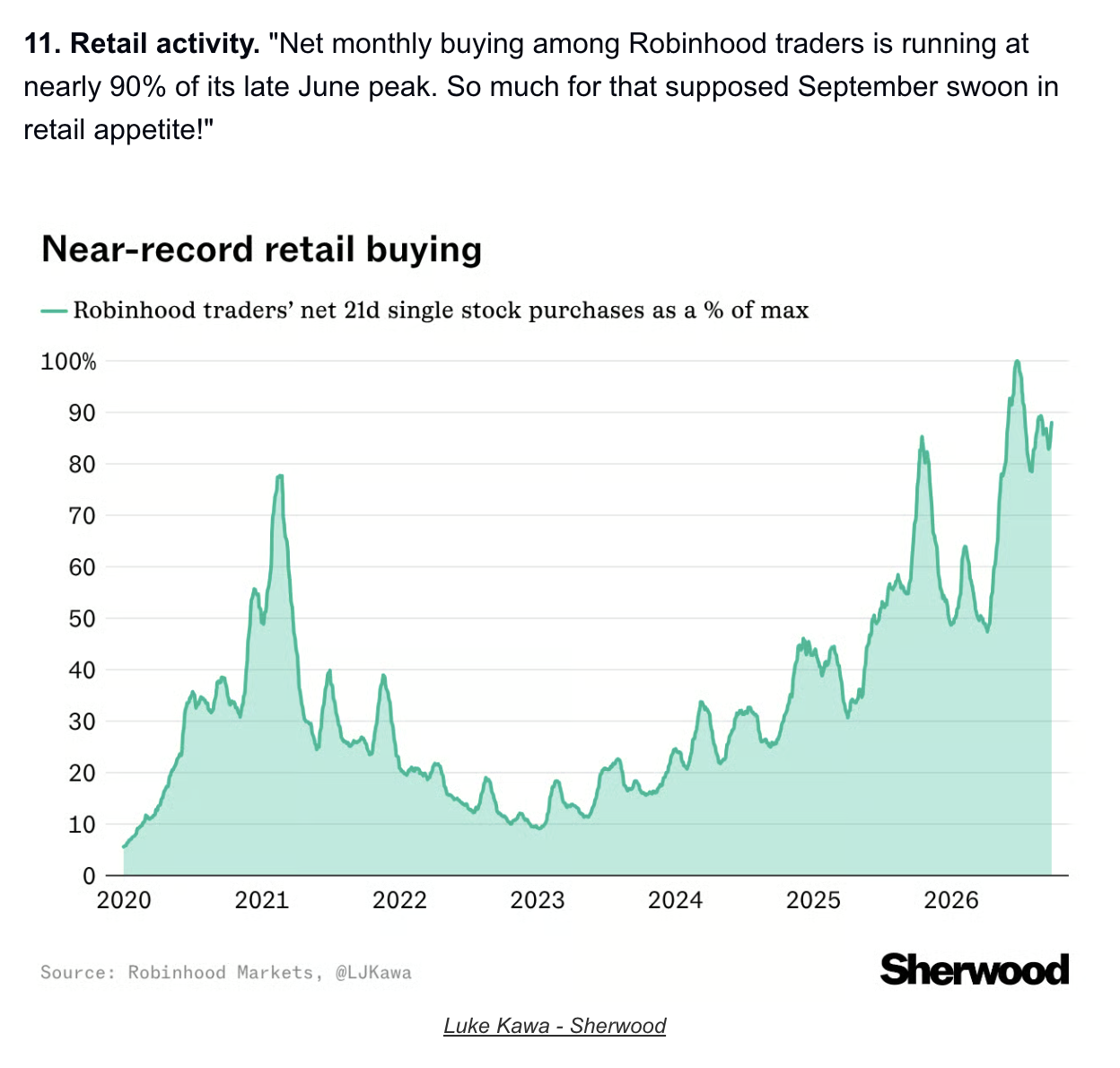
Headline economic indicators can be deeply misleading. While investors heavily exposed to large-cap equities and housing assets are experiencing a powerful wealth effect, wage earners without equity portfolios bear the full brunt of 7% mortgages and $5 gasoline. This divergence explains why consumer sentiment surveys reflect deep pessimism despite a strong labor market and high stock prices.
2. The Resilience of Household Balance Sheets
Even if the equity market experiences a near-term correction, aggregate consumer spending is unlikely to experience an immediate catastrophic collapse. Because household asset-to-liability ratios exceed 10x, Americans possess a structural financial cushion ("dough for a rainy day") that did not exist during previous economic downturns.
3. Sector Rotation and Breadth Risks
The narrowing leadership of the S&P 500—where a minority of stocks drive index highs while defensives like utilities and real estate hit new lows—serves as a cautionary tale for passive index investors. Concentration risk remains high, and investors must be mindful of underlying weakness beneath the market’s smooth surface.
4. Alternative Assets and Liquidity Realities
The recurring redemption caps implemented by private credit funds underscore the inherent illiquidity of private markets. As alternative investments increasingly bleed into retail and institutional portfolios, managing liquidity mismatch remains one of the primary risk-management challenges of the mid-2020s.
Disclaimer: Nothing in this article constitutes investment advice, performance data, or any recommendation that any particular security, portfolio of securities, transaction, or investment strategy is suitable for any specific person. Investing in speculative securities involves the risk of loss.