Market Whiplash: AI Trade Jitters, Inflation Pressures, and High-Beta Pullbacks Dominate Mid-October 2026
Date: October 21, 2026
Author: Nelson
Sponsored by: WisdomTree
Main Facts
The third week of October 2026 has delivered a severe reality check to equity markets, exposing deep fragilities beneath the surface of the ongoing artificial intelligence (AI) boom. While macroeconomic indicators continue to flash hot inflation prints, financial markets have largely decoupled from traditional monetary policy triggers. Instead, investor sentiment is being dictated almost entirely by high-stakes narrative shifts within the tech sector, specifically concerning high-flying AI infrastructure providers and software valuations.
Key developments defining this volatile period include:
- The Tech-Staples Divergence: Consumer Staples ($XLP) achieved their strongest weekly performance relative to Technology ($XLK) in 24 years, signaling a dramatic flight to safety among institutional investors.
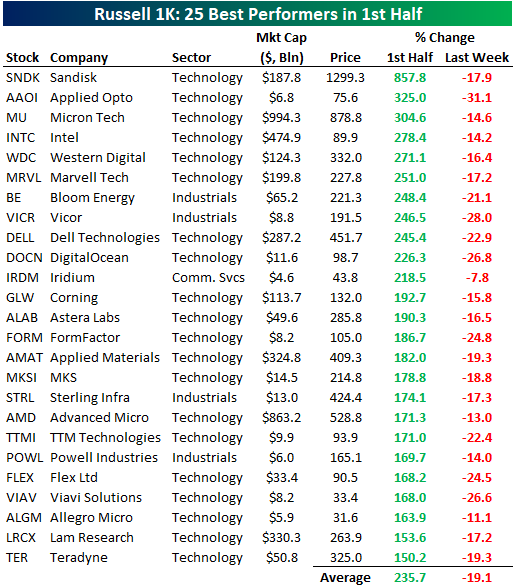
- Small and Mid-Cap Carnage: The 25 best-performing stocks in the Russell 1000 index during the first half of 2026 suffered an average drawdown of 19.1% in a single week.
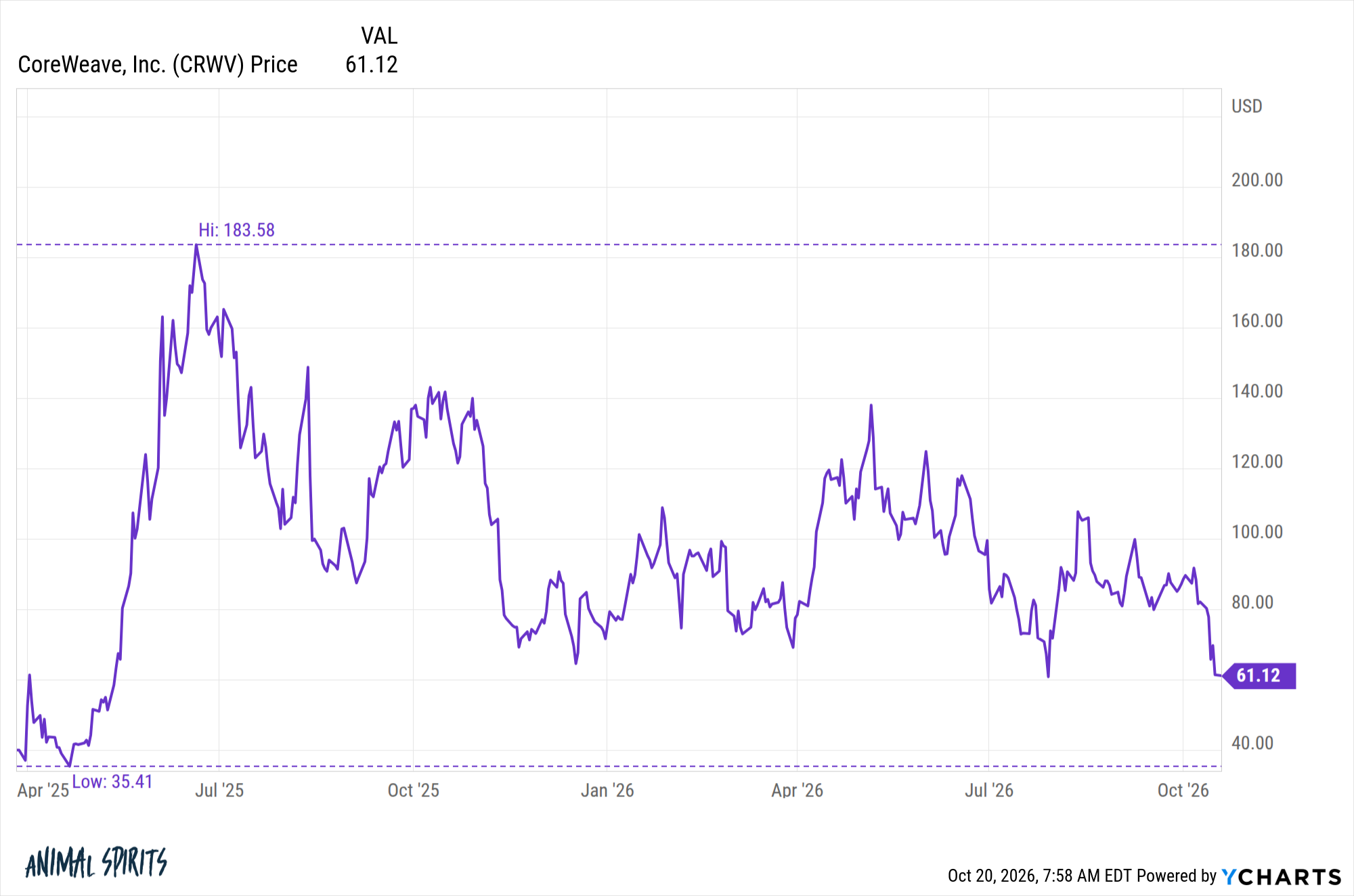
- Retail Resilience vs. Institutional Flight: Amid a sharp correction in neocloud provider CoreWeave ($CRWV), retail investors aggressively "backed up the truck," setting a record five-day net purchase streak on Robinhood.
- Index Discrepancies: An equal-weight version of the Nasdaq 100 ($NDXE) lagged the S&P 500 Equal Weight Index ($SPW) by nearly 4.5 percentage points over a five-session span—its worst weekly relative performance since November 2020.
Chronology of Events
The turbulence of mid-October unfolded across a fast-paced sequence of macro data releases and sudden sector rotations:
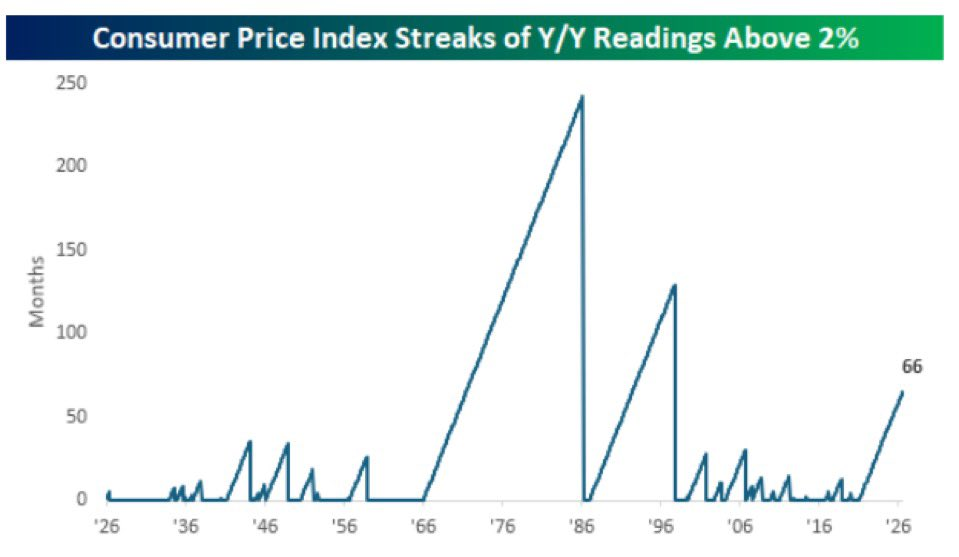
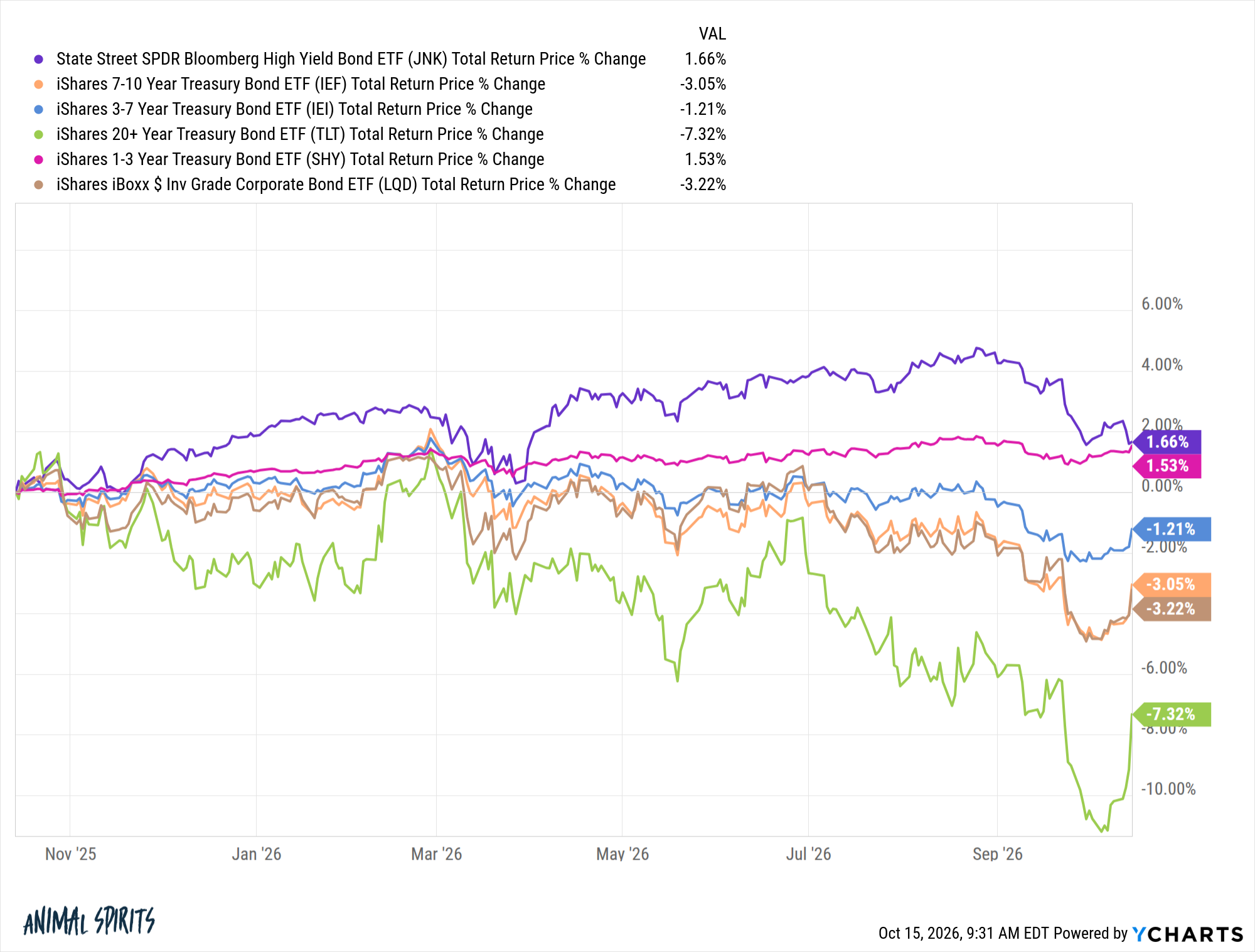
- Mid-October Inflation Prints: The U.S. economy recorded its second consecutive hot inflation print. Historically, consecutive high inflation reports would trigger aggressive bond market sell-offs and rising Treasury yields. However, rate markets behaved counter-intuitively, sliding lower as traders shrugged off macroeconomic fundamentals in favor of micro-level tech catalysts.
- Mid-Week Tech Revaluation (October 15–16): Sentiment soured mid-week following emerging jitters regarding Anthropic’s revenue numbers and monetization metrics. Bloomberg data revealed that the equal-weight Nasdaq 100 underperformed the S&P 500 Equal Weight Index by 4.5 percentage points—a statistical anomaly not witnessed since the height of the 2020 pandemic recovery. Concurrently, Mike Zaccardi noted that Consumer Staples outperformed Technology by margins not seen in nearly a quarter of a century.
- The Russell 1000 Momentum Reversal (October 19): Bespoke Investment Group published startling data showing that the top 25 performers of the Russell 1000 from the first half of 2026 plummeted by an average of 19.1% in a single week. Notably, the best-performing stock of that elite group, Iridium Communications ($IRDM), still suffered a 7.8% drop.
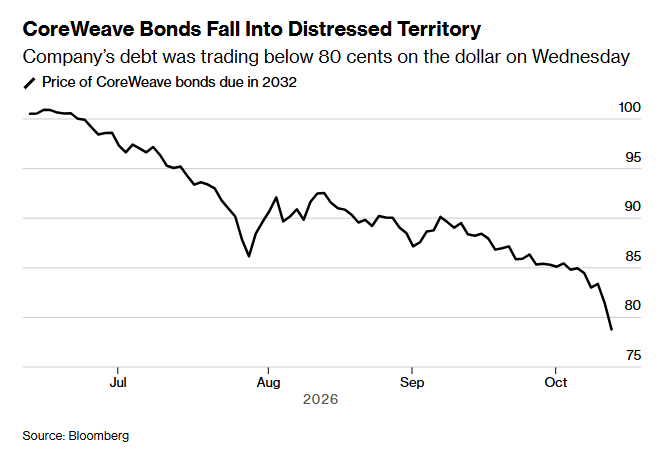
- Retail Buying Frenzy (October 19): As neocloud infrastructure provider CoreWeave ($CRWV) saw its share price crater, retail trading desks on platforms like Robinhood registered record inflows, setting a five-day net purchase record as everyday investors attempted to buy the dip.
- Corporate and Cultural Flashpoints (October 19): Public discourse expanded beyond Wall Street into consumer and corporate grievances. SpaceX CEO Elon Musk made headlines by teasing a future share distribution model for American youth, while viral social media commentary highlighted the escalating costs of elite corporate status—such as United Airlines raising elite Premier 1K status requirements to $32,000 in annual spend, up from $10,000–$15,000 between 2014 and 2022.
Supporting Data & Market Metrics
The scale of the October correction is thoroughly captured by quantitative breakdowns across multiple asset classes:
1. Macro vs. Micro Disconnect
As highlighted by Bloomberg’s Joe Weisenthal, consecutive hot inflation prints failed to drive interest rates higher. The market’s fixation on AI ecosystem revenues—such as Anthropic’s financial trajectory—overshadowed traditional government data points.
2. The Great Momentum Unwind
- Russell 1000 Leaders: Average loss of 19.1% for the top 25 first-half winners in a single week.
- Best Performer: Iridium ($IRDM) fell 7.8%, proving that even defensive or specialized tech-adjacent infrastructure plays could not escape the contagion.
- Nasdaq 100 Equal Weight ($NDXE) vs. S&P 500 Equal Weight ($SPW): A 4.5 percentage point lag over five sessions, marking the widest performance spread since November 2020.
3. Flight to Safety vs. Speculative Greed
- Sector Rotation: The ratio of $XLP (Consumer Staples) to $XLK (Technology) marked the most aggressive defensive rotation in 24 years.
- Retail Inflows: CoreWeave ($CRWV) experienced record five-day net purchases on Robinhood despite a dramatic corporate valuation crater.
4. Consumer Inflation in Lifestyle and Travel
- United Airlines Loyalty Threshold: Reaching Premier 1K status now demands $32,000 in annual spending—more than double the historical requirement of $10,000–$15,000 maintained from 2014 through 2022.
- The "NYC Wealth Trap": Financial restructuring commentary pointed out structural urban wealth anxieties, noting that a mid-30s professional with a $4 million net worth compounding at a rate of only $300,000 to $400,000 per year faces a delayed timeline to reach a low eight-figure retirement threshold.
Official Responses and Expert Commentary
Market analysts, financial commentators, and corporate leaders have offered stark interpretations of the October market dynamics:
- Joe Weisenthal (Bloomberg): Emphasized the shifting psychological drivers of institutional capital, noting: "We’ve had two hot inflation prints in a row, and yet rates have been sliding. The entire market is all about the AI trade, and the recent jitters about Anthropic’s revenue numbers matter way more than some random government datapoint right now."
- Luke Kawa (Financial Journalist): Highlighted the bifurcation between institutional risk-off behavior and retail risk appetite, pointing to record-breaking neocloud accumulation on Robinhood during the CoreWeave sell-off.
- Jessica Menton (Bloomberg): Quantified the systemic breadth of the tech pullback, underscoring the historic divergence between equal-weight technology indices and broader equal-weight benchmarks.
- Mike Zaccardi (CFA, CMT): Noted the historic scale of the defensive rotation, framing the Staples-over-Tech surge as a once-in-a-generation defensive posture.
- Elon Musk (SpaceX): Addressed future equity distribution paradigms via social media, stating: "Next year, I will give one of my SpaceX shares to every kid in America. This will be the first of many."
Implications
The events of mid-October 2026 carry profound implications for institutional portfolio managers, retail traders, and macroeconomic forecasters alike:
1. The Vulnerability of Consensus Trades
The sharp 19.1% weekly drop across the Russell 1000’s top-performing momentum stocks demonstrates the danger of overcrowded trades. When market leadership is concentrated in a handful of high-growth technology and AI-adjacent equities, any negative fundamental whisper—such as revenue normalization at foundational AI labs like Anthropic—can trigger systemic liquidations across unrelated growth assets.
2. Disconnect Between Main Street Inflation and Wall Street Behavior
The traditional playbook dictating that "hot inflation equals higher yields and falling equity valuations" has broken down. Equity markets are no longer primarily driven by discount rate calculations governed by Federal Reserve policy, but rather by earnings growth expectations tied to the technological revolution. However, this creates a dangerous blind spot; if inflation remains persistently high while tech growth stumbles, markets could face a dual-pressure environment where neither growth nor defensive valuations offer safe harbor.
3. Retail Investors as Liquidity Providers of Last Resort
The aggressive dip-buying observed in beaten-down speculative assets like CoreWeave ($CRWV) illustrates that retail investors continue to act as a stabilizing—albeit high-risk—counterweight to institutional selling. While retail resilience prevented complete liquidation cascades in certain neocloud names, it also highlights an ongoing behavioral divergence where everyday traders view high-beta crashes as generational buying opportunities, whereas institutional allocators are aggressively reducing duration and tech exposure in favor of consumer staples.
4. Structural Shifts in Consumer Economics
Beyond traditional equities, the rising costs embedded in corporate loyalty programs (such as United’s $32,000 status threshold) and urban wealth accumulation pressures reflect a broader economic reality: the cost of maintaining elite consumer and professional status continues to inflate at a rate far outpacing standard consumer price indices.
Disclaimer: Nothing in this report constitutes investment advice, performance data, or any recommendation that any particular security, portfolio of securities, transaction, or investment strategy is suitable for any specific person. Investing in speculative securities involves the risk of loss.