Market Surprises, Earnings Explosions, and the Macro Landscape: Insights from the September 2026 Financial Debrief

Date: September 9, 2026
Author: Ben Carlson (Adapted for Financial Journalism Review)
Sponsored By: CME Group & Calamos Investments
Main Facts
As the financial markets navigate the final months of 2026, investors are facing an unusual paradox of surging corporate profitability paired with underlying macroeconomic anxieties. According to recent market analysis highlighted in the latest edition of Animal Spirits—hosted by Ben Carlson and brought to you by CME Group—the second-quarter earnings season delivered historic surprises that drastically outpaced early-year forecasts.

At the start of the year, consensus estimates projected a respectable 14.9% growth rate for S&P 500 earnings in the second quarter. However, as actual reports rolled in, the blended growth rate skyrocketed to an astonishing 53%. This massive upward revision underscores a resilient corporate America defying persistent interest rate pressures and shifting global supply chains. Yet, despite these staggering financial metrics, market participants remain cautious, balancing stellar balance sheets against broader valuation concerns, changing monetary policy expectations, and shifting consumer sentiment indices.

Chronology
The trajectory leading up to this September 2026 market update has been defined by rapid recalibrations in investor expectations:
- Early January 2026: Wall Street analysts initiate forecasts for the upcoming year, predicting a cooling yet positive macro environment. Second-quarter S&P 500 earnings growth is conservatively pegged at a modest +14.9%, accounting for tightening financial conditions.
- Q1 to Mid-Q2 2026: Corporations navigate persistent headwinds, including fluctuating inflation prints and recalibrated central bank rate cuts. Market strategists maintain cautious stances, warning clients of potential earnings contractions in cyclical sectors.
- Late August 2026: As reporting for the second quarter concludes, data aggregators reveal a massive divergence from initial projections. Analysts note that the blended S&P 500 earnings growth rate has vaulted to +53%, driven by outperformance in technology, select consumer discretionary segments, and optimized corporate efficiencies.
- Early September 2026 (September 5–8): Market commentators review a slew of new economic charts, labor metrics, and sector-specific data. Discussions center on whether this earnings explosion can sustain elevated equity valuations heading into the fourth quarter.
- September 9, 2026: The official Animal Spirits release synthesizes these monumental shifts, offering comprehensive market charts, social sentiment tracking, and a holistic look at the intersection of quantitative data and investor psychology.
Supporting Data
The quantitative narrative of late 2026 is vividly illustrated through a series of key economic indicators, earnings revisions, and market charts:
The Earnings Surge
The most striking data point of the current reporting cycle is the leap in S&P 500 profitability.
- Initial Forecast: +14.9% (January 2026)
- Final Blended Growth Rate: +53% (August 2026)
This unprecedented delta points to either extreme conservatism in early analyst estimates or a sudden, dramatic expansion in profit margins among mega-cap and foundational index components.
Comprehensive Market Metrics
Recent data visualizations and charts published in the September 2026 debrief highlight critical cross-currents in the global economy:
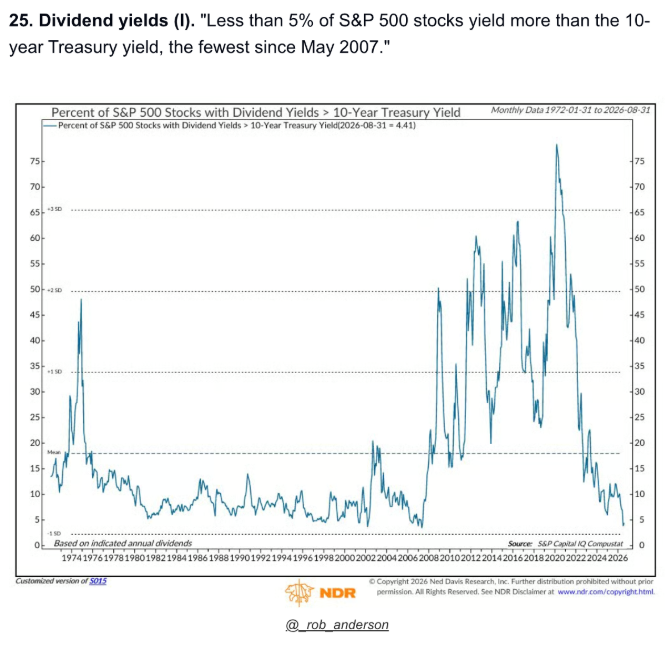
- Equity Valuation Multiples: Price-to-earnings (P/E) ratios remain elevated compared to historical long-term averages, raising questions about future expected returns.
- Interest Rate Sensitivities: Yield curve adjustments continue to impact real estate, regional banking, and corporate debt refinancing schedules.
- Consumer Health Indicators: Discretionary spending metrics show a bifurcated consumer base, where high-income brackets maintain robust purchasing power while lower-income demographics feel the cumulative pinch of prior inflation cycles.
- Commodity and Alternative Asset Flows: Trading volumes across derivatives and hedging products—supported by market infrastructure providers like CME Group—reflect heightened demand for risk-mitigation strategies.
Official Responses and Industry Commentary
While media commentary and financial podcasts operate independently of traditional corporate or regulatory PR channels, the institutional perspective on these market dynamics is clear.
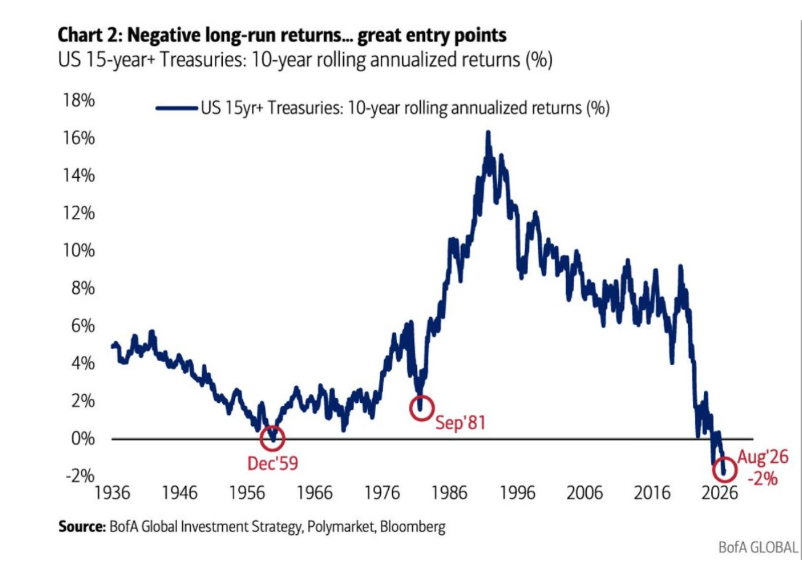
Market makers, institutional strategists, and wealth management firms emphasize that while a 53% earnings growth print is headline-grabbing, investors must look beneath the surface index level. Concentration risk remains a primary topic of discussion. A substantial portion of the earnings strength continues to emanate from a handful of dominant market leaders, meaning broader market participation requires careful stock selection and sector diversification.
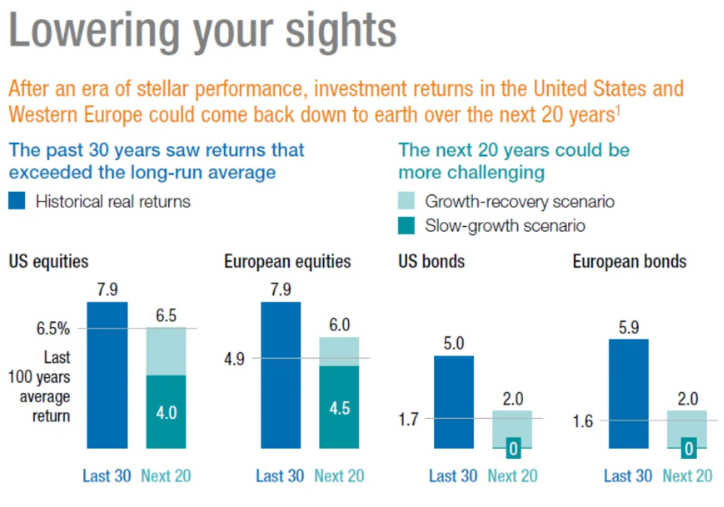
Furthermore, sponsors such as CME Group and Calamos Investments continue to emphasize the necessity of robust risk management. In an environment defined by rapid economic surprises—where macro predictions can miss the mark by nearly 40 percentage points—the implementation of active hedging strategies and diversified asset allocation has become a cornerstone of modern portfolio construction.
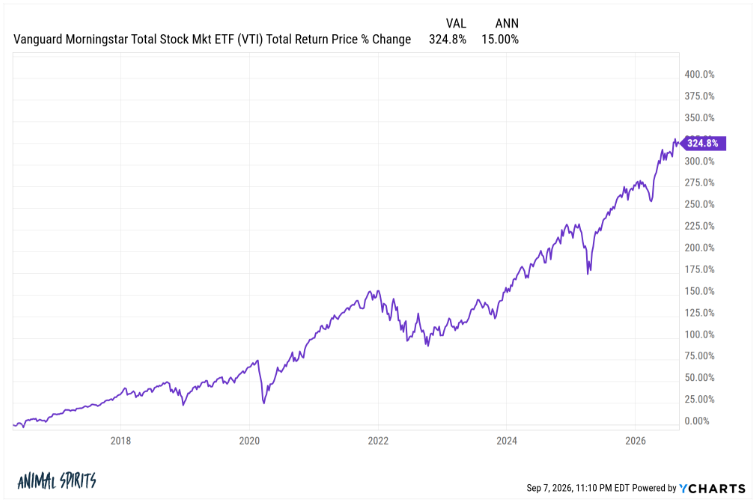
Implications
What do these developments mean for the everyday investor, financial advisor, and institutional strategist as 2026 progresses into its final quarter?
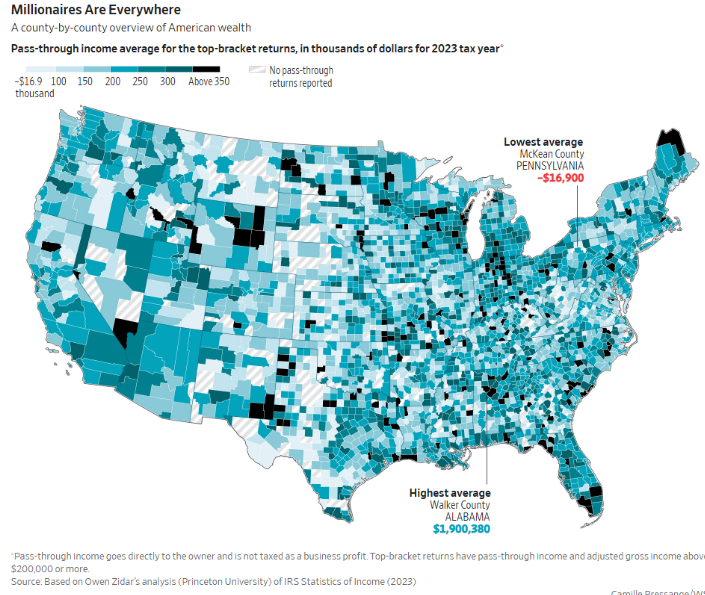
1. Re-evaluating Earnings Quality
A +53% earnings growth rate forces analysts to question whether this represents a structural shift in corporate profitability (perhaps driven by efficiency gains, automation, and artificial intelligence integration) or a cyclical peak. If margins remain structurally higher, current equity valuations may be more justifiable than bears suggest. However, if this represents an isolated peak, future comparisons will face difficult year-over-year hurdles.
2. The Danger of Relying on Macro Forecasts
The massive gulf between January’s +14.9% estimate and August’s actual +53% outcome serves as a stark reminder of the limitations of macroeconomic forecasting. Trying to time the market or position a portfolio based strictly on consensus growth predictions is fraught with peril. A disciplined, long-term approach that accounts for a wide range of potential outcomes remains the most prudent path forward.
3. Heightened Importance of Risk Management
With valuations elevated and earnings surprising to the upside, volatility can materialize swiftly on any hint of a macroeconomic disappointment. The growing popularity of active hedged equity strategies—such as those highlighted by market participants—demonstrates that investors are actively seeking ways to participate in upside momentum while insulating their portfolios against sharp, unexpected drawdowns.
4. Cultural and Behavioral Finance
Beyond the numbers, the financial community continues to balance intense market scrutiny with personal balance. As highlighted in recent lighter moments among market commentators—ranging from successful outdoor pursuits like Lake Michigan salmon fishing to navigating digital commentary spaces—maintaining emotional equilibrium is just as vital to financial success as analyzing balance sheets and income statements.
Disclaimer: Nothing in this article constitutes investment advice, performance data, or any recommendation that any particular security, portfolio of securities, transaction, or investment strategy is suitable for any specific person. Investing in speculative securities involves the risk of loss. Always consult with a qualified financial advisor before making any investment decisions.