Global Trade Under Pressure: U.S. Imposes New Forced Labor Tariffs on 60 Nations
By [Journalist Name/Agency]
Updated: July 23, 2026
The global trade landscape faces a significant structural shift this week as the United States prepares to implement a new series of tariffs on imports from 60 major trading partners. The move, centered on allegations regarding the failure to enforce forced labor bans, arrives at a critical juncture as the U.S. transitions away from a temporary, broad-based duty that expires this Friday.
Main Facts: The New Tariff Regime
Effective Friday, July 24, 2026, the Office of the United States Trade Representative (USTR) will officially initiate a new round of Section 301 tariffs. These levies, which range from 10% to 12.5%, target 60 countries deemed by the Trump administration to have inadequate enforcement mechanisms against the use of forced labor in their supply chains.
Key details of the implementation include:
- Broad Scope: The tariffs are designed to be expansive, with USTR fact sheets indicating that the affected goods represent roughly 99.4% of current U.S. imports.
- The "Net of MFN" Provision: A critical technical nuance in the filing allows for the tariff to be calculated "net of Most-Favored Nation (MFN) duties." This means the total duty burden for nations like the European Union, Japan, and South Korea will generally be capped at the 10% or 12.5% threshold, preventing "double-dipping" that would otherwise cause total tariffs to balloon beyond the intended rate.
- Transition Period: To prevent immediate logistical gridlock at ports, the USTR has provided a narrow buffer: goods already loaded onto a vessel prior to Friday and entered for consumption before July 28 will remain exempt from the new charges.
Chronology: A Rapid Escalation
The road to these new levies has been marked by rapid-fire legal and political maneuvers throughout 2026:
- Early 2026: Following a Supreme Court ruling that invalidated previous emergency-power-based tariffs, the administration implemented a temporary 10% global tariff under Section 122 to stabilize domestic trade policy.
- March 2026: The USTR formally launched a Section 301 investigation into the forced labor regulations of global trading partners, citing a growing consensus that international supply chains remained tainted by unethical labor practices.
- June 2026: U.S. Trade Representative Jamieson Greer officially proposed the current tariff framework, citing the failure of the 60 identified nations to effectively police their exports.
- July 2026 (Pre-Friday): The administration finalized the list of countries and specific product exemptions. Simultaneously, the U.S. moved to impose separate, targeted levies on Canada and Brazil, adding layers of complexity to the global trade map.
- Friday, July 24, 2026: The expiration of the Section 122 "stop-gap" tariffs coincides with the activation of the new, more permanent Section 301 forced-labor-related duties.
Supporting Data and Exclusions
While the tariffs are sweeping in their reach, the USTR has acknowledged the need for economic pragmatism by carving out specific exclusions. Agricultural goods, which are often sensitive to consumer price inflation, remain largely shielded. Furthermore, products already subject to existing Section 232 duties—specifically steel and aluminum—are exempt from these new forced-labor levies to avoid overlapping trade penalties.
Country-specific nuances also emerge within the fine print. For instance, the administration has granted selective exemptions for certain textile exports from Malaysia and specialized whiskey products from the United Kingdom, suggesting a diplomatic effort to balance trade enforcement with the realities of international commercial reliance.
Implications: A Fundamental Change in Calculation
Industry analysts are closely scrutinizing the "net of MFN" clause, which many believe could rewrite the standard operating procedure for global trade compliance.

"Those three words—’net of MFN’—may end up being the biggest story in the entire announcement," noted Pete Mento, director of global trade advisory services at Baker Tilly. "If it works the way it appears, this isn’t simply another tariff stacked on top of existing duties. It could fundamentally change how the Section 301 duty is calculated for those products."
For CFOs and supply chain managers, the challenge lies in the rapid recalculation of landed costs. If the tariff is applied as a "net" calculation, companies must adjust their internal accounting systems to ensure they are not overpaying or underpaying based on their MFN status.
Moreover, the interaction between these new tariffs and the recently announced levies on Canada and Brazil remains a point of significant ambiguity. Businesses operating in North America are currently struggling to determine how these overlapping policies will impact the United States-Mexico-Canada Agreement (USMCA) frameworks, potentially creating a "tariff layering" effect that the USTR has yet to fully clarify.
Official Responses and the "Forced Labor" Narrative
The administration’s rationale remains rooted in the concept of moral and legal enforcement. In a fact sheet released alongside the Federal Register filing, the USTR emphasized that "despite longstanding international consensus that this practice must be eliminated, the prevalence of forced labor persists worldwide and has even escalated in recent years."

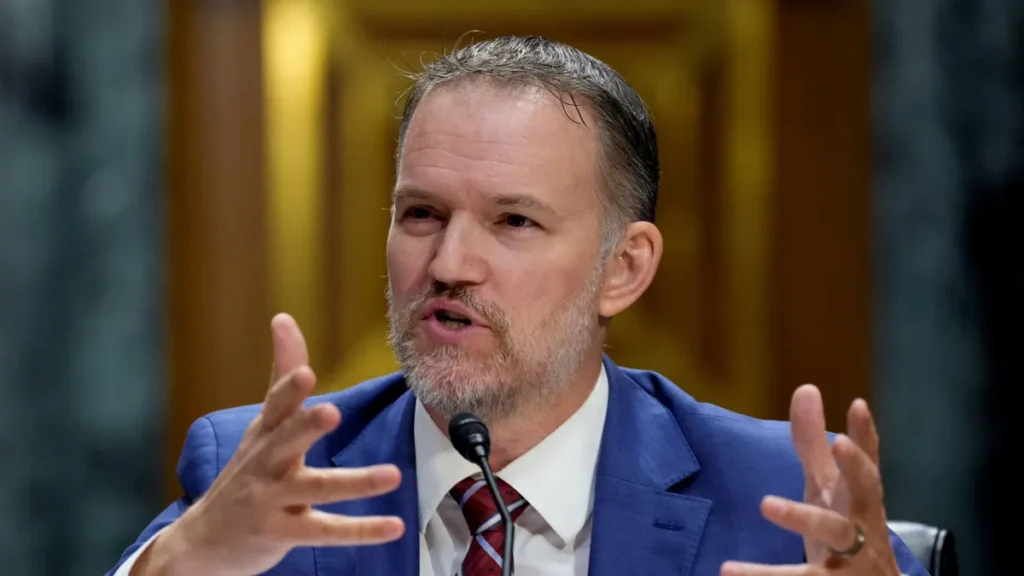
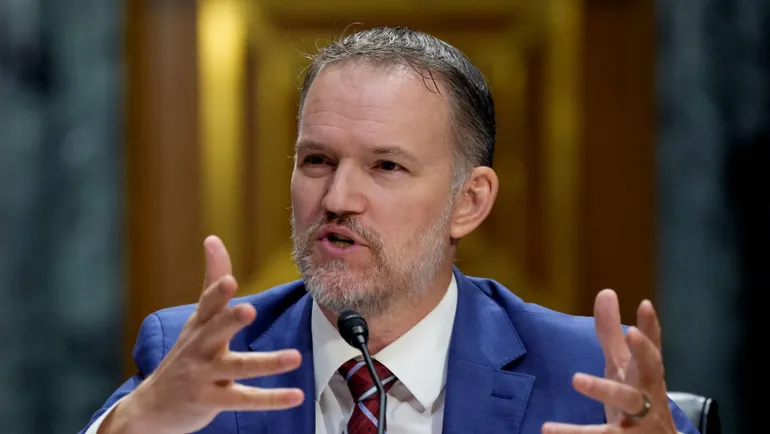
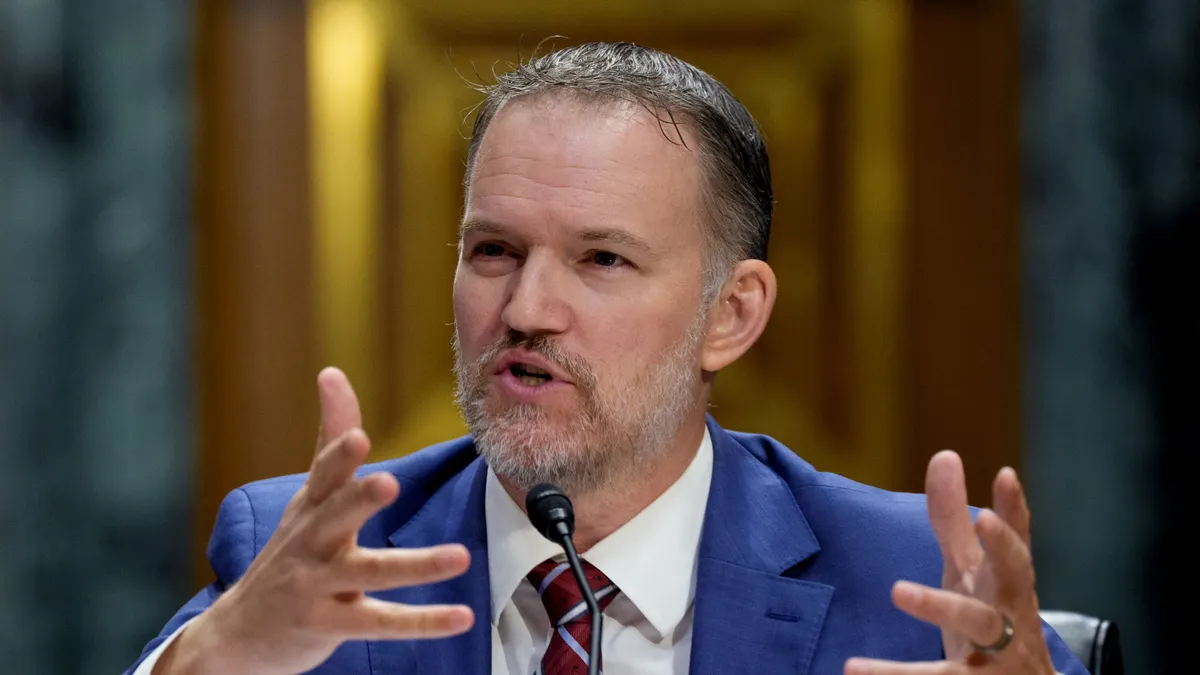
USTR Jamieson Greer, testifying before the Senate Finance Committee on July 22, reiterated that the tariffs are not merely revenue-generating tools but are intended to force a behavioral change in trading partners. By leveraging the sheer size of the U.S. market, the administration aims to mandate stricter environmental, social, and governance (ESG) standards across the global manufacturing sector.
However, critics argue that the move is protectionism disguised as human rights advocacy. International trade bodies have voiced concerns that such broad-based tariffs will exacerbate inflation, as importers are forced to pass the cost of the duties onto American consumers.
Looking Ahead: What’s Next?
The current situation is unlikely to remain static. The U.S. is currently conducting a separate Section 301 probe into global manufacturing production capacity, the findings of which are expected in the coming months. If that investigation mirrors the aggressive stance taken in the forced labor probe, importers could face a secondary wave of duties before the end of the year.
Furthermore, the expiration of the Section 122 tariffs creates a "cliff" for importers who had relied on the previous, simpler tariff structure. Companies that do not pivot quickly to the new compliance requirements face not only increased costs but potential regulatory penalties for misclassification.
As the markets react to the Friday implementation, the business community is bracing for a period of heightened volatility. Supply chain leaders are shifting their focus toward "near-shoring" or diversifying their sourcing strategies to minimize exposure to countries caught in the U.S. enforcement crosshairs. For now, the message from Washington is clear: the era of "business as usual" in international trade has come to an end, replaced by a complex, enforcement-heavy regime that prioritizes policy alignment over traditional tariff-free trade.
Key Terms for Compliance Officers:
- Section 301: The authority used by the USTR to impose tariffs in response to "unjustifiable or unreasonable" trade practices.
- MFN (Most-Favored Nation): A status granted to trade partners ensuring they receive the best trade terms offered by the partner country.
- Net-of-MFN: A calculation method where the new tariff rate is adjusted to ensure the cumulative duty does not exceed a set percentage relative to the baseline MFN rate.