Bridging the Wedding Gap: David’s Bridal Launches AI-Powered ‘Pearl Connect’ to Revolutionize Event Logistics
The wedding industry, a multi-billion-dollar juggernaut, has long been characterized by a paradox: while it is built on the promise of seamless, dream-like experiences for couples, the actual process of organizing that day is often a chaotic, fragmented nightmare. For the modern bride, planning a wedding frequently feels like a second, unpaid full-time job—one involving endless cycles of repeating budget constraints, venue requirements, and stylistic preferences to a revolving door of florists, photographers, caterers, and planners.
On Wednesday, September 16, retail giant David’s Bridal announced a definitive step toward solving this systemic fragmentation with the launch of "Pearl Connect." This artificial intelligence-powered platform is designed to serve as the missing link between the company’s existing consumer-facing app, Pearl Planner, and the local vendors who bring the event to life. By integrating the consumer’s planning journey with a professional management suite for vendors, David’s Bridal is positioning itself to become the central nervous system of the wedding industry.
The Core Problem: A Disconnected Commerce Ecosystem
At the heart of the issue is a profound technological divide. While brides are increasingly digital-native, the small businesses that serve them—florists, photographers, and independent caterers—often operate in a state of digital inertia. Inquiries from prospective clients arrive in a haphazard stream of emails, text messages, social media direct messages, and website contact forms.
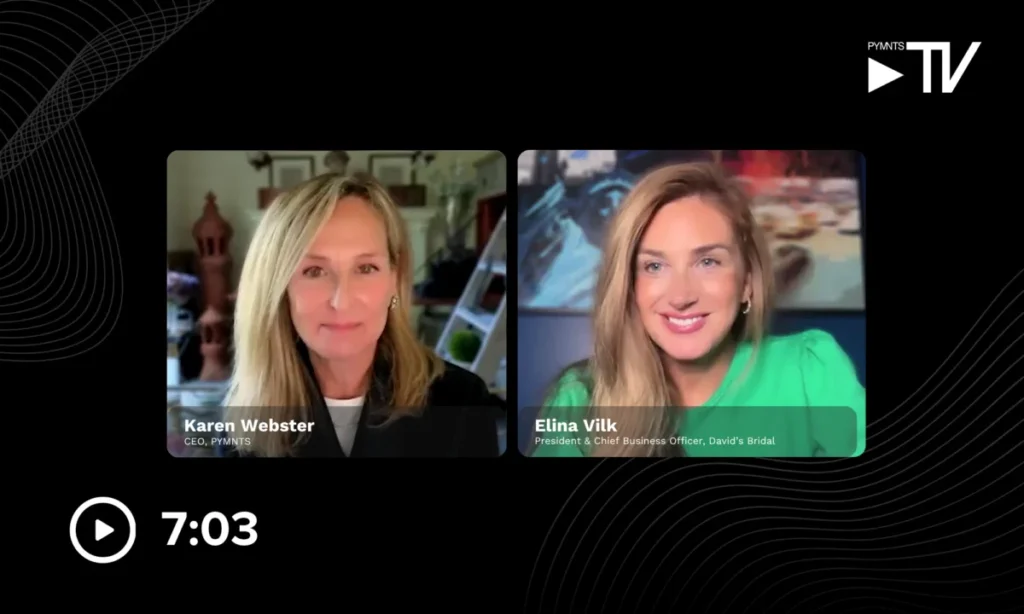
For the small business owner, this is not just an organizational hurdle; it is a revenue-killer. Many of these businesses are "passion-led" operations where the owner is simultaneously the creative director, the salesperson, the scheduler, and the customer service representative. As Elina Vilk, President and Chief Business Officer of David’s Bridal, noted during an interview with PYMNTS CEO Karen Webster, these entrepreneurs entered the industry because they love their craft—whether it’s arranging flowers or capturing moments—not because they want to spend their days managing complex CRM software or lead-qualification workflows.
"You are a florist. You love flowers. You go into the business because you love flowers," Vilk explained. When faced with the administrative burden of managing leads and customer communication, many of these small business owners become overwhelmed, leading to slow response times or missed opportunities. Pearl Connect seeks to alleviate this by funneling all communications into a single, AI-driven hub that organizes leads, flags high-priority conversations, and even drafts suggested responses.
Chronology of a Digital Transformation
The launch of Pearl Connect did not happen in a vacuum. It represents the culmination of a multi-year strategy by David’s Bridal to evolve from a traditional retail chain into a holistic wedding ecosystem.
- Pre-2023: David’s Bridal establishes a local business directory, allowing vendors to list themselves on the company’s website. While this increased visibility, it did little to solve the friction of lead management.
- 2024: Development of "Pearl Planner," the consumer-facing app designed to help brides organize their timelines, budgets, and guest lists.
- Early 2025: Beta testing of Pearl Connect begins with a select group of local vendors. During this phase, vendors reported receiving hundreds of disorganized emails per week, with no clear way to distinguish between serious leads and casual inquiries.
- September 16, 2026: Official public launch of Pearl Connect. The platform is unveiled as a two-sided marketplace designed to synchronize the bride’s intent with the vendor’s execution capacity.
Supporting Data and Market Dynamics: The "Tale of Two Brides"
The impetus for this platform is driven by shifting consumer behavior. Vilk describes a "tale of two brides" that dictates the current market landscape. On one end of the spectrum, couples are extending their engagement periods from 18 months to 24 months or more, a strategic move to save enough money to afford their "dream wedding" in an inflationary environment. On the other end, couples are opting for "micro-weddings" or backyard ceremonies to cut costs.
Despite these disparate approaches to budgeting, one commonality remains: the non-negotiable demand for individuality. Couples are no longer satisfied with cookie-cutter packages. They want highly personalized services that reflect their specific aesthetic and values. This puts immense pressure on vendors to be more than just service providers; they must be consultants.
To facilitate this, Pearl Connect captures contextual data from the bride’s journey—such as location, date, budget, and stylistic preferences—and transmits this information to the vendor. As Karen Webster noted, this is not merely a "lead"; it is a "contextual, personalized lead" that allows a vendor to know exactly what the couple needs before they even pick up the phone.
Official Responses and Platform Mechanics
David’s Bridal has structured Pearl Connect to be accessible to businesses of all sizes while maintaining a high standard of quality.
Features of the Platform:
- Unified Communications Hub: Centralizes all inquiries from various channels into one dashboard.
- AI-Driven Management: The platform uses AI to categorize messages (e.g., pricing vs. scheduling), flag urgent communications, and draft replies, saving hours of administrative work.
- Operational Synchronization: It integrates directly with calendars, allowing customers to book consultations based on real-time availability.
- Verification: To ensure trust, participating vendors must verify their business status, including submitting business licenses. Future updates will include integrated review systems to build social proof.
The Business Model:
David’s Bridal has opted for a subscription model rather than a per-lead fee. "We couldn’t solve the problem from just the bride side," Vilk stated, emphasizing that the company had to create value for the vendor as well. Subscription tiers are priced at $49 and $119 per month, with a free entry-level option available. By avoiding a per-lead fee, the company avoids the volatility associated with seasonal wedding demand, providing vendors with a predictable overhead cost.
Implications: A Potential "Operating System" for Small Business
The most significant implication of Pearl Connect lies in its potential to expand beyond the wedding industry. Many of the florists, photographers, and caterers on the platform are not exclusive to weddings. A florist may handle corporate events; a photographer may specialize in portraiture.
During their discussion, Webster raised the possibility of Pearl Connect evolving into an "operating system" for the entire small-business sector. If a platform can successfully manage the complexities of a wedding—arguably one of the most high-stakes, multi-vendor events in a consumer’s life—it is uniquely positioned to handle almost any other service-based business model.
Vilk acknowledged this trajectory, viewing it as a logical evolution. "I see this as a much broader platform than for weddings," she admitted. While the current focus remains on perfecting the bridal experience, the technological foundation being laid is one that could eventually support a wider array of local service providers, helping them digitize their operations, professionalize their client interactions, and scale their businesses without sacrificing the human touch that defines their work.
Challenges to Adoption: The Road Ahead
Despite the clear benefits, the path to widespread adoption faces challenges. The primary hurdle is "local density." A national platform is only as useful as the number of vendors available in a specific zip code. If a bride cannot find a sufficient selection of local florists or venues within the app, the utility of the platform drops significantly.
To overcome this, David’s Bridal is leveraging its existing retail footprint to drive adoption. By utilizing in-store promotions, free trials, and hands-on demonstrations, they are working to bridge the "tech-reluctance" often found in small business owners who are wary of investing in new systems without guaranteed ROI.
Furthermore, the company must maintain a delicate balance: ensuring the platform is powerful enough to be a true "operating system" while keeping the interface intuitive enough that a busy florist can use it on their phone between arrangements.
Conclusion
The launch of Pearl Connect signals a shift in the wedding industry from a fragmented collection of independent actors to a more integrated, data-informed ecosystem. By focusing on the "two sides of the house"—the bride’s planning needs and the vendor’s operational requirements—David’s Bridal is addressing the root causes of friction in the wedding market.
If successful, Pearl Connect will do more than just make planning a wedding easier; it will provide a blueprint for how small businesses in the service sector can harness the power of AI to thrive in a digital-first economy. As the lines between personal consumer apps and professional business tools continue to blur, David’s Bridal is positioning itself not just as a retailer of gowns, but as the orchestrator of the modern life event.