Beyond the System: How Flowers in the Bones Reimagines Civic Care and Interdependence
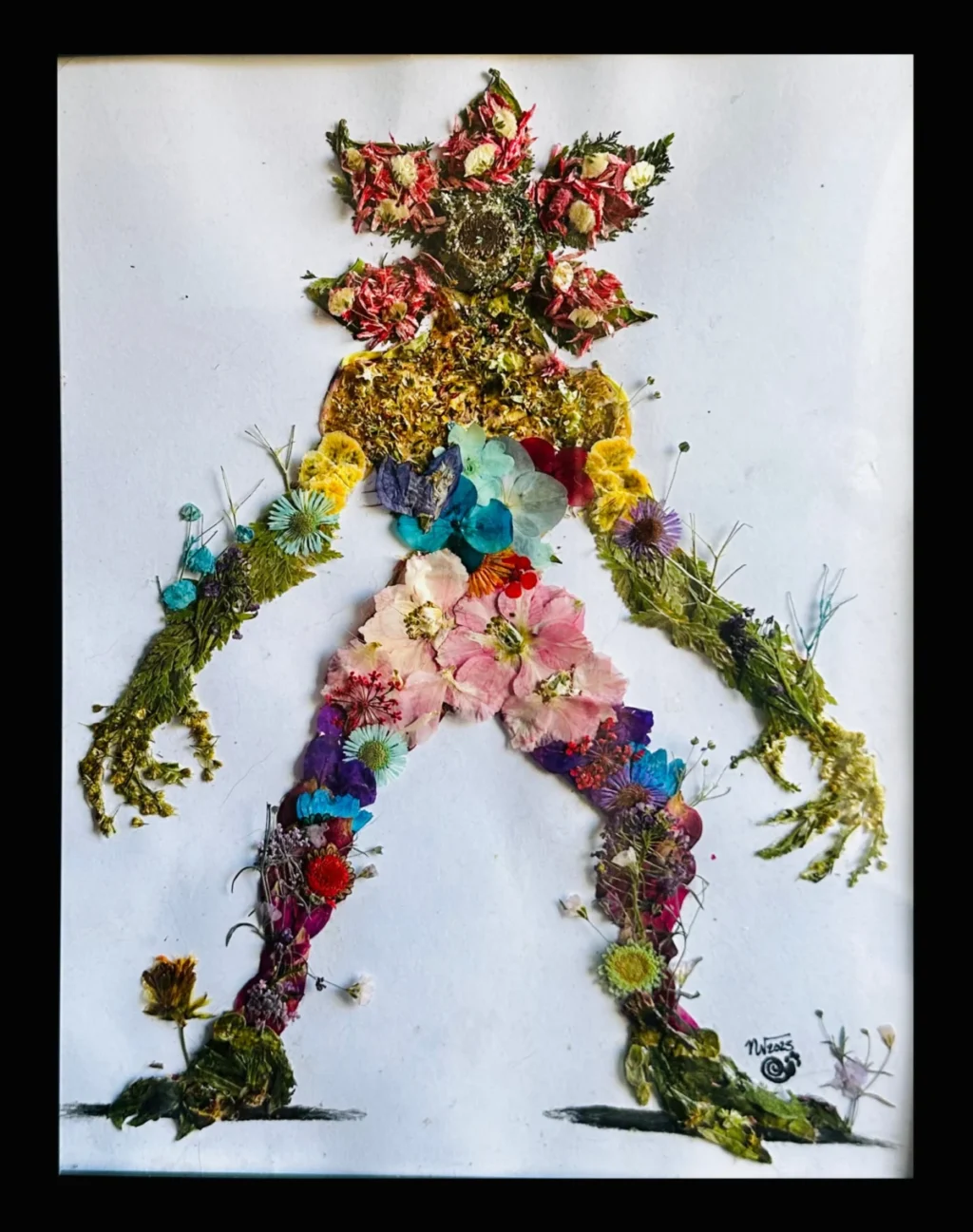
In an era defined by institutional skepticism and the fraying of traditional social safety nets, artist and experiential archivist nae vallejo offers a profound counter-narrative. Through their latest work, Flowers in the Bones, vallejo—a Black, Caddo, Mexican, queer, trans, and disabled artist—challenges the prevailing notion that survival is a solitary, meritocratic endeavor. Instead, they posit that true resilience is found in the quiet, often overlooked, architecture of mutual aid and collective care.
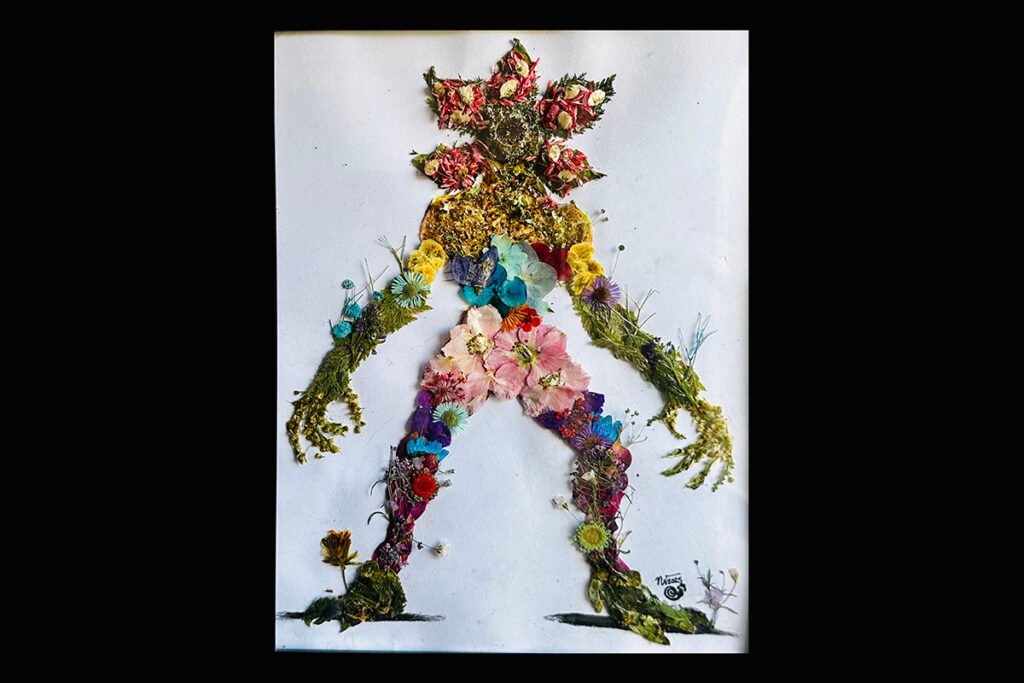
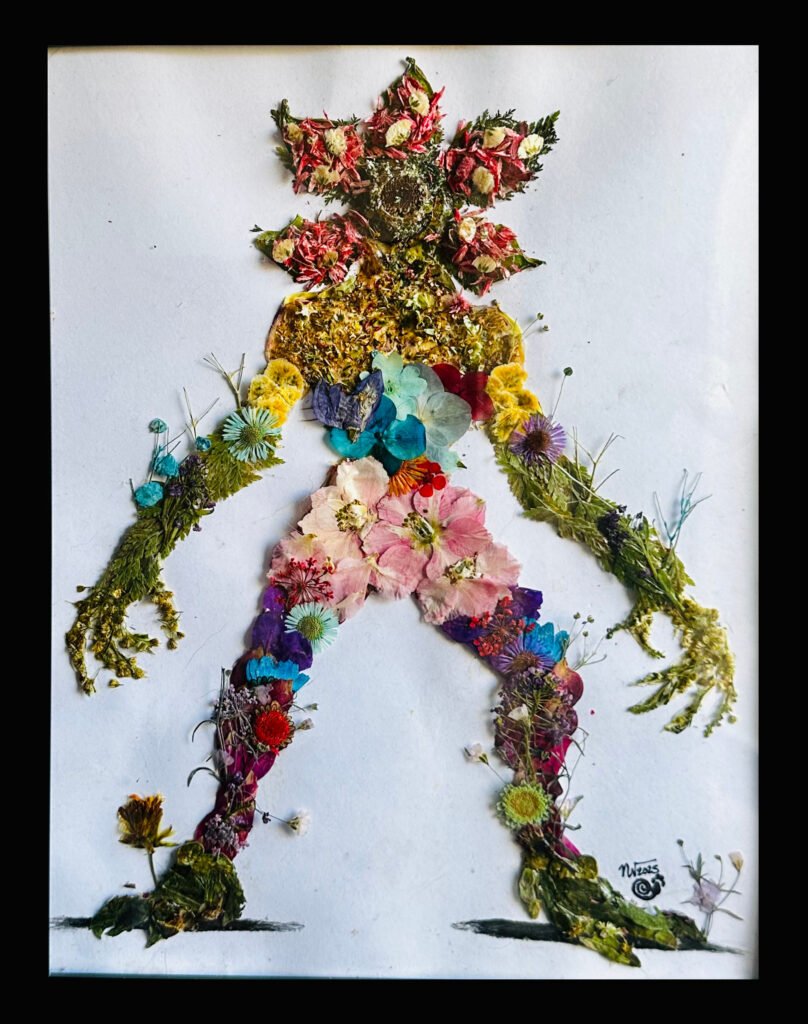
Flowers in the Bones is not merely an art piece; it is a meditation on the fragility of the human condition and the enduring strength of the communities that sustain us. By utilizing oshibana—the delicate Japanese art of pressing flowers—vallejo creates a visual language for grief, illness, and the persistent act of loving in the face of systemic failure.
The Genesis of a Civic Practice
The work emerged from a deeply personal crucible. As vallejo navigated the complexities of disability, chronic illness, and the grief associated with personal and political loss, they began to question the efficacy of institutional systems.
"What remains when systems, credentials, and promises fail to hold us?" vallejo asks. Their answer, distilled through the pressed flora, is unequivocal: "People. Village. Care."
The process of oshibana serves as a metaphor for this philosophy. To press a flower is to acknowledge its transient beauty while simultaneously committing to its preservation. It is an act of memory-keeping that requires patience, sensory attunement, and a deliberate refusal to let the subject fade into obscurity. In vallejo’s hands, the flowers become a record of what has been carried, what has been lost, and what has been deeply loved.
Chronology of Care: The Evolution of naeborhood projects
To understand the weight of Flowers in the Bones, one must look at the trajectory of vallejo’s work under their initiative, naeborhood projects.
- Foundation: vallejo established the initiative as a response to the erasure of marginalized voices within institutional archives. By blending drawing, writing, and experiential archiving, the project sought to document the "traces" survivors leave across land and body.
- Methodological Shift: Moving away from traditional, academic approaches to history, vallejo adopted "rememory"—a concept rooted in the idea that memory is a physical, living thing that must be nurtured through ritual.
- The Intersection of Disability Justice: Integrating disability justice into their practice, vallejo began to focus on how accessibility is not just a policy, but a form of love. This led to the creation of works that prioritize sensory attunement and the lived experience of the disabled community.
- The Emergence of Flowers in the Bones: Developed throughout 2025 and into 2026, the piece represents a culmination of these practices. It marks a shift from documenting individual trauma to mapping the networks of interdependence that allow marginalized people to survive in a hostile landscape.
Supporting Data: The Reality of Mutual Aid
While Flowers in the Bones is an aesthetic work, it is grounded in the hard reality of social geography. Sociological research increasingly supports the narrative vallejo presents: that formal systems are often insufficient for the needs of vulnerable populations.
Recent data from mutual aid networks across the United States suggests that during times of crisis—such as public health emergencies or natural disasters—informal, community-led support systems outperform government agencies in terms of speed, trust, and cultural relevance.
- Interdependence vs. Independence: In the disability community, the "myth of independence" is often cited as a barrier to health. Interdependence—the radical acknowledgment that we all rely on one another—is not a sign of weakness, but a functional necessity for survival.
- The Economic Value of Care: If the "quiet acts of devotion" vallejo speaks of were quantified in economic terms, they would represent a massive, untaxed, and often invisible portion of the nation’s social infrastructure. Estimates suggest that unpaid caregiving in the US contributes hundreds of billions of dollars in value annually, yet it remains absent from traditional economic indicators like GDP.
Official Responses and Cultural Criticism
Critics and community organizers have lauded Flowers in the Bones for its ability to reframe the American experience. By highlighting a version of "America" often obscured by mainstream political discourse, vallejo has sparked a necessary conversation about the definition of civic duty.
"We have been conditioned to believe that civic participation is limited to voting or paying taxes," says a representative from a prominent disability justice collective. "What nae vallejo shows us is that civic practice is actually the way we show up for our neighbors when the state turns its back. Love, in this context, is a political strategy."
The work has resonated particularly strongly within the neurodivergent and queer communities, where the need for "chosen family" is not just a social preference, but a vital survival mechanism. The inclusion of vallejo’s service dog in their practice further highlights the non-human elements of this care network, expanding the definition of "community" to include all beings that contribute to our ability to function and thrive.
Implications for the Future of Advocacy
The implications of Flowers in the Bones extend far beyond the art gallery. They challenge nonprofit leaders, policymakers, and activists to reconsider how they view their work. If survival is a collective achievement, then the role of the institution is not to "save" or "fix," but to facilitate and protect the existing networks of care.
1. Decentering the Individual
The current nonprofit model often relies on individual narratives of triumph—the "success story" that fits neatly into a grant report. vallejo’s work suggests we should instead fund and support the connections between people. The goal should be to strengthen the village, not just the individual.
2. Valuing "Small" Acts
In a culture that prizes scale and exponential growth, the slow, intentional work of oshibana serves as a critique of modern capitalism. It reminds us that meaningful change is often found in the margins, in the small, consistent acts of devotion that keep a community alive.
3. Radical Accessibility
For vallejo, accessibility is a foundational element of their work. This implies that any future vision for a "multiracial democracy" must be built on the accessibility needs of those who have historically been excluded. If a space or a movement is not accessible to the disabled, the neurodivergent, and the chronically ill, it is fundamentally incomplete.
Conclusion: We Bloom Because Others Help Keep Us Alive
Flowers in the Bones is a testament to the resilience of the human spirit when it is tethered to others. It is a visual manifesto for a new kind of civic life—one where the "bones" of our society are not made of cold, unyielding steel, but of the tender, imperfect, and resilient bonds we form with one another.
As we look toward an uncertain future, the lessons provided by vallejo are clear. We must stop searching for salvation in failing systems and start investing in the people who are already holding us up. We must recognize that our survival is not a solitary achievement. As the flowers in vallejo’s work demonstrate, we are all part of a larger ecosystem of care. We bloom because others help keep us alive, and in turn, we are called to be the soil for someone else’s growth.
Through their practice, nae vallejo has provided more than just an art piece; they have provided a roadmap for survival. Flowers in the Bones asks us to look at our own lives—at the people we carry and the people who carry us—and to recognize that this, in its most beautiful and raw form, is what it means to be a citizen. It is a quiet, persistent, and radical practice of love that, despite all odds, refuses to fade away.