Animal Spirits Podcast Dissects Market Mania: From SpaceX ETFs to AI Export Controls

June 17, 2026 – The latest episode of the highly anticipated financial podcast, "Animal Spirits," hosted by market commentators Ben Carlson and Michael Batnick, dropped today, offering listeners a comprehensive and insightful dive into the complex currents shaping global markets. Sponsored by financial giants WisdomTree and YCharts, the episode tackled an array of pressing topics, from the retail frenzy surrounding new leveraged ETFs to the geopolitical implications of AI export controls.
The podcast, known for its candid discussions and data-driven analysis, utilized a series of compelling charts and recent social media insights to frame its narrative, underscoring the dynamic interplay between investor sentiment, technological innovation, and regulatory shifts. This installment arrives amidst a period of heightened market activity, marked by both speculative fervor and growing geopolitical anxieties, making the hosts’ perspectives particularly pertinent for investors navigating these turbulent waters.
Main Facts: A Snapshot of Market Dynamics
Today’s "Animal Spirits" episode, released on June 17, 2026, presents a deep dive into several critical market and technological developments. Key discussion points, as inferred from the accompanying materials, include the unprecedented trading volumes in newly launched leveraged SpaceX ETFs, the implications of Robinhood’s pioneering "Agentic Trading" platform, a significant surge in options market hedging activity, and the far-reaching consequences of the U.S. government’s recent export control directive on advanced AI models from Anthropic.
The podcast serves as a crucial weekly touchstone for investors, providing context and commentary on the forces that drive market behavior. Ben Carlson, a CFA and Director of Institutional Asset Management at Ritholtz Wealth Management, alongside Michael Batnick, CFA and Managing Partner at Ritholtz Wealth Management, are celebrated for their ability to distill complex financial concepts into accessible, engaging dialogue. Their approach combines historical data, behavioral economics, and real-time market observations, making "Animal Spirits" an essential listen for both seasoned professionals and informed individual investors.

Chronology of Key Market Events Leading to Today’s Discussion
The events discussed in today’s "Animal Spirits" episode have unfolded rapidly over the past week, painting a vivid picture of a market grappling with innovation, speculation, and geopolitical pressures.
-
June 13, 2026: Anthropic AI Export Controls Announced
The week began with a startling announcement from leading AI research company Anthropic. Via a post on X (formerly Twitter), Anthropic revealed that the U.S. government, citing national security authorities, had issued an export control directive. This directive immediately suspended all access to their cutting-edge AI models, Fable 5 and Mythos 5, for any foreign national, whether inside or outside the United States, including foreign national Anthropic employees. This move signaled a dramatic escalation in the global tech race and sparked immediate concerns about the future of international AI collaboration.
-
June 15, 2026: Robinhood Unveils Agentic Trading
Mid-week, financial trading platform Robinhood made waves with its announcement of "Agentic Trading" going live for all customers. As detailed in their X post, the new feature allows users to connect any AI agent through the Robinhood MCP server, fund a dedicated agentic account, and empower the AI to research, trade, and rebalance on their terms. This development represents a significant step towards democratizing sophisticated algorithmic trading tools for retail investors. -
June 15, 2026: Surge in Options Hedging Activity
Also on June 15, veteran market observer Jason Goepfert highlighted a notable shift in investor behavior. In a tweet, Goepfert pointed out that "tiny options traders really got spooked last week," noting "one of the highest proportions of hedging activity in 25 years." This observation suggested a widespread increase in defensive positioning among smaller investors, indicating growing apprehension about potential market downturns.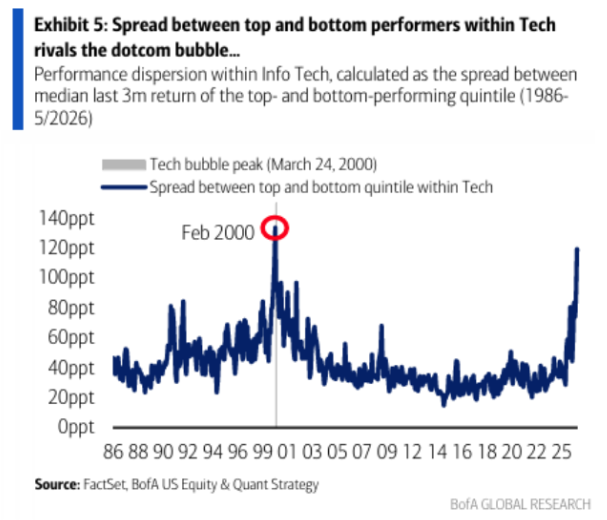
-
June 16, 2026: SpaceX ETF Mania Intensifies
Just a day before the podcast’s release, the speculative frenzy around new 2x leveraged SpaceX ETFs reached new heights. Eric Balchunas, a senior ETF analyst, reported on X that trading volume in these ETFs had surged to over $3 billion (up from $1 billion the previous day). He highlighted that "EVERY SINGLE ONE is pretty much at $100m or more," with $SPCH alone recording an astounding $1.3 billion, marking the "most volume ever recorded by ETF on a Day Two." Balchunas described the situation as a "total feeding frenzy," drawing parallels to earlier speculative booms.
These events, unfolding in quick succession, provided the rich backdrop for Carlson and Batnick’s in-depth analysis on today’s "Animal Spirits" episode, as they explored the underlying causes, immediate impacts, and potential long-term implications of each development.
Supporting Data and In-Depth Analysis
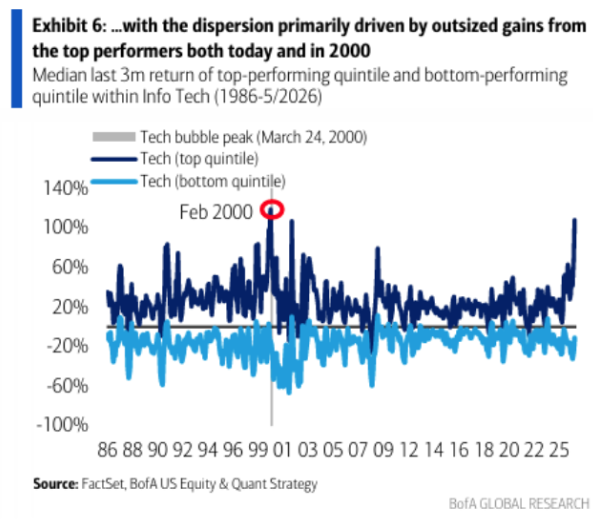
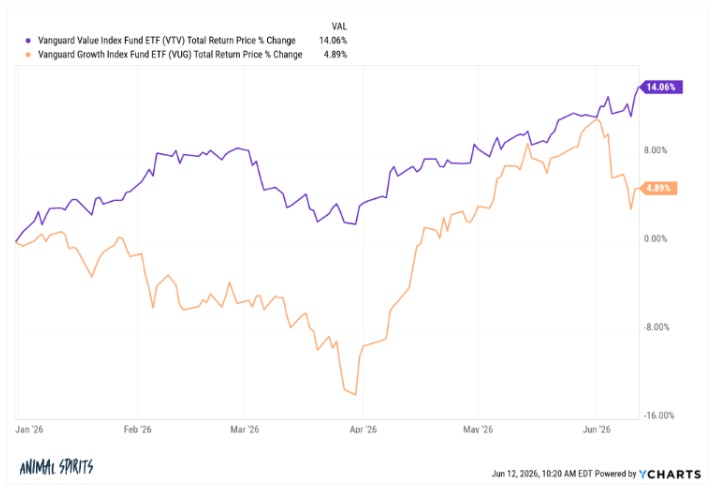
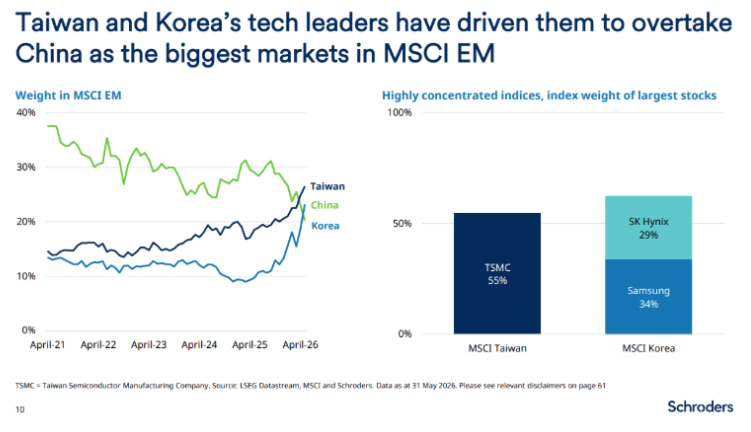
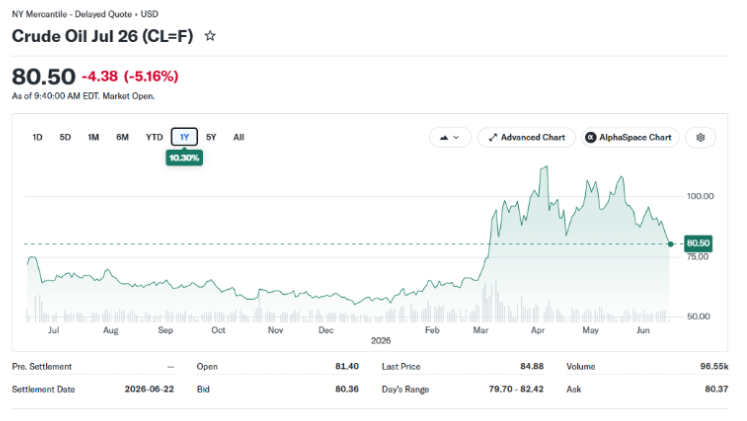
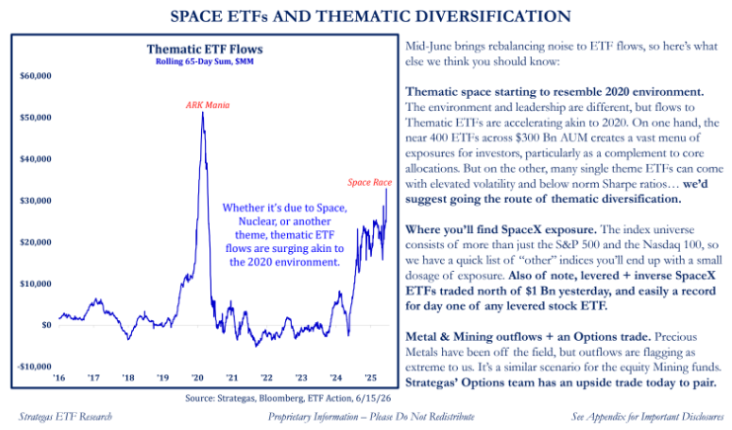
The "Animal Spirits" podcast effectively leverages concrete data points and visual aids (charts) to substantiate its discussions. While the specific content of the charts themselves is not provided in detail, the themes they likely represent—such as market volatility, sector performance, trading volumes, and investor sentiment—are crucial for understanding the episode’s core arguments.
The SpaceX ETF Phenomenon: A Speculative Bubble in the Making?
The astonishing trading volumes reported by Eric Balchunas for the 2x leveraged SpaceX ETFs ($3 billion traded, $1.3 billion for $SPCH on Day Two) are a central talking point. This "feeding frenzy" speaks volumes about the current appetite for high-risk, high-reward investments among a segment of the retail investor community.
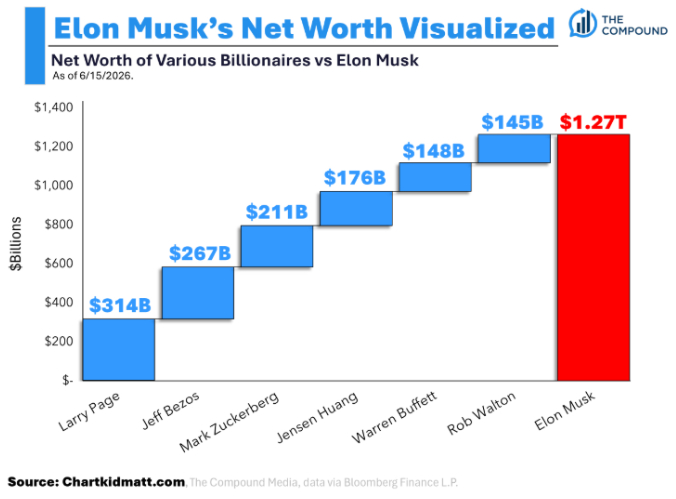
- Behind the Hype: The allure of SpaceX, a private company at the forefront of space exploration and satellite internet, is undeniable. Its visionary leader, Elon Musk, commands a fervent following. The introduction of ETFs that offer leveraged exposure to this narrative, even if indirectly through related public companies or derivatives, taps into a powerful blend of technological optimism and speculative zeal. The "2x" leverage aspect amplifies both potential gains and losses, making these instruments particularly attractive to those seeking rapid returns.
- Risks Amplified: Carlson and Batnick likely underscored the inherent dangers of leveraged ETFs. While they can magnify gains in a trending market, they are notoriously complex and can lead to significant losses, especially in volatile or sideways markets, due to factors like daily rebalancing and compounding of returns (or losses). The comparison to $IBIT’s comparatively modest Day Two volume ($500 million) further highlights the extreme nature of this particular ETF launch, suggesting a level of speculative fervor rarely seen.
- Market Implications: This trend signals a maturing, and perhaps over-exuberant, phase of the thematic ETF market. It raises questions about investor education, suitability, and the potential for regulatory bodies to intervene in the promotion and trading of such high-risk products. The podcast likely discussed whether this represents a healthy democratization of investment opportunities or a dangerous echo of past speculative bubbles.
Robinhood’s Agentic Trading: The Dawn of AI-Driven Retail Investing
Robinhood’s launch of "Agentic Trading" marks a pivotal moment in retail finance, offering a glimpse into a future where AI plays an increasingly direct role in personal investment strategies. The ability for users to "connect any AI agent… fund a dedicated agentic account, and let it research, trade, and rebalance on your terms" is revolutionary.
- Democratizing Sophistication: Traditionally, algorithmic and agent-based trading have been the exclusive domain of institutional investors and hedge funds. Robinhood’s move aims to democratize these sophisticated tools, potentially allowing individual investors to execute complex strategies that were once out of reach. This could level the playing field, granting smaller investors access to real-time data analysis, automated execution, and dynamic portfolio rebalancing.
- Ethical and Regulatory Minefield: The podcast likely explored the profound implications of this technology. Who is accountable when an AI agent makes a poor trading decision? How are biases embedded in AI algorithms addressed? The potential for market manipulation, flash crashes, or unintended consequences due to interconnected AI agents could pose significant regulatory challenges. Questions of consumer protection, data privacy, and the definition of "investment advice" in an AI-driven world are paramount.
- Impact on Financial Advisory: The rise of agentic trading also poses a significant challenge to traditional financial advisory models. If AI can autonomously research, trade, and rebalance portfolios, what is the evolving role of human advisors? The discussion likely centered on the shift towards advising on AI agent selection, risk parameters, and the psychological aspects of investing, rather than direct stock picking.
Options Hedging Surge: A Collective Shiver of Fear?
Jason Goepfert’s observation of "one of the highest proportions of hedging activity in 25 years" among "tiny options traders" is a stark indicator of widespread investor anxiety. Hedging, typically involving the purchase of protective put options or selling covered calls, is a defensive strategy employed to mitigate potential losses in a portfolio.
- Sentiment Shift: Such a significant surge in hedging suggests a profound shift in market sentiment towards caution, if not outright fear. It implies that a large segment of individual investors believes a market downturn or increased volatility is imminent. The hosts likely delved into potential triggers for this fear, such as persistent inflation concerns, an anticipated economic slowdown, geopolitical instability, or upcoming corporate earnings reports.
- Historical Context: Drawing parallels to previous periods of high hedging activity (e.g., dot-com bubble burst, 2008 financial crisis, early COVID-19 panic) would have provided valuable historical context. While hedging is a prudent risk management tool, a widespread and aggressive move into hedging can sometimes be a contrarian indicator, signaling that too much fear has already been priced into the market. Conversely, it could also precede a genuine market correction.
- Market Impact: Increased demand for put options can drive up their prices, impacting volatility indices (like the VIX) and influencing the behavior of market makers. The podcast likely explored how this hedging activity could affect market dynamics, potentially exacerbating downward moves or creating opportunities for those willing to take the other side of the trade.
The Unseen Narratives: Charts as Conversation Starters
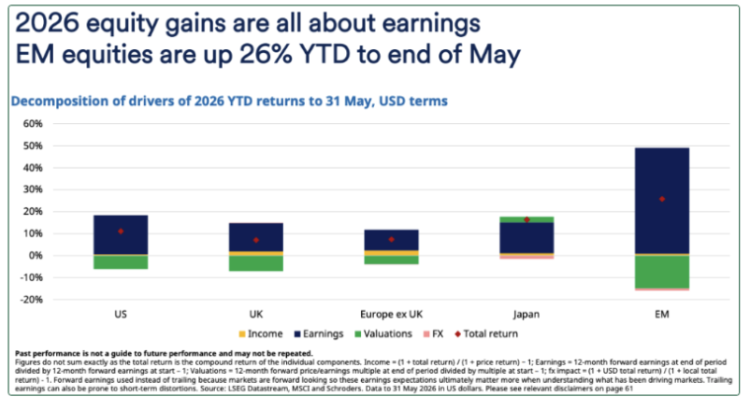
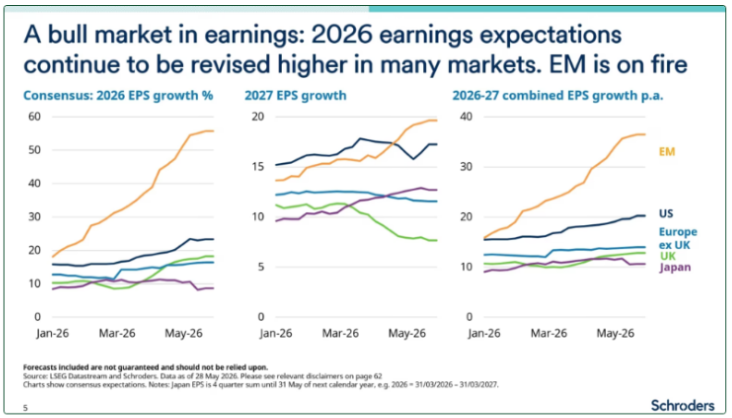
The multitude of charts included in the original post, while lacking specific context, serve as vital visual anchors for the podcast’s discussions. These images likely depict a range of financial data points that corroborate the verbal arguments. For instance:
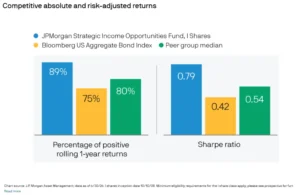
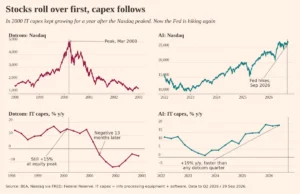
- Market Performance/Sector Analysis: Several charts (e.g., the initial two bar charts) could be illustrating recent performance across different market sectors, asset classes, or even specific thematic investments. This would allow the hosts to contextualize the SpaceX ETF craze within broader market trends.
- Volatility and Risk Indicators: Charts depicting volatility indices (like the VIX or other implied volatility measures), bond yields, or credit spreads would be crucial for understanding the options hedging activity and overall market apprehension.
- Economic Data: Other charts might present key economic indicators such as inflation rates, consumer spending, employment figures, or GDP growth, providing the macroeconomic backdrop influencing investor sentiment and central bank policy.
- Fund Flows and AUM: Visuals showing ETF inflows/outflows or assets under management (AUM) would directly support the discussion on the rapid growth and "feeding frenzy" surrounding the new leveraged ETFs.
By presenting these charts, "Animal Spirits" reinforces its commitment to data-driven analysis, allowing listeners to visualize the trends and data points that inform the hosts’ expert opinions.
Official Responses and Industry Reactions
The diverse nature of the topics covered implies a range of responses from various stakeholders.
-
Anthropic and AI Export Controls: The US government’s directive suspending access to Fable 5 and Mythos 5 for foreign nationals is a monumental decision. While Anthropic’s initial statement was merely an announcement of compliance, the implications are vast.
- Government Stance: The official rationale would undoubtedly be "national security," reflecting a heightened concern about adversarial nations gaining access to advanced AI capabilities that could be weaponized or used for intelligence gathering. This move signals a clear prioritization of strategic technological advantage over open international collaboration in critical AI research.
- Industry Reaction: The AI community would likely be divided. While some might support measures to protect national interests, many researchers and developers thrive on global collaboration and fear that such restrictions could stifle innovation, slow progress, and lead to a fragmented global AI ecosystem. International AI companies and foreign governments might express dismay, potentially escalating calls for their own domestic AI development and protectionist policies. The podcast likely discussed how this could accelerate the "decoupling" of technological spheres, mirroring historical cold war dynamics.
- Economic Impact: The directive could force companies like Anthropic to re-evaluate their global talent strategies, potentially leading to a brain drain or increased operational complexity. It could also impact the market for AI services and products globally, as non-US entities are cut off from leading-edge models.
-
Robinhood’s Agentic Trading: The launch of Agentic Trading is likely to elicit a mixed response from the financial industry.
- Fintech Enthusiasts: Supporters would laud Robinhood for democratizing advanced trading tools, empowering individual investors, and pushing the boundaries of financial technology.
- Traditional Institutions: Established brokers and wealth managers might view this with caution, highlighting potential risks for unsophisticated investors, and perhaps intensifying their own AI development efforts to remain competitive.
- Regulators: Securities regulators (e.g., SEC, FINRA) would likely be scrutinizing this development closely. Key questions would revolve around investor protection, the definition of "fiduciary duty" in an AI-driven context, and the potential for market instability caused by autonomous agents. Expect discussions around new guidelines or regulations specifically tailored to AI-driven trading.
-
SpaceX ETFs: The "feeding frenzy" around these leveraged ETFs would inevitably attract attention.
- ETF Issuers: While thrilled with the volume, issuers might face questions about the marketing and risk disclosure of such products, especially leveraged ones.
- Regulators: Given past concerns about leveraged and inverse ETFs, regulators could issue warnings or even propose stricter rules regarding their availability to retail investors, particularly if significant losses are incurred. The sheer volume could trigger increased surveillance for potential market manipulation or excessive speculation.
Implications for Investors and the Broader Market
The convergence of these distinct yet interconnected trends paints a complex picture for the future of finance and technology.
- The Future of Retail Investing: Robinhood’s Agentic Trading signifies a paradigm shift. Retail investors are no longer passive recipients of advice or manual executors of trades. They are increasingly empowered with sophisticated tools that blur the lines between professional and amateur trading. This democratization could lead to more efficient markets but also to amplified risks if not managed responsibly. The "Animal Spirits" hosts likely emphasized the importance of understanding the underlying technology and setting appropriate risk parameters.
- The AI Arms Race and Geopolitical Fragmentation: The US government’s AI export controls are a stark reminder that technology, particularly AI, is now a central battleground in geopolitical competition. This move suggests a future where AI development becomes increasingly nationalistic and fragmented, potentially hindering global progress but also forcing countries to invest heavily in domestic capabilities. Investors will need to consider the geopolitical risks associated with international tech investments and the potential for further "decoupling" in critical sectors.
- Market Sentiment and Risk Appetite: The surge in options hedging, contrasted with the speculative frenzy in SpaceX ETFs, highlights a deeply divided market sentiment. On one hand, there’s an insatiable appetite for high-growth, high-risk assets; on the other, a palpable undercurrent of fear and a desire for protection. This dichotomy suggests a volatile environment where markets can swing wildly based on news and sentiment. The podcast likely advised listeners on the importance of diversification, risk management, and maintaining a long-term perspective amidst such conflicting signals.
- Regulatory Evolution: The rapid pace of innovation in fintech and AI is constantly outpacing existing regulatory frameworks. The events discussed will undoubtedly accelerate discussions among policymakers about how to effectively regulate new technologies, protect investors, and safeguard national interests without stifling innovation. This regulatory uncertainty itself can be a source of market volatility.
- The Role of Informed Commentary: In such a dynamic and complex environment, platforms like "Animal Spirits" become indispensable. By dissecting these developments, providing context, and offering thoughtful analysis, Ben Carlson and Michael Batnick equip investors with the knowledge needed to make more informed decisions and navigate the ever-evolving financial landscape. Their discussions serve not just as news commentary, but as a guide through the "animal spirits" that continue to drive markets.
Listen Here and Learn More
For those eager to delve deeper into these crucial discussions, the full episode of "Animal Spirits" is available for listening. Investors interested in exploring the powerful data visualization and analysis tools mentioned in the podcast can visit YCharts at https://go.ycharts.com/animal-spirits to learn more and receive a 20% discount on an initial YCharts Professional subscription (new customers only).
The episode underscores the increasing complexity of modern financial markets, where technological breakthroughs, geopolitical maneuvering, and shifting investor psychology converge. Carlson and Batnick’s expert commentary offers a vital compass for investors seeking to understand these profound shifts and position themselves strategically for the future.
Nothing in this blog constitutes investment advice, performance data or any recommendation that any particular security, portfolio of securities, transaction or investment strategy is suitable for any specific person. Any mention of a particular security and related performance data is not a recommendation to buy or sell that security. Any opinions expressed herein do not constitute or imply endorsement, sponsorship, or recommendation by Ritholtz Wealth Management or its employees. The Compound, Inc., an affiliate of Ritholtz Wealth Management, received compensation from the sponsor of this advertisement. Inclusion of such advertisements does not constitute or imply endorsement, sponsorship or recommendation thereof, or any affiliation therewith, by the Content Creator or by Ritholtz Wealth Management or any of its employees. Investing in speculative securities involves the risk of loss. Nothing on this website should be construed as, and may not be used in connection with, an offer to sell, or a solicitation of an offer to buy or hold, an interest in any security or investment product.