A Historic Freeze: Inside Mayor Mamdani’s Landmark Housing Policy Victory
By Editorial Staff
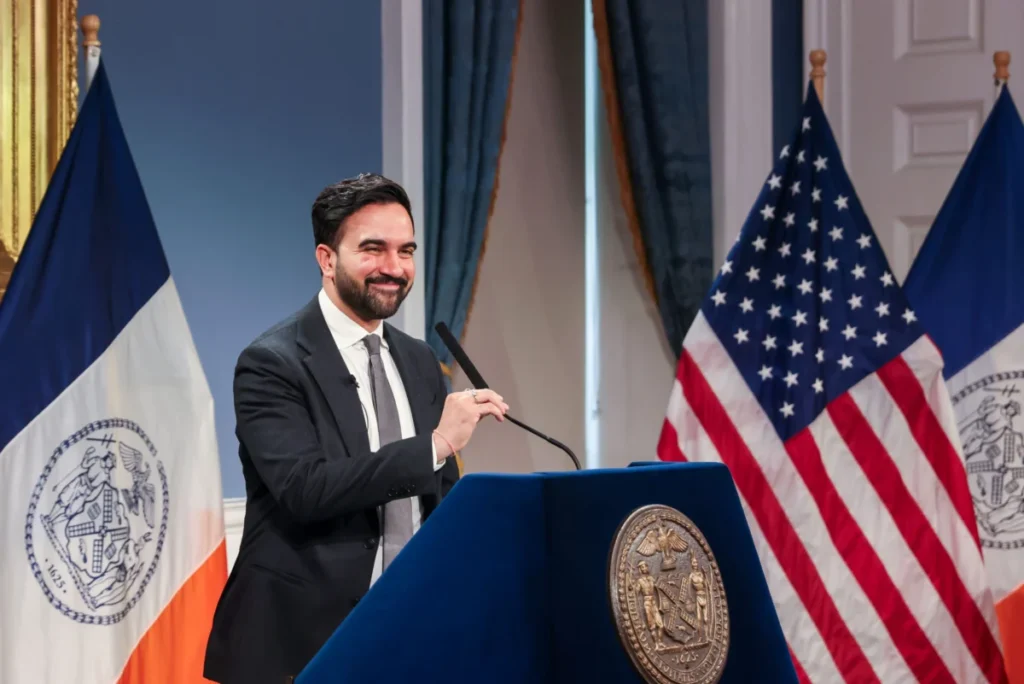
In a landmark decision that promises to reshape the landscape of New York City’s housing market, the Rent Guidelines Board (RGB) voted decisively on June 25 to freeze rents for approximately one million rent-stabilized apartments. The 7-1 vote marks a watershed moment for the administration of Mayor Zohran Mamdani, delivering on a cornerstone campaign promise that helped propel him to City Hall.
The freeze, which applies to both one- and two-year leases signed between October 1, 2026, and September 30, 2027, is unprecedented in its scope. While one-year freezes have occurred in the past—most notably during the height of the COVID-19 pandemic in 2020—this marks the first time the city has extended such a mandate to two-year rental agreements. For millions of New Yorkers, the vote serves as a rare reprieve from the relentless inflationary pressures that have defined the post-pandemic urban economy.
The Chronology of a Campaign Promise
The path to this week’s vote began long before the board convened at El Museo del Barrio in Harlem. Mayor Mamdani’s electoral platform was built largely on the premise that New York’s housing crisis was not merely a supply issue, but a systemic failure to protect vulnerable tenants from predatory rent hikes.
Throughout his campaign and his first months in office, Mamdani argued that stabilized tenants were being squeezed by a "triad of costs": skyrocketing food prices, rising transit fares, and stagnant wages that failed to keep pace with inflation. Upon taking office, Mamdani moved quickly to exert influence over the Rent Guidelines Board, which had historically maintained a delicate, often contentious balance between tenant affordability and landlord profitability.
Earlier this year, the Mayor utilized his executive authority to appoint six new members to the nine-member board. These appointments effectively realigned the board’s composition, favoring members who aligned with his broader housing agenda. The culmination of this strategy arrived in late June, when the board gathered in a raucous, high-energy atmosphere to finalize the decision.
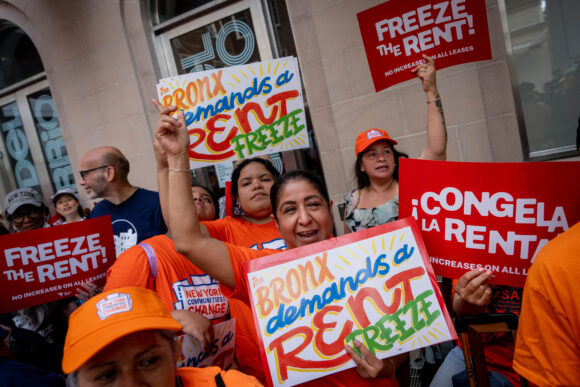
Outside the venue, the scene was one of jubilant activism. Hundreds of tenants gathered, chanting and carrying "Rent Freeze" placards as a live band provided a soundtrack for what many described as a historic victory for the working class. The mood inside the hall was equally electric, with the crowd erupting into a chorus of Queen’s "We Are the Champions" as the final tally was announced.
Supporting Data and Economic Context
To understand the gravity of the RGB’s decision, one must look at the broader economic climate of New York City. Rent-stabilized units comprise roughly half of the city’s total rental housing stock, acting as a crucial buffer against the volatility of the market-rate sector.
Data from the real estate sector paints a stark picture of the current divide. According to a report by appraiser Miller Samuel Inc. and brokerage Douglas Elliman, Manhattan’s market-rate leases reached a median of $4,695 in January—the third-highest figure on record. While these figures represent the luxury and market-rate tiers, the pressure they exert on the overall housing stock is immense.
Conversely, the landlord perspective—often cited by industry groups like the Rent Stabilization Association—centers on the rising costs of building maintenance. These expenses include, but are not limited to:
- Insurance Premiums: A sector that has seen dramatic spikes, prompting the city to seek private partners for specialized housing insurance programs.
- Property Taxes: A persistent burden on building owners, regardless of rental income.
- Capital Improvements: The cost of labor and materials for essential repairs, such as boilers, roofing, and structural maintenance, has surged significantly since 2023.
The economic tension is further complicated by the issue of "warehousing." Board member Arpit Gupta, an appointee from the previous administration, noted that over 57,000 stabilized units sat vacant last year, up from approximately 49,000 in 2024. Landlords argue that these units remain offline because the costs of renovation and regulatory compliance exceed the potential revenue permitted under rent-stabilized caps.
Official Responses and Political Fallout
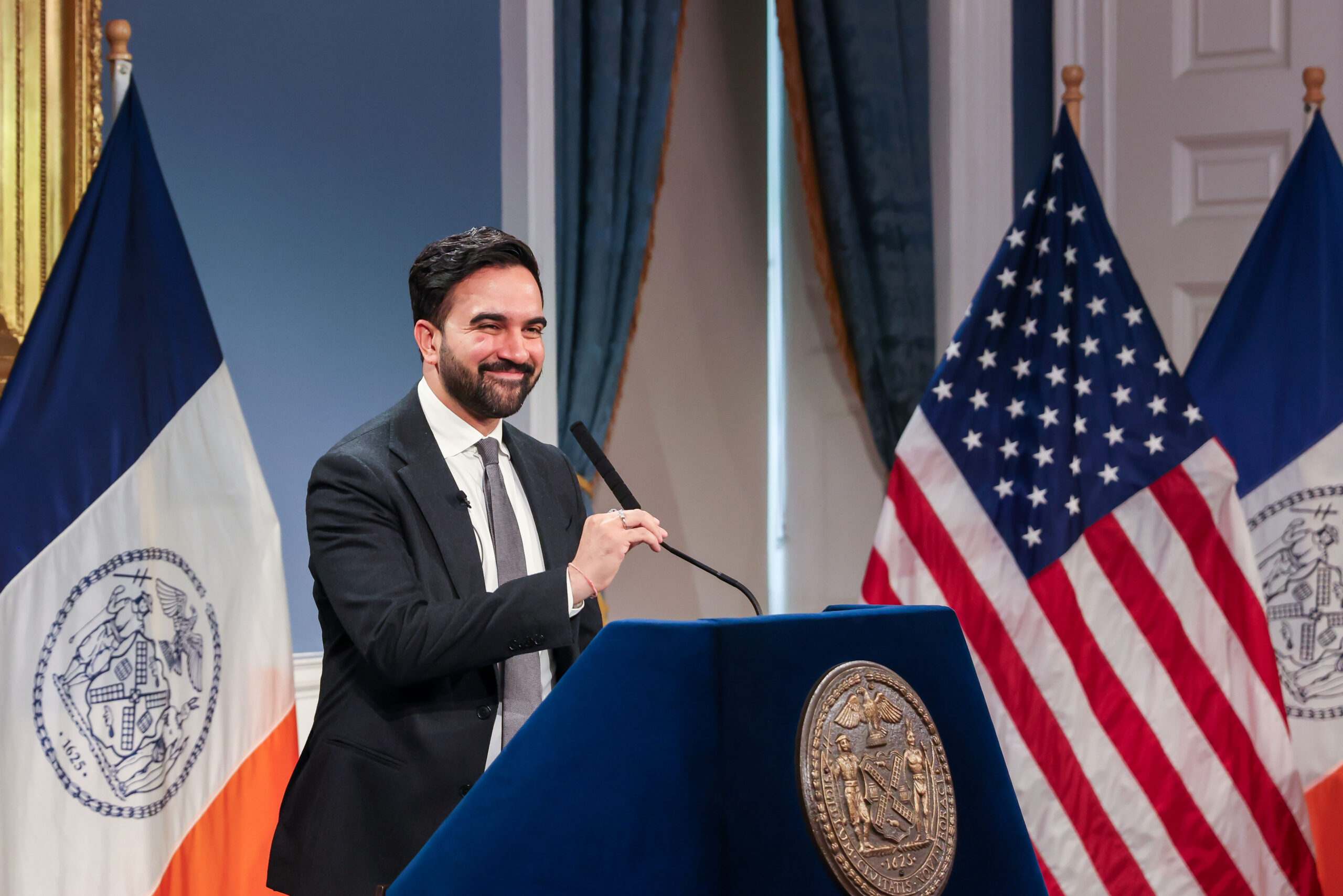
The political fallout of the vote was immediate. Mayor Mamdani hailed the decision as a moral imperative. "This is the relief that working people across our city deserve," the Mayor said in a prepared statement following the vote. "We have signaled that in New York, the rights of the tenant are held in the highest regard."
For tenant advocates, the victory is a vindication of years of grassroots organizing. Sarah Delany, a Bronx-based tenant and housing advocate, captured the sentiment of the crowd: "Tenants have rights, and we have power, but we must stick together. Mayor Mamdani kept his campaign promise, and it shows we’ll be able to pay for regular needed daily necessities. It’s a historic moment."
However, the opposition was equally vocal. Christina Smyth, a board member representing landlord interests, resigned her position in protest just hours before the vote. In her resignation, she condemned the "politicization of the process," arguing that the RGB has abandoned its mandate to weigh economic data in favor of ideological alignment.
"Owners cannot absorb these rising costs indefinitely," industry groups warned in a joint statement. "By freezing rents, the board is effectively offloading the burden of inflation onto the shoulders of property owners, which will inevitably lead to a decline in the quality of the city’s housing stock."
Implications for the Future
The decision sets the stage for a period of significant uncertainty and potential legal challenges. Landlord groups have already indicated they are exploring the legal implications of the vote, specifically focusing on whether the board’s recent appointments constitute an "arbitrary and capricious" shift in policy that ignores the financial realities of property ownership.
Economists are also weighing in on the potential long-term impacts. Jake Krimmel, a senior economist at Realtor.com, highlighted the difficulty of the "balance sheet" approach to housing. "Whether new or existing, buildings need revenues and expenses to balance, and right now the cost side of that equation is rising faster than either tenants or owners can absorb," Krimmel noted.
The policy also places immense pressure on the Mamdani administration to address the "cost side" of the equation. If the administration intends to maintain this freeze in future years, it may be forced to look toward radical policy interventions—such as tax subsidies for small landlords, municipal insurance pools, or aggressive low-interest loan programs for building repairs—to ensure that the city’s aging housing stock does not fall into disrepair.
Furthermore, the board’s decision to break precedent by freezing two-year leases has set a new benchmark for housing policy. Future Rent Guidelines Boards will now operate under the shadow of this decision, as tenants will likely view any future rent increases as a rollback of hard-won progress.
As New York City moves into the latter half of 2026, the rent freeze will serve as a definitive test case. If successful, it could provide a blueprint for other high-cost urban centers across the United States struggling with affordability crises. If it leads to a decline in building maintenance or further legal gridlock, it may become the most debated policy of the Mamdani era.
For now, however, the silence of the rent ledger for one million households remains a significant, tangible victory—a moment where the political rhetoric of the campaign trail finally met the reality of the apartment ledger. Whether this equilibrium is sustainable, or merely a temporary halt in a much larger economic storm, remains the defining question for the year ahead.