Beyond the Spreadsheet: A Comprehensive Review of ProjectionLab Financial Planning Software
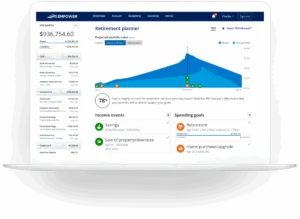
In the evolving landscape of personal finance technology, the divide between basic budgeting apps and professional-grade financial planning software has narrowed significantly. Leading this charge is ProjectionLab, a platform designed to bridge the gap between complex, manual spreadsheets and automated, "black-box" retirement calculators.
ProjectionLab has emerged as a premier tool for individuals who demand agency over their financial destiny. By allowing users to build detailed, stress-tested models of their financial lives, the software has become a staple for those pursuing FIRE (Financial Independence, Retire Early) and anyone seeking a granular, privacy-centric approach to long-term wealth management.
The Core Facts: What is ProjectionLab?
At its most fundamental level, ProjectionLab is a web-based financial modeling engine. Unlike standard calculators that ask for a salary and a savings rate to provide a simple "yes/no" on retirement readiness, ProjectionLab asks for the architecture of your life.
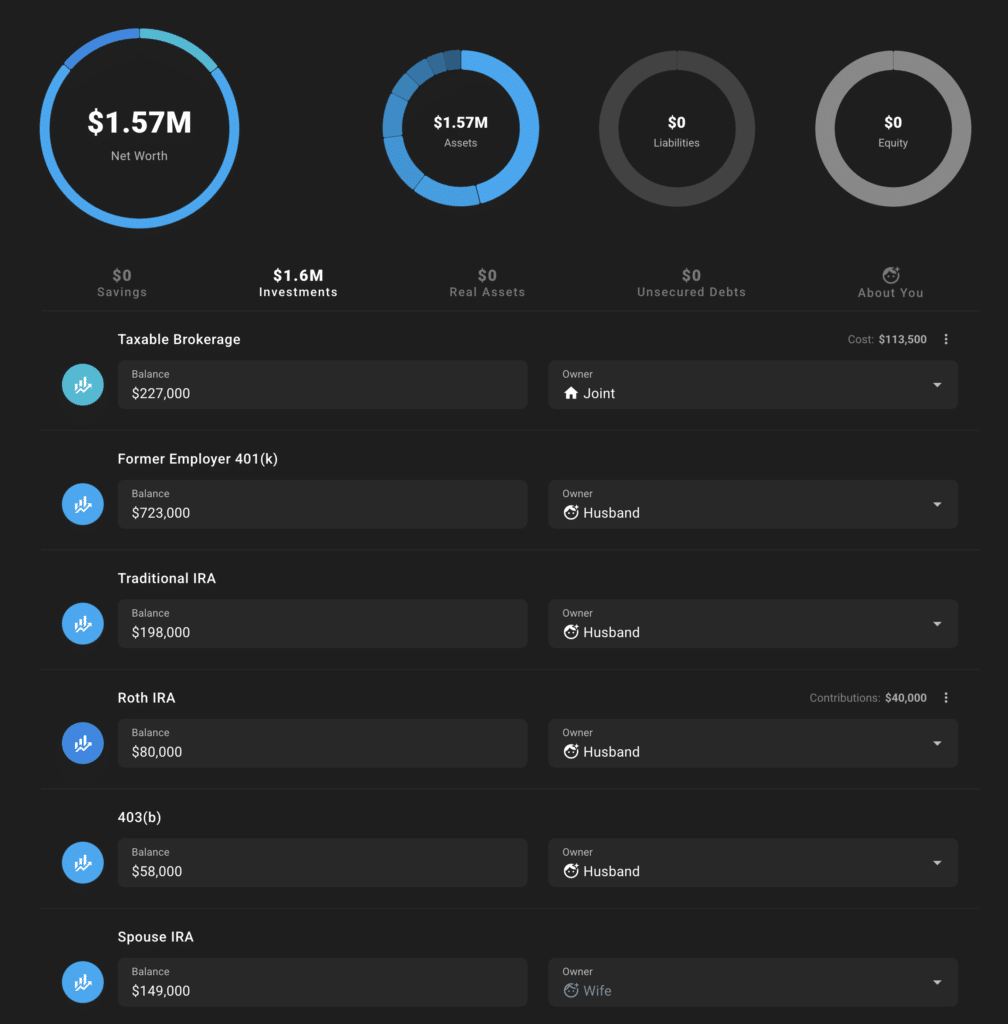
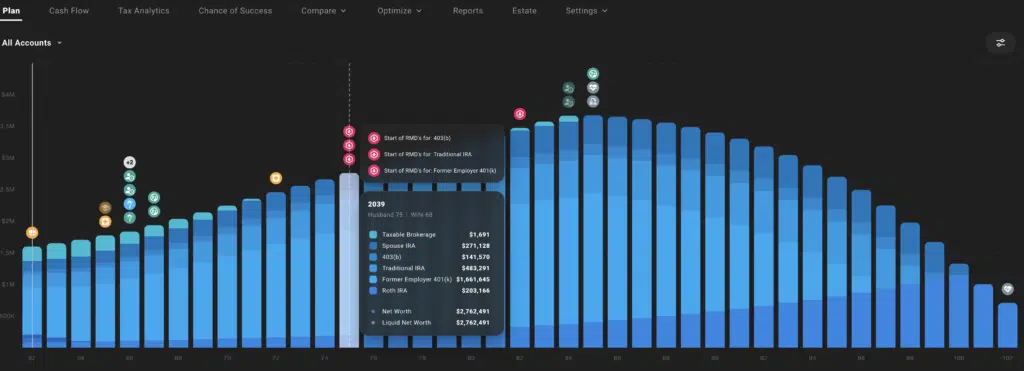
Users input their current assets—ranging from traditional brokerage accounts and 401(k)s to real estate and cryptocurrency—alongside their income streams, anticipated expenses, and major life milestones. The software then processes this data through sophisticated simulations to project net worth, tax liabilities, and cash flow year-by-year until the end of the plan’s horizon.
The platform is defined by its "user-as-customer" philosophy. In an era where many financial apps generate revenue by aggregating user data or pushing financial products, ProjectionLab maintains a strict privacy policy. It does not require—or even support—the linking of bank accounts via third-party services like Plaid. Instead, it relies on manual data entry, ensuring that your financial data remains yours, unshared and unsold.
A Chronological Evolution: From Prototype to Powerhouse
ProjectionLab’s journey is one of rapid, disciplined maturation. Founded by Kyle Nolan and launched in April 2021, the tool began as a niche project aimed at fixing the shortcomings of existing retail calculators.
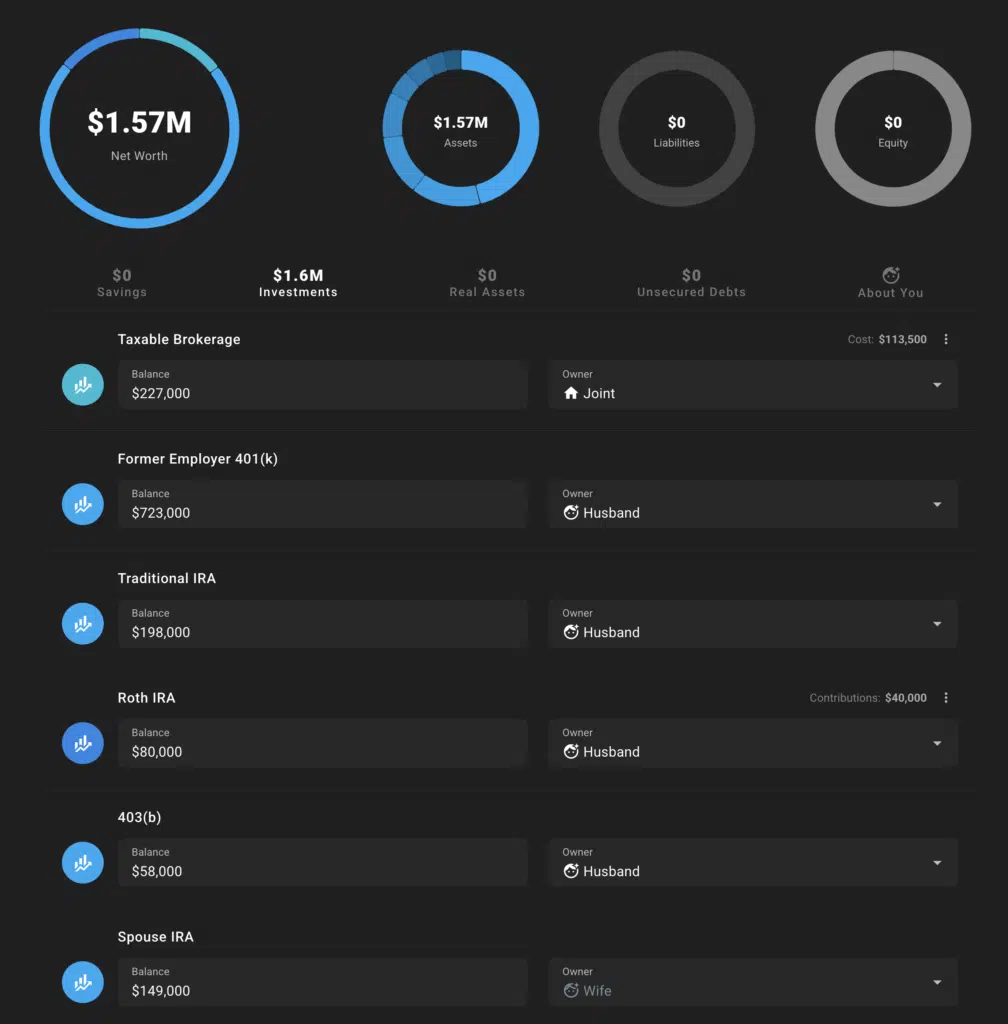
- 2021 (The Launch): The initial version focused on the core projection engine, offering basic net worth forecasting and Monte Carlo simulations. It was widely praised for its clean, modern interface, which stood in stark contrast to the dated, clunky designs of legacy competitors.
- 2022–2023 (Feature Expansion): Recognizing the need for deeper utility, the development team accelerated the rollout of advanced features. This period saw the introduction of robust "Flows" (cash-flow management), allowing users to prioritize debt payments and savings contributions.
- 2024–Present (The Professional Suite): Today, ProjectionLab has evolved into a full-featured planning suite. The addition of complex tax optimization, estate planning modules, and international support has elevated the software from a "calculator" to a comprehensive financial planning platform that rivals the tools used by certified financial planners (CFPs).
Supporting Data and Technical Capabilities
The effectiveness of any financial tool is rooted in its underlying methodology. ProjectionLab distinguishes itself through three core technical pillars:
1. The Monte Carlo Engine
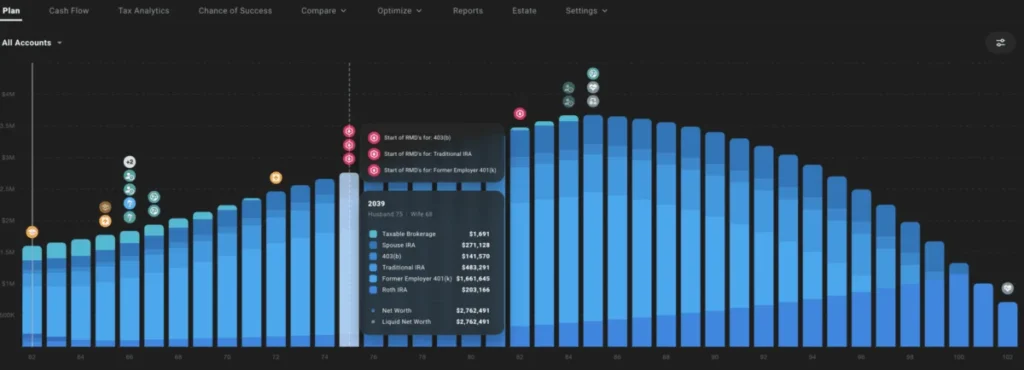
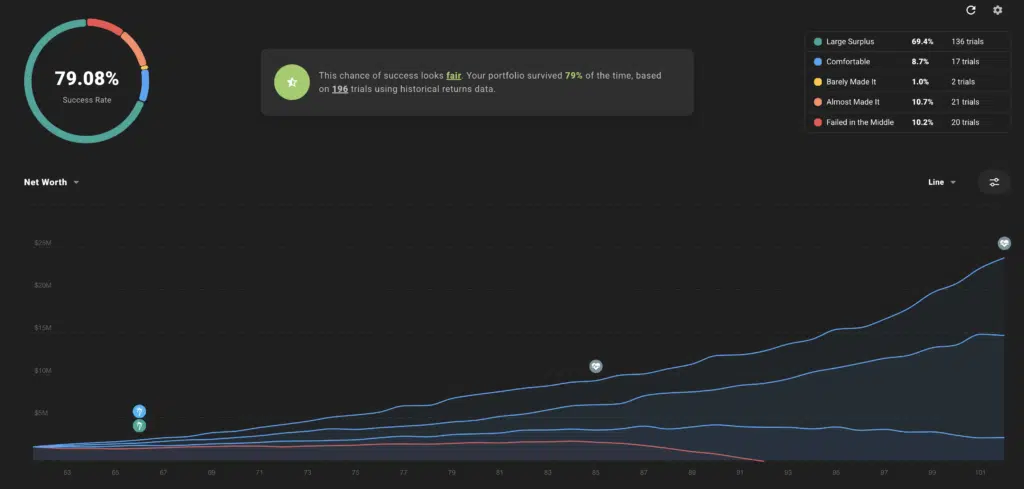
ProjectionLab does not rely on linear projections, which assume a steady, average return on investment. Instead, it runs thousands of "Monte Carlo" simulations—probabilistic models that account for market volatility. By simulating thousands of different market sequences, the software provides a "Chance of Success" percentage. This figure helps users understand the likelihood of their plan surviving diverse economic conditions, including market crashes and extended periods of stagnation.
2. Tax Optimization Logic
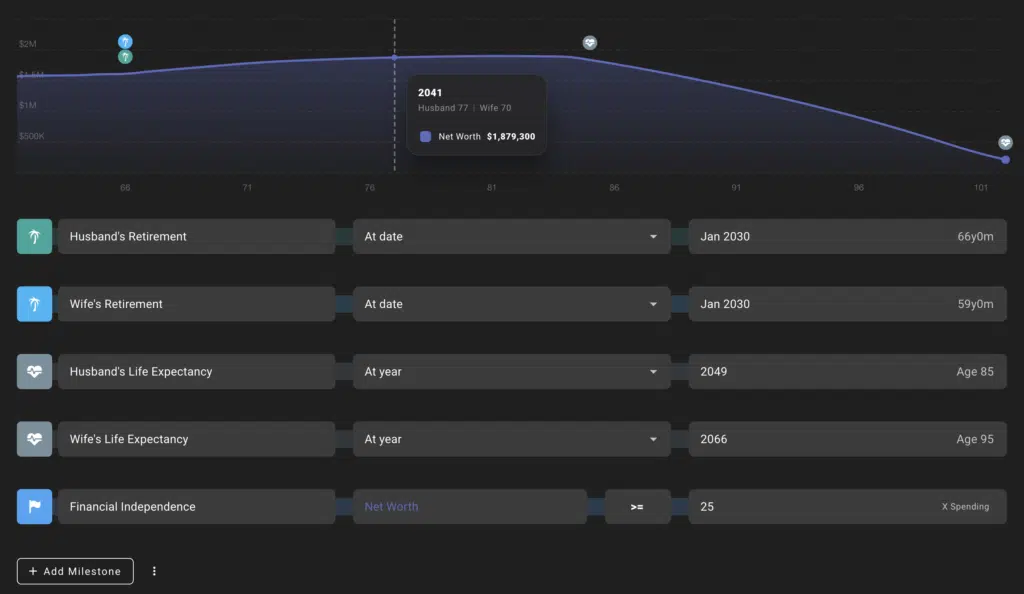
Perhaps the most significant differentiator is the platform’s tax engine. Most retail tools assume a flat tax rate, which is a dangerous simplification for long-term planning. ProjectionLab models federal and state tax brackets, capital gains, and even the complex nuances of Roth conversions and required minimum distributions (RMDs). It allows users to test the impact of "tax-efficient withdrawal strategies," helping them determine exactly which accounts to draw from first to minimize their lifetime tax burden.
3. The "Sankey" Visualization
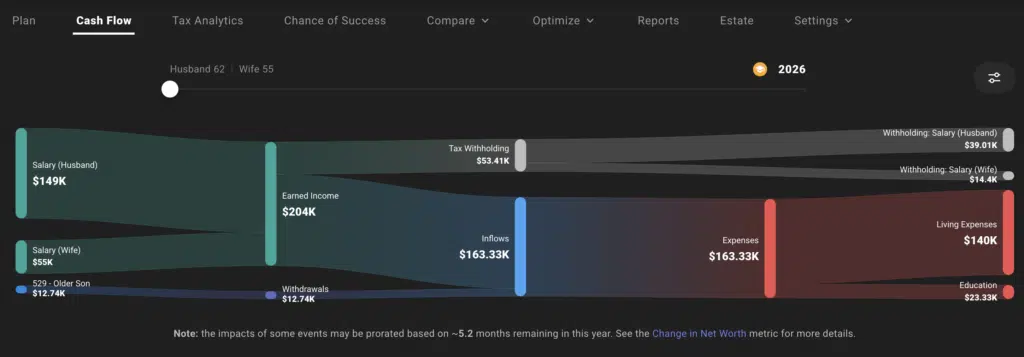
Data visualization is often an afterthought in financial software, but not here. The platform’s Sankey diagram feature provides a visual map of cash flow. Users can see exactly where their income goes—from gross earnings, through taxes and mandatory expenses, to savings and investments. This transparency is critical for users looking to optimize their savings rate or identify "leaks" in their monthly budget.
Official Stance and Philosophy
The development team at ProjectionLab maintains a transparent approach regarding their roadmap. When speaking with industry observers, the consensus regarding their mission is clear: to empower the individual to make better financial decisions through superior modeling.
The team has consistently avoided the temptation to monetize user data, a move that has earned them high trust scores within the privacy-conscious community. Furthermore, the decision to offer a professional "Pro" tier for financial advisors confirms that the engine is robust enough to handle the complex, multi-faceted portfolios typical of high-net-worth clients, yet accessible enough for a DIY investor to operate.
Strategic Implications: Why It Matters
Using a tool like ProjectionLab has profound implications for a user’s financial behavior.
From "Hope" to "Certainty"
Most people plan their retirement based on rough estimates. By forcing the user to define milestones—such as buying a home at 40, retiring at 55, or planning for a large medical expense at 70—the software moves the user from a state of passive "hope" to active "certainty." If a plan shows a 60% chance of success, the user can immediately test the impact of working one year longer or increasing their savings by 5%, watching the success rate climb in real-time.
The "Compare" Advantage
The "What-If" mode is arguably the most valuable feature for strategic decision-making. By allowing users to run side-by-side comparisons of different life paths—such as "Pay off the mortgage early vs. invest the extra cash"—users can see the long-term impact of their choices in terms of net worth, tax impact, and success probability. This removes the emotional weight from financial decisions, replacing it with cold, hard data.
Global Accessibility
The recent inclusion of international tax presets for regions like the UK, Australia, and the EU signifies a shift toward a globalized product. For expatriates or non-US citizens, this is a significant development, as it provides a level of sophistication previously only available through high-end, expensive local financial planning software.
Pricing and Value Proposition
ProjectionLab operates on an annual subscription model.
- Basic (Free): Ideal for those who want to "kick the tires." It offers the core engine, Monte Carlo simulations, and backtesting, but data is not saved between sessions.
- Premium ($129/year): This is the target tier for the serious planner. It unlocks data persistence, tax optimization, estate planning, and the "Compare" mode. Given that the cost is often less than a single hour of consultation with a professional advisor, the value proposition for those managing significant assets is high.
- Pro ($549/year): Designed for advisors, this tier supports client-facing dashboards and collaborative features.
Final Verdict: Who Should Use It?
ProjectionLab is not for the passive user who wants a "set-it-and-forget-it" app. If you are looking for an app that tracks your daily spending automatically, you would be better served by a budgeting tool like YNAB or Monarch.
However, if you are a "hands-on" planner who enjoys the nuance of financial strategy, ProjectionLab is arguably the best tool on the market. It provides the rigor of a professional financial planner’s software with the accessibility of a modern, user-friendly interface.
By prioritizing privacy, providing granular tax modeling, and offering a robust scenario-testing environment, ProjectionLab has cemented itself as an essential tool for anyone serious about their long-term financial health. Whether you are aiming for early retirement or simply want to ensure your golden years are secure, the insights gained from building a detailed model here are worth every cent of the annual subscription.