Beyond Mint: Navigating the New Landscape of Personal Finance Management
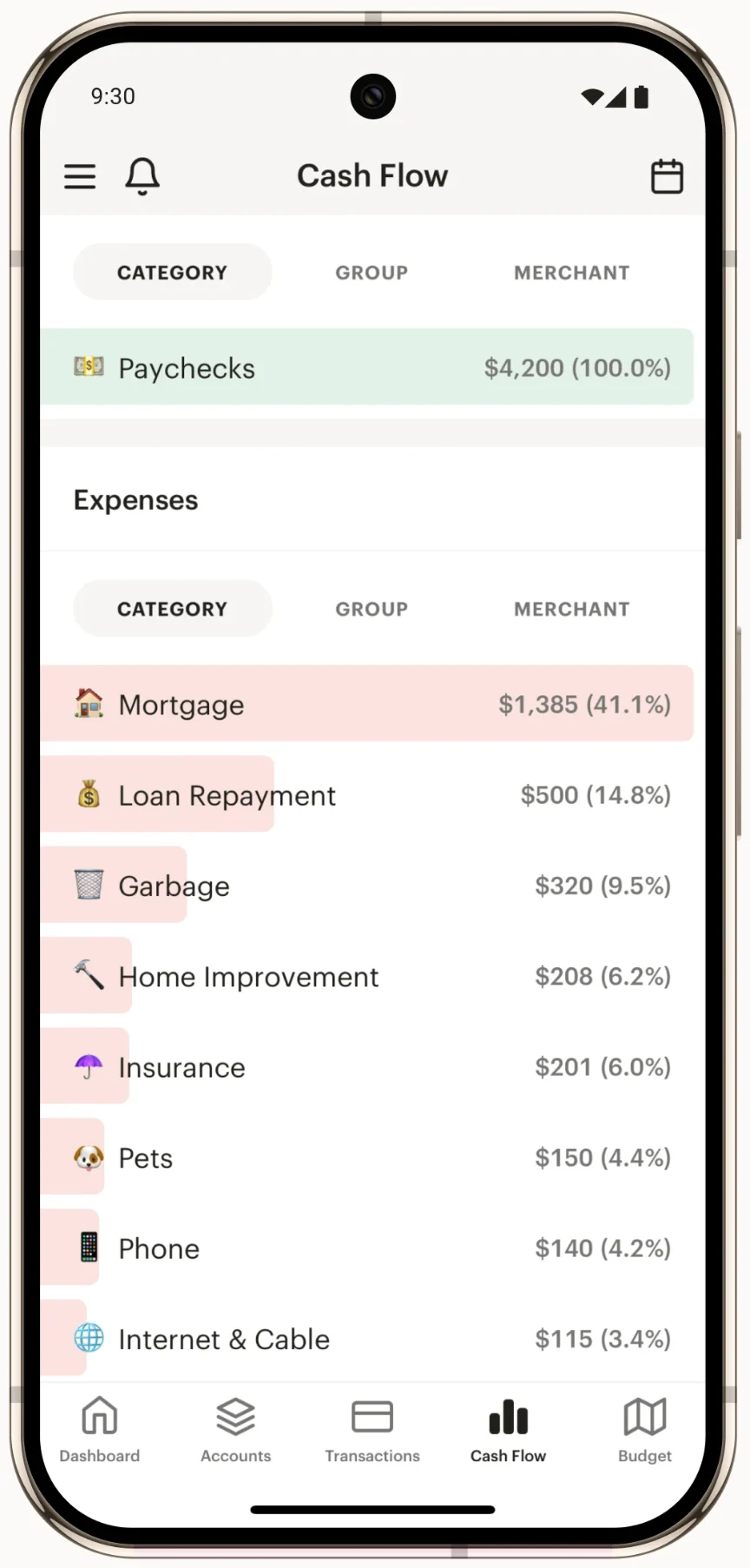
For nearly two decades, Mint.com served as the digital backbone for millions of Americans seeking to gain control over their personal finances. When it launched in 2007, it revolutionized the industry by offering a free, automated way to aggregate bank accounts, track spending, and visualize net worth. However, following its 2009 acquisition by Intuit and its subsequent shuttering, a massive void has been left in the personal finance space.
For the millions of users who relied on Mint’s intuitive dashboard, the transition has been both frustrating and confusing. The sudden sunsetting of such a staple service has forced consumers to re-evaluate how they track their wealth. This article explores the best alternatives to Mint, grounded in extensive personal testing and analysis, to help you find the right tool for your financial journey.
The Rise and Fall: A Brief Chronology of Mint
To understand the current market, one must look at the trajectory of Mint.
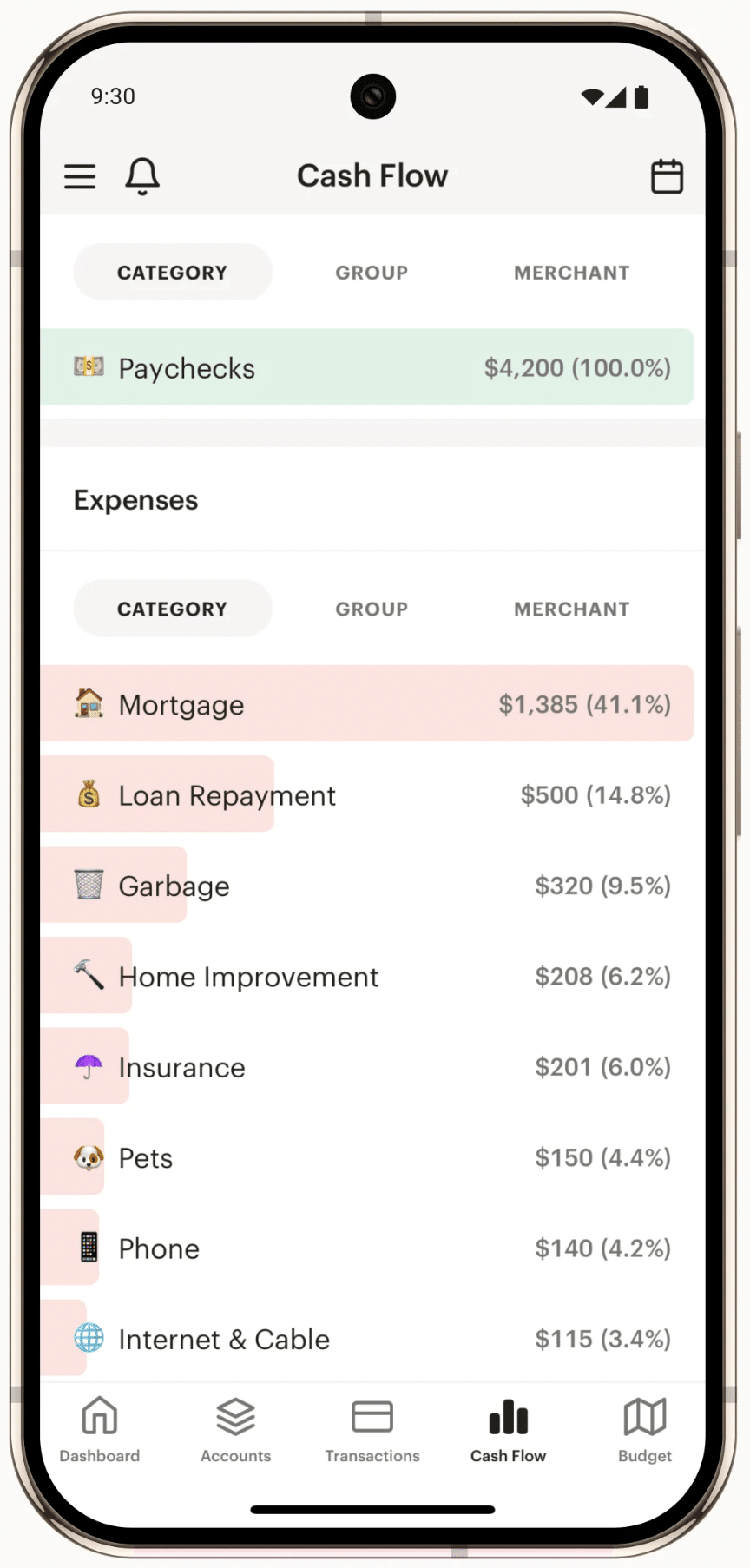
- 2007: Mint launches, introducing the concept of "aggregated personal finance" to the masses. It quickly becomes the gold standard for free budgeting apps.
- 2009: Intuit, the parent company of TurboTax and QuickBooks, acquires Mint for approximately $170 million, signaling the importance of consumer financial data.
- 2023–2024: Intuit announces the sunsetting of Mint.com, migrating some functionality to Credit Karma, a move that left many power users dissatisfied due to a lack of robust budgeting features.
- The Present: A competitive ecosystem of startups and established financial software providers has emerged, vying for the loyalty of displaced Mint users.
The Methodology: How to Choose Your Next Financial Hub
In evaluating these alternatives, I have tested dozens of platforms over several years. My selection criteria focused on four pillars: Data Reliability (how well the app syncs with financial institutions), User Experience (the intuitiveness of the interface), Budgeting Flexibility (the ability to customize categories and rules), and Investment Tracking (the depth of reporting for portfolios).
1. Monarch Money: The Best Overall Budgeting Experience
After two years of personal use, Monarch Money stands out as the premier successor to Mint. Founded by Val Agostino—who, notably, served as the first product manager on the original Mint team—the platform feels like a modernized, premium evolution of the Mint experience.
Why It Excels
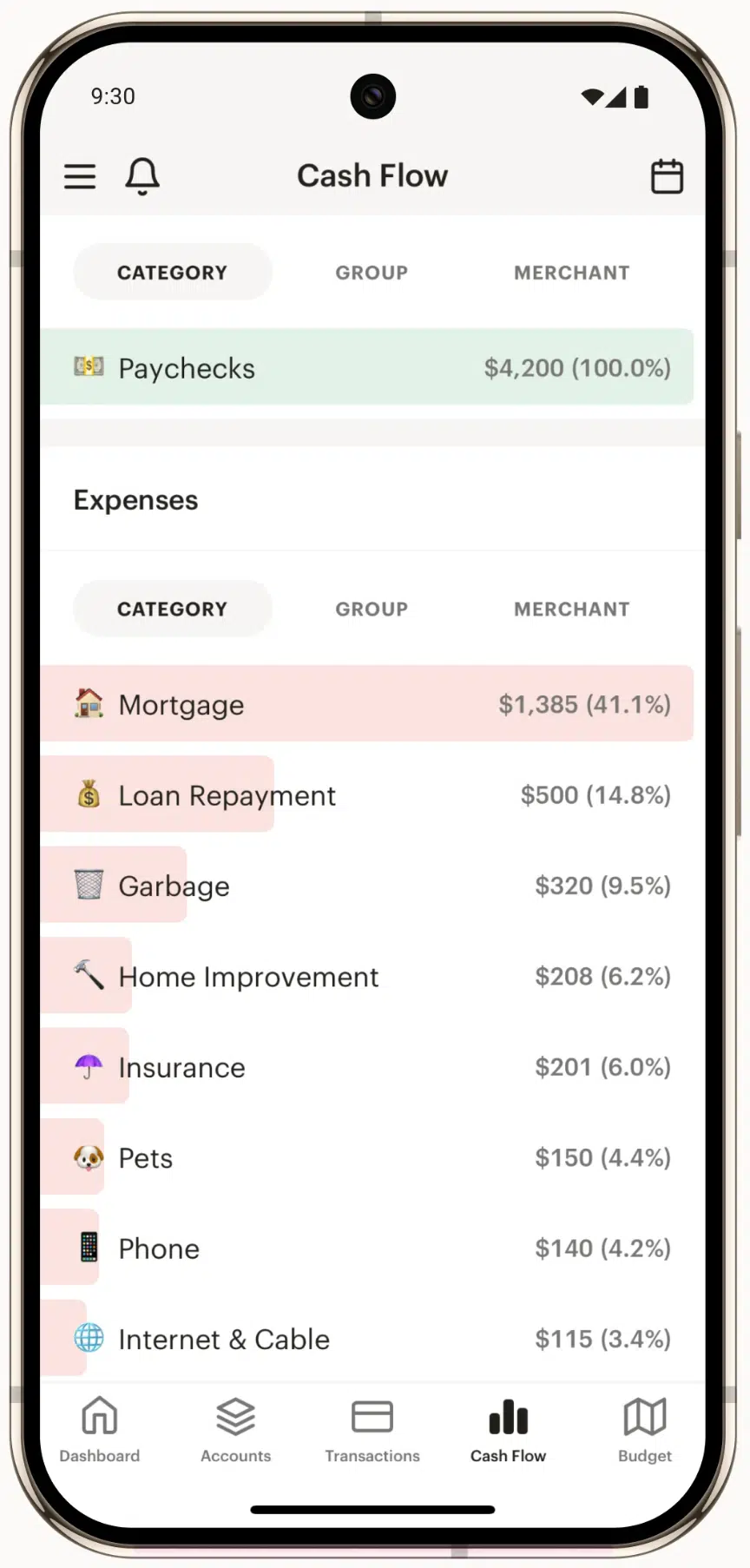
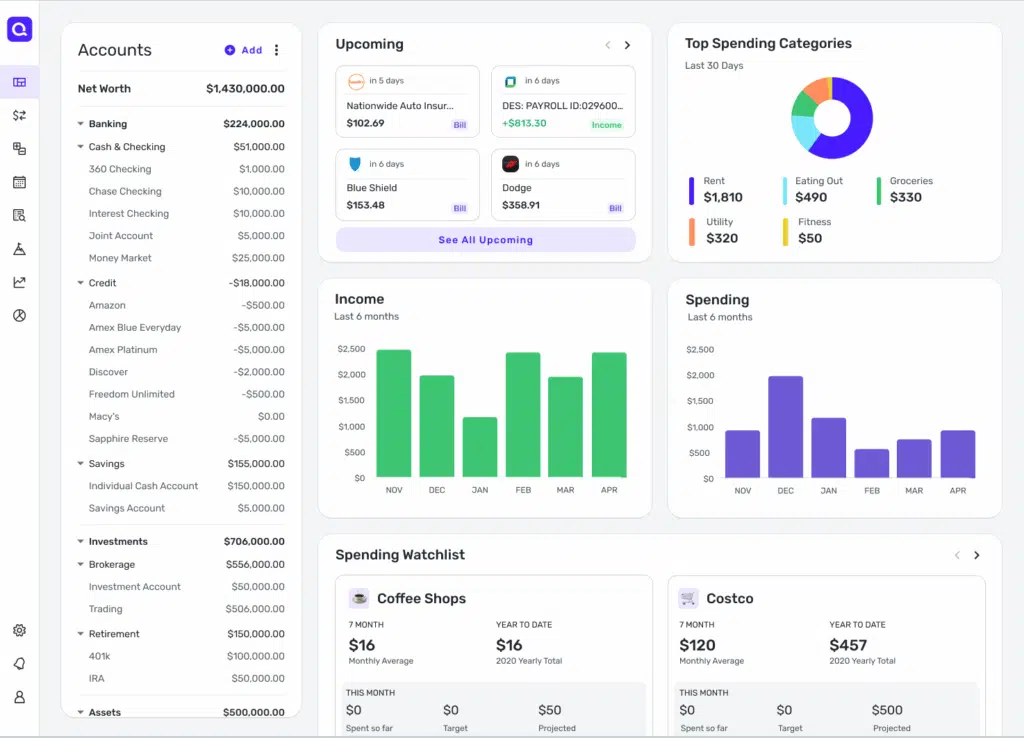
Monarch offers a comprehensive suite of features that go beyond basic tracking. Its dashboard is clean and highly customizable, providing a holistic view of your net worth, cash flow, and recent transactions. A standout feature is "Flex Budgeting," which allows users to handle volatile expenses—such as utility bills that fluctuate by season—without breaking their budget plan.
Key Advantages
-
Comprehensive Syncing: Seamlessly pulls data from thousands of institutions.
-
Subscription Management: Automatically identifies and tracks recurring payments, preventing "subscription creep."
-
Investment Depth: Tracks not just balances, but performance and asset allocation across retirement and brokerage accounts.

-
Collaboration: Allows for multi-user access, making it ideal for couples managing household finances together.
-
Cost: 7-day free trial, then $8.33/month (billed annually). Pro-tip: Using the promo code ROB50 grants 50% off the first year.
2. Quicken Simplifi: The Smartphone-First Contender
Unlike older iterations of Quicken software, Simplifi was built from the ground up to be a mobile-native budgeting tool. It is an excellent choice for users who want automation to do the heavy lifting.
The Power of Automation
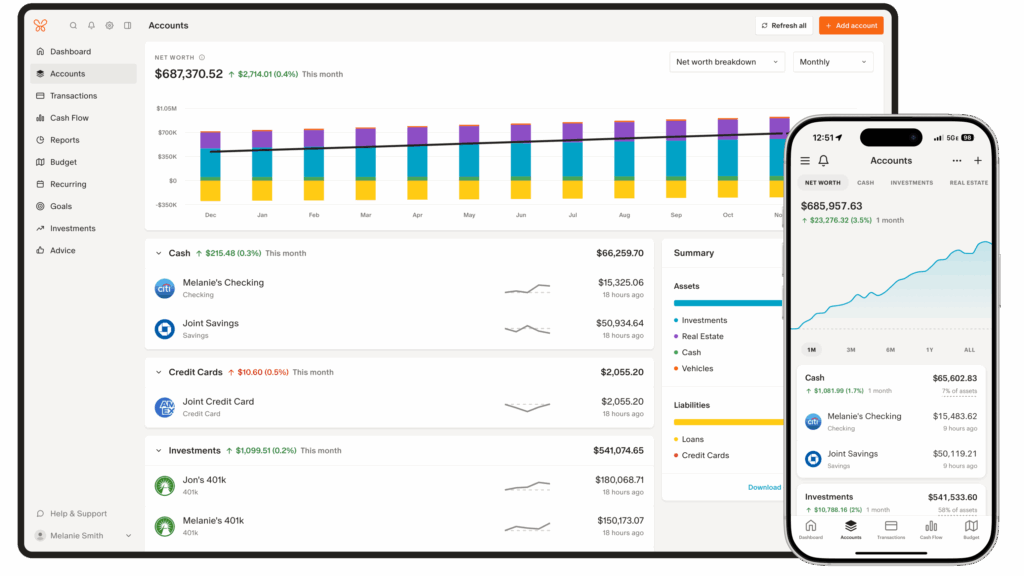
Simplifi excels at creating a "Spending Plan" based on your actual income and recurring expenses. By analyzing your history, it calculates exactly how much "safe-to-spend" money you have left for the month, effectively removing the guesswork from daily budgeting. It includes a robust calendar view, which is invaluable for those who need to visualize upcoming bills against their pay cycles.
- Best for: Users who want a set-it-and-forget-it mobile experience.
- Cost: 7-day free trial, then $6.99/month (billed annually, with current 50% off promotions available).
3. Rocket Money: Budgeting Simplified
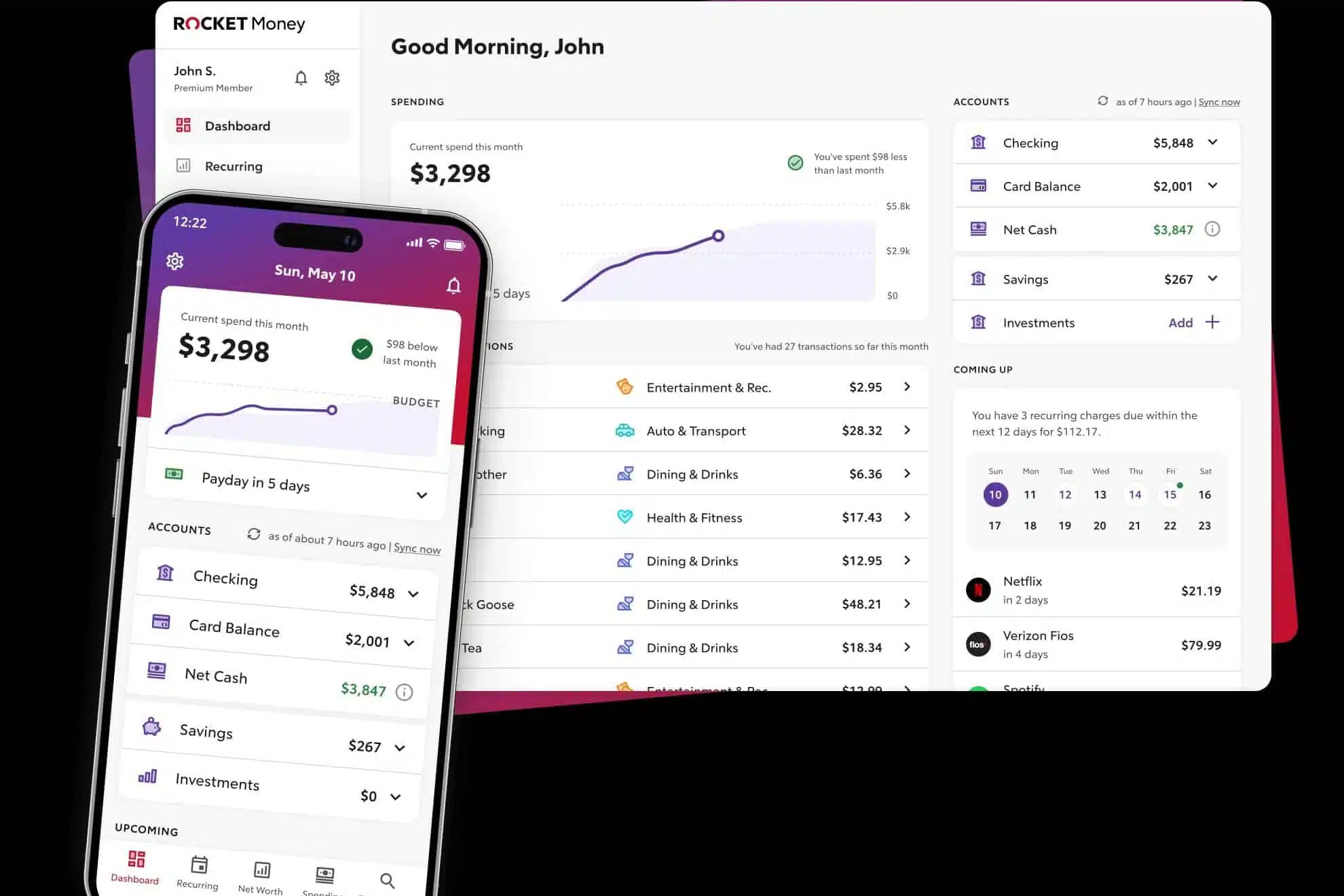
If your primary goal is to trim fat from your budget, Rocket Money is the most effective tool on this list. It gained popularity for its ability to negotiate bills on behalf of users and cancel unwanted subscriptions with minimal effort.
Why It Replaces Mint
Rocket Money mirrors the simplicity of Mint while offering a more modern, aesthetic interface. The free version covers all the essential budgeting basics, making it a low-barrier-to-entry choice for former Mint users.
- Key Feature: "Pay-what-you-want" premium tier (starting at $7/month) that unlocks deeper insights, including credit score monitoring and manual net worth adjustments.
4. Empower: The Powerhouse for Investors
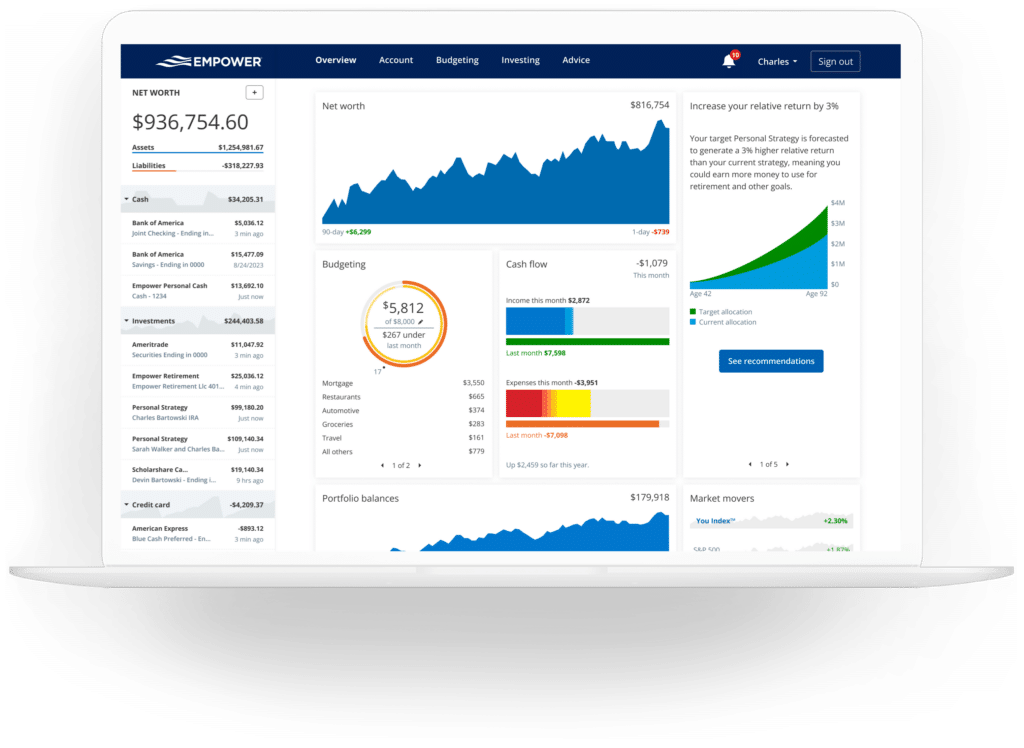
Formerly known as Personal Capital, Empower is a long-standing titan in the personal finance space. If your priority is wealth management rather than daily expense categorization, this is the gold standard.
Why It Remains Relevant
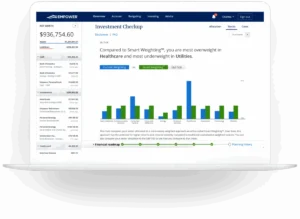
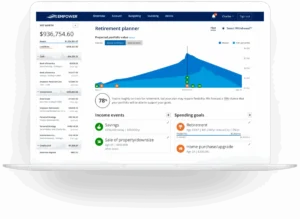
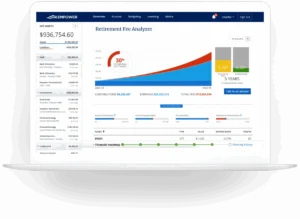
Empower is free, which makes it a direct, high-quality replacement for the "free" aspect of Mint. However, it offers institutional-grade analysis of your investments, including a "Fee Analyzer" that identifies hidden costs in your 401(k) and brokerage accounts. It provides a deeper dive into retirement planning and asset allocation than any other app on this list.
5. Origin: The Comprehensive Financial Advisor
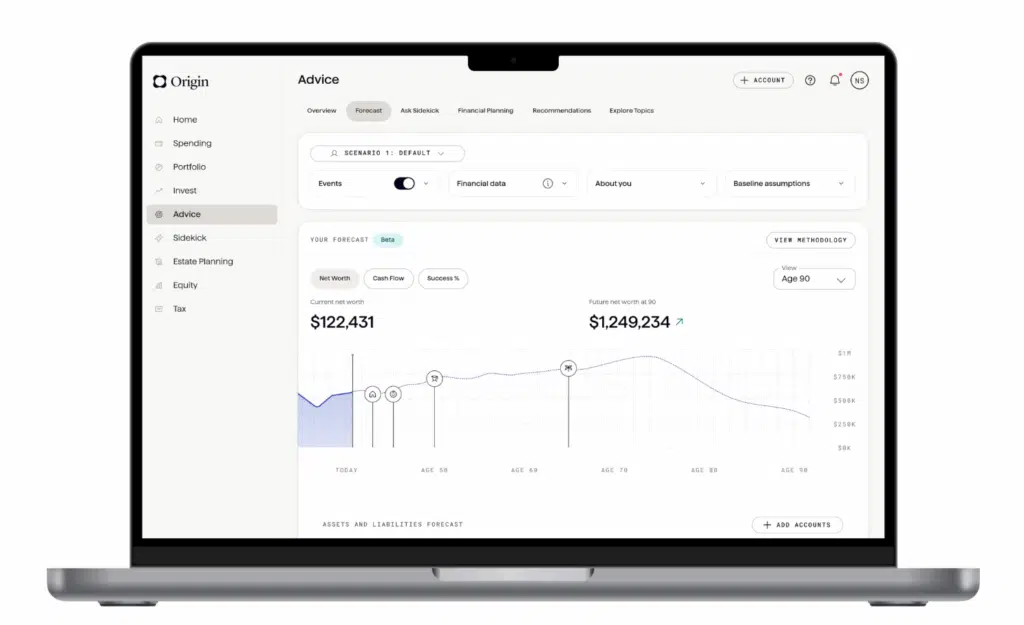
Origin represents the cutting edge of personal finance. It is far more than a budget tracker; it is an all-in-one financial dashboard that integrates tax planning, estate document preparation, and AI-driven financial coaching.
AI Integration
Origin’s use of artificial intelligence allows for natural language queries. Instead of digging through menus to see if you can afford a new purchase, you can ask the app, "Can I afford a $2,000 vacation this month based on my current savings goals?" The app analyzes your cash flow and provides an immediate, data-backed answer.
6. Tiller Money: For the Spreadsheet Purist
There is a specific subset of users who find app-based dashboards too limiting. For them, Tiller Money is the ultimate solution. Tiller doesn’t provide a proprietary app; instead, it feeds your financial data directly into Google Sheets or Microsoft Excel.
Why It’s Unique
By leveraging the power of spreadsheets, Tiller allows for infinite customization. If you want to build a custom pivot table to analyze your grocery spending over the last five years, Tiller makes that data available to you. While it has a steeper learning curve than Monarch or Simplifi, the granular control it offers is unmatched.
7. You Need A Budget (YNAB): The Zero-Based Budgeting King
YNAB is less of a tracker and more of a philosophy. It utilizes the "zero-based budgeting" method, which requires you to assign every dollar a "job" the moment it hits your account.
Pros and Cons
While YNAB is incredibly effective at changing spending habits, it is strictly a budgeting tool. It does not provide the robust investment tracking found in Empower or the comprehensive financial planning found in Origin. It is also one of the more expensive options, making it a niche choice for those who are deeply committed to the zero-based budgeting methodology.
Summary Comparison Table
| App | Best For | Price Model |
|---|---|---|
| Monarch Money | Overall / Couples | $8.33/mo (Annual) |
| Quicken Simplifi | Smartphone Users | $6.99/mo (Annual) |
| Rocket Money | Budgeting / Subscriptions | Free / $7+ Premium |
| Empower | Investment Tracking | Free |
| Origin | Holistic Planning / AI | $99/year |
| Tiller Money | Spreadsheet Users | $99/year |
| YNAB | Zero-Based Budgeting | $109/year |
Implications for the Future of Personal Finance
The closing of Mint signifies a broader shift in the fintech industry: the move from "free, ad-supported" tools to "paid, privacy-focused" platforms. Most of the top-tier alternatives listed above do not sell user data to third-party advertisers. Instead, they operate on subscription models, which creates an incentive for these companies to build features that provide actual value to the user rather than simply capturing data.
For former Mint users, the transition period may be taxing, but it is also an opportunity. By migrating to a more robust, specialized platform, users can gain access to better analytical tools, improved security, and, ultimately, a more stable foundation for their long-term financial health.
When choosing your new home for your financial data, ask yourself: Am I looking for simple budget tracking, or do I need a comprehensive view of my net worth and investments? The answer to that question will lead you to the right tool—whether it is the user-friendly Monarch Money, the analytical depth of Empower, or the raw power of a Tiller-driven spreadsheet.