Navigating Your Golden Years: The Definitive Guide to Retirement Planning Software
Retirement planning is arguably the most significant financial project an individual will undertake. It is a long-term endeavor that evolves as we age: when we are decades away from leaving the workforce, the focus is on accumulation—determining savings rates and asset allocation. As we approach the "finish line," the conversation shifts to distribution—calculating sustainable withdrawal rates to ensure we maintain our lifestyle without the risk of depleting our savings prematurely.
In the digital age, retirement calculators and comprehensive planning software have become the primary tools for navigating this transition. However, not all tools are created equal. Because these platforms rely on a complex series of mathematical assumptions and disparate methodologies, they often yield starkly different outcomes. A recent industry study examining five popular retirement planning packages highlighted significant variances in their projections, leading experts to recommend a "multi-tool" approach: individuals should stress-test their financial plans using several different programs before committing to a specific course of action.
The Evolution of Retirement Planning: From Spreadsheets to Sophisticated Simulations
The history of retirement planning has moved from rudimentary back-of-the-envelope calculations to sophisticated, cloud-based software capable of running thousands of Monte Carlo simulations in seconds. In the past, the "4% rule" served as the gold standard for retirees. Today, that rule is often viewed as too simplistic, failing to account for the volatility of modern markets, tax-law changes, and the "smile" of retirement spending—where expenses are often higher in the early, active years of retirement and later during end-of-life care.
Modern retirement software has stepped in to fill this gap. By allowing users to input specific variables—such as Social Security claiming ages, pension payouts, Roth IRA conversion timelines, and dynamic healthcare costs—these tools provide a more nuanced, albeit complex, picture of one’s financial future.
Key Considerations: Why Your Choice of Software Matters
When choosing a retirement planning tool, users must distinguish between a "calculator" and "planning software." A calculator typically provides a high-level, static view based on limited inputs. In contrast, robust planning software creates a dynamic, multi-dimensional model of your financial life.
The Methodology Gap
Different software packages prioritize different economic theories. Some lean toward "consumption smoothing," an economic model that attempts to balance spending evenly across a lifetime. Others focus on "success probability," utilizing Monte Carlo simulations to show the likelihood that your portfolio will survive a 30-year retirement based on thousands of historical market scenarios. Understanding which philosophy a tool uses is critical to understanding why your results might change from one platform to the next.
Top-Tier Retirement Planning Tools: A Comparative Analysis
After years of testing various platforms, four tools have emerged as the industry leaders. Each offers a unique blend of user experience, analytical depth, and specific feature sets.
1. Boldin (Formerly New Retirement)
Boldin is arguably the most comprehensive tool for those who prefer granular control. It is designed for the user who wants to model every facet of their retirement.
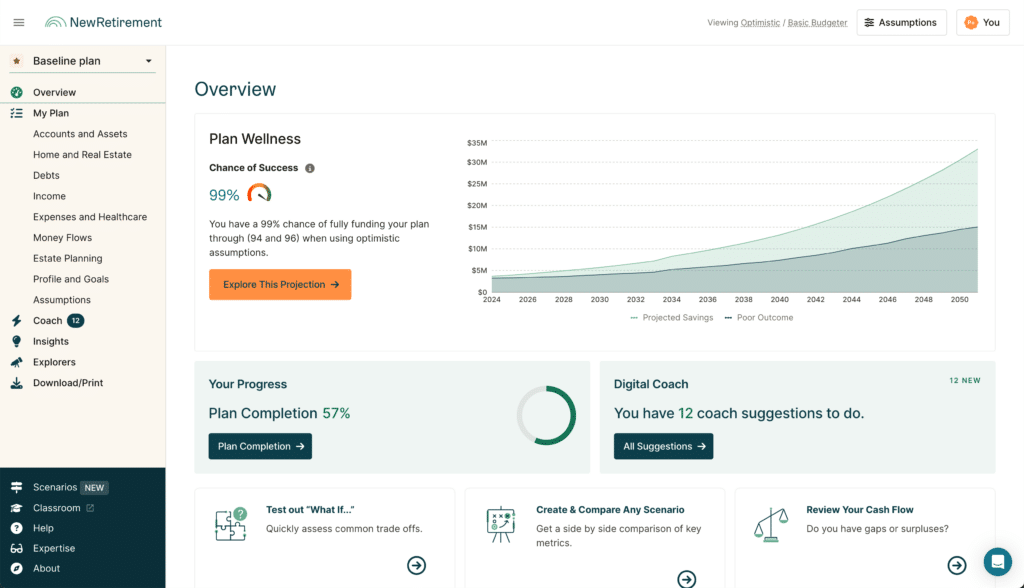
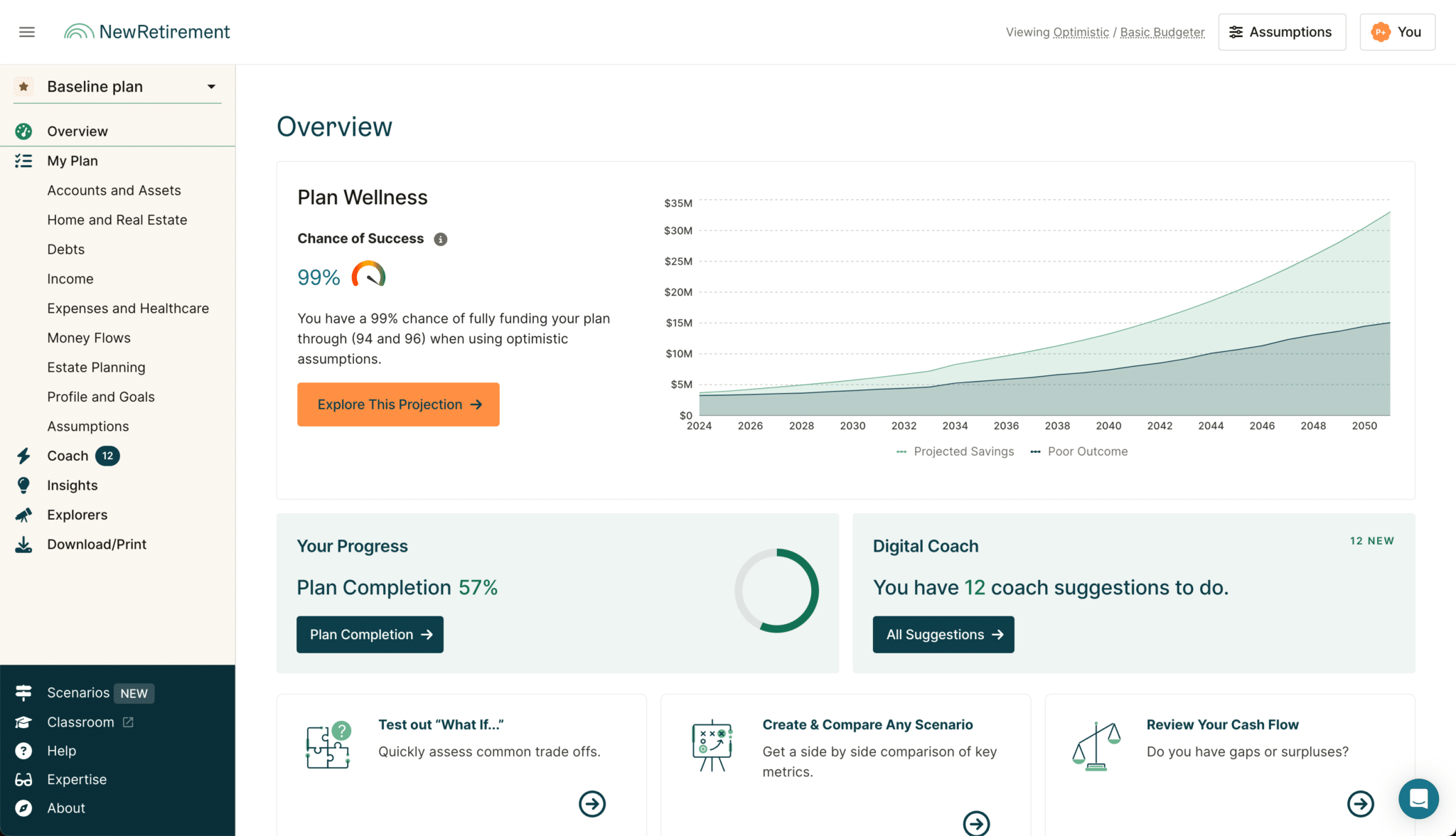
- Functionality: Beyond basic income and expense tracking, Boldin allows for the modeling of Social Security strategies, Medicare premium impacts, and complex tax maneuvers like Roth IRA conversions.
- User Experience: While it offers a "Quick Start" guide for a five-minute snapshot, its true power lies in its deep-dive features. Users can link accounts for real-time data or enter information manually for a private, "what-if" simulation.
- Pricing: Boldin offers a robust free version, with a "PlannerPlus" subscription available for $144 annually.
- Strategic Advantage: The ability to model Roth conversions is a standout feature, as it allows users to optimize their long-term tax liabilities—a feature often missing from simpler tools.
2. ProjectionLab
ProjectionLab, founded by developer Kyle Nolan, represents the next generation of financial planning software, prioritizing an intuitive interface without sacrificing analytical power.
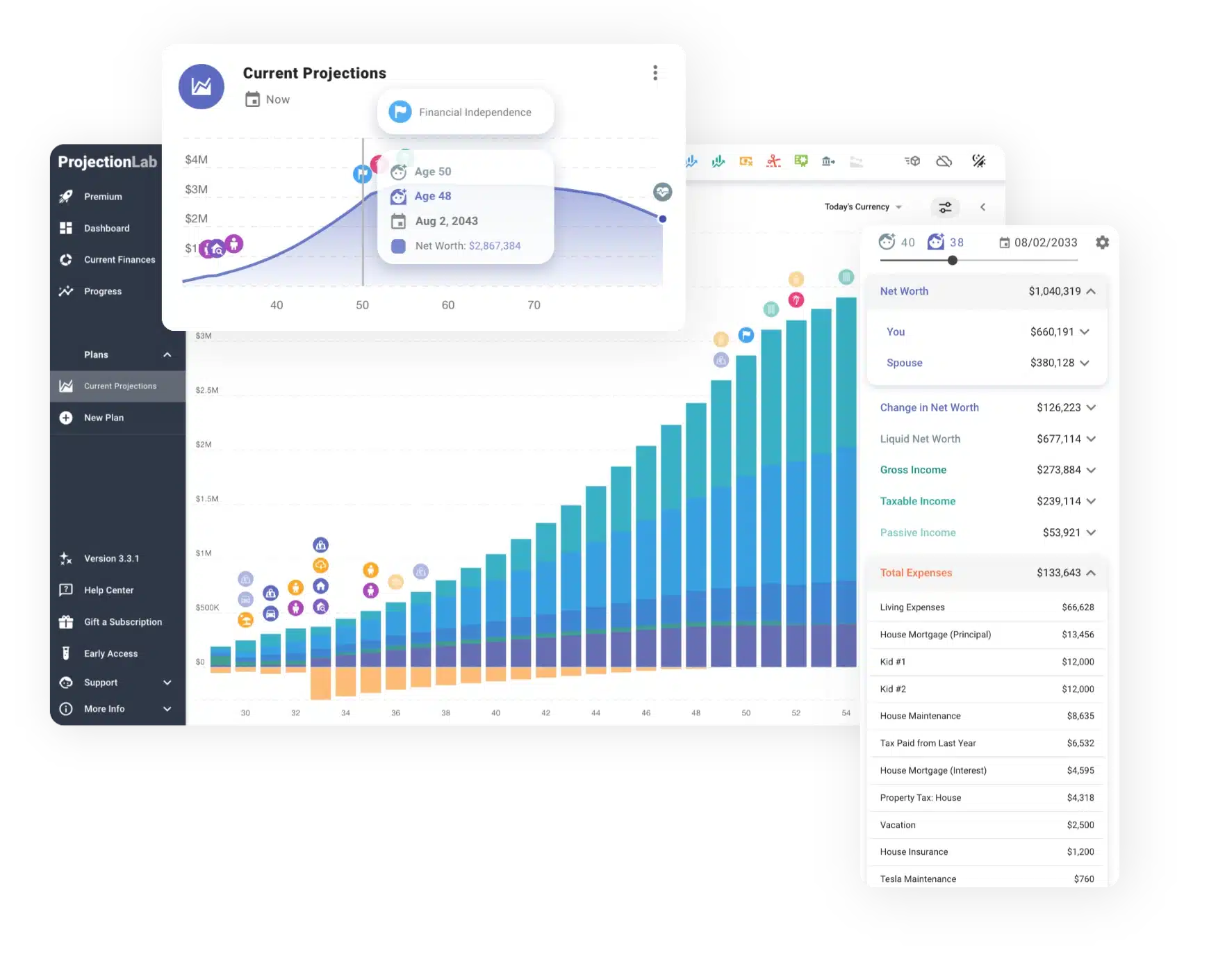
- Functionality: It excels in tax analysis and "what-if" scenario planning. It provides a visual, interactive experience that makes complex financial modeling feel accessible.
- Simulation Capabilities: Unlike many competitors, ProjectionLab integrates both Monte Carlo and historical simulations, allowing users to stress-test their portfolio against past market crashes and future market volatility.
- Pricing: It offers a free tier, with a premium version at $129/year.
- Strategic Advantage: The tool’s "withdrawal strategy" modeling—including the Guyten-Klinger and Variable Percentage Withdrawal methods—is best-in-class, offering retirees a roadmap for how to adjust spending based on market performance.
3. Empower (Formerly Personal Capital)
For those seeking a free, all-in-one solution, Empower remains the gold standard.
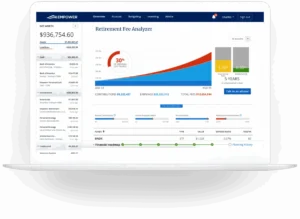
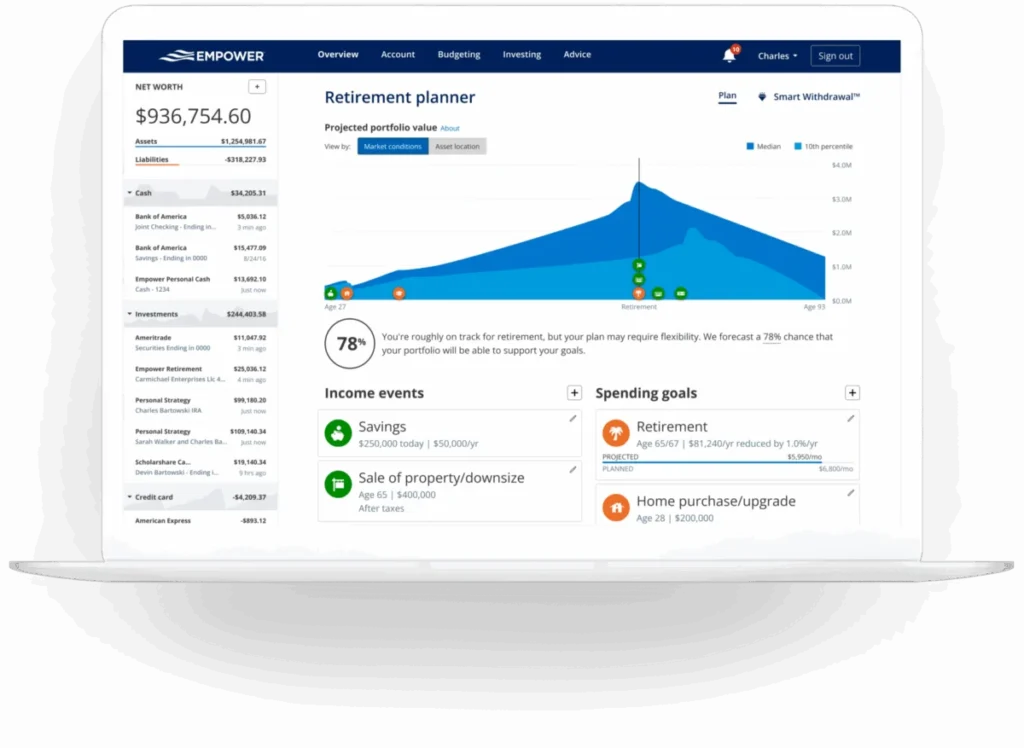
- Functionality: Empower’s strength lies in its integration. Once you link your 401(k), IRA, and brokerage accounts, the software pulls in your data to provide an automated, real-time look at your retirement readiness.
- Simulation: It utilizes Monte Carlo simulations to report the "likelihood of success," making it easy for users to understand if they are on track or if they need to increase their savings rate.
- Strategic Advantage: The ability to compare multiple scenarios side-by-side—such as retiring at age 62 versus age 67—is invaluable for those in the final stages of decision-making.
4. Maxifi
Maxifi takes a distinctly academic approach, centered on the "consumption smoothing" model.
- Functionality: Maxifi is designed to calculate exactly how much you can spend annually while maintaining a stable standard of living. It is less about "success probability" and more about optimizing your lifetime spending power.
- Complexity: This is the most sophisticated tool on the list. It can take significant time to input the necessary data, and it is generally better suited for users who enjoy high-level economic modeling.
- Strategic Advantage: It provides a unique perspective on financial planning that focuses on the "what you can spend" side of the equation rather than just the "how much you have" side.
Implications for the Future Retiree
The rise of these digital tools has democratized financial planning, shifting the power from high-fee advisors to the individual. However, this shift comes with responsibility. Users must be aware of the "garbage in, garbage out" principle: the quality of your plan is only as good as the accuracy of your assumptions.
The Multi-Tool Strategy
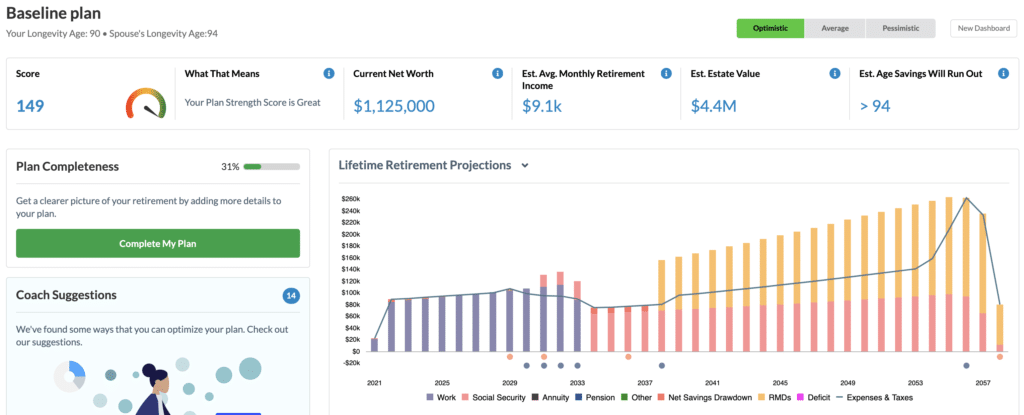
Industry experts suggest that no single software should be the final arbiter of your retirement fate. By running your numbers through both Boldin and Empower, for instance, you can identify where the projections align and where they diverge. If one tool shows a 95% success rate and another shows 60%, the discrepancy is likely found in the underlying assumptions regarding tax rates, inflation, or asset returns.
The Role of Professional Advice
While software can handle the math, it cannot handle the human element. Software cannot predict personal health crises, shifts in family dynamics, or the emotional toll of market volatility. Therefore, the most effective strategy is to use these tools to build a baseline plan, which can then be pressure-tested by a fee-only financial planner.
Conclusion
Retirement planning is no longer a task confined to annual meetings with a financial advisor; it is an ongoing, dynamic process that you can manage from your home office. By leveraging tools like Boldin, ProjectionLab, Empower, and Maxifi, you can gain a deeper understanding of your financial levers. Whether you are in the accumulation phase or nearing the retirement gate, the key is to remain informed, use multiple sources of data, and treat your retirement plan as a living document that requires constant attention and regular updates.
As you embark on this process, remember the overarching goal: not just to reach a specific net worth, but to build a plan that provides the security and flexibility to enjoy your retirement years on your own terms.