The Dawn of Vertical Mobility: Florida Lays the Groundwork for a New Era in Aviation
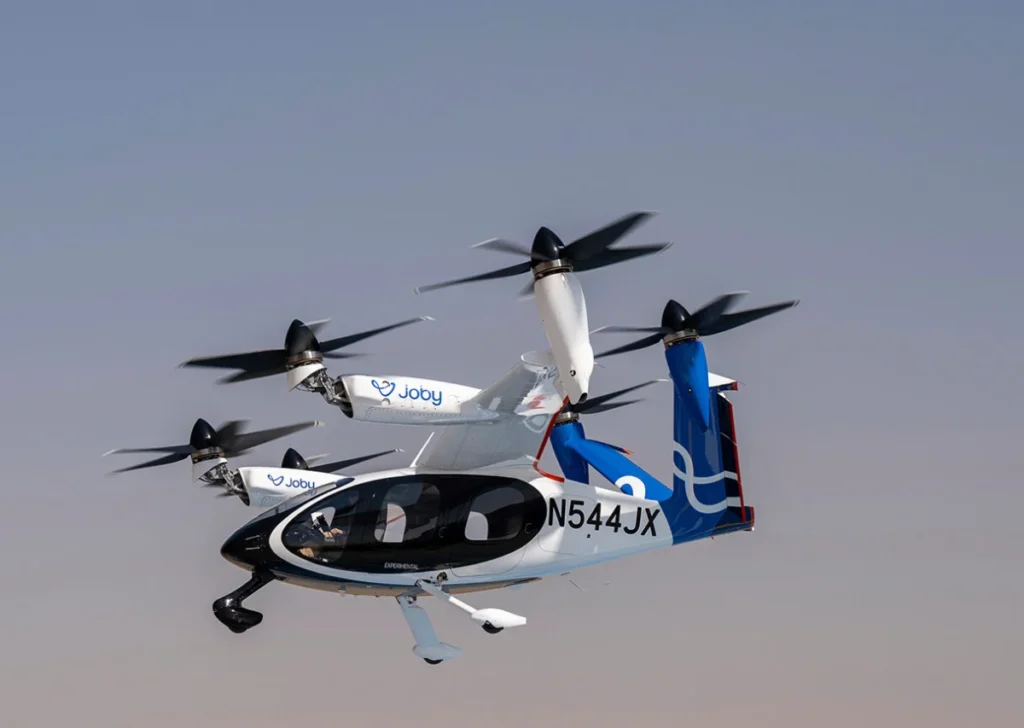
The science-fiction dream of "flying cars" has officially transitioned from the drawing board to the tarmac. This week, officials in Kissimmee, Florida, took a definitive step toward the future of urban air mobility (UAM), unveiling critical infrastructure at the Kissimmee Gateway Airport designed to support a burgeoning fleet of electric vertical take-off and landing (eVTOL) aircraft. As the Sunshine State positions itself as the epicenter of this technological revolution, the promise of transforming the grueling I-4 corridor commute into a seamless 30-minute aerial hop is moving closer to reality.
The Infrastructure Milestone: Kissimmee’s Strategic Pivot
The recent unveiling at Kissimmee Gateway Airport represents more than just a ribbon-cutting ceremony; it serves as a proof-of-concept for the next generation of transportation. The new facility includes advanced air-traffic management technology specifically calibrated for low-altitude, high-frequency electric flight, alongside high-capacity, rapid-charging stations engineered to keep eVTOL aircraft operational throughout the business day.
"We are looking at a paradigm shift in regional connectivity," said Shaun Germolus, Director of Aviation for Kissimmee. During the press conference, Germolus articulated the core value proposition of the project: "We will go from the Orlando area to Tampa within 30 minutes." By bypassing the notorious ground-level traffic congestion that plagues the Central Florida region, these air taxis aim to reclaim hours of lost productivity for commuters and business travelers alike.
The selection of Kissimmee as a hub is no accident. Situated within the orbit of the world’s most visited tourist destinations and a rapidly expanding tech corridor, the airport is perfectly positioned to serve as a nerve center for regional air taxi routes.
Chronology: A Rapid Ascent Toward Certification
The integration of air taxis into Florida’s airspace is the result of a multi-year, multi-stakeholder effort that has accelerated significantly over the last 18 months.
- 2022–2023: The Planning Phase. Regulatory bodies and municipal planners began drafting the initial safety protocols and land-use requirements for "vertiports"—the specialized landing pads required for eVTOLs.
- Early 2026: The Regional Push. Several key Florida airports, including Tampa International Airport (TPA) and St. Petersburg’s Albert Whitted Airport, officially announced their integration strategies. These hubs began mapping out interconnected routes, signaling a shift from individual pilot projects to a unified network.
- May 2026: The Strategic Alignment. A wave of regional airport authorities synchronized their planning, emphasizing the need for standardized charging infrastructure and noise-abatement flight paths.
- Current Week: The Kissimmee Unveiling. The installation of physical charging hardware and traffic management software marked the transition from "visionary planning" to "operational readiness."
- 2026–2028 (Projected): Certification and Commercial Launch. Industry analysts and stakeholders anticipate that the first wave of battery-powered eVTOL aircraft will receive full Federal Aviation Administration (FAA) certification within the next one to two years, paving the way for commercial passenger services.
Supporting Data: Why eVTOLs Are Changing the Game
The viability of air taxis rests on three technological pillars: battery density, electric propulsion efficiency, and automated flight control systems.
1. Energy Efficiency and Performance
Unlike traditional helicopters, which rely on internal combustion engines, eVTOLs utilize distributed electric propulsion. This makes them significantly quieter and more energy-efficient. Current prototypes, such as those developed by Joby Aviation, are designed to carry four to five passengers plus a pilot, cruising at speeds between 150 and 200 mph.
2. Time-Savings Analytics
Current ground travel between Orlando and Tampa during peak hours can exceed two hours due to heavy traffic on the I-4. By utilizing direct aerial routes, eVTOL operators estimate a reduction in travel time by approximately 75%. In economic terms, this efficiency gain is estimated to provide tens of millions of dollars in indirect economic stimulation by increasing the mobility of the high-skilled labor force in the region.
3. Safety and Automation
The FAA’s stringent certification process—specifically Part 23 and Part 135 requirements—ensures that these aircraft meet the same safety standards as commercial airliners. The reliance on redundant flight control systems and automated collision-avoidance technology minimizes the risk of human error, which remains the leading cause of aviation accidents.
Official Responses and Political Stakes
The political appetite for this technology in Florida is robust. State Senator Kristin Arrington (D-Kissimmee) has been a vocal proponent of the infrastructure investment, noting that the state’s history is inextricably linked to its transportation advancements.
"History has shown that communities that have invested in transportation have prospered and grown," Arrington stated during the announcement. "By embracing this technology, we are ensuring that Florida remains at the forefront of the global economy. We are not just building charging stations; we are building the pathways for the next century of commerce."
The legislative support reflects a broader realization among Florida officials: the state’s population growth is outstripping its traditional highway capacity. Rather than attempting to solve the problem solely through asphalt expansion, which is both costly and environmentally taxing, the focus has shifted to the "third dimension"—the sky.
Implications for the Future: A New Urban Fabric
The implications of a successful air taxi network in Florida are profound, extending far beyond simple transit.
Economic Development
The establishment of vertiports is expected to attract high-tech maintenance, repair, and overhaul (MRO) jobs to the region. As these hubs become operational, they will require a new class of specialized aviation technicians, software engineers for flight management, and ground-crew personnel trained in high-voltage charging systems.
Environmental Impact
One of the most compelling arguments for eVTOLs is the transition to carbon-neutral aviation. By replacing thousands of short-haul, gas-powered vehicle trips with electric flights, the regional carbon footprint is expected to shrink. However, environmental groups have noted that the success of this transition depends entirely on the source of the electricity used at the charging stations—pushing the state to accelerate its solar and renewable energy investments to power these "green" hubs.
Urban Planning and Real Estate
The presence of a vertiport will likely change the commercial real estate landscape. Properties near these hubs are expected to see an increase in value, as they offer the ultimate convenience for the "hyper-mobile" professional. City planners are now grappling with how to integrate these hubs into existing urban centers without disrupting residential zones through noise pollution or increased low-altitude traffic.
Challenges Ahead: The "Last Mile" and Public Trust
Despite the optimism, significant hurdles remain. Integrating eVTOLs into the National Airspace System alongside commercial jets and small private aircraft requires a level of traffic coordination that does not yet exist. Furthermore, public acceptance is critical. The noise profile of these aircraft is significantly lower than that of a helicopter, but convincing the general public to embrace constant, low-altitude transit will require transparent communication and consistent noise-abatement enforcement.
Conclusion: A Runway to Tomorrow
The infrastructure unveiled in Kissimmee this week is a testament to the fact that the future is rarely a sudden arrival; it is a series of deliberate, technological choices. As Florida prepares for the first commercial flights, the eyes of the nation are fixed on the Sunshine State. If the Kissimmee project succeeds, it will serve as the blueprint for metropolitan regions across the United States, proving that with the right combination of political will, private innovation, and regulatory foresight, the skies are not the limit—they are the next frontier for daily life.
As the FAA inches closer to certification, the "30-minute commute" is no longer just a sales pitch; it is a tangible goal. For the citizens of Florida, the ability to soar above the gridlock may soon become as mundane as boarding a city bus, fundamentally altering the way the state moves, works, and grows.