IRS Launches Aggressive Recruitment Campaign Amidst Historic Workforce Contraction
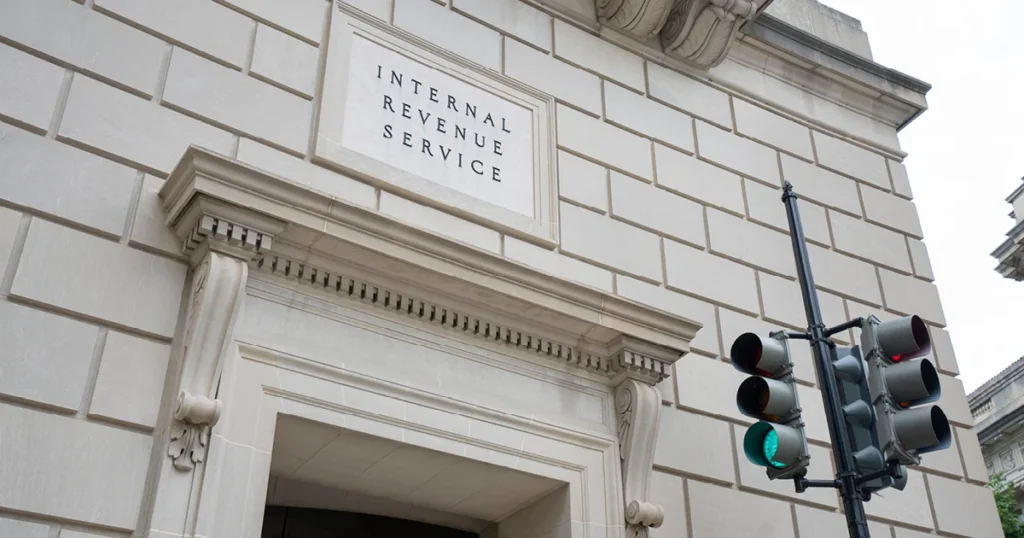
In a strategic move aimed at mitigating the persistent communication bottlenecks that have plagued the tax administration system for years, the Internal Revenue Service (IRS) has launched a nationwide, in-person hiring initiative. Targeting six major regional hubs, the agency is seeking to bolster its ranks of customer service representatives, clerks, and tax examiners. This aggressive recruitment drive follows a period of unprecedented workforce shrinkage, a trend that has drawn intense scrutiny from professional accounting bodies and taxpayer advocates alike.
The Current Landscape: A Strategic Response to Service Backlogs
The IRS hiring sessions, which commenced in early June and are scheduled to run through mid-July, represent a tangible acknowledgment of the operational strain currently facing the agency. By moving beyond traditional online-only applications, the IRS is attempting to expedite the intake process for roles that are critical to daily taxpayer interaction.
The campaign spans several key geographic locations: Kansas City, Missouri; Jacksonville, Florida; Covington, Kentucky; Ogden, Utah; and Austin, Texas. These cities serve as primary processing centers for the agency, and the concentration of hiring events there is designed to address localized labor shortages that have hampered the processing of returns and the responsiveness of taxpayer hotlines.
Jan Lewis, CPA, CGMA, and partner at BMSS Advisors & CPAs, voiced the sentiments of the accounting community during her keynote address at the AICPA ENGAGE conference. “What we need to say is that we do hear you,” Lewis remarked in response to inquiries regarding the ongoing difficulties practitioners face when attempting to reach the IRS. “We know the challenge is there, and we are hopeful. We think the IRS definitely wants to work with us and hear what we have to say, and the best part of that, we heard last week the IRS is now actually hiring… to try to get new customer service representatives that will help us in some of our pain with reaching the IRS.”
Chronology of a Shrinking Workforce
To understand the urgency behind these hiring events, one must examine the dramatic contraction of the IRS workforce over the past two years. According to data provided by National Taxpayer Advocate Erin Collins in her annual report to Congress, the agency has experienced a staggering reduction in headcount.
- January 2025: The IRS reported a total workforce of approximately 102,000 employees.
- December 2025: That figure plummeted to 74,000, representing a net loss of 28,000 personnel—a 27% decline in total staffing levels within a single calendar year.
This rapid attrition has had a ripple effect on the agency’s ability to perform essential duties, including processing returns, managing audits, and answering taxpayer inquiries. The decision to hold in-person hiring events serves as a corrective measure to stabilize these staffing numbers, particularly for seasonal roles that fluctuate in demand based on the tax filing calendar.
Defining the Roles: The Frontline of Tax Administration
The IRS is currently soliciting applications for several distinct roles, each serving a vital function in the agency’s ecosystem:
- Customer Service Representatives: These individuals act as the primary interface between the IRS and the public. Utilizing complex computer-based programs, they provide tax-related assistance to taxpayers over the phone, helping resolve confusion regarding filing requirements and account status.
- Tax Examining Technicians: These personnel are tasked with the analytical heavy lifting. They are responsible for resolving processing anomalies, adjusting taxpayer accounts based on updated information, and providing nuanced responses to inquiries regarding the preparation of various tax returns and schedules.
- Clerks: These staff members ensure the logistical integrity of the agency, managing the flow of documentation and information necessary for the higher-level processing teams to function.
Importantly, the IRS has stated that no prior tax experience is required for these positions. To streamline the process, the agency is encouraging candidates to apply through the official USAJOBS portal prior to attending the events. Hiring officials are prepared to make on-the-spot job offers to qualified attendees, a departure from traditional, multi-month federal hiring cycles.
Official Perspectives and Conflicting Narratives
The push for rapid hiring has been met with mixed signals from the agency’s leadership. While the recruitment drive is framed as a necessary step to improve taxpayer services, high-level testimony has occasionally suggested a degree of comfort with the existing staffing levels.
In March, IRS CEO Frank J. Bisignano testified before the House Ways and Means Committee. When questioned about the state of the agency’s workforce, Bisignano stated he felt "good about the number of employees I have right now." This sentiment contrasts sharply with the reality on the ground, where practitioners and the National Taxpayer Advocate have consistently identified staffing shortages as the root cause of systemic service delays.
However, in a more recent official news release, the tone shifted toward growth. "These hiring events are an important step in strengthening our workforce and improving the taxpayer experience," Bisignano noted. "We are looking for individuals who want to make a meaningful impact while building a rewarding career in public service."
The dissonance between these statements may reflect the difference between "administrative capacity" and "service capacity." While the agency may have enough staff to keep the lights on, the surge in demand during the tax season requires a larger, more agile workforce than the agency currently possesses.
Broader Implications for the Tax Profession
For the accounting and tax preparation profession, the IRS’s move is a long-awaited recognition of the difficulties encountered during the filing season. The "pain points" mentioned by Jan Lewis at AICPA ENGAGE refer to the hours-long wait times, disconnected calls, and delayed correspondence that have characterized the IRS taxpayer experience for years.
The implication is clear: the agency recognizes that a digital-first strategy is insufficient if the human element—the representatives who interpret the law and resolve discrepancies—is missing. By decentralizing the hiring process and bringing it directly to the regions where these roles are needed, the IRS is attempting to build a sustainable pipeline of talent.
Furthermore, the expansion of the Independent Office of Appeals in May, which began advertising for team case leads, suggests that the IRS is looking to bolster its workforce across the entire spectrum of its operations—not just in entry-level customer service roles. This reflects a holistic approach to rebuilding institutional knowledge that was lost during the 2025 contraction.
Conclusion: A Turning Point?
The success of these hiring events will be measured not just by the number of people recruited, but by the measurable improvement in service metrics for the upcoming fiscal year. If the IRS can successfully onboard and train these new employees, the accounting community—and the American taxpayer—may finally see a relief in the administrative burden that has defined the last few years.
However, the agency must also grapple with the underlying issue of retention. While recruiting 27% of the workforce is an operational challenge, keeping those employees in a high-pressure, public-service environment remains the ultimate hurdle. As the IRS moves through the summer months and into the next cycle of tax administration, all eyes will be on whether this hiring blitz can truly reverse the trend of the last two years and restore the efficiency expected of the nation’s primary revenue collector.
To comment on this article or to suggest an idea for another article, please contact Martha Waggoner at [email protected].