Amazon Prime Day 2026: A Record-Breaking Milestone Amidst a Shifting Economic Landscape
By PYMNTS | June 28, 2026
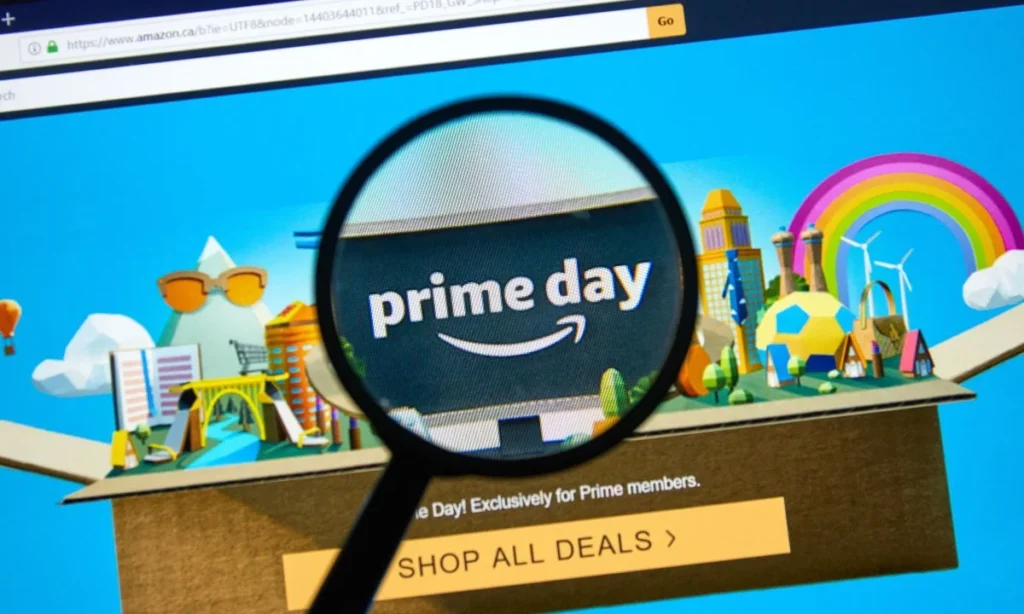
In an economic climate defined by volatility and persistent inflationary pressure, the American consumer has delivered a resounding statement on their purchasing priorities. This year’s Amazon Prime Day—a sprawling, four-day eCommerce extravaganza—concluded with a staggering $26.4 billion in total consumer spending. This figure represents a 9.3% increase over the previous year, signaling that while the "fatigued consumer" is a reality, the appetite for strategic, value-driven consumption remains robust.
As the dust settles on the event, retail analysts and financial experts are dissecting the data to understand the underlying mechanics of this surge. While top-line revenue suggests a booming retail environment, the nuance lies in the what and why of these purchases. Far from a spree of frivolous indulgence, the 2026 Prime Day was a calculated exercise in household management, characterized by a focus on high-ticket durable goods and essential stockpiling.
The Chronology of a Four-Day Retail Phenomenon
The 2026 edition of Prime Day was not merely a sale; it was a calibrated response to the current macroeconomic environment. Spanning four days, the event provided consumers with an extended window to navigate their budgets, compare prices, and finalize long-contemplated purchases.
- Day 1-2: The High-Ticket Surge: The early stages of the event saw a rapid velocity of transactions in the electronics, home appliance, and high-end personal care categories. Consumers who had been delaying large purchases due to price sensitivity used the window of steep discounts to finally "pull the trigger" on items like laptops, smart home devices, and premium kitchenware.
- Day 3: Strategic Stockpiling: As the event progressed, search and purchase patterns shifted toward consumables. Data suggests a marked increase in sales for personal hygiene products, household staples, and early back-to-school items. This phase underscored a consumer desire to hedge against future inflation by buying in bulk.
- Day 4: The Last-Minute Scramble: The final day acted as a catalyst for those who had been monitoring price fluctuations throughout the week. Retailers who maintained aggressive discounts through the closing hours were rewarded with a final wave of conversion, suggesting that retailers may need to sustain this level of promotional intensity through the upcoming holiday season to maintain volume.
Supporting Data: By the Numbers
The $26.4 billion figure, sourced from Adobe Analytics, provides a window into the health of the American retail sector. However, the context surrounding these numbers is perhaps more telling than the total itself.
Key economic indicators influencing this year’s performance include:
- Tax Refund Tailwinds: A significant driver of the spending surge was the 2026 tax season. According to IRS data, the average tax refund rose by 11.1% to $3,462. CFRA Research analyst Arun Sundaram noted that these refunds acted as a "sizable tailwind" for discretionary categories. With extra liquidity in their bank accounts, consumers were better positioned to tackle higher-priced items that they might have otherwise deferred.
- Inflationary Pressure: High inflation has remained a constant backdrop for the 2026 retail calendar. The 9.3% growth in spending is partially a reflection of higher price points on goods, but it also reflects a consumer sentiment that views current discounts as a temporary window of opportunity.
- The "Three-Speed" Economy: The PYMNTS Consumer Expectations Index highlights that the U.S. consumer is not a monolith. The spending observed during Prime Day was not evenly distributed across all demographics. One segment of the population remains secure, with savings and stable employment driving their purchases. A second group is actively "hunting for value," adjusting their behavior to extract the maximum benefit from deals. A third group is seeing their financial cushion evaporate, yet they are still participating in these sales to meet basic household needs.
Official Responses and Expert Analysis
Retail consultancy experts view the results as a reflection of necessity rather than surplus. Sonia Lapinsky, managing director of retail at Alix Partners, noted that the data points toward a "fatigued consumer."
"They’re not necessarily spending more—they’re just trying to spread what they have over better deals and discounts," Lapinsky observed. Her analysis suggests that Prime Day 2026 was less about "want" and more about "need." Consumers used the event to purchase items they were "going to buy anyway," effectively utilizing the sale to lower the cost of their annual budget.
The sentiment among analysts is that the consumer is being extremely tactical. They are waiting for specific windows of opportunity to fulfill their shopping lists, and if a retailer is not offering a compelling value proposition, the consumer is increasingly comfortable walking away.
A New Hierarchy in Retail: Amazon Ascendant
The success of this year’s Prime Day coincides with a monumental shift in the retail landscape. A report by J.P. Morgan revealed that Amazon has officially supplanted Walmart as America’s largest retailer. This transition is attributed to a trifecta of competitive advantages: unparalleled selection, sophisticated dynamic pricing, and an increasingly efficient, speedy delivery network.
For Amazon, Prime Day 2026 was not just a revenue driver; it was a demonstration of its logistics and technological dominance. By leveraging its Prime subscription model, Amazon has successfully created an ecosystem where the barrier to entry for shoppers is virtually non-existent, further entrenching its position at the top of the retail hierarchy.
The Implications: What Does This Mean for the Future?
The behavior observed during this Prime Day offers a preview of the challenges and opportunities for the remainder of 2026.
1. The Death of the "One-Size-Fits-All" Consumer
For merchants, banks, and payments providers, the lesson is clear: a single sentiment number or headline statistic can blur the signals that shape real purchase behavior. While consumer confidence indices have shown weakness, actual spending has remained resilient. This disconnect is explained by the fact that many consumers still feel confident in their personal job security, even if they are pessimistic about the broader macroeconomic "weather."
2. The Persistence of Discounting
Retailers are now in a "discount trap." Having trained the consumer to expect deep price cuts during major events, businesses will find it difficult to pull back. With the holiday shopping season approaching, retailers will likely face pressure to keep price points low to keep the inventory moving. If tax refunds are no longer a factor in the fall and winter months, the burden will fall squarely on the retailers to provide value through other means, such as loyalty programs, flexible financing, or enhanced delivery perks.
3. The Job Security Paradox
Interestingly, while perceived job-loss risk has risen over the last year, job replaceability has also ticked up. This suggests that while consumers are anxious about the economy, they maintain a degree of confidence in their own professional value. As PYMNTS noted, "Consumers may dislike the economic weather, but many still trust the roof over their own heads." This trust is what keeps the engine of the U.S. economy turning, allowing for sustained, albeit highly strategic, spending.
Conclusion: A Barometer for the Second Half of 2026
As we move into the second half of the year, the 2026 Amazon Prime Day will be remembered as the event that proved the American consumer is as resilient as they are discerning. By leveraging tax refunds and prioritizing long-term, high-value goods over ephemeral purchases, shoppers have demonstrated that they are capable of navigating a high-inflation environment with precision.
The shift of the retail crown to Amazon further cements the importance of convenience and digital-first shopping experiences. As the economy continues to navigate a path between stagnation and growth, businesses that can offer genuine value, recognize the nuances of the "three-speed" consumer, and provide seamless, high-speed service will be the ones that thrive. The $26.4 billion spent over these four days is not just a revenue figure; it is a clear indicator that while the consumer may be weary, they are far from being out of the game.