Musk’s Latest Strategic Play: SpaceX Moves to Acquire Mesh Optical Technologies
By TechCrunch Editorial Staff
June 26, 2026
In a move that signals a deepening integration of high-speed communications infrastructure into its expanding ecosystem, SpaceX has set its sights on acquiring Mesh Optical Technologies. The startup, founded only last year by a trio of former SpaceX engineers, has quickly become a focal point of interest for the aerospace giant. The acquisition, confirmed via a Federal Trade Commission (FTC) filing, marks a significant consolidation of expertise in optical data transmission—a technology critical to the future of both terrestrial data centers and the burgeoning orbital compute economy.
The Acquisition: A Strategic Consolidation
The FTC has signaled its approval of the deal by granting an early termination of its antitrust review, clearing a path for the acquisition to proceed without significant regulatory friction. This expedited process suggests that the government views the merger as a vertical integration rather than a monopolistic threat.
Mesh Optical, which emerged from stealth mode in February 2026 with a $50 million Series A funding round led by Thrive Capital, has been working on specialized hardware designed to revolutionize data center communications. By utilizing light-based optical transceivers, the company aims to move data at speeds and efficiencies that traditional copper-based electrical systems cannot match. For Elon Musk, who oversaw SpaceX’s high-profile IPO earlier this month, this acquisition is not merely about hardware—it is about securing the backbone of the next generation of artificial intelligence infrastructure.
Chronology of a Rapid Rise
The trajectory of Mesh Optical Technologies has been nothing short of meteoric, mirroring the fast-paced development cycles synonymous with its founders’ previous employer.
- Mid-2025: Travis Brashears, Cameron Ramos, and Serena Grown-Haeberli depart SpaceX. Having spent years refining the inter-satellite laser links that enable Starlink’s global connectivity, the trio identifies a gap in the terrestrial market: the growing bottleneck in data center internal connectivity as AI compute clusters scale.
- February 2026: Mesh Optical officially exits stealth mode. The company announces a successful $50 million Series A round, signaling strong investor confidence in their ability to apply space-grade optical engineering to terrestrial data centers.
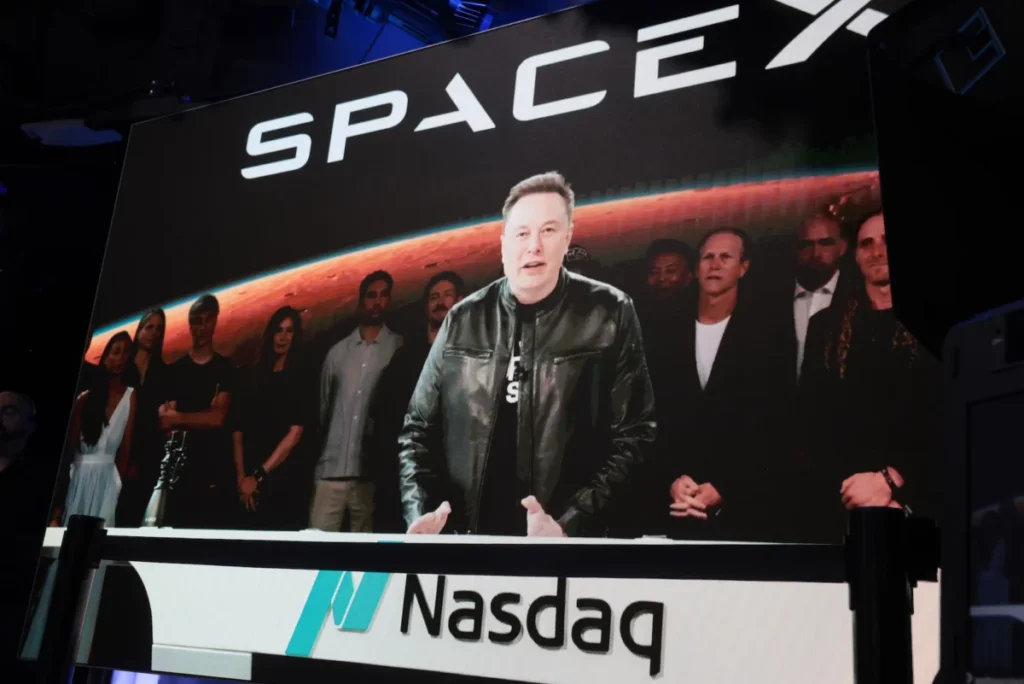
- June 12, 2026: SpaceX officially goes public on the Nasdaq, marking one of the most significant tech IPOs of the decade. The event serves as a catalyst for the company to begin deploying its newfound capital toward aggressive infrastructure expansion.
- Late June 2026: Antitrust filings reveal that SpaceX has moved to acquire the startup. The FTC’s rapid review process concludes, clearing the deal for finalization.
The Technological Synergy: From Orbit to Server Farm
To understand why Musk is so interested in Mesh Optical, one must look at the technology behind the Starlink constellation. The "secret sauce" of Starlink’s performance—its ability to provide low-latency internet globally—relies on thousands of satellites talking to one another through high-speed laser optical links.
When Brashears, Ramos, and Grown-Haeberli transitioned from SpaceX to their own startup, they effectively ported this "space-hardened" knowledge into the terrestrial data center environment. Modern AI, specifically the training of Large Language Models (LLMs), requires massive amounts of data to travel between GPUs within a data center. Traditional electrical connections are hitting a physical wall in terms of energy consumption and heat dissipation.
Optical transceivers offer a solution by transmitting data via photons rather than electrons. This shift allows for significantly higher bandwidth, lower latency, and, crucially, a massive reduction in the power required to maintain these connections. As SpaceX pivots toward providing compute capacity for companies like Anthropic, Google, and Reflection AI, the efficiency of these data centers becomes a direct competitive advantage.
Official Responses and Market Context
While SpaceX has remained characteristically tight-lipped regarding the specific financial terms of the acquisition, the implications of the move have sent ripples through the hardware sector.

The FTC’s decision to expedite the review is notable. By clearing the path, the agency has acknowledged that Mesh Optical’s technology is specialized enough that its acquisition by SpaceX does not create a barrier to entry for other, larger semiconductor incumbents. However, analysts are viewing this as a "buy versus build" decision for Musk. Rather than spending years training an internal team to pivot from satellite lasers to data center transceivers, Musk is buying the best talent in the industry—talent that he helped train at SpaceX in the first place.
"This is a classic ‘boomerang’ acquisition," says tech analyst Sarah Jenkins. "SpaceX essentially incubated this technology through its own R&D, saw it spun out into a leaner, more agile startup, and has now brought it back into the fold once the product-market fit was proven. It is a highly efficient way to innovate."
Implications for the Future of Compute
The acquisition of Mesh Optical represents a pivotal moment for SpaceX’s transition from an aerospace company to a diversified technology conglomerate.
1. Scaling the AI Infrastructure
SpaceX’s recent agreements with heavyweights like Anthropic and Google suggest that the company is no longer just launching rockets—it is becoming a major player in the AI compute market. By integrating Mesh Optical’s hardware, SpaceX can potentially lower the operational cost of its data centers. In the world of AI, where power is the most expensive variable, even a 5–10% increase in energy efficiency through optical networking can equate to hundreds of millions of dollars in long-term savings.
2. The "Space-to-Ground" Data Loop
There is a longer-term implication that likely piques Musk’s interest: the integration of space-based compute. As SpaceX continues to expand its Starship and Starlink platforms, the vision of "edge computing in orbit" becomes more tangible. If SpaceX can master optical communication at the hardware level, they aren’t just connecting satellites; they are building a seamless data fabric that extends from Earth-based AI clusters to space-based satellite arrays.
3. Talent Retention and Culture
By acquiring Mesh Optical, SpaceX effectively welcomes back three of its most promising former engineers. This move highlights a recurring theme in the Musk-led ecosystem: the "SpaceX alumni network" acts as an extended R&D wing for his various ventures. For the employees of Mesh Optical, the move provides the massive capital and manufacturing scale of SpaceX, allowing them to move from prototype phase to mass production almost overnight.
Conclusion: A New Era of Vertical Integration
As the industry watches the finalization of the Mesh Optical deal, it is clear that the lines between aerospace and high-performance computing are blurring. SpaceX’s evolution into a public entity has provided it with the liquidity to pursue such strategic acquisitions, and the move to acquire Mesh Optical is a tactical masterstroke that addresses both immediate infrastructure needs and long-term technological dominance.
For competitors in the data center hardware space, the entry of a company like SpaceX—backed by the engineering prowess of the Mesh team—represents a new, formidable force. As the demand for AI compute continues to skyrocket, the ability to move data efficiently is no longer just an engineering challenge; it is the ultimate economic lever. With this acquisition, Elon Musk has once again positioned his companies at the cutting edge of that evolution, ensuring that the infrastructure of the future is built on the same principles that keep his satellites communicating in the void of space.