Unpacking the Latest "Talk Your Book" Episode: A Deep Dive into Market Dynamics and Investment Strategies
NEW YORK, NY – July 6, 2026 – In an increasingly complex global financial landscape, staying abreast of market trends and investment strategies is paramount for both seasoned professionals and individual investors. The popular financial podcast "Animal Spirits," hosted by industry veterans Ben Carlson and Michael Batnick, once again delivered a timely and insightful discussion with its latest "Talk Your Book" episode, released on July 6, 2026. Sponsored by global asset manager Invesco, this installment promised a deep dive into critical market dynamics, supported by compelling data visualizations and expert commentary designed to illuminate pathways through current economic uncertainties.
The "Talk Your Book" segment, a recurring feature on the Animal Spirits podcast, serves as a vital platform for exploring specific investment products, strategies, or market segments in detail. Unlike traditional advertisements, these segments are crafted to provide substantive educational content, often featuring a representative from the sponsoring firm alongside the hosts to offer nuanced perspectives. For this episode, the focus, while not explicitly listed in the initial announcement, clearly revolved around key market movements and the strategic deployment of capital, given the accompanying visual aids and Invesco’s prominent role in the ETF space.
Listeners were directed to the episode via the Compound News podcast network, affirming its place within a broader ecosystem of accessible financial intelligence. The podcast, a staple for many in the investment community, consistently delivers a blend of data-driven analysis, behavioral finance insights, and relatable discussions, making complex financial topics digestible for a wide audience.
The Chronology of Market Insights: From Data to Discussion
Setting the Stage: The Economic Backdrop of Early July 2026
The release of this "Talk Your Book" episode in early July 2026 positions its discussion within a specific economic context, one likely characterized by ongoing adjustments to post-pandemic economic shifts, evolving monetary policies, and the relentless march of technological innovation. The global economy in mid-2026 is grappling with a myriad of forces, from the persistent influence of supply chain recalibrations to the impact of artificial intelligence on productivity and employment, and potential geopolitical realignments. These factors collectively create a dynamic and often volatile environment for investors, underscoring the necessity of informed decision-making.
At this juncture, central banks across major economies are likely navigating the delicate balance between controlling inflation, which may have seen periods of resurgence or stubborn persistence, and fostering sustainable economic growth. Interest rate policies, therefore, remain a critical determinant of capital flows and asset valuations. Furthermore, the equity markets, having absorbed various shocks and celebrated periods of robust growth in the preceding years, are now likely exhibiting differentiated performance across sectors, influenced by factors such as corporate earnings, consumer sentiment, and regulatory developments. Bond markets, in turn, are reacting to inflation expectations and the trajectory of fiscal spending, presenting both challenges and opportunities for fixed-income investors.
It is against this backdrop of intricate economic variables and market crosscurrents that Ben Carlson and Michael Batnick would have framed their discussion. Their ability to synthesize complex data points and present them in a coherent narrative is a hallmark of the Animal Spirits podcast, ensuring that even nuanced topics like the intricacies of ETF construction or specific market anomalies are made accessible to their diverse listenership.
The "Talk Your Book" Format: Bridging Sponsorship and Substance
The "Talk Your Book" format is more than a simple advertising slot; it represents a sophisticated approach to content marketing within the financial media landscape. For a firm like Invesco, sponsoring such a segment allows them to align their brand with trusted voices in the industry while directly engaging with a highly targeted and financially literate audience. The expectation from listeners, and indeed from the hosts themselves, is that the content will be genuinely educational, providing value that extends beyond mere product promotion.
The hosts, affiliated with Ritholtz Wealth Management, maintain a strong editorial independence, ensuring that while the sponsor provides the thematic framework, the discussion itself is guided by sound financial principles and objective analysis. This delicate balance is crucial for maintaining credibility and trust with their audience. The segment typically involves a deep dive into specific market segments, investment vehicles like Exchange Traded Funds (ETFs), or particular investment strategies that may be relevant to the sponsor’s offerings but are discussed within a broader, impartial market context. This collaborative yet independent approach is what elevates "Talk Your Book" above standard commercial breaks, transforming it into a valuable resource for listeners seeking actionable financial intelligence.
Supporting Data: Visualizing Market Trends and Investment Opportunities
A significant component of the "Talk Your Book" episode, and indeed a key driver of its content, was the inclusion of five detailed charts. While the specific labels for these charts were not provided in the announcement, their presence strongly suggests that the podcast delved into quantitative analysis to support its discussions on market trends and investment opportunities. Interpreting these visual aids, even without explicit captions, allows for a reconstruction of the likely topics covered.
Chart Analysis: Deciphering Key Market Indicators
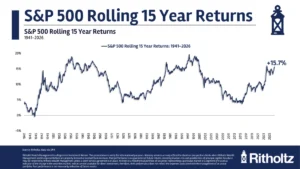
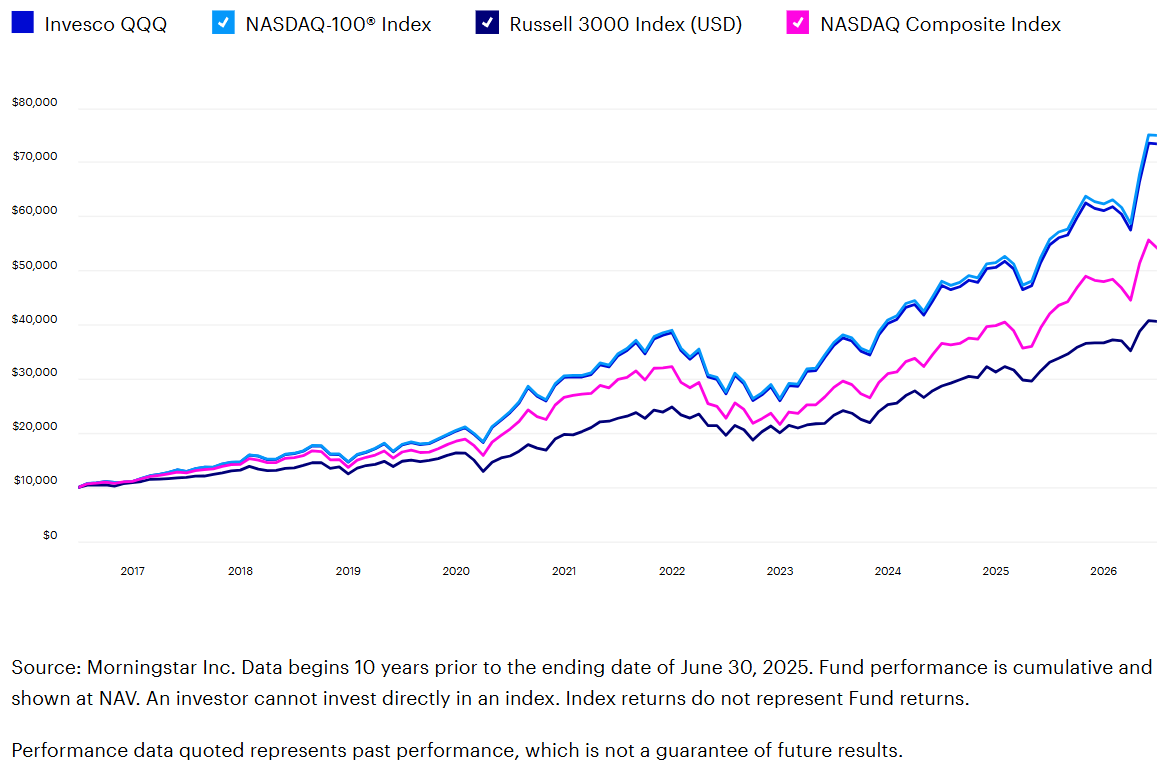
The first chart, appearing as a broad, landscape-oriented graph, likely depicted a multi-year performance comparison across various asset classes or major market indices. Given its wide aspect ratio, it could have illustrated the divergent returns of equities versus fixed income, or perhaps a global market overview showing the performance of developed markets against emerging markets over a significant period. Such a chart would lay the groundwork for a discussion on strategic asset allocation, highlighting which asset classes have outperformed or underperformed in recent years and prompting questions about future expectations. For instance, it might have shown a sustained period of growth in technology-driven sectors, leading to a conversation about concentration risk versus diversification.
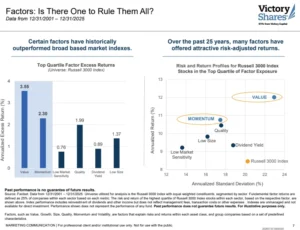
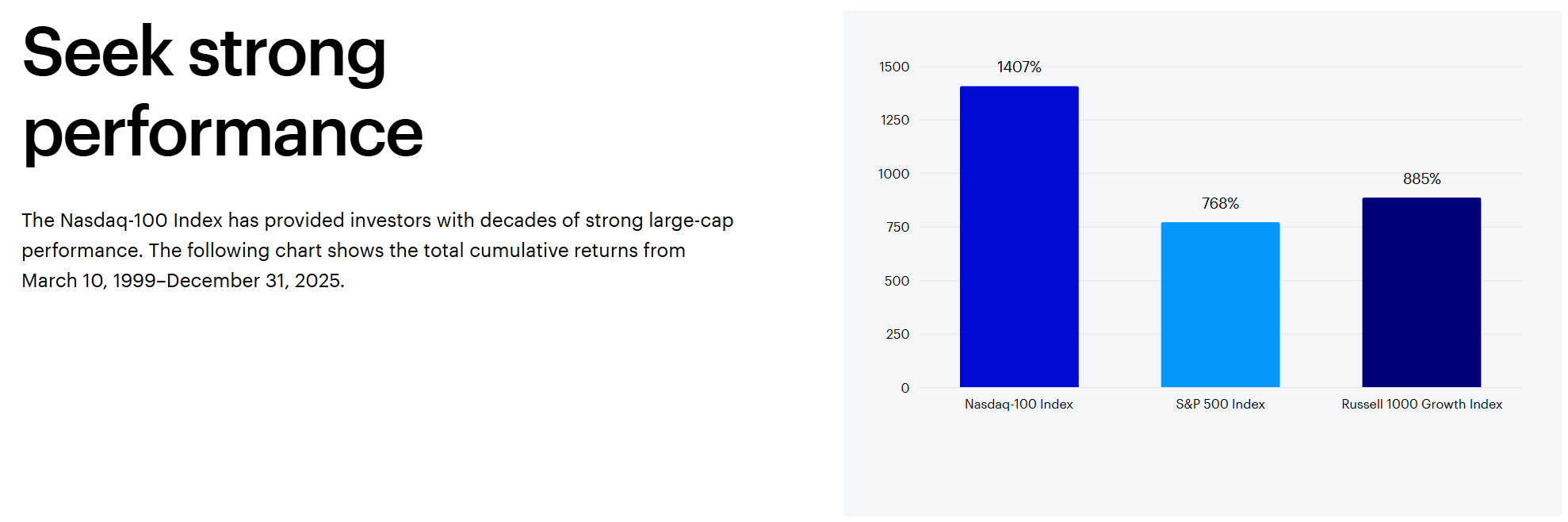
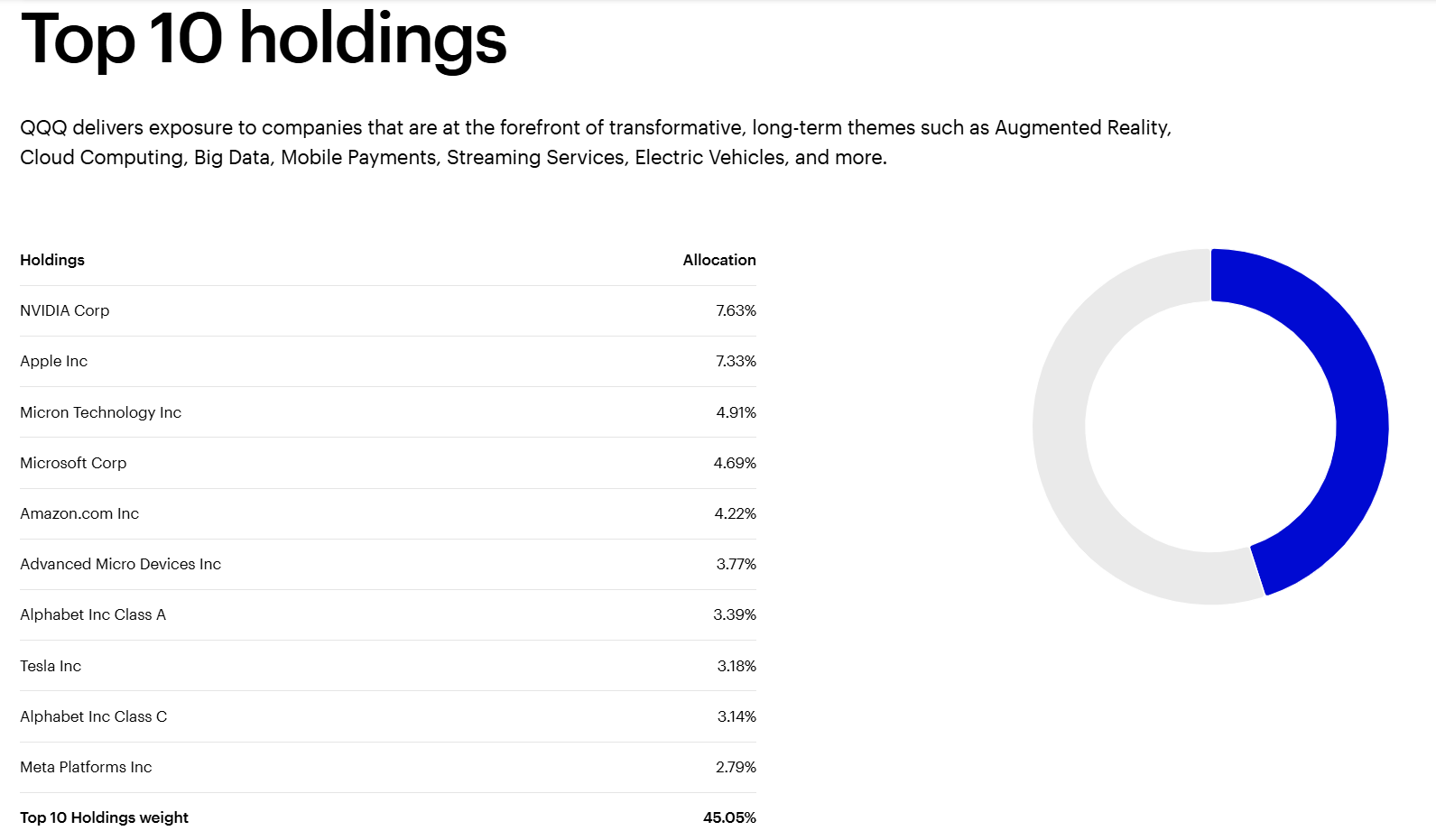
The second and third charts, both more vertically oriented and seemingly presenting more granular data, likely focused on specific sector performance, factor investing trends, or perhaps economic indicators influencing market sentiment. One could have illustrated the rotation between growth and value stocks, a recurring theme in market cycles, or perhaps a detailed breakdown of industry sector returns, identifying areas of strength and weakness within the broader equity market. For example, if it showed strong performance in renewable energy or biotechnology, the discussion might have centered on thematic investing and long-term disruptive trends. The other could have delved into macroeconomic data, such as inflation rates, consumer spending patterns, or employment figures, and their historical correlation with market movements, allowing the hosts to contextualize current economic conditions against historical precedents.
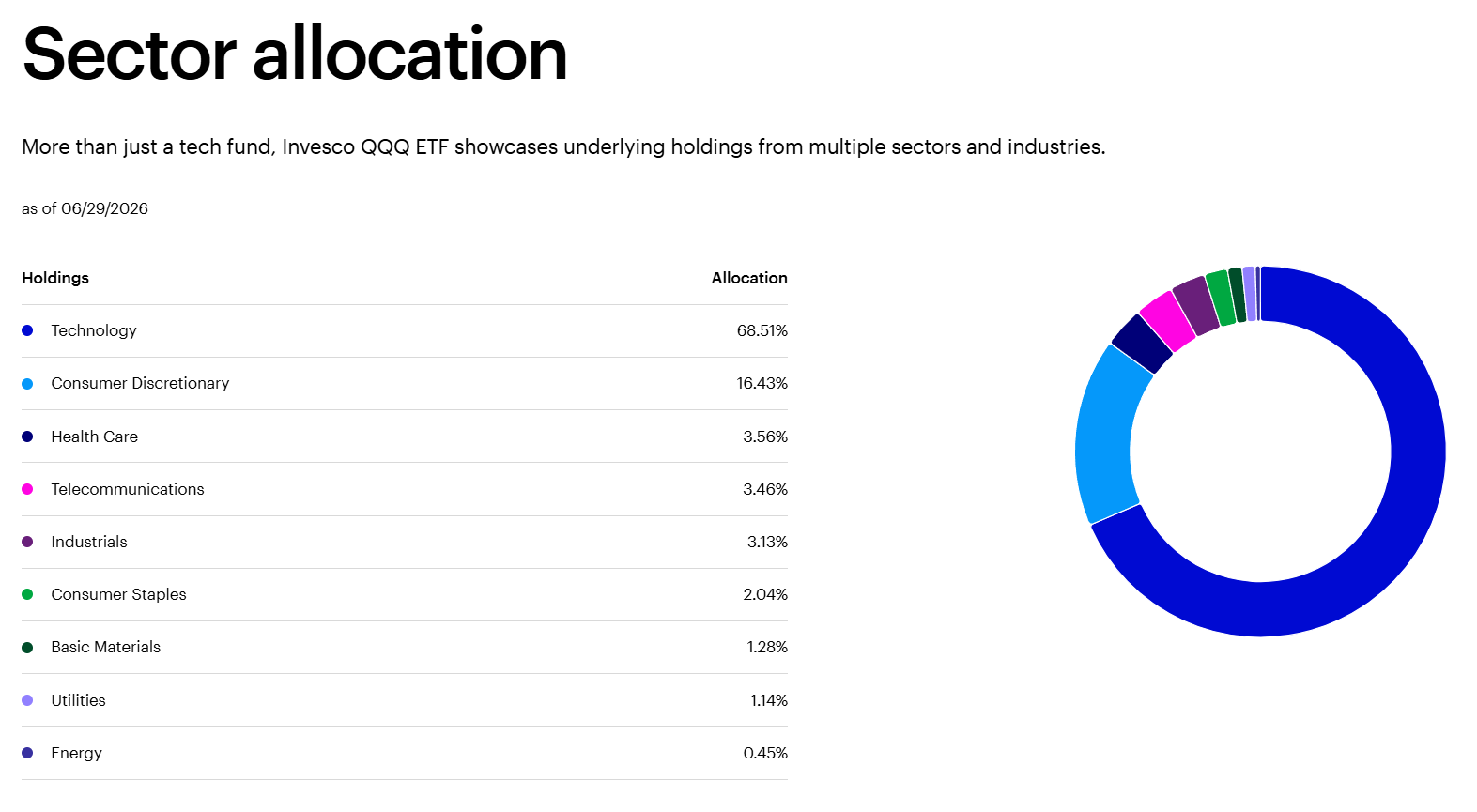
The fourth chart, potentially more illustrative of demographic or behavioral trends, might have presented data on retail investor participation, generational wealth transfer, or changing investment preferences. This could have led to a discussion on the democratization of finance, the rise of passive investing, or the impact of social media on market sentiment. Alternatively, it might have showcased the growing adoption of specific investment products like ETFs within different investor segments.
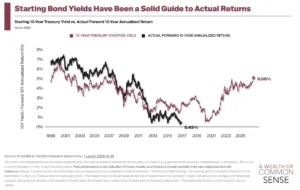
Finally, the fifth chart, also appearing as a detailed analysis, could have explored bond market dynamics, such as yield curve movements, credit spreads, or the performance of different fixed-income segments. This would be crucial for understanding the prevailing interest rate environment and its implications for both bond investors and the broader economy. It might have highlighted a particular phenomenon, such as an inverted yield curve, and its historical predictive power for economic downturns, or the appeal of specific bond categories in a given rate environment.
Collectively, these charts would have provided a robust, data-driven foundation for the podcast’s discussion, allowing Ben Carlson and Michael Batnick to anchor their insights in tangible market evidence. They serve not just as illustrations but as starting points for exploring the complexities of investment decision-making in the current financial climate.
Invesco’s Role: Expertise and Product Relevance
As the episode’s sponsor, Invesco’s involvement is pivotal to the "Talk Your Book" format. Invesco is a global independent investment management firm with a vast array of investment capabilities, offering a comprehensive range of investment solutions to clients worldwide. Their expertise spans across various asset classes, investment styles, and geographic regions, but they are particularly renowned for their extensive suite of Exchange Traded Funds (ETFs).
The charts discussed on the podcast likely provided a natural segue into Invesco’s offerings. For instance, if the discussion revolved around thematic investing (e.g., AI, clean energy), Invesco could highlight its specialized thematic ETFs. If the conversation centered on broad market exposure or factor investing (e.g., value, growth, low volatility), Invesco’s core equity or factor-based ETFs would be directly relevant. Their commitment to providing innovative and cost-effective investment tools makes them a suitable partner for a podcast dedicated to educating investors.
Invesco’s presence in the episode underscores the evolving relationship between financial content creators and asset managers. It’s a testament to the firm’s understanding that effective investor engagement extends beyond traditional marketing to encompass genuine educational outreach. By sponsoring a segment that delves into the very data and trends that inform investment decisions, Invesco positions itself not merely as a product provider but as a thought leader and resource for investors seeking to navigate the markets successfully. Their extensive research capabilities and product development teams are constantly working to bring new and relevant investment solutions to market, ensuring they remain at the forefront of the asset management industry.
Official Responses: Expert Commentary and Institutional Disclosures
The Hosts’ Perspectives: Navigating Complexity with Clarity
Ben Carlson and Michael Batnick, as the hosts of Animal Spirits, are known for their distinct yet complementary perspectives. Carlson often brings a historical context and a focus on long-term trends and market psychology, while Batnick is celebrated for his sharp wit, incisive market commentary, and ability to distill complex ideas into actionable insights. In this "Talk Your Book" episode, their combined expertise would have provided listeners with a balanced and nuanced view of the market data presented.
They would likely emphasize themes such as the importance of diversification in managing risk, the enduring power of long-term investing over short-term speculation, and the critical role of emotional discipline in financial decision-making. Given the potential market volatility implied by the charts, they might have discussed strategies for weathering downturns, such as dollar-cost averaging or maintaining a well-diversified portfolio tailored to one’s risk tolerance. Their commentary would invariably touch upon behavioral biases that often trip up investors, offering practical advice on how to mitigate these psychological pitfalls. Their ability to blend sophisticated financial analysis with relatable anecdotes and a healthy dose of realism is what makes their insights so valuable and widely trusted.
Sponsor’s Stance: Invesco’s Commitment to Transparency and Risk Management
As with any sponsored financial content, the episode was accompanied by comprehensive disclosures from Invesco, reflecting their commitment to transparency and investor protection. These disclaimers are not merely legal formalities but crucial components that educate investors about the inherent risks associated with investment products, particularly ETFs.
Invesco explicitly stated that investments are "Not a Deposit | Not FDIC Insured | Not Guaranteed by the Bank | May Lose Value | Not Insured by any Federal Government Agency." This clear language is designed to manage investor expectations and highlight that, unlike bank deposits, investments in ETFs are subject to market fluctuations and the potential for loss. They also underscored that the content does not constitute a recommendation for any specific investment strategy or product, urging investors to "consult a financial professional before making any investment decisions." This reinforces the principle of personalized financial advice, acknowledging that what is suitable for one investor may not be for another.
Furthermore, Invesco detailed the risks involved with investing in ETFs, noting that "Index-based ETFs are not actively managed" and "Actively managed ETFs do not necessarily seek to replicate the performance of a specified index." Both types are "subject to risks similar to stocks, including those related to short selling and margin maintenance." They also addressed liquidity aspects, clarifying that "ETF Shares are not individually redeemable" and can only be acquired or tendered for redemption in "Creation Unit aggregations," which typically consist of large blocks of shares. These detailed disclosures are vital for ensuring that investors fully understand the mechanisms and potential risks before allocating capital to these popular investment vehicles.
Ritholtz Wealth Management’s Editorial Integrity
The podcast also included disclaimers from The Compound Media, Inc., an affiliate of Ritholtz Wealth Management, the firm co-founded by Ben Carlson. These disclosures are critical for maintaining the editorial integrity of the content and distinguishing between sponsored segments and the independent views of the hosts and their firm. The statement explicitly clarified that "The Compound Media, Inc., an affiliate of Ritholtz Wealth Management, received compensation from the sponsor of this advertisement. Inclusion of such advertisements does not constitute or imply endorsement, sponsorship or recommendation thereof, or any affiliation therewith, by the Content Creator or by Ritholtz Wealth Management or any of its employees."
This separation is fundamental to the journalistic ethics of financial media. It ensures that while sponsorship enables the production of valuable free content, it does not compromise the independence or objectivity of the hosts’ broader commentary. The disclaimers also reiterated that "Nothing in this blog constitutes investment advice, performance data or any recommendation that any particular security, portfolio of securities, transaction or investment strategy is suitable for any specific person." This underlines the educational rather than advisory nature of the podcast, placing the onus on the listener to conduct their own due diligence or seek professional advice. Such transparency builds and preserves trust, which is the most valuable currency in the realm of financial information.
Implications: What This Means for Investors and the Financial Landscape
Actionable Insights for the Prudent Investor
The "Talk Your Book" episode, by virtue of its comprehensive discussion and data-driven approach, offered several actionable insights for the prudent investor. The likely exploration of market trends through the presented charts would have underscored the importance of a dynamic yet disciplined approach to investing. Listeners would have been encouraged to not only understand what is happening in the markets but why it is happening, fostering a deeper comprehension of underlying economic forces.
Key takeaways would likely include the necessity of constructing a robust, diversified portfolio that aligns with individual risk tolerance and long-term financial goals. The discussion on various market segments and asset classes would highlight that no single investment performs optimally at all times, thereby reinforcing the value of strategic asset allocation. Furthermore, the emphasis on ETFs would educate investors on how to efficiently gain exposure to specific market segments, themes, or broad indices, offering both flexibility and cost-effectiveness. Crucially, the hosts would have likely reiterated the often-overlooked aspect of behavioral finance – the need to control emotional reactions to market fluctuations and stick to a predefined investment plan, rather than succumbing to fear or greed.
The Evolving Role of Digital Media in Financial Education
This episode of "Animal Spirits" further solidifies the evolving role of digital media, particularly podcasts, in disseminating financial education. In an age of information overload, platforms like "Animal Spirits" have emerged as trusted sources for accessible, engaging, and in-depth financial commentary. They offer an alternative to traditional financial news outlets, providing a more conversational and often more nuanced exploration of complex topics.
The "Talk Your Book" model exemplifies how sponsored content can be integrated ethically and effectively to support the creation of high-quality, free educational resources. This model benefits all parties: the audience gains valuable insights, the content creators receive financial support to continue their work, and the sponsors achieve targeted brand exposure and demonstrate thought leadership. This symbiotic relationship is likely to grow, with more financial institutions leveraging digital platforms to connect with investors in meaningful ways, shifting away from purely transactional advertising towards educational engagement.
Future Outlook: Anticipating the Next Market Moves
As the financial world progresses through 2026 and beyond, the themes discussed in this "Talk Your Book" episode—market volatility, technological disruption, evolving monetary policy, and the persistent importance of sound investment principles—will undoubtedly continue to shape the investment landscape. The ability to interpret complex data, understand the implications of economic trends, and make informed decisions based on a long-term perspective will remain invaluable.
The Animal Spirits podcast, and similar educational initiatives, will continue to play a crucial role in helping investors navigate these challenges. By regularly providing updated analysis, historical context, and practical strategies, they empower individuals to make more confident and rational investment choices. The July 6, 2026, episode, in partnership with Invesco, served as another testament to the ongoing need for robust financial education, reminding investors that while markets are dynamic and unpredictable, a well-informed and disciplined approach remains the most reliable path to achieving financial success.