Unifying Personal Finance: A Comprehensive Journalistic Review and Analysis of the Empower Digital Wealth Dashboard
Main Facts
In an increasingly fragmented digital banking landscape, consumers frequently struggle to maintain a coherent view of their financial health. Traditional banking institutions, investment brokerages, mortgage lenders, and credit card issuers operate in siloed ecosystems, forcing individuals to manually aggregate data to calculate their net worth or evaluate asset allocation.
Empower (formerly known as Personal Capital) addresses this friction by offering a comprehensive financial aggregation tool designed to synthesize 100% of a user’s financial life into a single, real-time dashboard.
Core Platform Profile
- Platform Name: Empower (formerly Personal Capital)
- Target Audience: Retail investors, high-net-worth individuals, and consumers seeking unified wealth and cash flow tracking.
- Cost Structure: The primary digital dashboard, tracking tools, and analytical calculators are entirely free. The platform is monetized via an optional, fee-based wealth management advisory service.
- Mobile Performance Metrics:
- iOS App Store: 4.8 out of 5 stars (based on approximately 366,000 user reviews).
- Google Play Store: 4 out of 5 stars (based on approximately 29,400 user reviews).
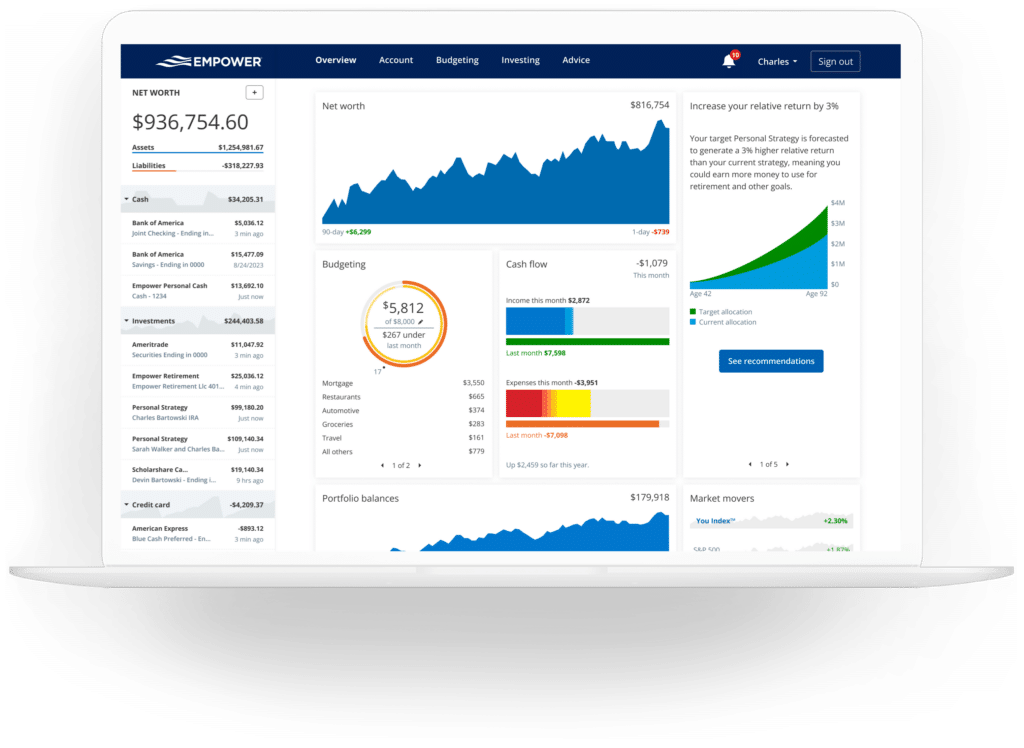
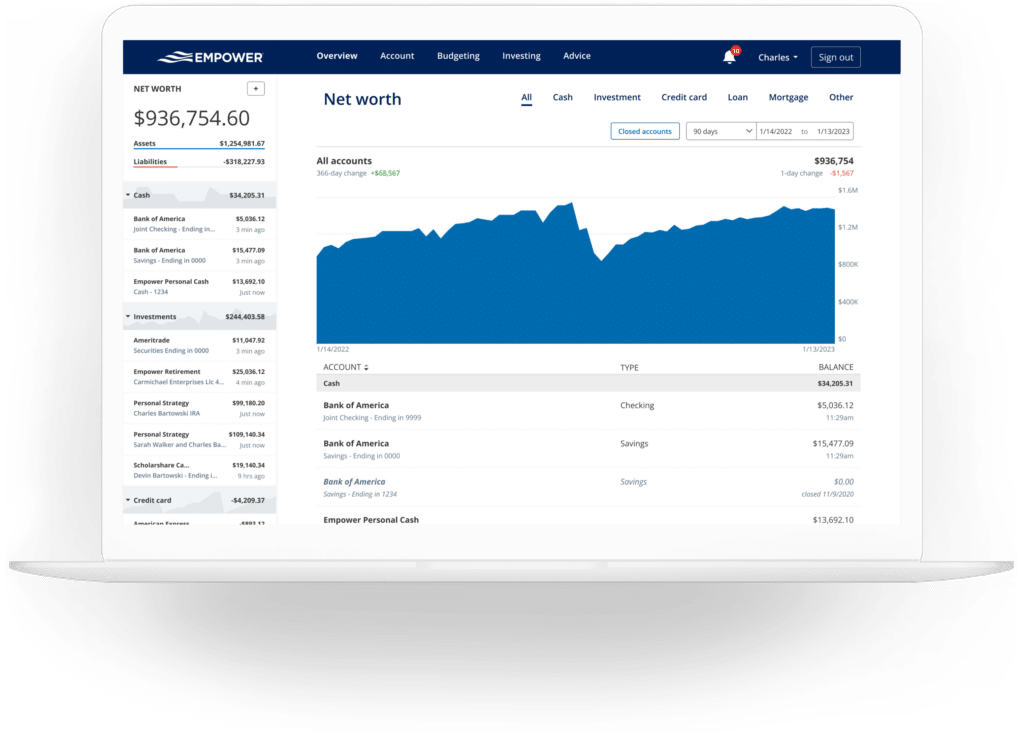
- Key Capabilities: Net worth calculation, automated cash flow and category-based budgeting, investment portfolio analysis, retirement planning projections, asset allocation diagnostics, and investment fee auditing.
Chronology
The Evolution from Personal Capital to Empower
The platform now known as Empower has a rich history within the financial technology (fintech) sector:
[2009] Personal Capital Founded (Pioneered hybrid digital-human wealth advisory model)
   │
[2020] Acquired by Empower Retirement for $1 Billion
   │
[2023] Completed Rebranding to "Empower" & Integrated Dashboard into Parent Ecosystem- 2009 – Founding: Personal Capital was established, pioneering a hybrid model that combined automated digital wealth tracking with human financial advisors. It quickly became the industry standard for high-net-worth individuals looking to track complex portfolios.
- June 2020 – Acquisition: Empower Retirement, one of the largest retirement services providers in the United States, announced its acquisition of Personal Capital in a transaction valued at up to $1 billion.
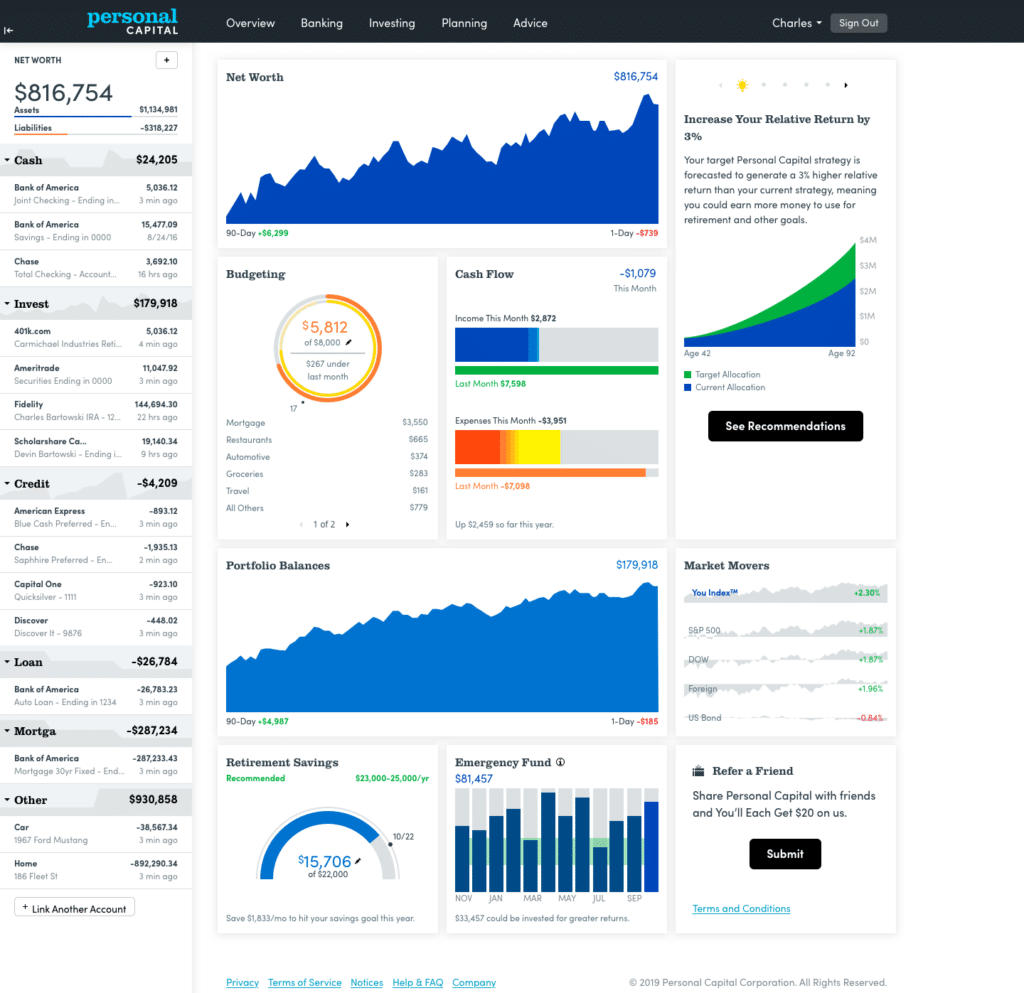
- 2023 – Rebranding: The platform officially completed its transition, retired the "Personal Capital" moniker, and fully rebranded as "Empower." The technology was integrated into Empower’s broader ecosystem while retaining its signature free dashboard functionality for the public.
The User Onboarding and Lifecycle Journey
To extract utility from the platform, users undergo a structured setup process:
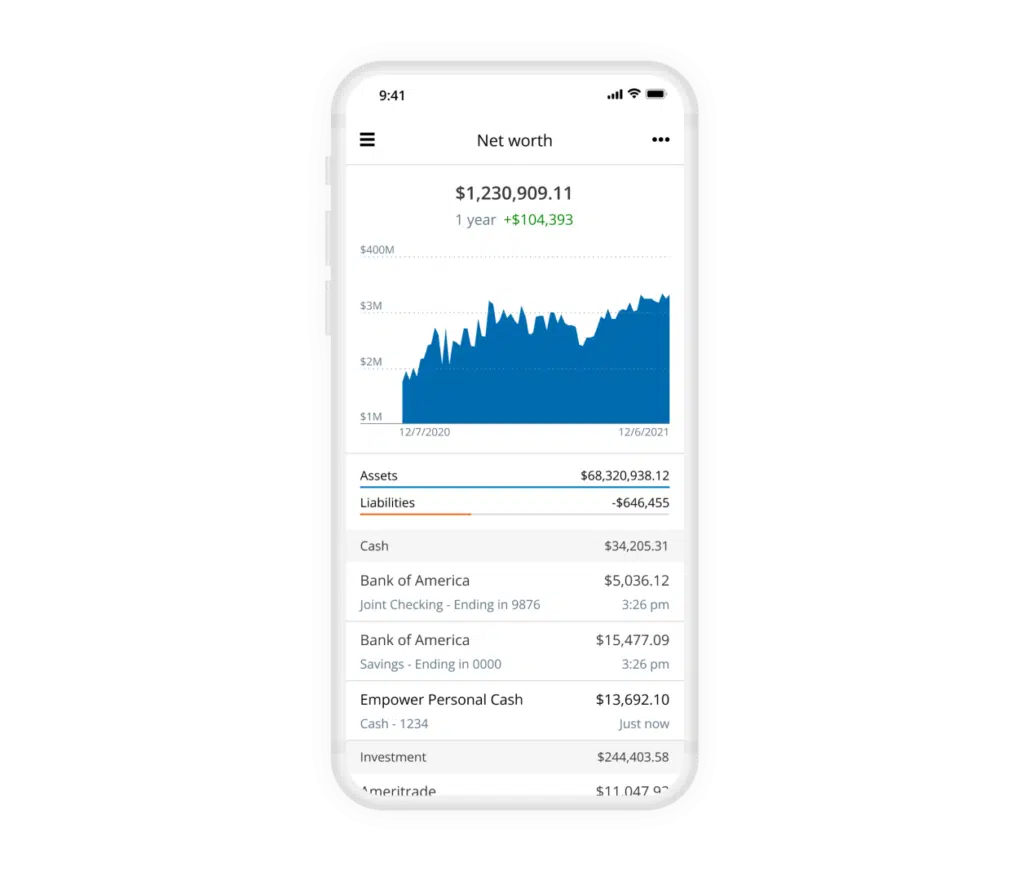
- Account Creation: Users register for a free account via the web portal or mobile application.
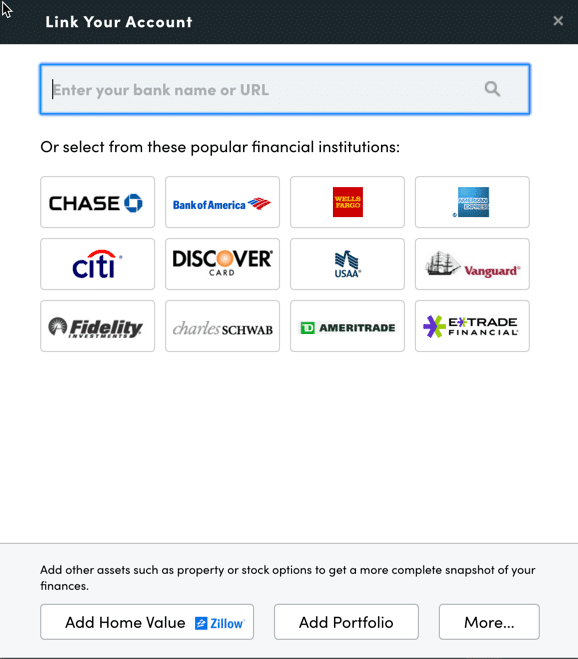
- Credential Integration: Using secure application programming interfaces (APIs) and credential-linking protocols, users search for their respective financial institutions (banks, brokerages, credit card issuers, mortgage lenders).
- Manual Asset Entry: For assets without digital login portals—such as physical real estate, private business equity, or collectibles—users input manual values. Real estate values can be dynamically linked to Zillow’s valuation engine to provide automated market estimates.
- Profile and Parameter Definition: Users define their profile by entering age, target retirement year, projected savings rate, anticipated income sources (such as Social Security or pensions), and risk tolerance.
- Continuous Optimization: The dashboard aggregates daily transaction and market data, allowing users to regularly review cash flows, portfolio performance, and retirement readiness.
Supporting Data
The core value proposition of Empower lies in its quantitative tools, which are divided into three primary functional areas: Banking & Cash Flow, Investment Analytics, and Retirement Planning.
1. Banking and Cash Flow Mechanics
While historically recognized for investment tracking, Empower has built robust cash flow and budgeting capabilities.
       [Linked Accounts: Checking, Savings, Credit Cards]
                             │
                             ▼
                 [Empower Cash Flow Engine]
                 /           │
                ▼            ▼             ▼
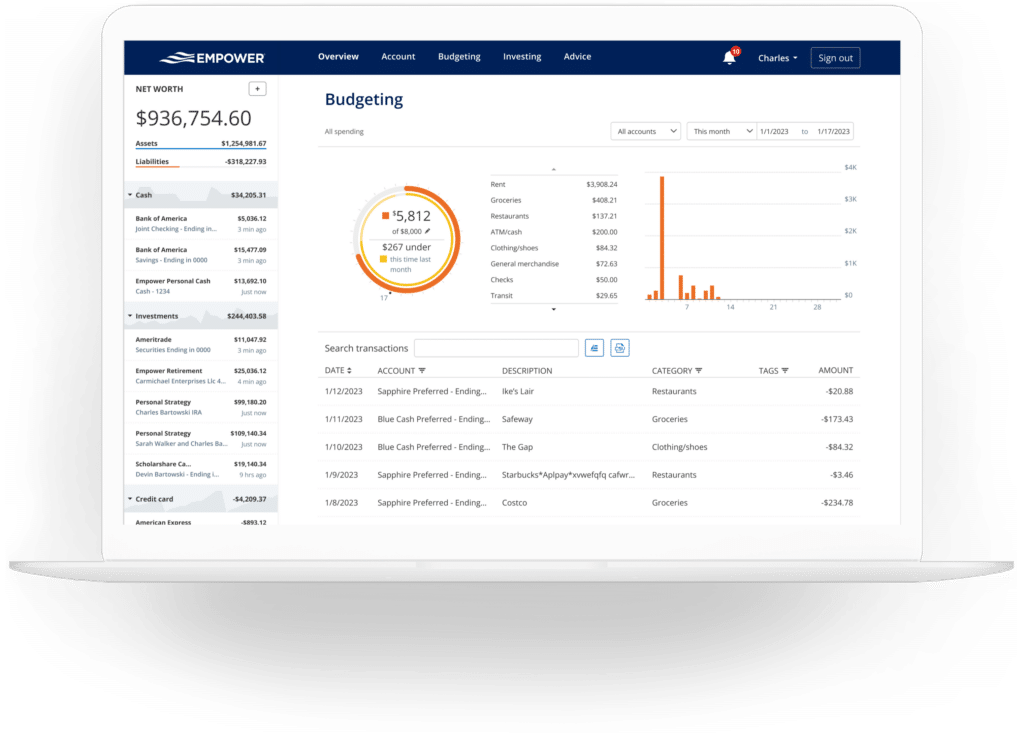
[Income Tracking] [Expense Parsing] [Bill Due Alerts]- Cash Flow Tracking: The platform monitors all inflows (salaries, dividends, interest) and outflows across every linked account. Users can isolate specific accounts to view business expenses versus personal spending or track investment income.
- Category-Based Budgeting: Unlike traditional zero-based budgeting apps (e.g., YNAB), Empower’s budgeting feature is retrospective. It automatically imports, parses, and categorizes credit card and bank transactions. It does not allow users to set strict category-by-category spending limits, but instead focuses on tracking total monthly spending against a target limit.
- Transaction Tagging: To bypass rigid category limitations, users can apply custom tags. For example, a user can tag various home repair bills with a specific project name (e.g., "Pool Renovation") to monitor project-specific costs without distorting broader categories like "Home Maintenance."
- Bill Aggregation: By monitoring linked credit card and loan accounts, the system aggregates upcoming payment due dates, helping users avoid late fees and manage monthly liquidity.
2. Investment Portfolio Analytics
Empower’s investment tools are highly regarded within the retail investment community for their diagnostic depth.
- Performance and Holdings Analysis: The dashboard tracks individual security performance, updates pricing throughout the trading day, and compares overall portfolio performance against major market indices (such as the S&P 500).
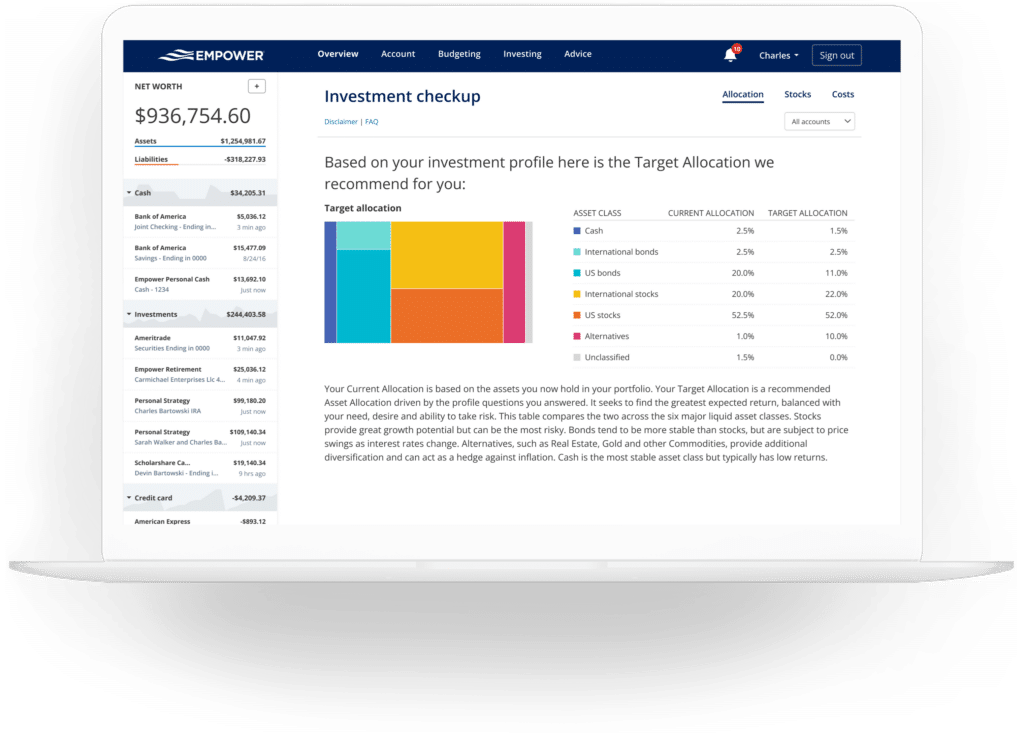
- Asset Allocation Mapping: The software analyzes underlying mutual funds and exchange-traded funds (ETFs) to determine true asset class exposure. It presents this data via an interactive visual matrix:
                  [Your Portfolio Asset Mix]
  ┌───────────────────────────────┬───────────────────────────────┐
  │         U.S. Stocks           │     International Stocks      │
  │           (55%)               │             (20%)             │
  ├───────────────────────────────┼───────────────────────────────┤
  │         Fixed Income          │       Cash & Alternatives     │
  │           (15%)               │             (10%)             │
└───────────────────────────────┴───────────────────────────────┘- Cryptocurrency Tracking: Recognizing the rise of digital assets, Empower supports cryptocurrency tracking. Rather than requiring users to share sensitive API keys or private wallet keys, the platform allows manual tracking. Users specify the token symbol, exchange, and quantity owned. Empower then pulls real-time market valuations for thousands of tokens across hundreds of exchanges.
3. Long-Term Planning and Optimization Calculators
Empower converts historical and current balance sheet data into actionable long-term projections.
                             [Linked Accounts]
                                     │
                                     ▼
                        [Retirement Planner Engine]
                        /            │
                       ▼             ▼             ▼
            [Historical Savings]  [Current Portfolio] [Social Security Est.]
                                    │            /
                        ▼            ▼           ▼
                      [Monte Carlo Probability Analysis]
                                     │
                                     ▼
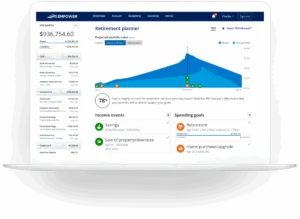
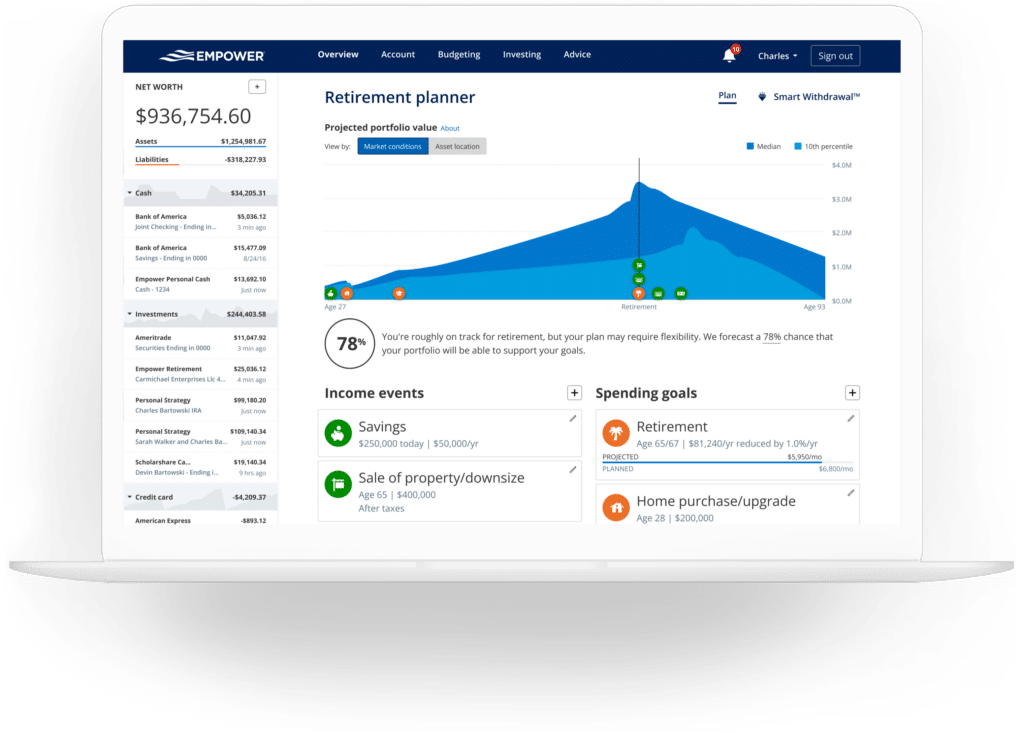
[Retirement Success Probability %]- Retirement Planner: The platform uses Monte Carlo simulations to run hundreds of economic scenarios, calculating the probability that a user’s portfolio will survive their retirement years. Users can build, save, and compare different scenarios side-by-side (e.g., retiring early at age 55 without Social Security versus retiring at age 65 with full benefits).
- Savings Planner: This module splits goals into three tracks:
- Retirement Savings: Tracks annual contributions to tax-advantaged accounts (401k, IRA) and taxable brokerages.
- Emergency Fund: Automatically evaluates linked bank account cash balances against the user’s average monthly spending, recommending a cash reserve of 3 to 6 months of expenses.
- Debt Paydown: Pools liabilities (mortgages, auto loans, personal loans) and maps balances, interest rates (APRs), and year-to-date payoff trajectories. Credit card debt is included if the user carries a balance and incurs interest charges over a 90-day period.
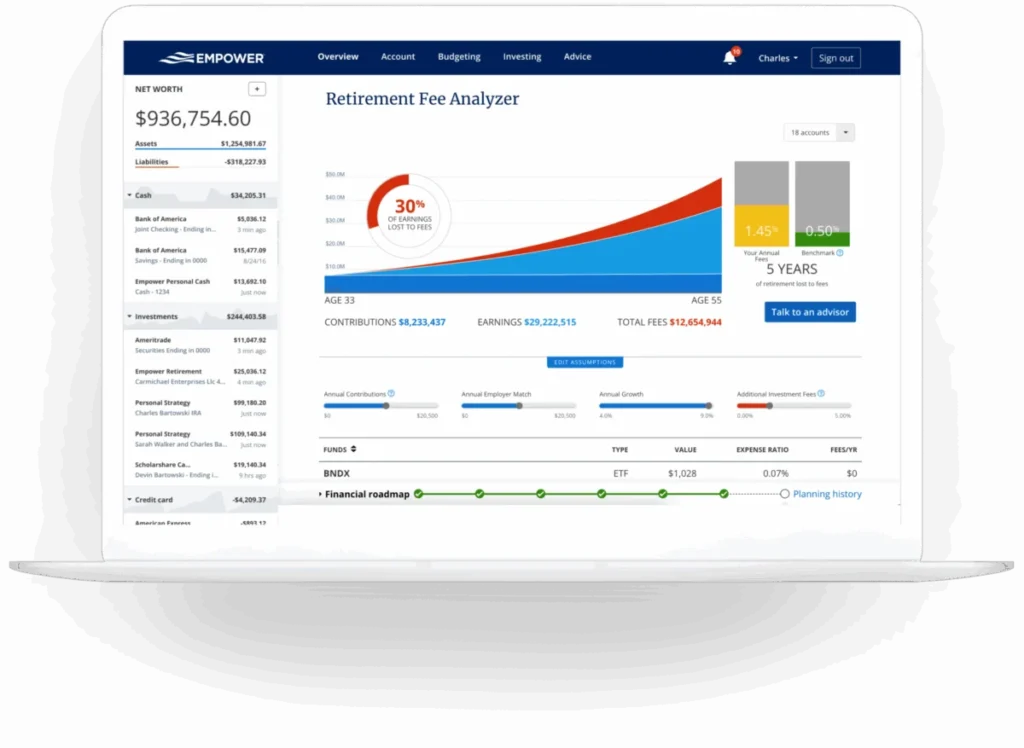
- Retirement Fee Analyzer: This diagnostic tool uncovers hidden costs in investment accounts. It calculates the weighted average expense ratio of all linked mutual funds and ETFs, demonstrating how minor fees compound over time to erode wealth:
| Scenario Metric | Low-Cost Index Portfolio | Average Advisor Portfolio | High-Cost Portfolio |
|---|---|---|---|
| Weighted Expense Ratio | 0.06% (6 bps) | 0.50% (50 bps) | 1.00% (100 bps) |
| Illustrative Fees Paid (Over 10 Years on $1M) | ~$7,500 | ~$61,000 | ~$118,000 |
| Long-Term Portfolio Drag | Minimal | Moderate | Severe |
Official Responses and Corporate Policies
To maintain trust while offering a free product, Empower maintains strict operational standards regarding data security, privacy, and its commercial business model.
1. Data Security and Encryption Standards
Empower implements enterprise-grade security to protect user financial credentials:
- AES-256 Encryption: Financial data is encrypted at rest and in transit using Advanced Encryption Standard (AES) 256-bit encryption with multi-layer key management. This includes rotating, user-specific keys and cryptographic salts.
- Credential Isolation: No individual at Empower has visibility into or access to your financial credentials. Authentication details are securely handled through tokenized verification processes.
- Multi-Factor Authentication (MFA): Empower mandates multi-factor authentication for all new login attempts. Device authorization via SMS, email, or telephone verification is required to access the dashboard from unrecognized hardware.
- Continuous Monitoring: The platform displays a history of authorized devices and recent sign-in timestamps, allowing users to audit and revoke access for older devices.
2. Monetization Strategy and Advisory Sales
Because the dashboard is entirely free, users often ask how the company remains profitable.
[Free Dashboard User] ──(Aggregates >$100k in Assets)──> [Empower Advisory Lead Gen]
                                                                │
                                                                ▼
                                                    [Optional Sales Outreach]
                                                    /
                                                   ▼                         ▼
                                     [Declines Services]            [Accepts Advisory]
                                           │                                 │
                                           ▼                                 ▼
                               [Continues Using Dashboard]       [Paid Portfolio Mgmt]
                                      (Still Free)               (0.49% - 0.89% AUM)
Empower uses its free software as a marketing funnel to identify qualified candidates for its paid wealth management services.
- Target Audience Identification: When a user links accounts totaling over $100,000 in investable assets, Empower’s sales team may reach out to offer a complimentary portfolio review and pitch their paid investment advisory services.
- Advisory Fee Structure: For users who opt to hire Empower to manage their portfolios, the annual fee is calculated as a percentage of assets under management (AUM):
| Assets Under Management (AUM) | Annual Advisory Fee |
|---|---|
| First $1 Million | 0.89% |
| First $3 Million (Tiered) | 0.79% |
| Next $2 Million | 0.69% |
| Next $5 Million | 0.49% |
- Opt-Out Policy: Empower maintains a clear policy regarding sales solicitation. If a user declines the wealth management pitch and requests not to be contacted, the company’s internal guidelines mandate that advisors honor the request and stop further sales calls. Users can continue to use the free dashboard indefinitely without enrolling in the paid advisory service.
Implications
The market presence of Empower’s dashboard has significant implications for both consumers and the broader financial services industry.
1. The Democratization of Wealth Management Tools
Historically, institutional-grade portfolio analysis—such as fee diagnostic engines, Monte Carlo retirement simulations, and asset allocation mapping—was only available through paid professional software used by certified financial planners. By offering these capabilities for free, Empower has democratized advanced financial planning. This empowers retail investors to manage their own portfolios, identify high-cost funds, and optimize their retirement plans without paying high advisory fees.
2. Comparative Positioning in the Fintech Landscape
To understand Empower’s market position, it is helpful to compare it to other popular personal finance applications:
                          [FINTECH LANDSCAPE]

        Budgeting-Focused                    Investment-Focused
     ┌──────────────────────┐             ┌──────────────────────┐
     │  - YNAB              │             │  - EMPOWER           │
     │  - Monarch Money     │             │  - Kubera            │
     │  - Copilot           │             │  - Vyzer             │
     └──────────────────────┘             └──────────────────────┘
      (Retrospective/Zero-Based            (Net Worth, Fees, Allocation,
Cash Flow & Expense Tracking) Retirement Projections)- Budgeting-Centric Platforms (YNAB, Monarch Money, Copilot): These platforms focus on proactive cash flow planning and zero-based budgeting. However, they lack advanced investment diagnostics, asset allocation matrices, and retirement fee analyzers. They also typically require paid monthly or annual subscriptions.
- Investment-Centric Platforms (Empower): Empower focuses on long-term net worth tracking, investment analysis, and retirement planning. It is less suited for granular, envelope-style budgeting, but it remains one of the few premium tools that is completely free.
3. Industry Consolidation and the Future of Wealthtech
Empower’s evolution highlights a growing trend of consolidation within the financial technology sector. Large retirement providers and asset managers are increasingly acquiring independent fintech startups to use as customer acquisition tools.
By integrating Personal Capital’s advanced tracking software into its retirement ecosystem, Empower has built a highly effective pipeline. It helps workplace retirement plan participants transition into comprehensive wealth management clients, showing how software and services are converging in the modern wealthtech market.