The Ultimate Guide to Wealth Management: Top Net Worth Tracking Apps for 2025
For most individuals, the path to long-term financial security begins with a single, foundational metric: net worth. At its simplest, net worth is a straightforward calculation of assets minus liabilities. However, in the modern digital age, tracking this figure manually has become an archaic and error-prone practice. Today, sophisticated financial technology platforms have transformed how we monitor our economic health, turning static spreadsheets into dynamic, automated dashboards.
Whether you are looking to optimize your investment portfolio, manage aggressive debt repayment, or simply gain a clearer picture of your financial trajectory, the right software can act as a personal CFO. Below, we examine the current landscape of net worth tracking, the evolution of these tools, and a comprehensive analysis of the top-tier platforms available to help you master your financial future.
The Evolution of Financial Tracking: From Ledgers to Automation
Historically, tracking wealth required physical ledgers, calculators, and a significant time commitment to reconcile bank statements. In the late 1990s and early 2000s, desktop software like Quicken brought the first wave of automation to personal finance. However, the true revolution occurred with the advent of secure API-based account aggregation.
A Chronology of Financial Technology
- The Early 2000s: The emergence of desktop-based software enabled users to store financial data locally, though connectivity to real-time bank data was limited.
- The 2010s: The "Mint" era introduced the first widely adopted cloud-based aggregators, which allowed users to sync multiple accounts in one place for free.
- The 2020s: With the sunsetting of older legacy platforms, the market saw a surge in premium, user-centric tools. These modern applications prioritize data privacy, sophisticated user interfaces (UI), and deep analytical insights, moving beyond simple balance tracking to include AI-driven financial planning.
Supporting Data: Why Tracking Net Worth Matters
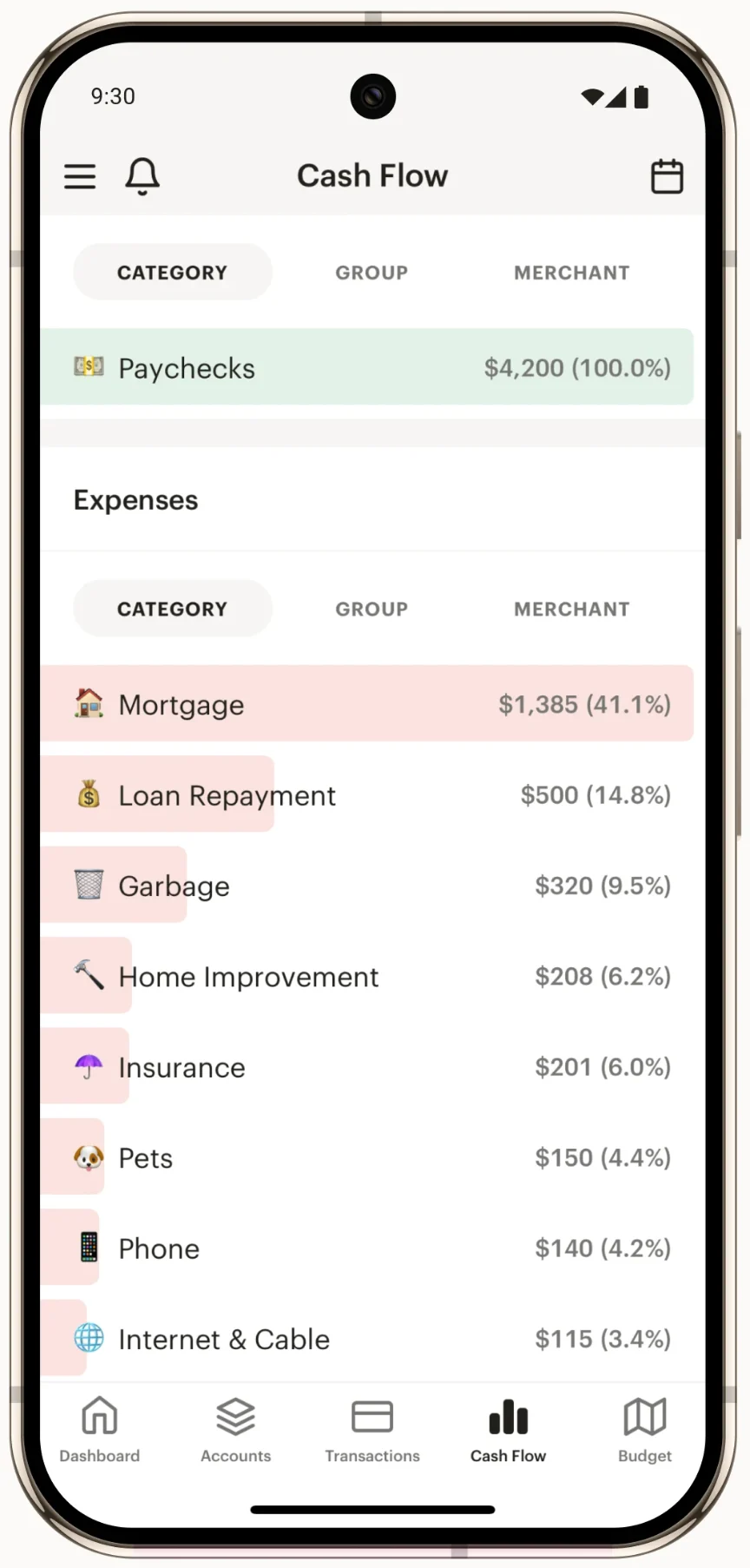
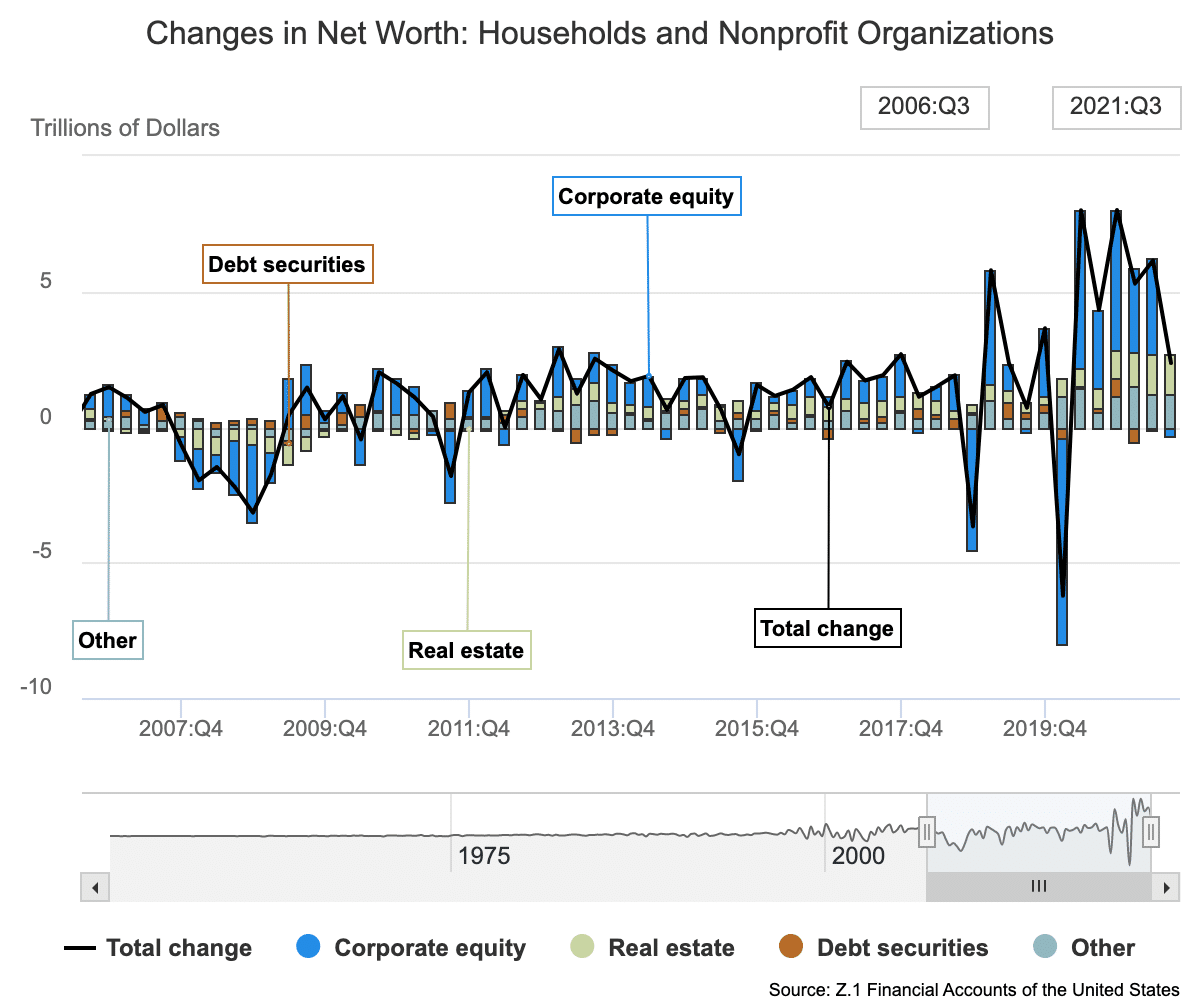
Financial experts consistently cite net worth as the "North Star" of personal finance. Unlike cash flow—which tracks what you spend—net worth tracks your accumulated progress.
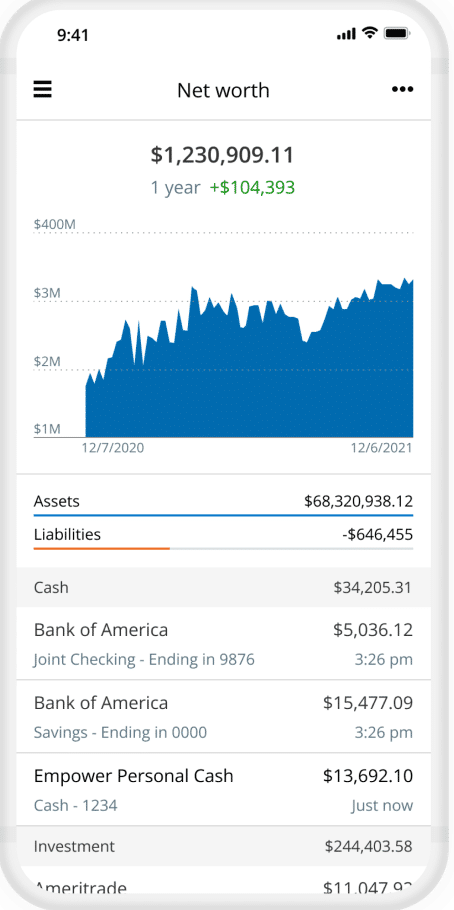
According to industry data from financial wellness platforms, individuals who regularly monitor their net worth are 30% more likely to meet their long-term retirement goals. This is largely due to the "feedback loop" effect: seeing a net worth graph trend upward reinforces positive financial behaviors, such as increasing retirement contributions and avoiding high-interest consumer debt.
The Top Contenders: A Comparative Analysis
While there are dozens of free and paid tools on the market, three stand out as the industry leaders, followed by specialized solutions for budget-focused or spreadsheet-savvy users.
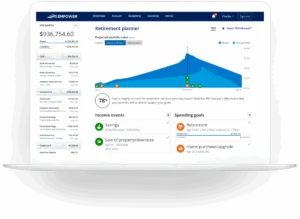
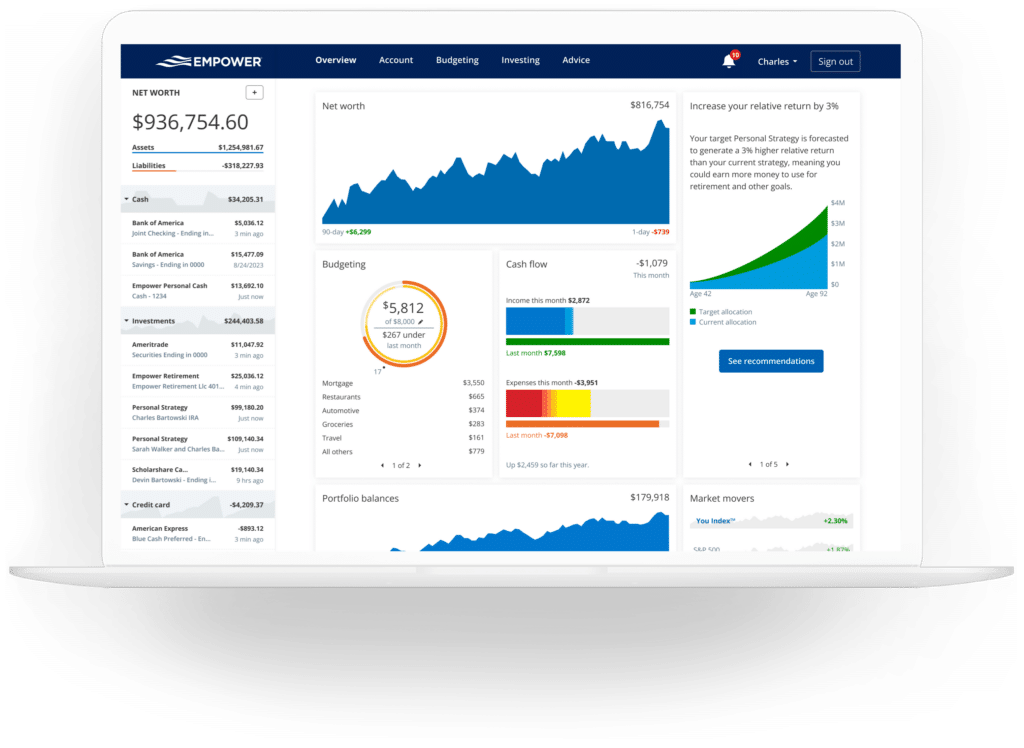
1. Empower (formerly Personal Capital): The Gold Standard for Investors
Empower remains the premier choice for individuals who prioritize investment oversight. As a free tool, it provides an institutional-grade experience.
- Key Features: Empower connects to almost every major financial institution, including crypto exchanges and Zillow-integrated real estate tracking.
- Analytical Depth: Beyond simple tracking, it offers an "Asset Allocation Inspector" and a "Fee Analyzer." The latter is particularly valuable, as it identifies hidden expense ratios in mutual funds and ETFs that can erode long-term wealth.
- Professional Integration: Empower offers a unique path to advisory services, though the core software remains free for all users.
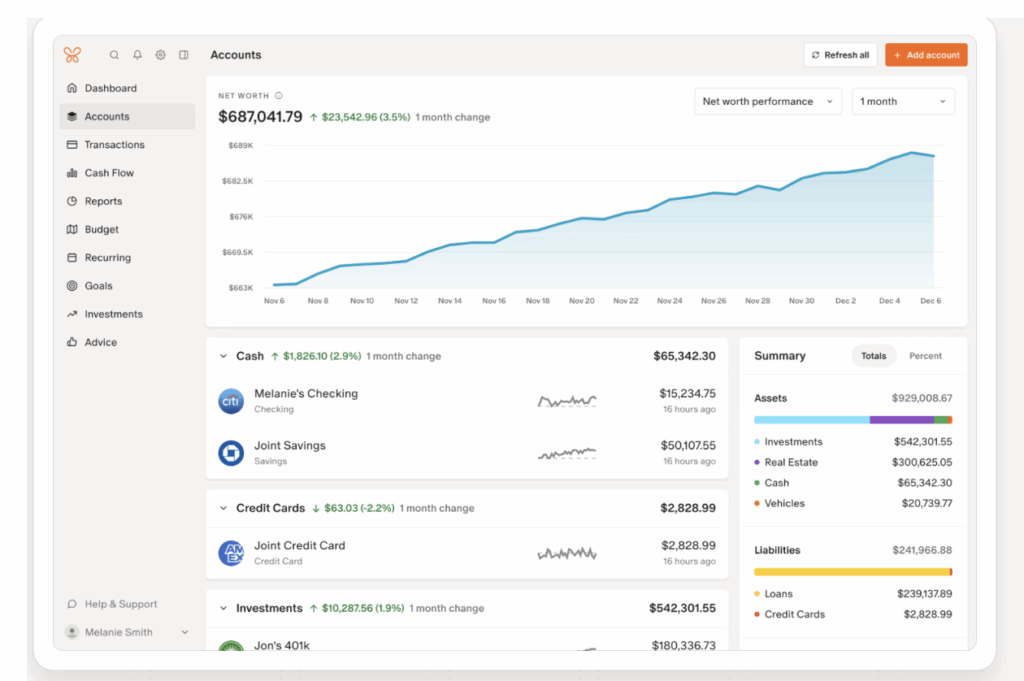
2. Monarch Money: The Modern Powerhouse
For those who view net worth tracking as part of a holistic financial health strategy, Monarch Money is currently the market leader in user experience.
- New Innovations: Monarch has recently integrated advanced AI assistants that allow users to query their financial data naturally (e.g., "How much did my net worth increase since last quarter?"). Furthermore, their new automated receipt scanner simplifies expense categorization, making budget reconciliation almost effortless.
- Customization: Monarch offers a superior interface for rule-based categorization, making it the top pick for those who want deep visibility into their daily spending alongside their total wealth.
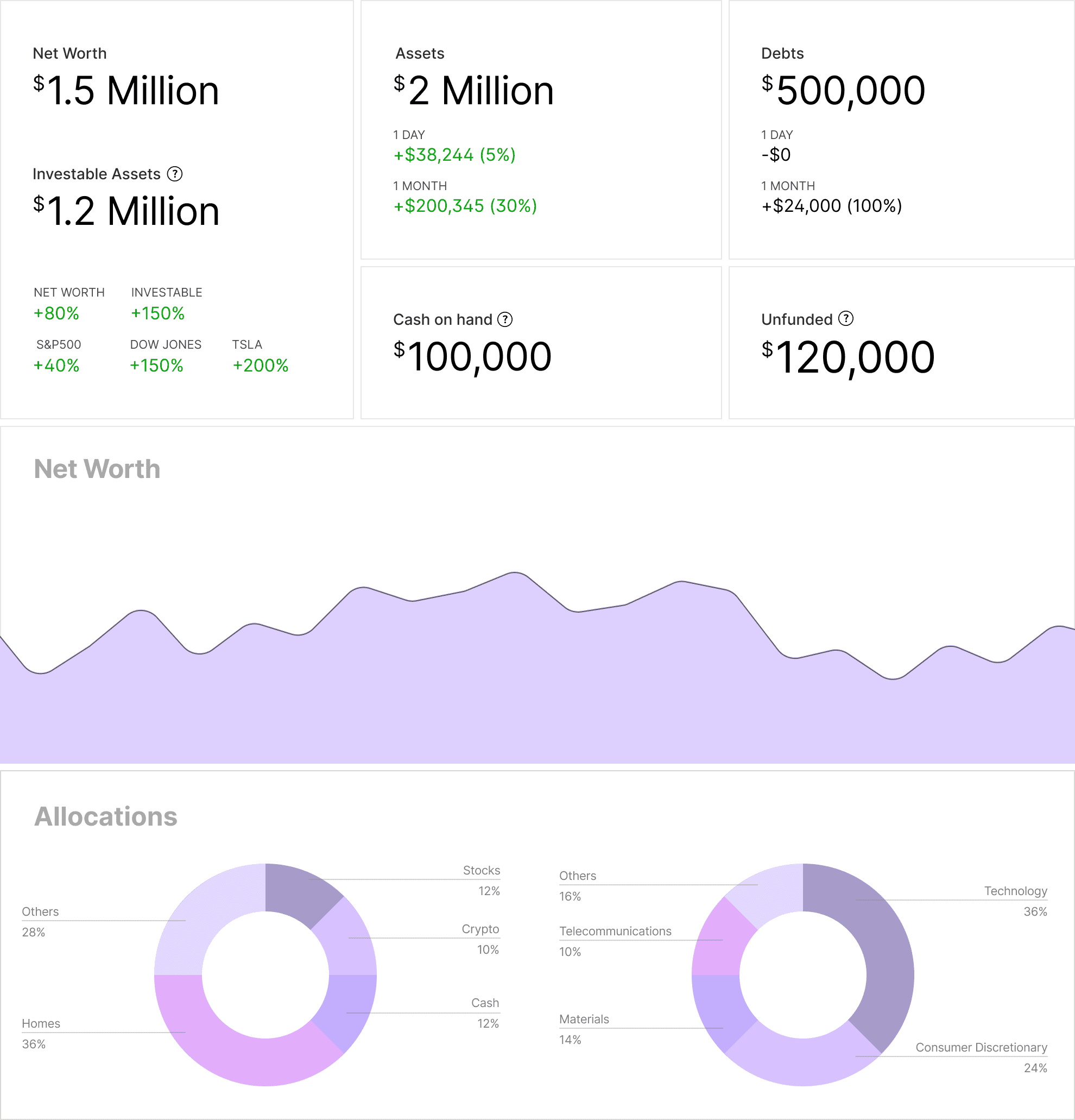
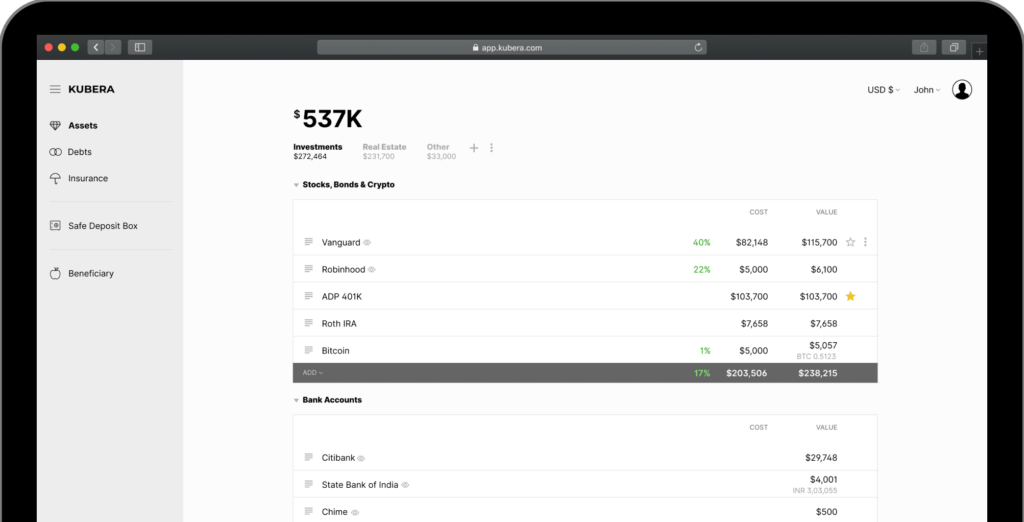
3. Kubera: The High-Net-Worth Specialist
For individuals with complex financial portfolios—including international assets, domain names, and non-traditional investments—Kubera serves as a sophisticated command center.
- Advanced Capabilities: Unlike mass-market apps, Kubera focuses on a clean, "no-nonsense" dashboard that can track assets that other apps often ignore.
- Data Privacy: Kubera is built on a subscription model that prioritizes user privacy, ensuring that your financial data is not being sold to third-party advertisers. While it comes with a $250 annual price tag, it is the clear choice for high-net-worth individuals requiring high-fidelity tracking.
Alternative Solutions for Specialized Needs
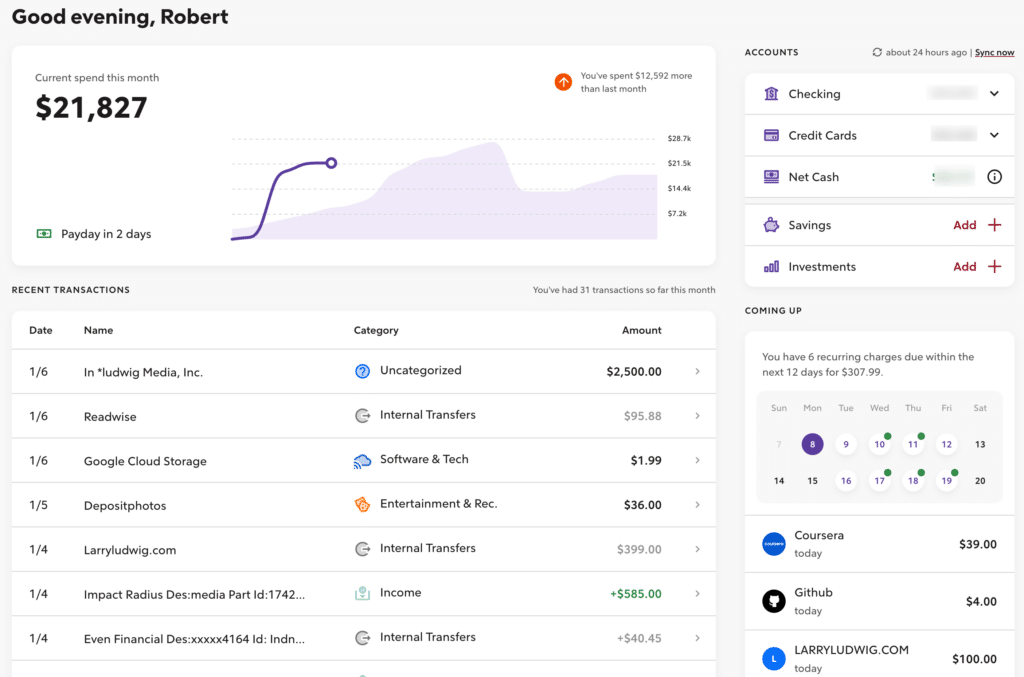
Rocket Money: The Subscription Slayer
Rocket Money excels by focusing on the "leakage" in a budget. It is highly effective at identifying recurring subscriptions that may be siphoning money from your net worth. Its automated cancellation feature and user-friendly mobile interface make it an excellent entry-level tool for those primarily focused on cash flow.
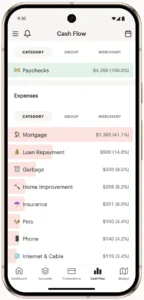
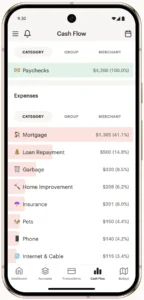
Simplifi by Quicken: The Budget-First Dashboard
Simplifi occupies a middle ground. It is exceptionally well-designed for mobile users who want to see their net worth and their monthly budget side-by-side. It is particularly popular among younger professionals who desire a sleek aesthetic without the complexity of a full-scale investment platform.
Tiller: The Spreadsheet Enthusiast’s Dream
For those who distrust apps or simply prefer the granular control of Excel or Google Sheets, Tiller is unmatched. It automatically imports your transaction data into a spreadsheet of your design. This gives you total control over your data—a level of transparency that no other app can match.
Official Responses and Security Considerations
When discussing financial apps, security is the primary concern for consumers. Every platform mentioned here utilizes industry-standard security protocols, including AES-256 encryption. Most modern platforms (Empower, Monarch, etc.) use third-party aggregators like Plaid or Finicity, which act as a secure bridge between your bank and the app. These aggregators are "read-only," meaning the app cannot move your money or initiate transfers; they can only view your data.
Despite these safeguards, users are advised to enable Multi-Factor Authentication (MFA) on all financial accounts and ensure their personal devices are secured with biometrics.
The Implications: Building Long-Term Financial Habits
The selection of a net worth tracker is not merely a software choice; it is a declaration of intent regarding your financial future.
The Psychological Shift:
The most significant implication of using these tools is the shift from "passive consumption" to "active management." When you track your net worth, you stop seeing your bank balance as a number to spend, and start seeing it as a component of a larger machine.
The Verdict:
- If you want a free, investment-focused tool: Choose Empower.
- If you want a comprehensive, AI-enhanced budgeting app: Choose Monarch Money.
- If you manage complex, global, or non-traditional assets: Choose Kubera.
- If you prefer the control of a spreadsheet: Choose Tiller.
Regardless of which tool you select, the most important step is consistency. By establishing a routine of reviewing your financial data on a monthly basis, you gain the clarity needed to make informed decisions. In the volatile economic landscape of 2025, that clarity is perhaps the most valuable asset you can own. Whether you are aiming for early retirement, debt freedom, or long-term wealth preservation, these platforms provide the architecture necessary to turn your financial aspirations into a concrete, measurable reality.