The Standoff: Trump’s Refusal to Sign Housing Bill Sparks Political and Economic Uncertainty
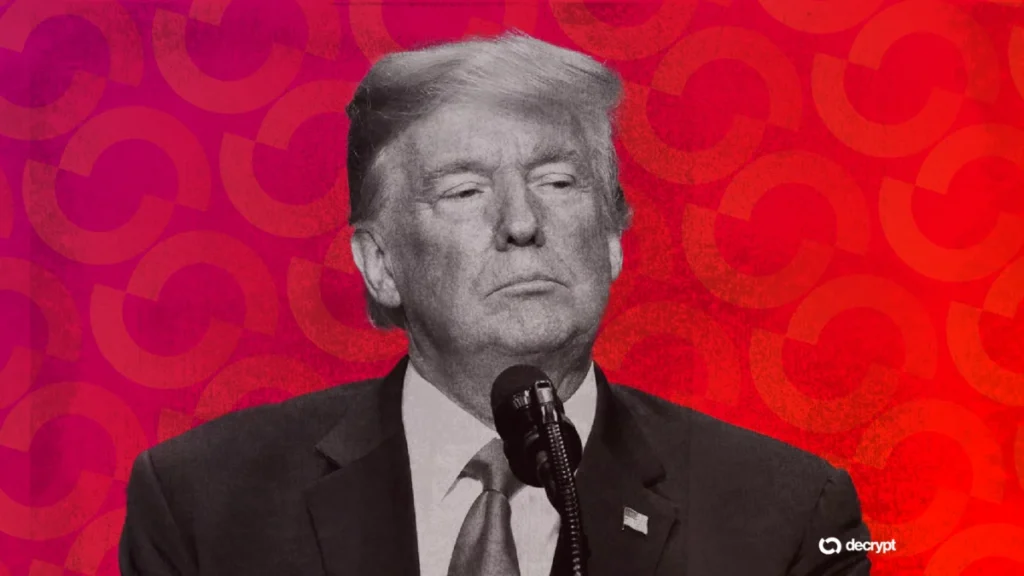
In a move that has sent shockwaves through Washington, President Donald Trump announced on Thursday that he will refuse to sign the "21st Century ROAD to Housing Act," a bipartisan legislative package designed to address the nation’s acute housing shortage. While the President’s public declaration on Truth Social has been framed as a formal act of protest, the legal reality of the situation remains complex. The bill, which contains a critical provision banning the Federal Reserve from issuing a Central Bank Digital Currency (CBDC) through 2030, is now caught in a high-stakes standoff between the executive branch and congressional leadership.
The Core Conflict: A Legislative Protest
President Trump’s refusal to sign the bill is explicitly linked to his frustration with the legislative branch’s inaction on the "SAVE America Act." The latter, a controversial piece of legislation championed by the President to restrict voting rights, has faced repeated roadblocks in Congress. Republican leadership has consistently signaled that the bill lacks the necessary support to move forward, effectively stalling it in committee.
By withholding his signature from the housing bill, Trump is attempting to leverage a bipartisan success to force a conversation on his own legislative priorities. "I will not sign the housing bill," Trump wrote on Truth Social, characterizing his decision as a protest against the Senate’s failure to prioritize his voting rights agenda.
However, constitutional mechanisms create a unique scenario for this bill. Under Article I of the U.S. Constitution, if a president does not sign a bill within 10 days (excluding Sundays) while Congress is in session, the legislation automatically becomes law. With the deadline approaching at midnight, the nation is witnessing a rare political game of chicken: will the President issue a formal veto, or will he allow the bill to become law by default, effectively undermining his own public declaration?
Chronology of a Legislative Impasse
The path to this moment has been paved with months of intense negotiation and bipartisan cooperation.
- Early 2024: The 21st Century ROAD to Housing Act is introduced as a comprehensive strategy to lower the cost of living by incentivizing residential construction and curbing the influence of institutional investors in the single-family housing market.
- Mid-2024: Amid growing concerns regarding financial privacy and government overreach, lawmakers reach a bipartisan consensus to include an amendment that strictly prohibits the Federal Reserve from launching a CBDC through 2030.
- Late 2024: The bill moves through the House and Senate with overwhelming support. The Senate passes the measure with a commanding 85-5 vote, while the House follows suit with a 358-32 margin. Both tallies represent "veto-proof" majorities.
- The Deadline Week: Upon receiving the bill, President Trump begins to voice his dissatisfaction with the legislative calendar.
- Thursday, Current Week: Trump takes to Truth Social, declaring he will not sign the bill, citing the stalled SAVE America Act as his primary grievance.
- The Midnight Deadline: As of this writing, the White House has declined to comment on whether a formal veto will be issued before the expiration of the 10-day period.
The CBDC Provision: Why It Matters
One of the most significant—and perhaps most controversial—components of the housing bill is the prohibition on the development and issuance of a Central Bank Digital Currency. A CBDC would be a digital form of the U.S. dollar issued directly by the Federal Reserve. Proponents argue it could streamline cross-border payments and modernize the monetary system, while critics view it as an existential threat to personal privacy.
Privacy advocates and cryptocurrency enthusiasts have long campaigned against a government-controlled digital currency, arguing that it could grant the federal government unprecedented access to the financial habits and transaction histories of everyday Americans. The provision in the 21st Century ROAD to Housing Act serves as a "circuit breaker," ensuring that the Federal Reserve cannot pursue such a project without explicit, future congressional authorization.
By failing to sign the bill, the President is inadvertently creating uncertainty for the crypto and privacy sectors. While the Federal Reserve has stated it would not move forward without congressional backing, the legal ban provided by this bill offers a more robust layer of protection that many advocates believe is necessary in the current digital landscape.
Implications for Housing and the Economy
The primary intent of the 21st Century ROAD to Housing Act is to mitigate the ongoing housing crisis. The U.S. has struggled with a persistent supply-demand imbalance, which has driven home prices to record highs and sidelined millions of potential buyers.
The legislation aims to address this through two primary levers:
- Regulatory Reform: By streamlining federal and local permitting processes, the bill intends to reduce the time and cost associated with new residential construction.
- Institutional Curbs: The bill includes provisions to limit the ability of large-scale institutional investors to bulk-purchase residential properties, a practice that many economists believe has exacerbated price inflation and reduced inventory for middle-class families.
If the bill fails to become law—either through a successful veto or if the President’s protest causes a procedural collapse—these measures will die in committee. The economic impact could be significant, as the current housing market remains a primary driver of inflation and a significant burden on the American consumer.
The Veto Calculus: Can Congress Override?
The White House has remained tight-lipped regarding the President’s ultimate decision, directing all inquiries to his public statements. If Trump decides to issue a formal veto before the midnight deadline, the legislation would be returned to Congress.
Given that the bill originally passed with 85-5 in the Senate and 358-32 in the House, it is highly likely that Congress possesses the required two-thirds majority to override a veto. However, the process of an override is time-consuming and politically fraught. It would force members of the President’s own party to choose between their loyalty to Trump’s agenda and their support for the bipartisan housing package.
This creates a dilemma for Republican leadership. Supporting an override of a President from their own party is a rare and dangerous political maneuver, yet abandoning a bill that they helped draft and pass with such overwhelming support could alienate moderate voters who are eager for relief in the housing sector.
Official Responses and Political Strategy
The response from lawmakers has been a mix of caution and frustration. Democrats have largely criticized the President’s move as a "political stunt," arguing that the housing crisis is too critical to be used as leverage for unrelated voting rights legislation. Meanwhile, several Senate Republicans have privately expressed frustration that their hard-won bipartisan victory is being jeopardized by a personal vendetta against the legislative process.
White House officials, when pressed, have maintained a consistent stance of non-commentary, pointing to the President’s Truth Social post as the final word. This strategy serves to keep the President’s options open, allowing him to maintain the appearance of strength while potentially avoiding the humiliation of a veto override if the bill becomes law by default.
Looking Ahead: The Future of Digital Finance and Housing
Regardless of the outcome at midnight, this episode underscores the growing tension between the executive branch and the legislative branch regarding the future of money. The debate over CBDCs is unlikely to disappear, even if the current bill becomes law. The Federal Reserve continues to conduct research into digital currency technology, and the conversation surrounding privacy and digital assets remains a top priority for lawmakers on both sides of the aisle.
Furthermore, the housing market remains a pivotal issue for the American electorate. Whether this bill becomes law or is relegated to the scrap heap of legislative failures, the underlying issues—supply shortages, investor dominance, and affordability—will continue to define the economic landscape.
As the clock ticks toward midnight, all eyes are on the White House. The decision made in these final hours will not only determine the fate of the housing sector and the regulatory future of digital currencies but will also signal the current state of power dynamics within the U.S. government. For now, the nation waits to see if the 21st Century ROAD to Housing Act will endure as a testament to bipartisan cooperation or crumble under the weight of partisan protest.