The Robinhood Chain Revolution: Bridging Traditional Finance and Decentralized Infrastructure
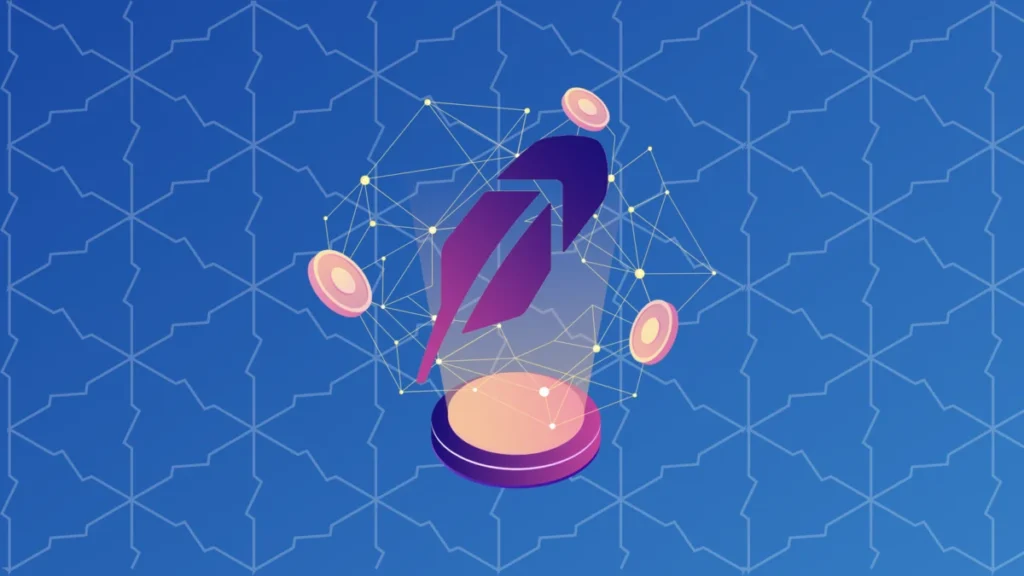
On July 1, 2026, the financial services landscape shifted as Robinhood, the brokerage platform that democratized stock trading for a generation, officially transitioned into the role of a blockchain infrastructure provider. The launch of the Robinhood Chain—a dedicated layer-2 network built on Ethereum—marks a pivotal moment in the convergence of Wall Street-style financial services and the decentralized finance (DeFi) ecosystem. By blending the familiarity of stock-like trading with the autonomy of blockchain, Robinhood is positioning itself to be the primary gateway for the next wave of global financial adoption.
Main Facts: The Architecture of the Robinhood Chain
Robinhood Chain is a specialized Ethereum layer-2 network designed to bridge the gap between traditional asset classes and the burgeoning world of decentralized finance. By leveraging the Arbitrum Dedicated Blockchains framework—a sophisticated layer-2 solution engineered by Offchain Labs—Robinhood has created a environment that is both familiar to developers and efficient for users.
Technical Foundations
At its core, the network operates on the Ethereum Virtual Machine (EVM), ensuring that developers can migrate existing dApps, smart contracts, and liquidity protocols from Ethereum with minimal friction. The network utilizes ETH as its native gas token, anchoring it firmly to the security and liquidity of the broader Ethereum ecosystem.
Crucially, the chain employs a "first-come, first-served" sequencing model. Unlike many other networks where users can pay "priority fees" to jump ahead in the queue—a practice often criticized for creating unequal access and network congestion—Robinhood Chain prioritizes transaction order based on arrival time. This design choice emphasizes fairness and predictability, reflecting the company’s stated goal of creating a transparent, accessible financial infrastructure.
The Role of Tokenized Assets
The primary catalyst for the network’s value proposition is the introduction of Stock Tokens. These blockchain-based assets provide exposure to real-world assets (RWAs), including blue-chip stocks and exchange-traded funds (ETFs). By tokenizing these assets, Robinhood enables 24/7 trading, fractional ownership, and seamless integration into DeFi protocols like lending and borrowing platforms, which were previously impossible with traditional brokerage stocks.
Chronology: A Rapid Path to Mainnet
The journey toward the Robinhood Chain was characterized by a methodical approach to infrastructure building. While the firm had long been a major crypto player through its trading app, the decision to build a proprietary chain reflected a shift from "brokerage" to "ecosystem owner."
- Pre-2026 (Development Phase): Robinhood teams spent over a year working with Offchain Labs to refine the Arbitrum-based architecture, focusing on compliance, high-throughput transaction processing, and user-friendly wallet integrations.
- July 1, 2026 (Mainnet Launch): The network officially went live. Within hours of the mainnet rollout, the network was populated with initial liquidity providers, decentralized exchanges (DEXs) like Uniswap, and institutional-grade custody solutions.
- The "First Week" Surge: The network experienced an explosive debut. In just seven days, the chain recorded over 17 million transactions and saw its user base swell to nearly 350,000 unique addresses.
- The Meme Coin Catalyst: Shortly after the launch, the network became the epicenter of speculative activity, headlined by the meme coin "Cash Cat" (CASHCAT). The resulting frenzy tested the network’s scalability and solidified its status as a high-velocity, high-activity chain.
Supporting Data: By the Numbers
The early success of Robinhood Chain is evidenced by a suite of performance metrics that suggest significant market appetite for institutional-grade DeFi.
| Metric | Recorded Value (First Week) |
|---|---|
| Total Transactions | 17 Million+ |
| Active Wallets | ~350,000 |
| DEX Volume | $1 Billion+ |
| Internal TVL Estimate | $250 Million |
| On-chain Stablecoin Balances | >$260 Million |
While independent data aggregators like DefiLlama placed the core protocol Total Value Locked (TVL) at roughly $94 million, the discrepancy between company metrics and independent tracking often highlights the complexity of measuring assets that are "bridged" versus "native" to a new chain. Regardless of the exact TVL, the surge in stablecoin liquidity indicates that users are actively moving capital onto the network to participate in yield-generating activities and tokenized asset trading.
Official Responses and Strategic Vision
Johann Kerbrat, SVP and General Manager of Crypto and International at Robinhood, framed the launch as a necessary evolution of global finance. In a public statement, Kerbrat noted that while DeFi has long promised to unlock new possibilities, its complexity has historically acted as a barrier to entry.
"Decentralized finance unlocks possibilities beyond what traditional finance can offer, but historically, it has required technical expertise to navigate," Kerbrat stated. "We’re bringing the best of traditional finance and DeFi together, and in doing so, expanding financial ownership to every corner of the globe."
This sentiment is echoed in the company’s strategic partnerships. By integrating with infrastructure giants like Chainlink for price feeds, Alchemy for developer tools, BitGo for institutional custody, and Paxos for stablecoin liquidity, Robinhood is effectively building a "walled garden" that maintains the safety standards of a traditional financial institution while offering the speed and transparency of a public blockchain.
Implications: The Regulatory and Market Landscape
The launch of the Robinhood Chain is not without its complexities, particularly regarding the regulatory environment.
The RWA Regulatory Divide
A significant point of contention—and caution—is the status of Stock Tokens. Robinhood has been explicitly clear that these tokens do not represent legal ownership of underlying company shares, nor do they grant voting rights. Furthermore, they have implemented strict geographic restrictions.
"Stock Tokens are not registered under U.S. securities laws and may not be offered, sold, or delivered, directly or indirectly, in the United States or to, or for the account or benefit of, U.S. persons," the company stated in its legal disclosures. This underscores the fragmented nature of global crypto regulation; while Robinhood can innovate freely in other jurisdictions, the U.S. remains a restrictive market for these specific tokenized products.
The Future of DeFi Integration
The implications of this network extend beyond just trading. By incorporating lending protocols like Morpho, Robinhood is enabling a new paradigm where a user can hold a tokenized ETF, use it as collateral in a decentralized lending pool, and borrow stablecoins—all within a single, unified interface. This "all-in-one" experience mimics the ease of a traditional banking app while utilizing the composable, transparent architecture of Ethereum.
Challenges Ahead
The rapid surge in activity, while positive for adoption, presents long-term challenges. As seen with the "Cash Cat" craze, new networks are immediate targets for volatile, speculative trading. Maintaining network integrity, preventing smart contract vulnerabilities, and ensuring that users understand the risks of non-custodial finance will be the defining challenges for Robinhood in the coming months.
Conclusion
The Robinhood Chain represents a major milestone in the maturation of the blockchain sector. By leveraging the security of Ethereum, the scalability of Arbitrum, and the brand trust of a major retail brokerage, Robinhood has successfully lowered the barrier to entry for decentralized finance. Whether the network can transition from a site of speculative frenzy to a reliable foundation for long-term asset management remains to be seen. However, one thing is certain: with the launch of this chain, the line between "traditional" and "decentralized" finance has never been thinner.