Business First Bancshares Bolsters Advisory Arm with Acquisition of American Planning Corporation
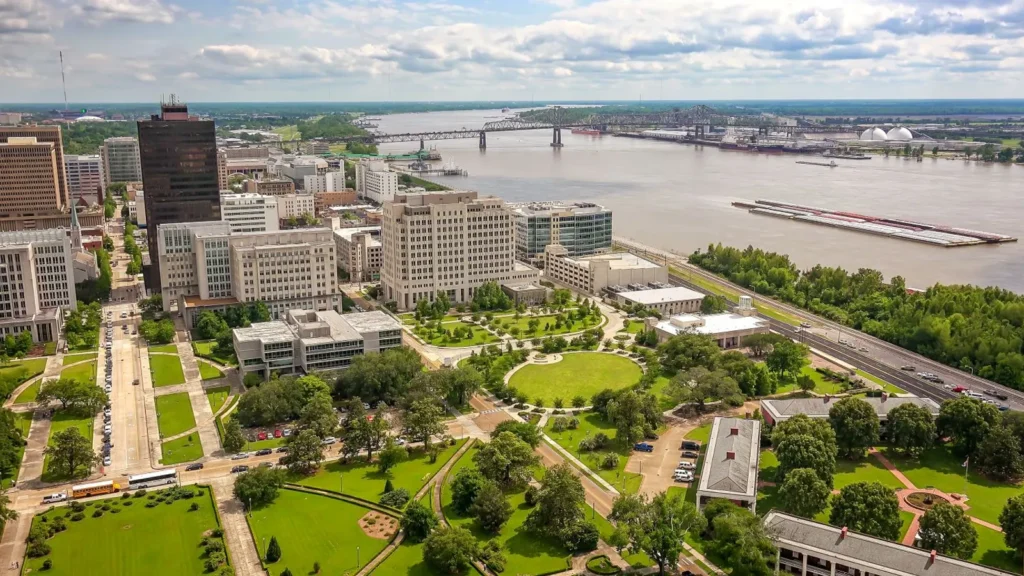
BATON ROUGE, LA – In a move that underscores its aggressive growth strategy and deepening commitment to the community banking sector, Business First Bancshares, the parent company of b1BANK, announced on Tuesday the acquisition of Dallas-based financial consulting firm American Planning Corporation.
This strategic transaction, the terms of which remain undisclosed, represents the seventh major deal for the Baton Rouge-based financial institution since 2020. By bringing American Planning Corporation into its corporate fold, Business First Bancshares is effectively doubling down on its specialized advisory capabilities, integrating the firm into its existing subsidiary, Smith Shellnut Wilson (SSW).
The Strategic Rationale: A Synergy of Expertise
The acquisition of American Planning is not merely a geographic expansion but a tactical integration of deep industry knowledge. For five decades, American Planning Corporation has served as a cornerstone for community banks, providing a suite of sophisticated services that include outsourced CFO functions, complex financial modeling, strategic and capital planning, asset/liability management (ALM), stock valuations, and regulatory consulting.
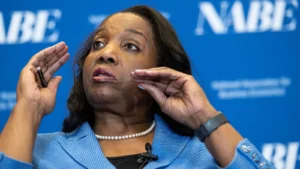
For Jude Melville, president and CEO of Business First, the deal is the culmination of a two-decade-long professional relationship.
"T. Jefferson Fair and his team have earned the trust of community bankers over many years—including ours," Melville said in a statement. "We’ve worked together since our founding twenty years ago, and I have complete confidence that by formally joining forces, we will amplify the positive impact Jeff already has had on the community banking industry."
The integration into Smith Shellnut Wilson is particularly noteworthy. SSW, which b1BANK acquired in 2021, has established itself as a premier investment advisory firm. By combining the operational consulting prowess of American Planning with the investment management capabilities of SSW, Business First is positioning itself as a "one-stop-shop" for the specific needs of regional and community financial institutions.
Frank Smith III, managing director of Smith Shellnut Wilson, emphasized the longevity of the partnership. "We’ve worked side by side serving community banks for more than 30 years," Smith noted. "Joining forces allows us to deepen our capabilities while delivering greater value to our clients."
A Chronology of Aggressive Expansion
Business First Bancshares has cemented its reputation as one of the most prolific "serial acquirers" in the U.S. banking landscape over the past five years. Its growth trajectory has been marked by a blend of geographic expansion into high-growth markets like Dallas and the acquisition of service-oriented subsidiaries that generate non-interest income.
The Acquisition Timeline (2020–2026)
- 2020: The Pedestal Bank Acquisition. This landmark deal acted as a catalyst for the bank’s expansion across the Louisiana-Texas corridor, significantly boosting its footprint in the Dallas market and providing the scale necessary to support further acquisitions.
- 2021: The Entry into Advisory with Smith Shellnut Wilson. By purchasing SSW, the bank diversified its revenue streams, moving beyond traditional net interest margin reliance into the fee-heavy world of investment and financial advisory.
- 2022: Texas Citizens Bancorp. Building on its momentum in Texas, the acquisition of the Pasadena-based institution solidified b1BANK’s presence in the Houston metropolitan area.
- 2024: The Double-Header (Waterstone and Oakwood). A pivotal year for the bank, characterized by the acquisition of Katy, Texas-based consulting firm Waterstone and Dallas-based Oakwood Bancshares, signaling a shift toward both service-based and asset-based growth.
- 2025/2026: Progressive Bancorp and American Planning. The acquisition of the Monroe, Louisiana-based Progressive Bancorp marked a return to regional banking roots, while the American Planning deal signifies the maturation of the bank’s "Bancshares" model—a hybrid of traditional banking and financial consulting.
Financial Context and Market Positioning
As of the close of the first quarter, March 31, 2026, b1BANK reported assets totaling $8.9 billion. This scale places the firm in the upper echelon of regional players, large enough to compete with major national banks in specific niches, yet agile enough to maintain the "community bank" brand identity that its clients value.
The integration of American Planning Corporation into the Smith Shellnut Wilson ecosystem is designed to leverage economies of scale. SSW currently manages approximately $6.7 billion in assets, roughly $1 billion of which is attributed to b1BANK’s internal portfolios. The addition of American Planning’s client base—which spans dozens of community banks across the country—is expected to provide SSW with significant cross-selling opportunities.

The bank’s ability to execute these deals while maintaining operational stability is a testament to its internal M&A infrastructure. Unlike many regional banks that struggle with cultural integration post-acquisition, Business First has focused on "bolt-on" acquisitions that complement, rather than disrupt, its existing business model.
Implications for the Community Banking Sector
The acquisition highlights a broader trend within the American banking industry: the pursuit of "non-interest income" through advisory services. As interest rates fluctuate and the cost of deposits remains competitive, traditional banks are finding that their survival depends on diversifying revenue.
Strategic Advantages
- Fee-Based Revenue: By owning consulting firms, Business First captures fees that would otherwise go to external advisors, creating a more resilient balance sheet.
- Regulatory Moat: As the regulatory burden on community banks increases, firms like American Planning—which provide essential compliance and capital planning advice—become indispensable.
- Market Intelligence: By advising other banks, Business First gains unique, real-time insights into the competitive landscape, which informs its own strategic and M&A decisions.
Potential Risks
While the strategy is sound, the "serial acquirer" model carries inherent risks. Integration fatigue, the potential for talent attrition at acquired firms, and the regulatory scrutiny associated with rapid expansion are constant challenges. Furthermore, the reliance on the Texas and Louisiana economies—while historically robust—could expose the bank to regional cyclical downturns.
Industry Reaction and Future Outlook
Market analysts view the acquisition of American Planning as a "quiet win" for Business First. While it lacks the headline-grabbing nature of a multi-billion dollar bank merger, the deal is expected to be immediately accretive to earnings and further cement the firm’s status as a leader in the community banking advisory space.
Despite the firm’s busy M&A schedule, leadership has suggested that the focus remains on "smart growth." A spokesperson for b1BANK did not provide further comments regarding potential future targets, but the company’s track record suggests that their appetite for expansion remains undiminished.

As the financial services sector continues to consolidate, Business First Bancshares is carving out a unique position. By effectively bridging the gap between being a service provider (through its consulting arms) and a service user (as a community bank), it has created a closed-loop system that is increasingly rare in modern finance.
For the clients of American Planning Corporation, the transition is expected to be seamless. The leadership of the firm, including CEO T. Jefferson Fair, is expected to continue their work, now with the added resources and capital backing of a nearly $9 billion parent institution.
In conclusion, the acquisition of American Planning represents more than just a balance sheet addition; it is a declaration of intent. Business First Bancshares is signaling that it intends to be the "banker’s bank," a central hub of expertise and capital that will play an outsized role in the evolution of the American community banking landscape for years to come.