The Rental Tug-of-War: Are Concessions the New Normal for Landlords?
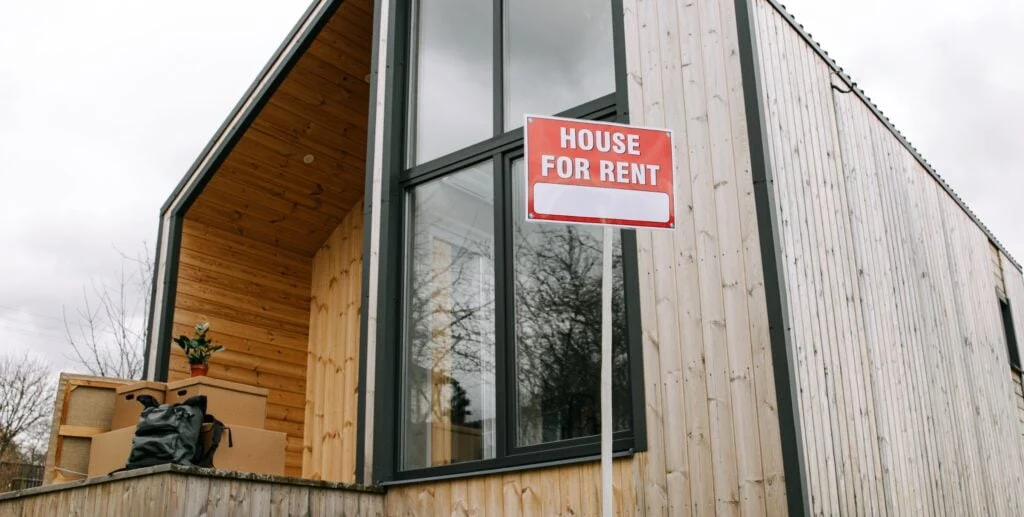
The American rental landscape is undergoing a profound transformation. After years of record-breaking rent hikes and a scarcity of available units, the pendulum has begun to swing back toward the tenant. Driven by a surge in new construction—particularly in the Sunbelt and the Northeast—the market is currently awash in supply. For the first time in nearly a decade, prospective renters are finding themselves in the driver’s seat, empowered to negotiate not just price, but a suite of perks, concessions, and favorable lease terms.
However, this shift has created a widening divide between institutional multifamily developers and "mom-and-pop" landlords. While corporate players are rolling out aggressive incentives to fill their massive inventories, smaller investors are grappling with the reality of compressed cash flow, rising insurance premiums, and stagnant rent growth. As the market enters this new, more competitive phase, landlords of all sizes are forced to confront a critical question: Is it time to offer concessions, or does the solution lie in operational discipline?
The Anatomy of the Current Rental Surge
The primary catalyst for the current market shift is an unprecedented volume of new inventory. According to industry data, developers completed roughly 608,000 multifamily units in 2024—the highest level of new supply seen in 40 years. This massive infusion of apartments has directly impacted vacancy rates, which have climbed from a tight 5.6% in 2021 to a more comfortable 7.3% today.
This surge is not evenly distributed. The Sunbelt, which saw massive development booms during the pandemic, is now dealing with the hangover of overbuilding. Simultaneously, the Northeast has experienced a 42.1% year-over-year increase in completed apartments, making it a rare region of growth in a generally cooling construction environment.
Zillow reports that nearly 40% of rental listings on its platform now include some form of concession—the highest share ever recorded for this time of year. These incentives—ranging from one month of free rent and waived administrative fees to gift cards and technology packages—have become the new standard for large-scale apartment complexes looking to maintain high occupancy rates in a crowded market.
A Chronology of the Shift: From Scarcity to Surplus
To understand the current climate, one must look at the recent timeline of the housing market:
- 2020–2022 (The Peak Scarcity): The pandemic triggered a massive demand for housing. Low interest rates and a desire for more space led to double-digit rent growth across almost every major U.S. metro.
- 2023–2024 (The Development Boom): Recognizing the profitability of rentals, developers poured capital into new multifamily projects. Construction pipelines were at historic highs, with investors betting on long-term growth.
- Late 2024 – Early 2025 (The Market Correction): As the projects started in 2022-2023 reached completion, the supply of new, luxury units began to outpace demand. Vacancy rates started to tick upward.
- Mid-2025 (The Regulatory Crackdown): The Federal Trade Commission (FTC) began scrutinizing "hidden fees" in the rental market. High-profile lawsuits against major property management firms like Greystar forced a change in how landlords market their units, demanding more transparency in base rents versus ancillary fees.
- 2026 (The Current Normal): Renters have gained leverage. While demand remains steady—largely because high interest rates continue to keep potential homebuyers in the rental pool—the sheer volume of options has ended the era of "take it or leave it" pricing.
Supporting Data: The Disconnect Between Big and Small Landlords
Data from TurboTenant highlights a stark contrast in how independent landlords are navigating these trends compared to their institutional counterparts. While large multifamily developments are resorting to concessions to combat rising vacancy, over 80% of independent landlords report that rental demand in their areas has remained robust.
The reason for this discrepancy lies in the product itself. Younger tenants, including millennials and Gen Z, are increasingly showing a preference for "functional living" over "luxury amenities." As TurboTenant’s John Martin notes, the modern renter is less concerned with rooftop pools or yoga studios and more focused on three essentials: high-speed connectivity, pet-friendliness, and in-unit laundry.
Because smaller landlords often own properties that fit these specific needs, they are not forced to engage in the "amenity wars" that characterize large-scale developments. Consequently, many smaller investors have chosen to keep rents flat rather than offering concessions. While this has protected occupancy, it has also tightened margins, as the costs of property taxes, insurance, and maintenance continue to rise.
Official Responses and Regulatory Implications
The shift in market dynamics has drawn the attention of regulators concerned about housing affordability. The Federal Trade Commission’s recent focus on "drip pricing"—the practice of advertising a base rent only to inflate the final cost with mandatory, undisclosed fees for parking, gym access, or "technology services"—has fundamentally altered the marketing strategies of large management companies.
The $24 million settlement involving Greystar in late 2025 serves as a warning to the entire industry: transparency is now a legal requirement. When property managers hide the true cost of renting behind amenity fees, they risk not only consumer trust but also significant legal liability.
San Francisco Supervisor Bilal Mahmood, among other local policymakers, has been vocal about this issue, arguing that tenants are being misled into contracts they cannot afford. As these regulatory pressures mount, large landlords are being forced to simplify their pricing, which in turn reduces their ability to use "fee-padding" as a way to offset the cost of rent concessions.
Implications for Independent Landlords: Survival Strategies
For the smaller, independent investor, the current market presents a strategic crossroads. Does one follow the corporate trend of offering a "free month" to secure a tenant, or is there a better way to protect cash flow?
1. Evaluate the "Cost of Vacancy"
The most important calculation for any landlord is the cost of a vacant unit versus the cost of a concession. If a unit stays vacant for two months because you refused to drop the price by $100 a month, you have essentially lost more revenue than you would have by offering a minor discount. However, if your local demand remains strong, holding firm on price is the more profitable long-term strategy.
2. Extend the Lease Term
Rather than offering a straightforward rent discount, consider extending the lease term. By pushing a standard 12-month lease to 14 or 15 months, you lock in a tenant for a longer period and reduce the future risk of turnover costs. This is a common tactic in the corporate sector that can be easily adapted by individual investors.
3. Focus on "Low-CapEx" Improvements
If you are struggling to compete with new developments, avoid expensive renovations. Instead, focus on the "must-haves" that younger renters value:
- Pet-friendly policies: Allowing pets can immediately expand your applicant pool.
- Smart Home Tech: Installing a smart thermostat or a keyless entry system is relatively inexpensive but highly attractive to digital-native tenants.
- In-unit amenities: Even if you cannot install a full laundry room, providing a reliable, modern appliance setup remains the highest-value amenity for the average renter.
4. Optimize Operational Costs
With rent growth likely to remain muted in the near term, the most effective way to increase net operating income (NOI) is through expense management. This includes shopping for better insurance rates, conducting routine preventative maintenance to avoid emergency repair bills, and, where possible, refinancing high-interest debt to lock in more favorable terms.
Final Thoughts: The Path Forward
The narrative that the rental market is crashing is largely exaggerated. Demand remains high because homeownership remains elusive for a large segment of the population; according to a March 2026 Realtor.com study, more than 36% of renters have lived in their current apartments for five years or longer. The market is not suffering from a lack of interest, but rather from a temporary misalignment of supply and demand in specific, overbuilt sectors.
For the independent landlord, this is not a time for panic. The "luxury apartment" sector, with its high overhead and reliance on gimmicky amenities, is currently in a race to the bottom. Smaller landlords, by focusing on the core needs of their tenants and maintaining a disciplined approach to their own operating expenses, can navigate this cycle without sacrificing their long-term financial health.
In a world of fluctuating economic signals, the fundamental truth of real estate remains unchanged: local market knowledge beats national trends. By understanding the specific needs of their local neighborhood—and refusing to be coerced by the frantic tactics of massive, over-leveraged corporate competitors—small landlords can continue to provide essential housing while maintaining the cash flow that defines their business model.