The Quiet Power of Cash Flow: Why Savvy Investors Are Turning to Mobile Home Parks
For decades, the traditional American blueprint for wealth creation has been centered on the concept of speculative appreciation. We are taught to purchase an asset—whether it be a single-family home, a tech stock, or the latest cryptocurrency championed by a colleague—and hold it, hoping the market forces will eventually drive its value upward. While this "buy-and-wait" strategy can yield results, it is inherently reactive. It leaves the investor at the mercy of volatile interest rates, shifting market sentiments, and external economic factors beyond their control.
A growing cadre of sophisticated investors is pivoting toward a different philosophy: cash flow. Instead of betting on the future sale price of an asset, they are prioritizing consistent, monthly income. Among the most reliable, yet often overlooked, vehicles for this strategy are manufactured housing communities, commonly known as mobile home parks.
The Shift Toward Cash Flow Investing
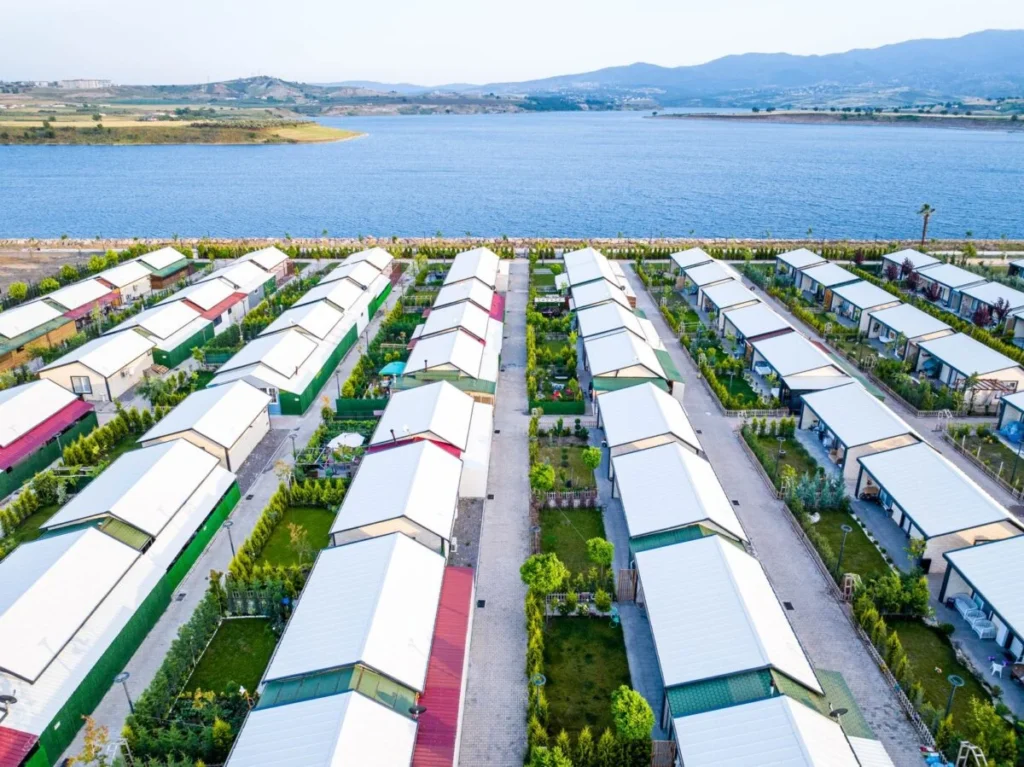
Unlike speculative assets, mobile home parks operate on a foundational principle of utility. They are not merely real estate; they are essential infrastructure providing affordable housing. In a market where traditional housing prices have skyrocketed, these communities offer a rare, stable bridge between renting and homeownership.
The appeal lies in the operational mechanics. When you invest in a mobile home park, you are not typically in the business of being a landlord to a building; you are in the business of leasing the land. This fundamental distinction shifts the risk profile, maintenance obligations, and revenue potential in ways that traditional real estate simply cannot match.
The Five Pillars of Mobile Home Park Success
1. Renting Dirt, Not Houses
The primary secret to the profitability of this asset class is the "land-lease" model. In a standard multi-family apartment building, the owner is responsible for everything: the roof, the HVAC system, the plumbing, the flooring, and the appliances. A single catastrophic failure in one unit can erase months of profit.
In a mobile home park, the dynamic is inverted. The community owner holds the title to the land, the internal road systems, and the utility infrastructure (water, sewer, and electricity). The residents own the physical homes situated on the lots. If a water heater bursts or a roof begins to leak in a resident’s home, the responsibility for repair falls squarely on the homeowner, not the park owner. This significantly lowers the capital expenditure (CapEx) burden and reduces the administrative stress associated with property management. According to industry experts, while apartment buildings often require 50% or more of gross revenue to cover operating expenses, well-managed mobile home parks frequently operate at an expense ratio of just 35% to 40%.
2. The Power of Tenant "Stickiness"
One of the greatest enemies of real estate profitability is high turnover. Every time a tenant vacates a unit, the owner faces a "vacancy tax"—the cost of marketing, cleaning, repairs, and lost rent while the unit sits empty.
Mobile homes, despite their name, are rarely mobile. Moving a manufactured home is a logistical and financial nightmare that involves heavy-duty transport, specialized permits, and thousands of dollars in fees. Because the cost of moving often exceeds the value of the home itself, residents tend to stay for years, and sometimes decades. This "stickiness" provides an extraordinary level of stability for investors, ensuring that occupancy rates remain high even during economic downturns. As Justin Donald, founder of The Lifestyle Investor, notes, this structural friction translates directly into the kind of consistent, predictable cash flow that allows for long-term financial planning.
3. Supply Constraints and Skyrocketing Demand
The economic law of supply and demand currently favors park owners. As of the second quarter of 2025, national occupancy in manufactured housing communities hovered around 94.9%. With the average starter home becoming increasingly unaffordable for the average American, manufactured housing has become the last remaining bastion of attainable, private, single-family living.
Simultaneously, the supply side is frozen. New mobile home parks are rarely built due to restrictive zoning laws and "Not In My Backyard" (NIMBY) sentiment at local municipal meetings. This scarcity ensures that existing parks remain in high demand, allowing owners to maintain steady rent growth while keeping vacancy rates at historic lows.
4. The Value-Add Opportunity: Fixing Neglect
A significant portion of the mobile home park market is still held by aging owners who purchased their properties in the 1980s or 90s. Many of these parks are under-managed: rent prices are often significantly below market rates, utility billing is inefficient, and infrastructure has suffered from deferred maintenance.
For a diligent investor, this "neglected" status represents the primary engine for wealth creation. By upgrading infrastructure, professionalizing management, and bringing rents closer to market value, an investor can force appreciation. Because these properties are valued based on their Net Operating Income (NOI), every dollar of efficiency gained translates into a substantial increase in the overall asset valuation.
5. Prioritizing Income Over Appreciation
The most vital lesson from the mobile home park sector is that growth should be viewed as a bonus, not a requirement. By prioritizing assets that generate income from day one, investors protect their downside. As the adage in finance goes, "If the income doesn’t stand on its own, you aren’t investing; you’re speculating." This filter—asking whether an asset produces cash flow independently of market appreciation—is a powerful tool for safeguarding one’s portfolio against volatility.
Supporting Data and Market Outlook
According to the 2026 market outlook by Northmarq, manufactured housing communities have demonstrated remarkable resilience. Average lot rents have seen consistent annual growth of approximately 7%, a trend driven by the national housing affordability crisis.
Institutional interest has also reached a fever pitch. Major firms and Real Estate Investment Trusts (REITs) have been aggressively acquiring portfolios, further validating the asset class. However, the most profitable opportunities often remain in the "middle market"—parks that are too large for a single individual to manage but too small or "rough around the edges" to attract the attention of large-scale institutional REITs.
Navigating the Risks: A Balanced Perspective
While the sector is robust, it is not without risks. Investors must be wary of "predatory" management practices. Rapidly increasing rents without providing corresponding improvements can lead to tenant instability, legal pushback, and public relations crises. The most successful operators treat residents as long-term customers rather than just revenue streams. Fair, predictable rent increases tied to genuine infrastructure improvements foster a better, more profitable community.
Furthermore, investors must exercise extreme caution regarding high-interest debt. If an investor carries high-interest credit card debt or expensive personal loans, the returns from a park investment will likely be eroded by the interest payments on their own balance sheet. Clearing high-interest liabilities should always be the priority before entering the real estate market.
How to Access the Market
For those interested in the sector, there are three primary pathways to participation:
- Publicly Traded REITs: For the passive investor, buying shares in companies like Sun Communities or Equity LifeStyle Properties provides immediate exposure to the asset class. This requires zero management effort and offers high liquidity.
- Private Syndications: Accredited investors can join funds where an experienced operator pools capital to acquire larger parks. This allows investors to participate in the "value-add" process while leveraging the expertise of professional management.
- Direct Ownership: For the hands-on entrepreneur, purchasing a small rural park is a viable entry point. While it requires the owner to handle maintenance and tenant relations, it offers the greatest control over the investment’s trajectory and the highest potential for equity growth.
Implications for the Future
The move toward mobile home park investing reflects a broader shift in how people view wealth. In an era where the stock market can fluctuate wildly based on a single news headline, the stability of physical, essential real estate provides a necessary hedge.
Ultimately, the lesson of the mobile home park is universal: success is found in assets that provide value to the community, require low overhead, and generate consistent revenue. Whether you decide to invest in a park or simply adopt this mindset for your broader portfolio, the goal remains the same: build a financial life that does not require perfect market timing or blind luck to succeed. By prioritizing cash flow, you secure your future regardless of which direction the market winds blow.