The Backyard Goldmine: Deciphering the Economics of Accessory Dwelling Units
In the modern real estate landscape, few topics generate as much excitement—or as much confusion—as the Accessory Dwelling Unit (ADU). Often touted by online influencers as the "easiest money" a homeowner will ever make, the reality is far more nuanced. While an ADU is not a magic wand for instant wealth, it remains one of the most viable strategies for unlocking value in an underutilized property.
For homeowners in high-demand markets like San Diego or across the burgeoning urban corridors of the United States, an ADU represents a calculated transformation of dirt into a cash-flowing asset. However, the gap between the "hype" and the "math" is vast. To understand whether an ADU is right for your financial future, we must move beyond the clickbait and examine the granular realities of construction, financing, and long-term yield.
Main Facts: The Anatomy of an ADU Investment
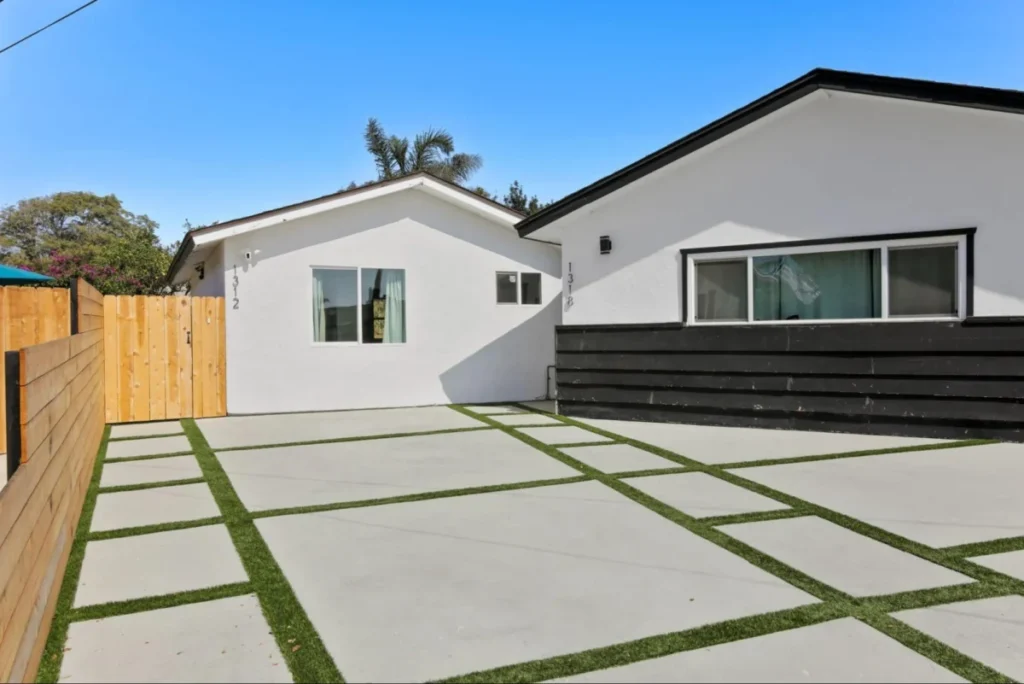
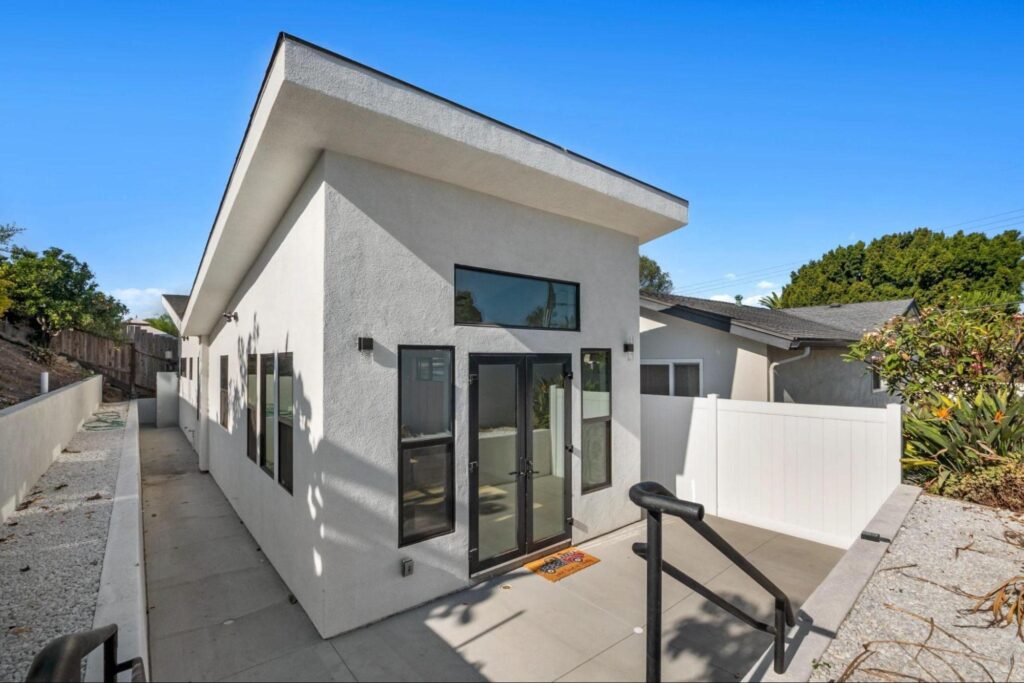
At its core, an ADU is a secondary housing unit on a single-family residential lot. These can range from converted garages and basement suites to detached, ground-up backyard cottages. The fundamental value proposition rests on three pillars: increased property value, supplemental monthly cash flow, and the mitigation of long-term housing scarcity.
However, the investment is not passive. Unlike purchasing shares in an index fund, an ADU requires active project management, adherence to municipal zoning codes, and a significant upfront capital commitment. The primary advantage of an ADU over traditional real estate investing is the elimination of the most expensive hurdle: the cost of land. Because you already own the lot, the capital injection is directed entirely toward vertical construction, maximizing the utility of a previously stagnant asset.
The Chronology: From Concept to First Rent Check
A successful ADU project is rarely a sprint; it is a marathon of planning, permitting, and construction that typically spans 12 to 18 months. Understanding this timeline is critical for setting realistic expectations.
Phase 1: Feasibility and Design (Months 1–3)
The process begins with a site survey and a deep dive into local zoning ordinances. Homeowners must verify setbacks, height restrictions, and utility capacity. During this stage, you should solicit quotes from architects and contractors. It is here that many budgets are saved or broken; failing to account for site-specific conditions—such as grading, sewer lateral upgrades, or electrical panel capacity—can lead to massive cost overruns later.
Phase 2: Permitting and Approval (Months 4–8)
Once designs are finalized, they must be submitted to the local planning and building departments. In many jurisdictions, this is the "bottleneck" phase. While state laws (such as those in California) have been streamlined to expedite ADU permits, bureaucratic backlogs can still stall projects. This period requires patience and proactive communication with municipal officials.
Phase 3: Vertical Construction (Months 9–15)
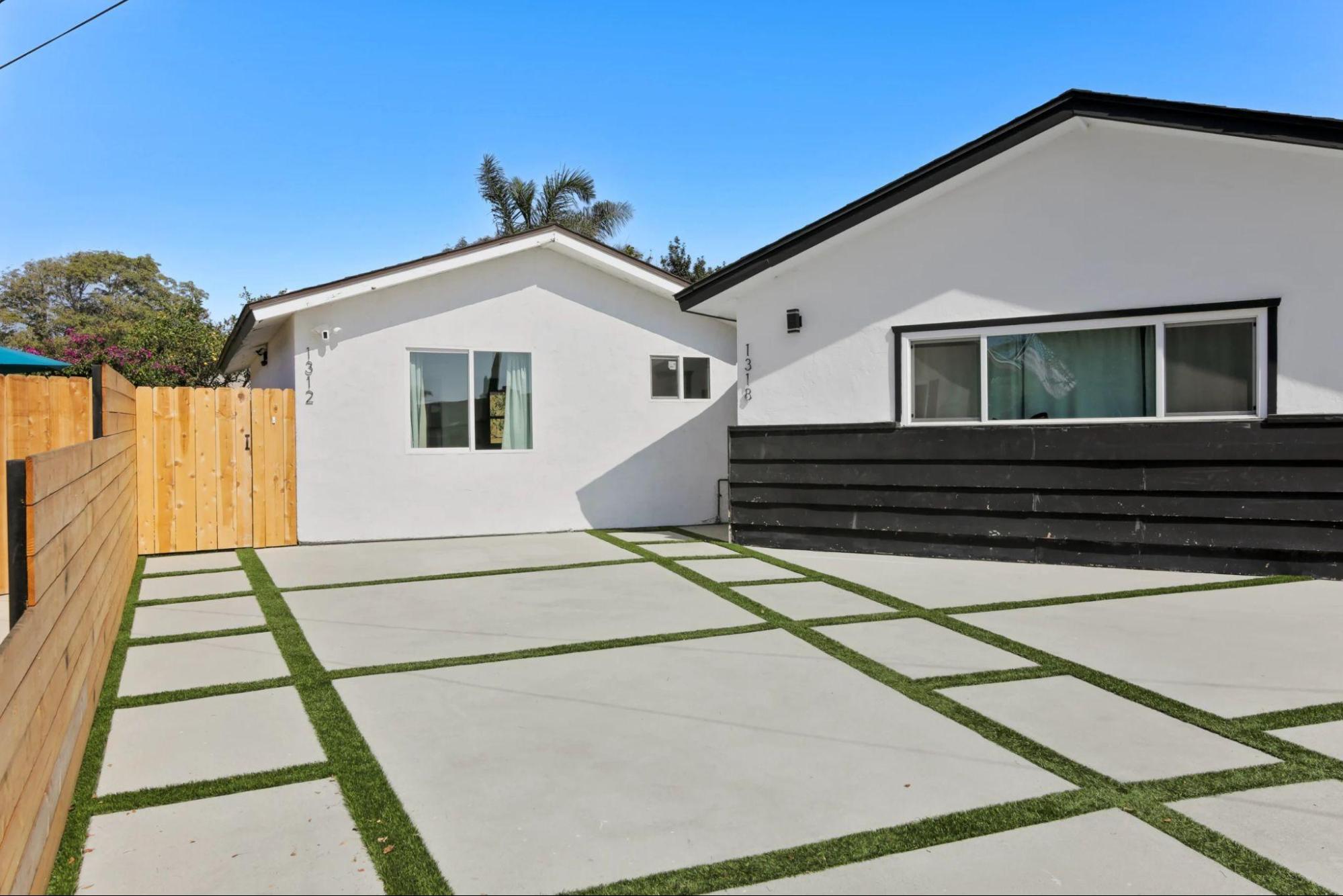
Actual construction begins once permits are in hand. This involves site preparation, foundation pouring, framing, mechanical systems (plumbing/HVAC/electrical), and interior finishes. Depending on the complexity, this phase can take anywhere from six months for a garage conversion to a full year for a detached, high-end custom unit.
Phase 4: Final Inspection and Tenant Acquisition (Months 16–18)
The project is not "done" when the hammers stop. You must secure a Certificate of Occupancy (CO) from the city. Only then can you legally market the unit for rent, screen prospective tenants, and begin generating income.
Supporting Data: The Financial Breakdown
The "average cost" of an ADU is a dangerous metric because it obscures the extreme variability of construction. Generally, a fully permitted ADU costs between $80,000 and $380,000. On a per-square-foot basis, new construction usually lands between $250 and $450.
The Cost-Revenue Equation
To determine if your project makes sense, apply the "Conservative Model":
- Gross Potential Rent: Based on local comps (e.g., $2,200/month).
- The "True Cost" Adjustments: Deduct 10–15% for maintenance and property management, and factor in at least one month of vacancy per year.
- Operational Expenses: Do not forget to account for the increase in property taxes—though many states only reassess the added value of the ADU, this still adds to your annual outflow.
If you are borrowing to build, your loan payment must be subtracted from the net rental income. If your net cash flow is positive after all these deductions, the ADU is performing as a successful investment vehicle.
Official Responses and Regulatory Climate
The shift toward ADUs is not merely a trend; it is a government-led policy response to the housing crisis. Many state and local governments have recently adopted "pro-ADU" legislation, intentionally removing the "red tape" that previously made these projects impossible.
Planning departments have shifted from being obstacles to facilitators in many regions. However, this comes with a caveat: regulatory compliance is non-negotiable. Building an unpermitted unit ("bootleg" ADU) is a catastrophic financial decision. It creates an uninsurable asset, complicates future property sales, and exposes the homeowner to massive legal and safety liabilities. Always ensure your project is fully compliant with local building codes, as these regulations are designed to ensure safety, fire egress, and structural integrity.
Implications: The Long-Term Wealth Strategy
The payback period for an ADU—the time it takes for the unit to pay for itself—typically ranges from 8 to 15 years. While this sounds lengthy to those accustomed to the instant gratification of day trading, it is a superior investment when viewed through the lens of long-term wealth preservation.
Equity vs. Cash Flow
The beauty of the ADU investment is twofold. First, your tenant is essentially paying off your construction loan. You are not just earning "rent"; you are liquidating a debt obligation on an asset that you own. Second, the unit adds permanent square footage and utility to your property. In almost every market, a home with a legal, permitted ADU carries a significantly higher resale value than an identical home without one.
The "Do Nothing" Opportunity Cost
The most compelling argument for an ADU is the comparison to the status quo. If you own a large backyard that currently serves only as a lawn, you are sitting on an underutilized asset. By doing nothing, you are losing the potential for monthly tax-advantaged income and long-term equity growth.
Strategic Considerations
- The "Short-Term Flip" Trap: Do not build an ADU if your intention is to sell the house in two years. Construction costs, combined with the time-value of money and real estate transaction fees, will likely result in a net loss. ADUs are "long-game" investments.
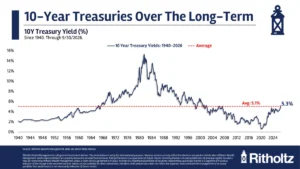
- Financing Wisdom: Whether you utilize a Home Equity Line of Credit (HELOC), a cash-out refinance, or a specialized construction loan, the interest rate environment matters. Before you break ground, run a sensitivity analysis: can you still afford the payments if your rental income is interrupted for six months?
Conclusion: A Grounded Approach
An ADU is not a "get-rich-quick" scheme. It is, however, one of the most grounded, tangible investments available to the modern homeowner. It provides a hedge against inflation, a solution to the housing shortage, and a consistent stream of passive income.
The successful ADU investor is not the one who dreams of overnight riches, but the one who carefully calculates their local market, respects the complexities of the building process, and commits to the long-term stewardship of the property. When approached with this level of professional diligence, an ADU is not just a building project; it is a foundational move toward long-term financial independence. If you have the space, the capital, and the patience, the backyard of your home may well be the most valuable investment frontier you will ever own.