The Power of the Pivot: Why Philanthropy Must Learn from Grassroots Leverage
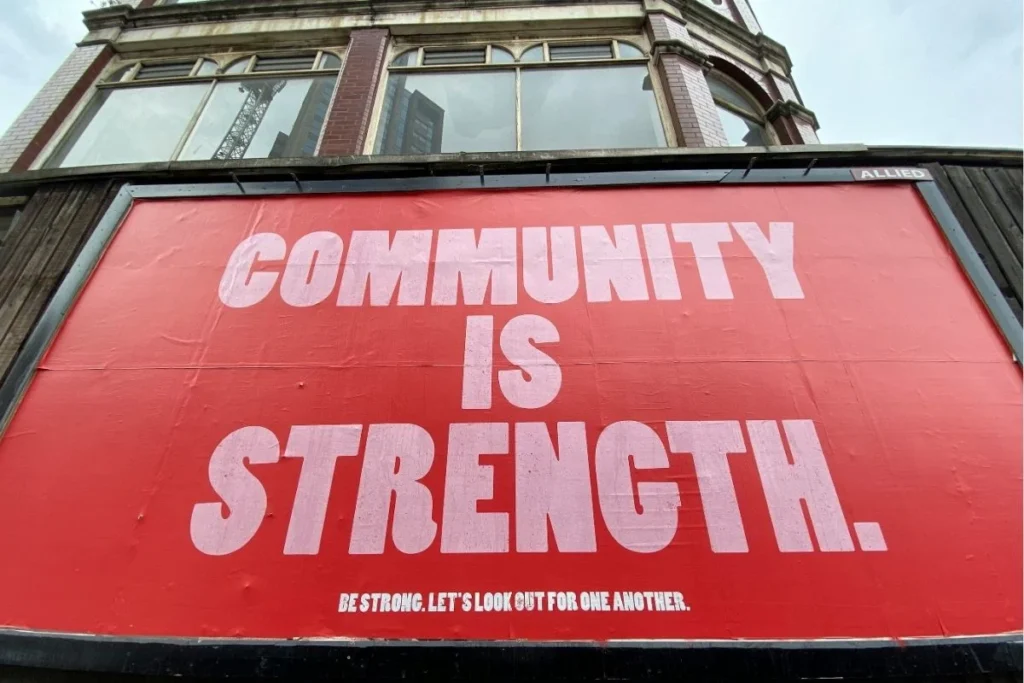
For decades, the philanthropic sector has operated under a pervasive, top-down assumption: that meaningful systemic change is the exclusive domain of large-scale institutions, multi-year initiatives, and organizations with multimillion-dollar operating budgets. It is a model built on the premise of "scale through size." However, a quiet revolution in civic advocacy is challenging this orthodoxy, suggesting that the highest leverage—the ability to move massive systemic weight—often comes from small, precision-targeted investments placed at the exact structural fulcrums of society.
Drawing parallels from the worlds of venture capital and software development, where "lean" teams often outperform bloated enterprises, a new paradigm is emerging. This model prioritizes agility, horizontal coordination, and deep, context-specific knowledge. At the center of this shift is the Dignity Alliance Massachusetts, a decentralized, volunteer-driven coalition that has achieved results disproportionate to its negligible budget, effectively rewriting the playbook for how advocacy can influence public policy.
The Anatomy of an Inflection Point: The Dignity Alliance Case
Dignity Alliance Massachusetts does not fit the traditional nonprofit mold. It lacks executive staff, formal fundraising departments, and the heavy bureaucracy that often slows institutional progress. Instead, it functions as a horizontal network of subject-matter experts—many of them retired professionals—who possess a granular understanding of the regulatory, financial, and political systems governing long-term care.
Operating with an annual budget of less than $10,000, the Alliance has secured victories that institutions with 150 times their funding have struggled to replicate. Its most notable achievement—driving a $200 million public bond authorization for veterans’ nursing home alternatives—stands as a masterclass in strategic positioning.
Chronology of Influence
The efficacy of the Alliance is best understood through its response to crisis. When the COVID-19 pandemic laid bare the systemic failures of long-term care, particularly the tragic loss of 73 veterans at the Holyoke Soldiers Home, the Alliance did not launch a multi-year pilot study or convene a cross-sector task force.
- Diagnosis (Immediate Post-Crisis): Utilizing their deep-rooted networks and knowledge of state-level enforcement mechanisms, members identified that the primary barrier was not a lack of consensus on the problem, but a lack of political alignment on the solution.
- Strategic Engagement (2020–2021): The Alliance bypassed traditional gatekeepers, coordinating directly with key legislative allies. Meetings were scheduled strategically on Friday afternoons via Zoom—a time when legislators were back in their districts and accessible, effectively shortening the distance between community advocates and decision-makers.
- Execution (The $200 Million Bond): By focusing on the specific legislative and budgetary line items that governed care for veterans, the Alliance provided the political cover and technical expertise needed to push a $200 million bond through the Massachusetts legislature.
- Institutional Memory (Ongoing): Following the legislative victory, the Alliance continued to operate as an information hub, producing the Dignity Digest—a high-signal newsletter that keeps state officials and stakeholders informed on regulatory gaps, ensuring that the "substrate" of the policy remains strong long after the initial headline fades.
Comparative Analysis: The Tale of Two Investments
To understand why the Dignity Alliance model is a game-changer, one must compare it against the "Institutional Model."
At roughly the same time the Alliance was gaining traction, a national quality coalition, backed by $1.6 million in funding, was launched to build cross-sector learning networks and design pilot tests for long-term care improvement. While the national coalition succeeded in convening 1,600 participants and producing high-level policy frameworks, its impact remained largely academic and consensus-driven.
The distinction is critical:
- The Institutional Model optimizes for feasibility and consensus. It builds broad scaffolding, which is necessary for long-term field alignment but often lacks the "teeth" to force change in intractable, crisis-prone systems.
- The Grassroots Model (Dignity Alliance) optimizes for leverage and confrontation. It ignores the need to "build the tent" and instead strikes at the specific levers—enforcement authority, budgetary allocations, and public accountability—that force a system to evolve.
Both are necessary, but philanthropy has historically over-indexed on the former, leaving the "weight-bearing" infrastructure of grassroots advocacy chronically underfunded.
Supporting Data: Why "Micro-Infrastructure" Outperforms
The success of the Dignity Alliance mirrors the "Cloud Platform" phenomenon in technology. Just as cloud infrastructure allows a two-person startup to build a global application without the capital expenditure of a 1990s-era tech giant, the Alliance uses low-cost coordination tools (Zoom, digital newsletters, open-source communication) to exert influence at a scale previously reserved for major lobbying firms.
Key Metrics of the Dignity Alliance Model:
- Budgetary Efficiency: Operating on <$10,000/year, the ROI on policy outcomes is effectively infinite compared to institutional spending.
- Information Density: Through its network, the Alliance serves as an early-warning system for policy failure (e.g., the Gabriel House fire), allowing for rapid, expert-led intervention.
- Low Political Risk: Because the Alliance is horizontal and decentralized, it does not rely on protecting institutional relationships or funding streams, allowing it to take the "confrontational" stances that are necessary for systemic reform.
Official Responses and Philosophical Shifts
While there has been no formal "official" rebuttal from the institutional sector, there is a growing acknowledgment among policy thinkers that the "collective impact" model—long the darling of philanthropic boards—requires a radical update.
The critique from within the sector is not that large-scale institutions are failing, but that they are "funding the surface." By pouring millions into programs and pilot projects without strengthening the "substrate"—the accountability mechanisms, data architecture, and transparent enforcement protocols—philanthropy is building sandcastles that wash away with the next political tide.
According to research into civic systems, the most effective reformers are those who have spent their careers inside the systems they now challenge. The Dignity Alliance thrives because its members know exactly where the pressure points are. As the scholar Margaret Gullette has argued, the "wisdom at the margins"—the insights held by older adults, retirees, and community members who have navigated these systems for decades—is an untapped asset of immense value.
Implications for Future Philanthropy
The message for the philanthropic community is clear: Rebalance the portfolio.
- Invest in Connective Neurons: Move beyond funding programs and start funding the "connective neurons" of society—the newsletters, the advocacy networks, and the technical experts who keep systems honest.
- Value the "Substrate": Prioritize funding that builds transparency infrastructure and accountability, rather than just service delivery.
- De-risk via Decentralization: Smaller, community-led investments are lower-risk than large institutional bets. They provide faster learning cycles and allow for a diversity of approaches that a single, monolithic institution cannot mirror.
The New Mandate
The future of social change does not belong to those who can build the largest structures, but to those who can identify the precise point where a small, well-placed force can move the most weight. The Dignity Alliance Massachusetts has proven that when you empower the people closest to the problem, you don’t just solve a single issue—you create a durable, self-correcting system.
Philanthropy must transition from being a builder of grand, static monuments to an investor in dynamic, responsive, and decentralized civic networks. The "wisdom at the margins" is no longer an optional component of policy-making; it is the essential substrate upon which a functional, equitable society must be rebuilt. The era of the "big bet" is being replaced by the era of the "smart leverage," and for those who are watching, the results are undeniable.