The Monument Mirage: Why Performative Philanthropy Leaves History in the Dust
As the United States approaches the 250th anniversary of the signing of the Declaration of Independence in 2026, the nation is once again poised to curate its collective memory. We are preparing to erect new monuments, launch commemorative initiatives, and celebrate the grand tapestry of American identity. However, for those who have labored in the trenches of social justice and cultural preservation, this milestone invites a sobering question: What happens when the work of inclusion is funded as a political gesture rather than a commitment to continuity?
The cost of such stoppage is not merely financial; it is the systematic erasure of identity. This is the story of the American Latino Heritage Fund—an ambitious initiative that promised to illuminate the foundational role of Latinos in the American narrative, only to be dismantled when it was no longer politically convenient.
The Genesis of the American Latino Heritage Fund
In 2011, the political climate suggested a long-overdue reckoning with the gaps in the National Park Service’s (NPS) historical record. Secretary of the Interior Ken Salazar, serving as Chair of the National Park Foundation, spearheaded the creation of the American Latino Heritage Fund. The mandate was bold and necessary: to ensure that the American story told within our national parks reflected the full, multi-ethnic breadth of the country’s history.
To support this, Salazar commissioned American Latinos and the Making of the United States, a landmark theme study that identified historic sites across the nation and provided a scholarly framework for recognizing Latino contributions—from the science and sports they advanced to the intellectual traditions that predated the country’s founding.
As the founding executive director, I stepped into this role with the zeal of a believer. By 2012, we were moving at a breakneck pace. We collaborated with the Obama administration, the Department of the Interior, and the NPS to transform the abstract concept of "inclusion" into tangible heritage sites. We weren’t just writing reports; we were building a roadmap for a more inclusive American identity.
A Chronology of Commitment and Erasure
The trajectory of the Fund serves as a masterclass in how institutional structures can facilitate the "instrumentalization" of social justice work.
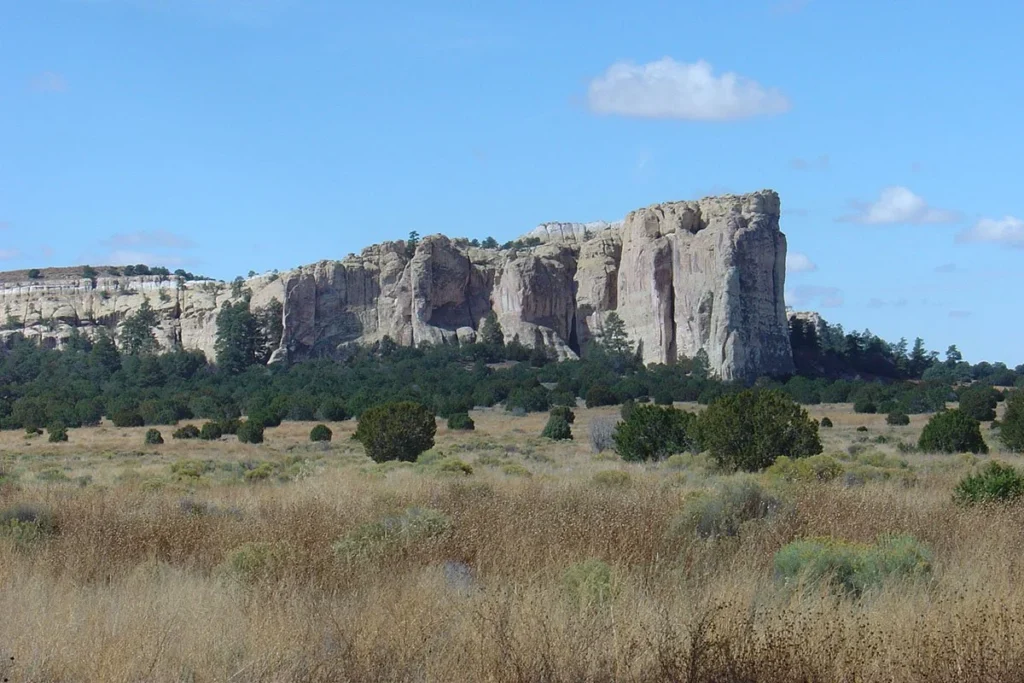
- 2011–2012: The Era of Visibility. The Fund operated at the intersection of cultural discovery and political momentum. We launched the American Latino Heritage Road Trip, partnering with influencers to document sites like the Cabrillo National Monument in California, the San Antonio Missions, and El Morro National Monument in New Mexico. We hosted the Futuro Talks: Latino Power Symposium at the Organization of American States, connecting civic power to the politics of historical representation.
- 2013: The Turning Point. With the 2012 presidential election concluded, the political winds shifted. Secretary Salazar resigned in January 2013. The focus of the National Park Foundation moved toward the upcoming 100th anniversary of the NPS and a broader push for outdoor recreation. The tenacity that had been valued as a political asset suddenly became an administrative inconvenience.
- 2014: The Controlled Demolition. A new directive within the National Park Foundation was issued: wind down the American Latino Heritage Fund and its counterpart, the African American Experience Fund. By the spring of 2014, the work was effectively paralyzed. I departed that summer, witnessing firsthand how easily an institution can dissolve a commitment when the electoral cycle no longer demands it.
- 2018–Present: Structural Collapse. The decay accelerated in 2018 when the National Park System Advisory Board resigned in protest against Secretary Ryan Zinke’s refusal to engage with the body. This effectively shuttered the mechanism for designating new national landmarks, rendering the Fund’s previous theme study a "dead letter" in the federal archives.
The Anatomy of Performative Philanthropy
The failure of the American Latino Heritage Fund highlights a recurring pattern in the nonprofit and philanthropic sectors: the "fund within a foundation" model.
When a social justice initiative is housed inside a larger, established foundation, it rarely possesses true independence. It exists at the sufferance of the parent institution. The lifeline of the initiative is tethered not to its mission, but to the parent foundation’s shifting strategic priorities.
This creates a dangerous dynamic of extraction. Power brokers see a community’s cultural capital as a tool to gain legitimacy or reach new demographics. They provide a platform, a title, and access to rooms that were previously closed. They offer the appearance of investment. However, they stop short of providing the infrastructure required for the work to survive the departure of the founders or a change in administration.
When the moment passes, the infrastructure is dismantled, and the community is left in a worse position than before—having shared their history, their energy, and their trust, only to see the work rebranded or dissolved by those who never held a genuine stake in its continuity.
Supporting Data: The Cost of Inaction
The repercussions of these closures extend beyond mere administrative disappointment; they have resulted in a measurable decline in historical representation.
- The Stagnation of Recognition: Since the 2018 resignation of the National Park System Advisory Board, the formal process for designating new sites of cultural significance has been largely stagnant. This has created a backlog of sites—ranging from civil rights landmarks to early colonial history—that remain unrecognized by the federal government.
- The Removal of Equity-Focused Content: Recent executive actions have targeted "equity-related" content within the National Park Service. Reports indicate that exhibits addressing the realities of slavery and the displacement of Indigenous peoples have been curtailed or removed from websites and physical visitor centers.
- The "Resource Gap": While the theme study remains on the books, it lacks the allocated funding for implementation. An unactivated theme study is not a legacy; it is a repository for dust. The failure to fund community-driven stewardship programs means that the historic sites identified by scholars are left vulnerable to neglect or development.
Official Responses and Institutional Silence
The National Park Service and the National Park Foundation have historically framed these transitions as "reorganizations" or "strategic realignments." However, the lack of transparency surrounding the closure of the American Latino Heritage Fund suggests a deliberate choice to prioritize political expediency over long-term historical preservation.
In response to inquiries regarding the lack of progress on landmark designations, official channels often point to a lack of legislative support or budgetary constraints. Yet, these excuses ring hollow against the backdrop of massive spending on commemorative events for America 250. The implication is clear: the system is happy to celebrate the idea of history when it is decorative, but it is unwilling to support the cost of history when it is critical.
Implications for the Future: From Monument to Inheritance
If the 250th anniversary of the United States is to be more than a performative exercise, the nation must move beyond the "monument" model of history. A monument is static; it is built to serve the needs of the moment and then left to the mercy of the weather.
We need a shift toward "living inheritance." This requires three distinct systemic changes:
- Endowed Independence: Social justice initiatives must be structured with independent endowments that are legally and operationally separate from the whims of parent foundations or changing federal administrations.
- Community-Led Governance: The power to decide which history is "monumental" must be transferred to the communities who live that history. Stewardship programs should be governed by local historians, community leaders, and descendants, rather than political appointees.
- Infrastructure over Visibility: We must stop prioritizing the "win"—the press release, the road trip, the symposium—and prioritize the "infrastructure"—the long-term funding, the preservation staff, and the legal frameworks that ensure these stories are protected regardless of who occupies the White House.
The experience of the American Latino Heritage Fund was a lesson in the dangers of proximity to power without the retention of power. As we move toward 2026, the question is not whether the government will acknowledge the contributions of Latinos or other marginalized groups. The question is whether they will provide the infrastructure to make that acknowledgement real, permanent, and beyond the reach of political erasure.
The work of the Fund was real, but it was built inside a mirage. To ensure the next chapter is not a repeat of the last, we must stop building monuments that serve only the present and start cultivating a legacy that serves the future. True history is not something that is given to us by the state; it is something we must hold, protect, and pass on ourselves.