The Inflationary Pinch: PepsiCo Navigates Economic Headwinds as CFO Optimism Wanes
Main Facts: A Convergence of Economic Pressures
In the second quarter of the current fiscal year, the financial landscape for major U.S. corporations has shifted toward a more defensive posture. A recent report published by Duke University’s Fuqua School of Business, in collaboration with the Federal Reserve Banks of Richmond and Atlanta, highlights a palpable decline in CFO optimism. For the first time in several quarters, inflationary pressures—specifically those driven by volatile energy prices—have reclaimed the top spot on the list of primary concerns for finance chiefs.
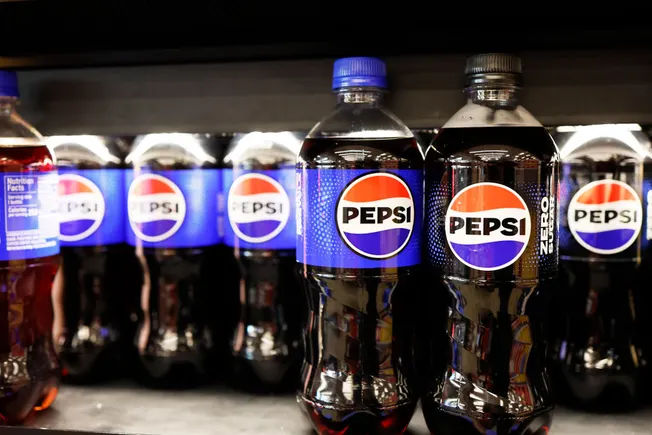
Among the major players grappling with this shift is global beverage and snack giant PepsiCo. As energy costs fluctuate, the ripple effect has moved from the wholesale supply chain directly to the consumer’s wallet. PepsiCo’s leadership has acknowledged that the resulting economic friction is forcing a strategic pivot toward affordability. The company is currently deploying a multi-faceted approach to mitigate the impact of commodity inflation, including the strategic use of tariff refunds and a concerted effort to resize product offerings to maintain consumer accessibility during a period of reduced discretionary spending.
Chronology: The Escalation of Market Constraints
The timeline of these economic challenges can be traced back to the onset of geopolitical instability in the Middle East, specifically the escalating conflict involving Iran. This geopolitical volatility has served as a primary catalyst for the surge in global gasoline prices.
- Early Q2: Financial analysts began identifying a clear correlation between rising fuel costs and a contraction in consumer spending patterns.
- Mid-Q2: The Duke/Fed survey revealed that the sentiment among CFOs had soured, with inflation re-emerging as the dominant threat to profit margins and revenue projections.
- Late Q2 (Earnings Call): During a pivotal Thursday earnings call, PepsiCo’s executive team provided a granular look at how these macroeconomic forces are impacting their bottom line. CEO Ramon Laguarta explicitly linked the Iran-related energy shocks to the tightening of consumer budgets, particularly within the "convenience channel"—a critical segment for PepsiCo’s beverage and snack portfolio.
- Current Status: The company is now navigating a period of stabilization, banking on logistical efficiencies and government-linked tariff refunds to navigate the remainder of the fiscal year.
Supporting Data: The CFO Perspective and Consumer Behavior
The Duke University/Federal Reserve report serves as a diagnostic tool for the broader economy. According to the findings, the optimism index for CFOs has regressed, signaling that the "soft landing" narrative remains under pressure. The resurgence of inflation as the number one concern is not merely anecdotal; it reflects a systemic issue where input costs—transportation, manufacturing, and distribution—are becoming increasingly difficult to hedge against.
At PepsiCo, the data reflects a direct behavioral shift in the American consumer. Executives noted that when gas prices spike, the "convenience channel" (typically gas stations and small-format stores) sees an immediate decline in foot traffic and average transaction value. For a company that relies on the "grab-and-go" culture, this represents a significant structural headwind.
Furthermore, the reliance on tariff refunds to offset commodity inflation is a unique aspect of PepsiCo’s current financial engineering. While the company has been reticent to provide specific, granular details on the nature and magnitude of these refunds, the reliance on such mechanisms underscores the severity of the cost-side pressures they are facing. Without these offsets, the impact of raw material and energy costs would likely be far more visible on the company’s bottom line.
Official Responses: Strategy in the Face of Uncertainty
During the recent earnings conference, CEO Ramon Laguarta offered a candid assessment of the global situation. "I think, obviously, the Iran war and the impact on gas prices has been meaningful, not only in the U.S., but across the world," Laguarta stated. His comments reflect a broader acknowledgment that multinational corporations are increasingly at the mercy of geopolitical events that are outside their operational control.
To counter these pressures, PepsiCo is doubling down on its "affordability" growth strategy. This is not a shift toward lower-quality products, but rather a shift in tactical execution. As Laguarta explained, the company’s goal is to ensure that their brands "are in consumers’ lives in the portions and prices that consumers can afford today." This implies a move toward smaller pack sizes, price-point management, and promotional activities that align with the tightening household budgets of their core demographic.
Chief Financial Officer (CFO) perspectives, as echoed by company leadership, suggest that while the current environment is challenging, there is a light at the end of the tunnel. "We expect a gradual improvement in North America," the company noted, specifically citing the utilization of tariff refunds to buffer the bottom line against continued commodity inflation. The company maintains that this dual-track strategy—operational efficiency via refunds and consumer-centric pricing—will allow them to weather the storm.
Implications: The Long-Term Outlook for the Retail Sector
The situation facing PepsiCo provides a microcosm of the challenges inherent in the current U.S. economy. When energy prices move, the retail sector is often the first to feel the impact, as the consumer’s ability to spend on non-essential goods is eroded by the necessity of higher fuel expenditures.
The Affordability Mandate
The shift toward "affordability" as a core growth pillar has deep implications for the consumer goods industry. If companies like PepsiCo succeed in this space, it will likely lead to a permanent restructuring of packaging and price-tiering across the sector. Manufacturers are no longer just selling a product; they are selling a price point that must remain "relevant" in a high-inflation environment.
The Geopolitical Variable
The reliance on global supply chains has left major corporations vulnerable to regional conflicts. The Iran-related energy shocks demonstrate that even a company with a massive, diversified footprint is not immune to the volatility of the global oil market. Investors should expect to see more companies highlighting their "geopolitical risk mitigation" strategies in future earnings reports.
Macroeconomic Stability vs. Corporate Agility
The decline in CFO optimism suggests that the corporate sector is preparing for a "higher-for-longer" environment regarding both interest rates and inflation. While the Federal Reserve continues to monitor economic data for signs of cooling, the frontline experience of companies like PepsiCo suggests that the inflationary fire has not yet been fully extinguished.
The reliance on mechanisms like tariff refunds also raises questions about corporate dependency on government policy. If these refunds are a primary tool for offsetting inflation, the question remains: what happens when these non-recurring offsets are exhausted? The ability of companies to innovate their way out of cost pressures—rather than relying on temporary financial buffers—will be the true test of their long-term resilience.
Conclusion
As the fiscal year progresses, the narrative of PepsiCo and its peers will be defined by their ability to navigate the "inflation-affordability" trap. CFOs remain cautious, consumers remain budget-conscious, and the global energy market remains a wild card. By focusing on tactical pricing, portfolio resizing, and creative use of fiscal offsets, PepsiCo is attempting to steer through the current volatility. However, the broader data from Duke and the Federal Reserve serves as a sobering reminder that until inflation is decisively managed at the macroeconomic level, the burden of adjustment will continue to fall squarely on the shoulders of both corporate executives and the American consumer.
The coming quarters will be critical. If energy prices stabilize, the outlook for consumer spending—and by extension, the optimism of the CFO class—will likely see a robust rebound. Until then, the strategy of "affordability at all costs" remains the most viable path forward for those operating in the volatile landscape of the modern U.S. economy.