The Heartbreak of Letting Go: Lessons from a Failed Adoption Journey
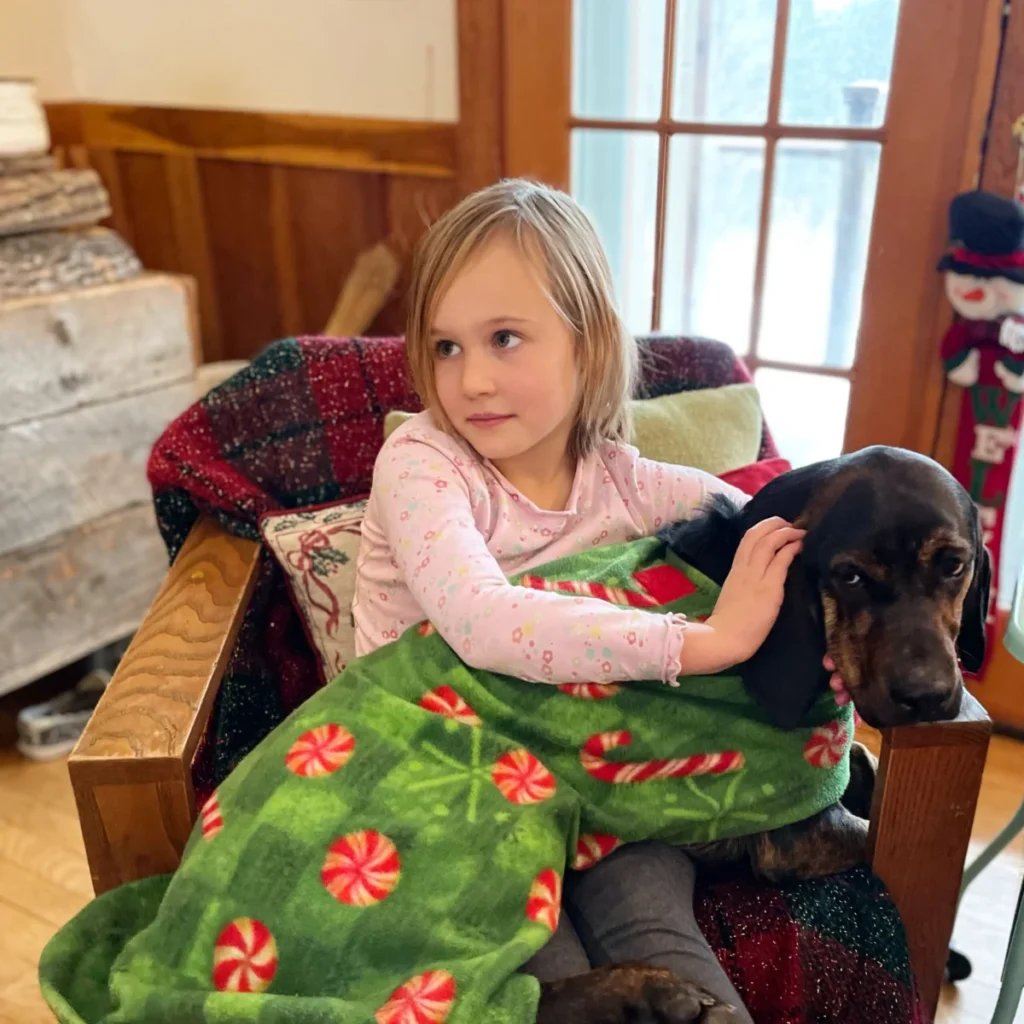
For many families, the addition of a dog is a milestone of domestic joy—a source of companionship, routine, and unconditional love. However, for the family behind the popular personal finance blog Frugalwoods, the decision to adopt a stray hound named Genevieve, affectionately known as "Gigi," transformed from a heartwarming rescue mission into a complex, expensive, and ultimately unsustainable struggle. The story of Gigi is a candid, sometimes painful exploration of the hidden costs of pet ownership and the difficult, often stigmatized reality of rehoming a beloved animal when the needs of the family and the dog simply cannot align.
The Arrival and Early Days of Gigi
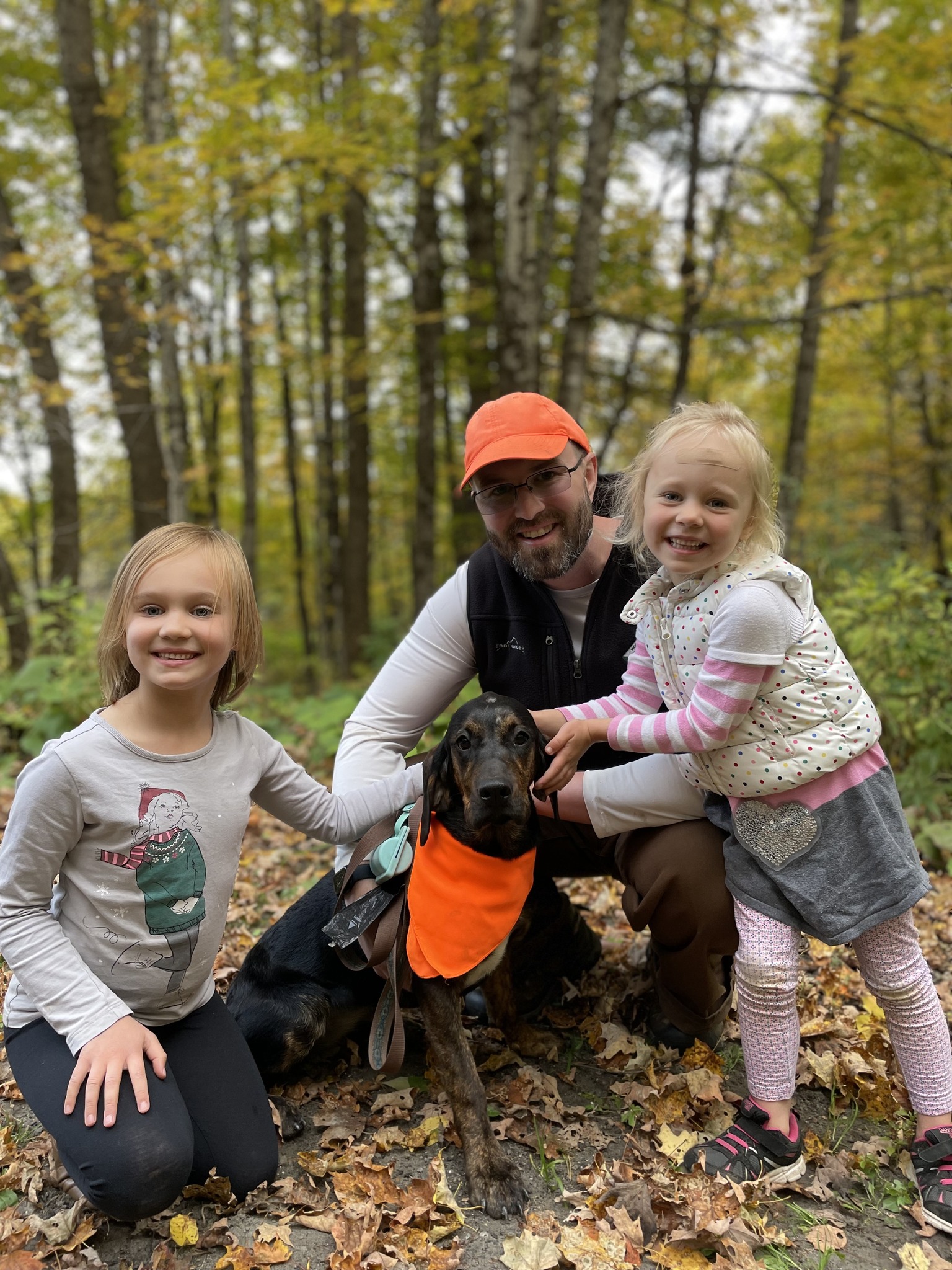
The journey began in late September, when a dog appeared in the yard of friends of the Frugalwoods family. She was emaciated, covered in scars, and entirely without identification. Despite exhaustive efforts to locate an owner—checking for microchips, scanning local databases, and posting advertisements—the dog remained unclaimed. The consensus among those involved was that she was likely a former bear-hunting dog who had become separated from her pack.
Unable to bear the thought of the hound entering a shelter, the family decided to take her in. She officially joined their household on October 3, 2022. By all outward accounts, Gigi was a near-perfect addition to the home. She was gentle with the children, eager to join the family on hiking expeditions, and possessed a calm demeanor indoors. However, as the initial excitement settled, a singular, insurmountable obstacle emerged: Gigi suffered from severe separation anxiety. She could not be left alone. Not for an hour, not for twenty minutes—not even for a moment.

A Chronology of Failed Interventions
The family’s approach to solving Gigi’s anxiety was systematic and exhaustive. They operated under the assumption that with enough dedication, training, and resources, the behavior could be corrected.
Behavioral Training
The first phase focused on conventional behavioral modification. The family engaged a professional dog trainer to implement a desensitization program. This involved a rigorous regimen of short-duration absences, starting with intervals as brief as 30 seconds and gradually increasing the time. Despite months of consistent effort, the progress stalled at the five-minute mark. Whenever the family exceeded this window, Gigi would descend into a state of acute panic, characterized by relentless pacing and elimination in her crate. The professional trainer, often baffled by the contrast between Gigi’s social temperament and her extreme panic when isolated, eventually reached the limits of her methodology.
Technological Solutions
In a second phase, the family pivoted to technology. They installed remote monitoring cameras to observe the dog’s behavior, followed by the purchase of a specialized remote-treat dispenser. The goal was to provide positive reinforcement from afar, allowing the family to reward calm behavior while away. This, too, failed to soothe the dog’s distress. The technology provided insight into the severity of the panic but offered no relief to the animal’s internal state.
Medical Consultations
Finally, the family turned to veterinary intervention. Over the course of several months, they embarked on a series of vet visits to explore pharmaceutical options. The family cycled through a range of treatments, including anti-anxiety medications, mild sedatives, and tranquilizers. Despite the professional oversight and the financial investment into these medical trials, the outcome remained unchanged. The cycle of panic, destruction, and the subsequent hours of cleanup—bathing the dog and sanitizing the crate—became a daily reality that began to erode the family’s quality of life.
The Financial Burden of Care
While the emotional toll was significant, the financial cost of attempting to rehabilitate Gigi was equally staggering. The family, transparent about their budgeting practices, provided an itemized breakdown of the costs incurred during the four months they cared for Gigi.
The total expenditure reached $2,373.25. This sum included:

- $600.00 in foster and adoption support fees.
- $497.78 for the initial medical workup (vaccinations, de-worming, and microchipping).
- $414.20 for recurring vet visits and various medications.
- $386.92 for food, toys, bedding, and supplies.
- $150.00 for professional training sessions.
- $167.20 for technology, including cameras and treat dispensers.
- $156.58 for miscellaneous items like winter gear and licensing fees.
For perspective, the family noted that their previous dog, a greyhound, cost roughly $930 per year. The expenditure on Gigi in just 120 days represented more than double the annual maintenance cost of a typical, well-adjusted pet.
The Hardest Decision: Rehoming
After four months of exhaustion, the family reached an impasse. They realized they were living in a state of constant constraint. One parent was always tethered to the home to manage the dog’s anxiety, meaning they could no longer attend school functions, church, or community events as a family unit. The stress began to impact the children, who were internalizing the tension surrounding the home environment.
Acknowledging that they could not provide the environment the dog required—a home with other dogs or constant human presence—the family contacted a foster-based rescue organization. The rescue confirmed the family’s suspicion: Gigi was a pack-oriented animal who suffered from profound loneliness when isolated. When placed in a foster home with other dogs, her anxiety vanished. Gigi has since been successfully adopted into a home with multiple canine companions, where she is thriving.

Implications for Pet Ownership
The story of Gigi serves as a nuanced, non-judgmental look at the realities of animal welfare. It highlights a common misconception: that "love is enough" to cure deep-seated behavioral issues. For many potential adopters, this narrative acts as a cautionary tale about the necessity of matching a pet’s temperament with a family’s lifestyle.
The family’s experience underscores several critical takeaways:
- Honest Assessment of Lifestyle: Prospective owners must evaluate their ability to provide the specific environment a rescue animal needs, not just the one they wish to provide.
- The Reality of "Hidden" Costs: Beyond the initial adoption fee, pets can incur massive expenses due to health issues, behavioral needs, and logistical requirements.
- The Stigma of Rehoming: The family expressed deep feelings of failure, yet they ultimately made the decision that was in the best interest of the dog. By seeking a specialized rescue, they ensured Gigi found a home that could meet her needs, rather than keeping her in a state of chronic distress.
Moving Forward: The "Aunt" Approach
The Frugalwoods family has decided to remain dog-free for the foreseeable future. They are currently embracing a season of life where their children are old enough to enjoy excursions, travel, and spontaneous outings—activities that were impossible during their time with Gigi.
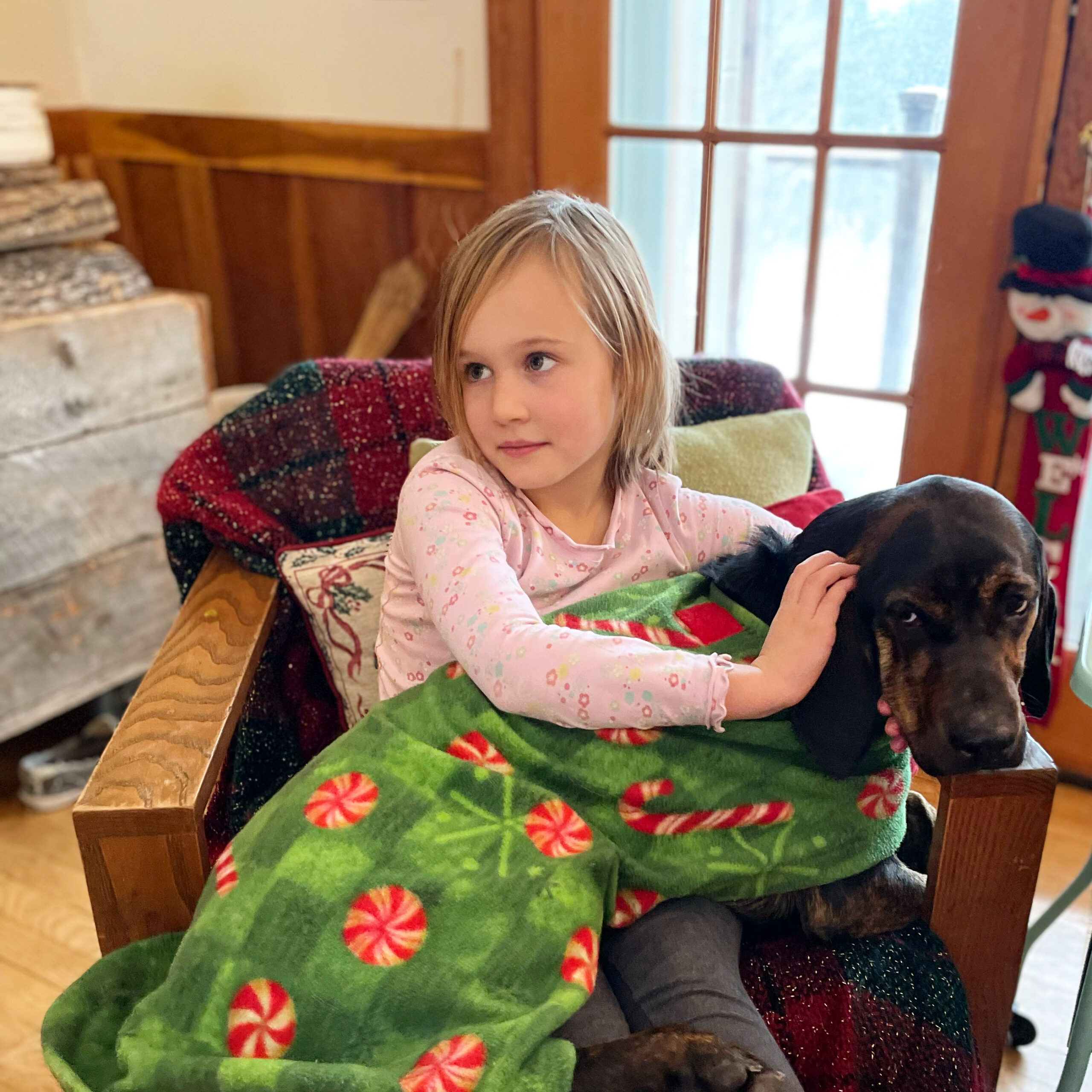
To bridge the gap and satisfy their love for animals, they have adopted the role of "dog aunts and uncles," providing dog-sitting services for friends. This arrangement allows them to enjoy the companionship and joy of a dog without the permanent, high-pressure responsibility that their current lifestyle cannot accommodate.
Conclusion: A Lesson in Humility
In reflecting on the experience, the family emphasizes that they do not regret the love or the money poured into Gigi. While they acknowledge the heartbreak of the situation and the sting of criticism that often follows the decision to rehome a pet, they remain at peace with their choice.
"Sometimes things do not go to plan," they reflected. "Sometimes you spend a ton of money and time on a dog who can’t stay with your family. Sometimes you break your kids’ hearts." The experience was, ultimately, a lesson in humility—a reminder that despite our best intentions, we are not always in control, and that the most compassionate choice is often the one that prioritizes the welfare of the animal over our own desire to keep them.

As the family returns to their routine in the Vermont woods—dealing now with the aftermath of recent, unrelated regional flooding that damaged their driveway—they look ahead with a renewed focus on their immediate priorities: the well-being of their children and the maintenance of a lifestyle that allows for curiosity, growth, and the freedom to explore.