The Great Debate: VOO vs. VTI – Choosing the Foundation of Your Portfolio
For over three decades, the investment landscape has been dominated by a singular, persistent question posed by both novice and seasoned investors: Should I anchor my portfolio in an S&P 500 index fund or a total stock market index fund? Whether you are weighing the merits of Vanguard’s VOO (ETF) versus VTI (ETF), or comparing mutual fund equivalents like VFIAX and VTSAX, the debate is a source of unnecessary anxiety for many.
The truth, supported by nearly 50 years of market data, is remarkably straightforward: from a long-term wealth-building perspective, the difference is negligible. However, understanding why that is the case requires a deeper look into market structure, historical performance, and the philosophy of asset allocation.
Main Facts: The Structural Similarities
At their core, both the S&P 500 index and the total stock market index are low-cost, passive investment vehicles. Vanguard, a titan in the industry, offers both options at an ultra-low expense ratio of just 0.03% (three basis points). Both funds are colossal, each managing over $1 trillion in assets, which provides immense liquidity and operational stability.
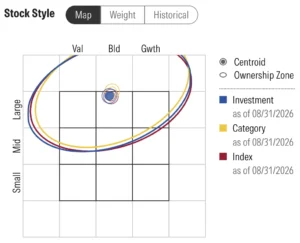
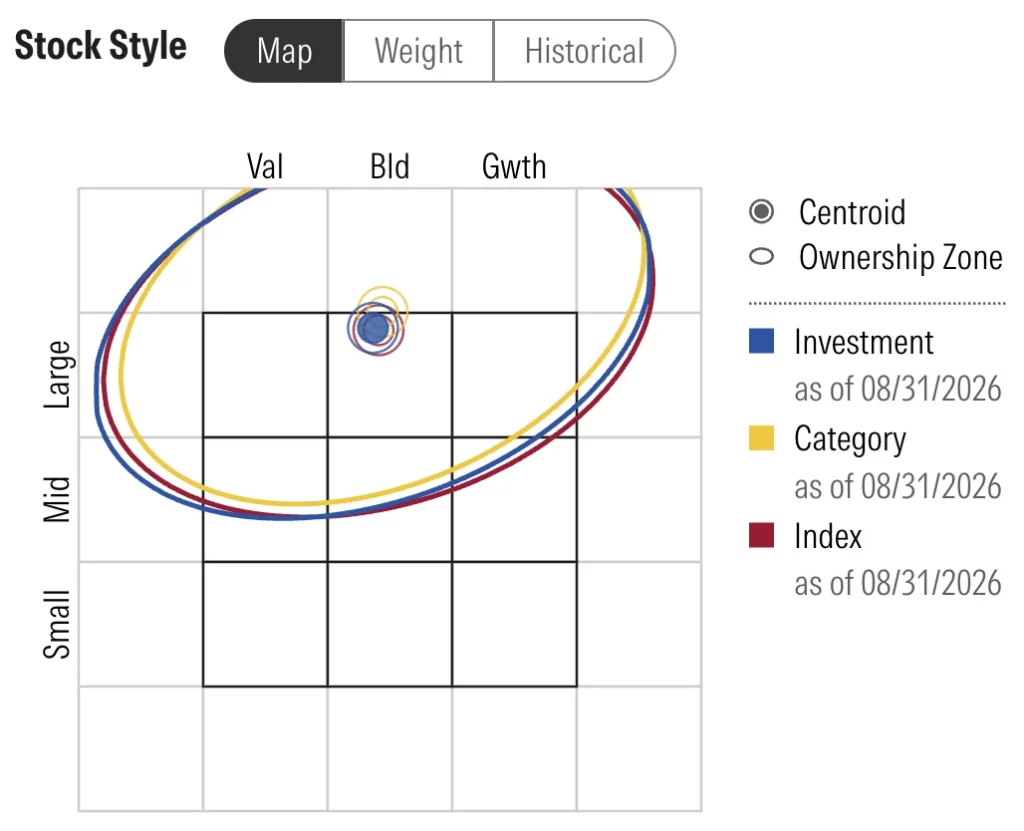
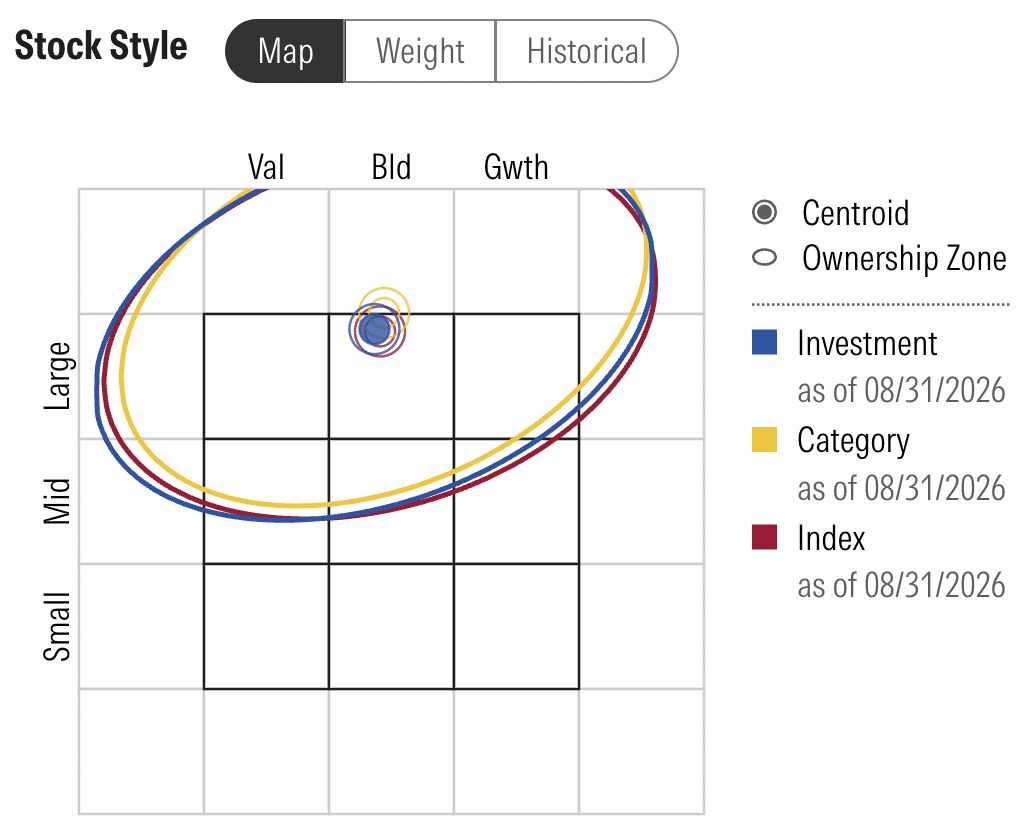
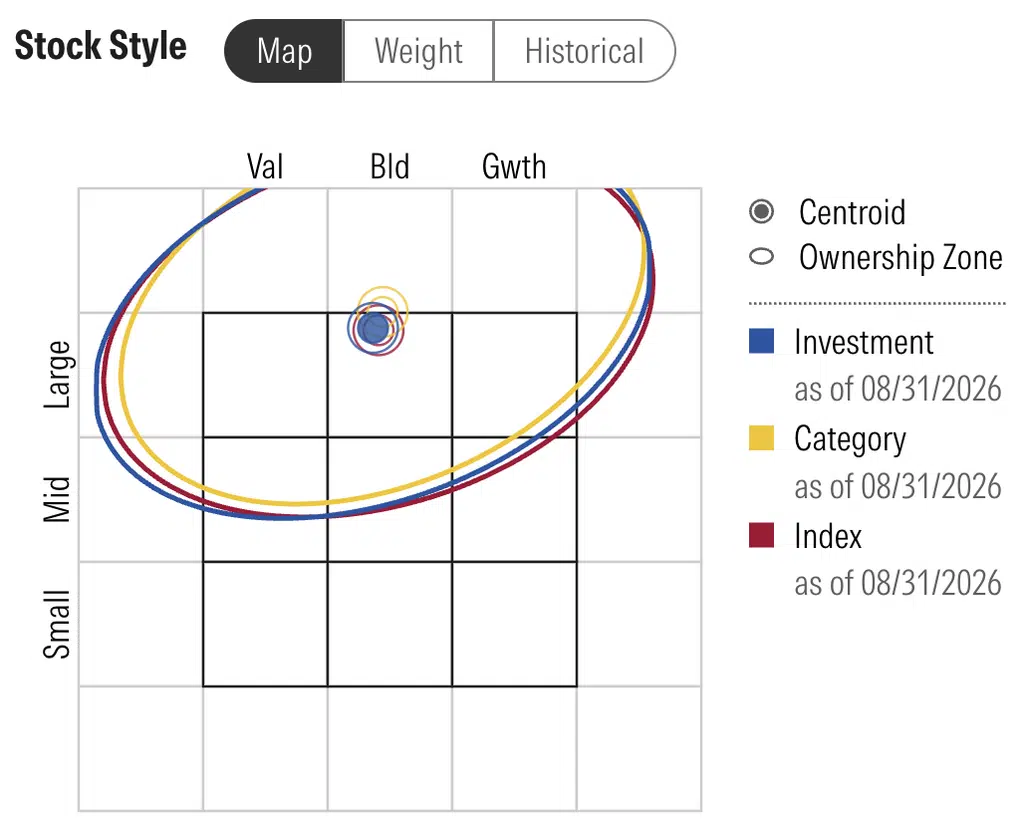
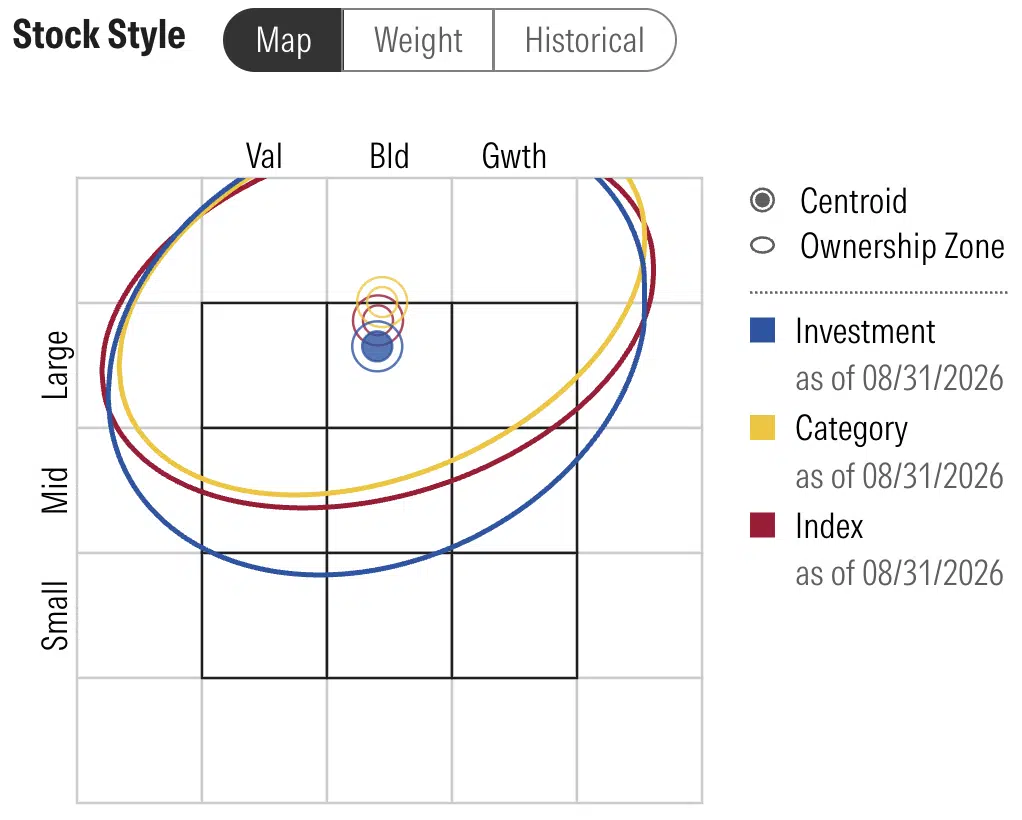
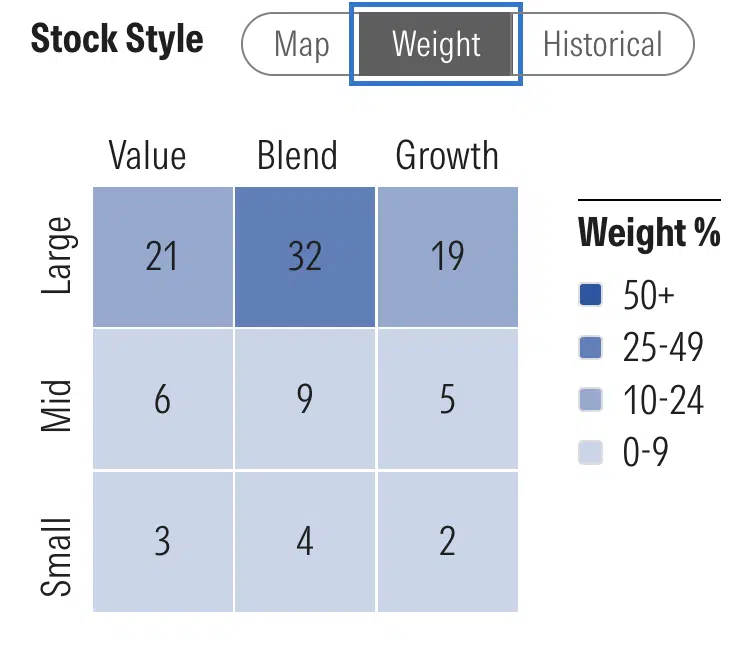
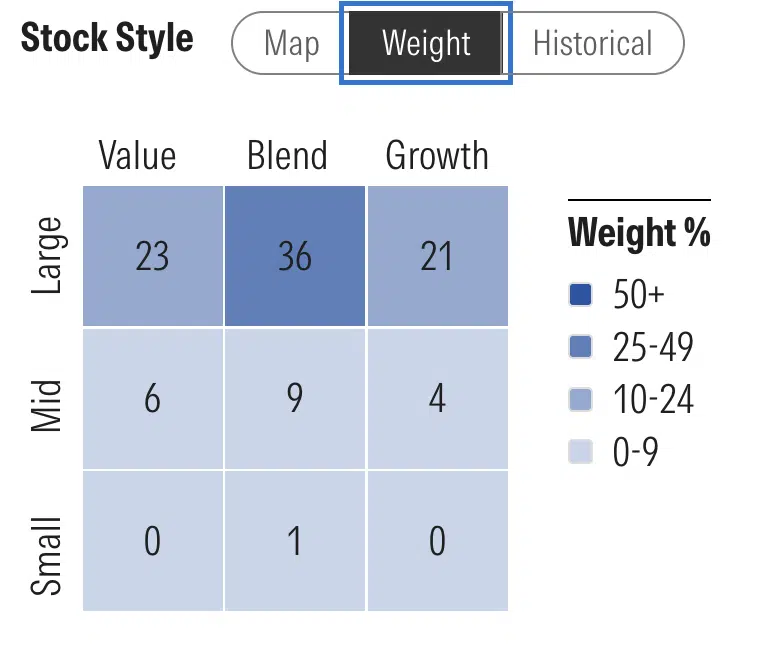
The fundamental similarity lies in their "style." Both are classified as "large-cap blend" funds. This means that if you look at a Morningstar style box, the vast majority of assets in both funds are concentrated in the largest, most established U.S. companies. Whether you choose the S&P 500 or the total stock market, you are primarily betting on the same engines of the American economy: Apple, Microsoft, NVIDIA, Amazon, and Alphabet.
Chronology of Market Evolution
To appreciate these funds, one must look at how they have evolved alongside the U.S. markets. The S&P 500, created in 1957, was designed to provide a barometer for the U.S. economy by tracking 500 of the largest publicly traded companies. For decades, it served as the definitive "market" index.
As financial innovation progressed, the total stock market index was introduced to capture the entirety of the investable U.S. equity market—not just the 500 largest, but mid-caps, small-caps, and micro-caps. By the 1990s and early 2000s, as index investing became the gold standard for retail investors, the distinction between "large-cap" and "total market" became a central point of discussion.
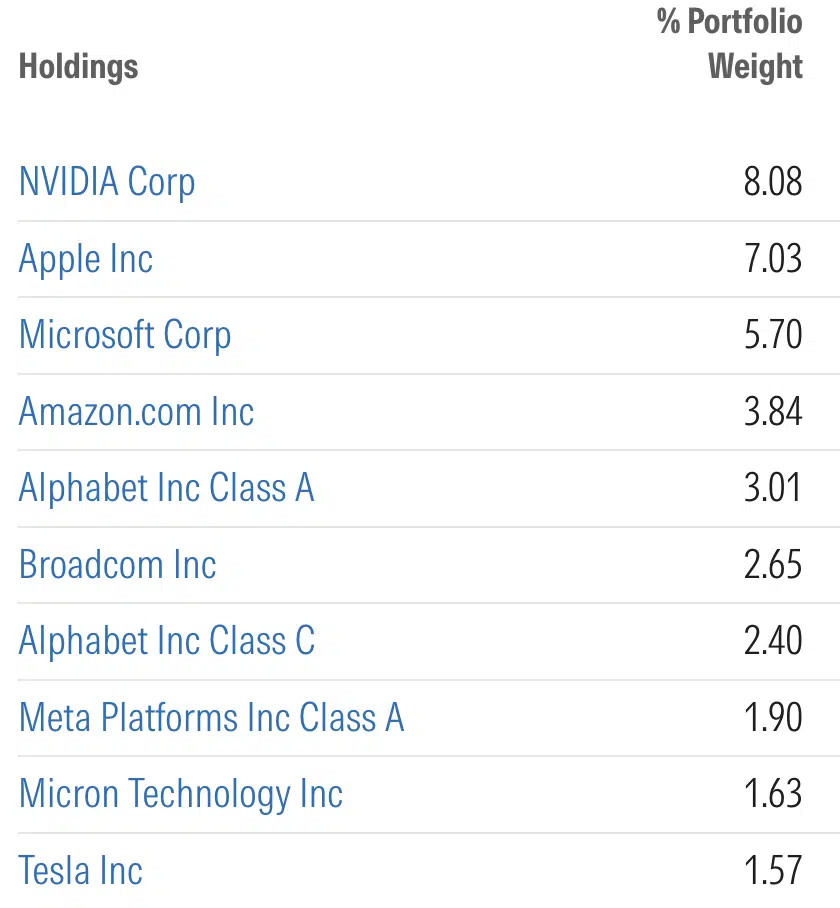
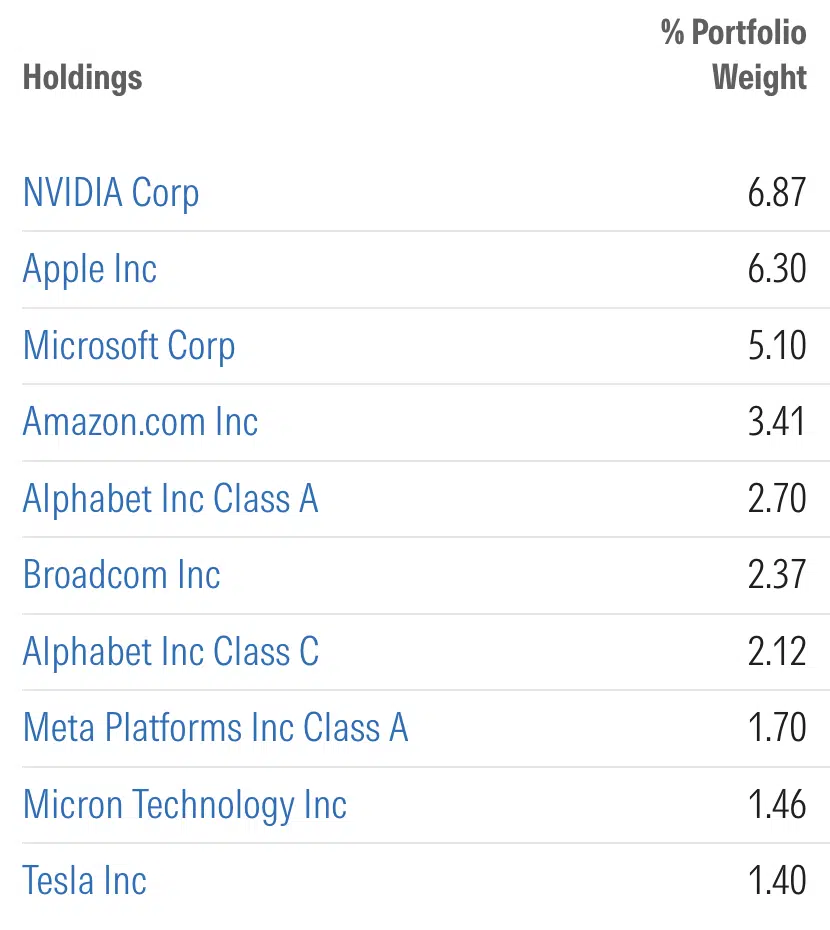
Over the last four years, the concentration of the top 10 holdings has surged. In 2021, the top 10 companies represented roughly 21% of VTI; today, that figure has climbed to roughly 33%. Similarly, in VOO, the concentration has jumped from 26% to nearly 38%. This shift reflects the unprecedented growth and market dominance of the "Magnificent Seven" and other tech-heavyweights. Despite these changes, the fundamental relationship between the two funds has remained a constant, mirroring the broader market’s trajectory.
Supporting Data: Performance and Volatility
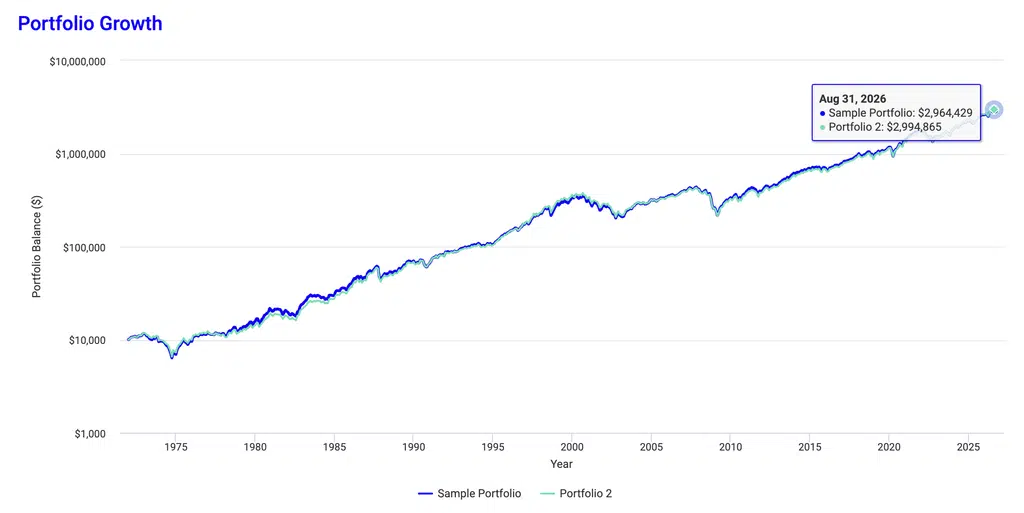
The most compelling argument for treating these funds as interchangeable is their long-term performance. Using data from 1972 through the present, a comparison of the underlying asset classes reveals a striking correlation.
- Compound Annual Growth Rate (CAGR): The performance difference between the S&P 500 and the Total Stock Market index is often measured in just a few basis points. Over multi-decade horizons, the S&P 500 has occasionally edged out the total market, but the margin is so slim that it is statistically insignificant for most investors.
- Volatility: Standard deviation—a common proxy for risk—shows that both indices move in lockstep. Because the total market index is dominated by the same large-cap companies that make up the S&P 500, the addition of small-cap companies (which are more volatile) is heavily diluted.
- The "DCA" Factor: Even when simulating monthly dollar-cost averaging (DCA) over decades, the ending balances for a portfolio invested in the S&P 500 versus the total market are nearly identical.
The Mechanics: Cap-Weighted Indices
To understand why these funds perform similarly, one must understand "market-cap weighting." In these indices, the size of a company’s market capitalization dictates its percentage in the fund. Because NVIDIA, Microsoft, and Apple are the most valuable companies, they command the largest allocations.
The S&P 500 limits this weight to 500 companies. The total stock market index includes roughly 3,500 companies. While this sounds like a massive difference in diversification, the math tells a different story. Because the index is cap-weighted, the 3,000 smallest companies in the VTI fund occupy such a small percentage of the total portfolio that their performance has very little impact on the fund’s overall return. This is why VOO and VTI effectively track the same path.
Implications: How to Choose
Given the data, how should an investor choose? The decision should be based on your specific portfolio strategy, not on the hope that one will "beat" the other.
1. The Constraint Factor
In many employer-sponsored retirement plans, such as a 401(k), you are restricted to the funds offered by your provider. You might find an S&P 500 fund but no total stock market fund. In this scenario, the choice is made for you. Do not agonize over it; the S&P 500 is a perfectly sufficient way to gain exposure to the U.S. market.
2. The Simplicity Approach
If you are building a "three-fund portfolio" (a common strategy involving a total U.S. stock fund, a total international stock fund, and a bond fund), the total stock market index is the logical choice. It offers the most comprehensive exposure possible within a single ticker. It is the "set it and forget it" choice for those who want to own the entire U.S. economy without having to worry about missing out on the growth of smaller, emerging companies.
3. The "Slice and Dice" Approach
If you are an investor who prefers to granularly control your asset allocation—perhaps you want to specifically tilt your portfolio toward small-cap value or mid-cap growth—the S&P 500 is the better starting point. By using the S&P 500 as your "large-cap" core, you can then add specific funds for small-caps or international stocks to achieve your desired risk profile.
Professional Perspective
Industry experts largely agree that the "VOO vs. VTI" debate is a classic example of "analysis paralysis." The energy spent debating which fund to buy would be much better spent on factors that actually impact long-term wealth: increasing your savings rate, minimizing investment fees, maintaining a long-term time horizon, and keeping your emotions in check during market volatility.
Ultimately, both VOO and VTI represent the engine of American capitalism. They are two different ways of saying the same thing: "I believe in the long-term growth of the U.S. equity market." Whether you hold 500 companies or 3,500, your success will not be determined by which of these two funds you selected, but by your discipline in holding them through the inevitable cycles of the market.
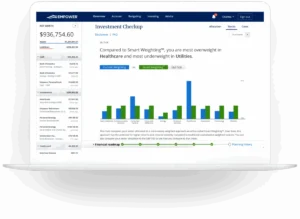
For those looking to keep a closer eye on their total holdings, using tools like the Empower dashboard can be transformative. Seeing your entire asset allocation across all accounts in one place helps remove the guesswork, allowing you to see your exposure to U.S. equities in real-time, regardless of whether it’s held in an S&P 500 fund or a total market index.
In conclusion, stop worrying about the ticker symbol and start focusing on your contribution rate. Both paths lead to the same destination.