The Future of Financial Planning: A Comprehensive Review of ProjectionLab
In an era where financial independence is increasingly sought after but rarely clearly mapped, the software market has become crowded with superficial calculators that offer little more than static estimates. Enter ProjectionLab, a sophisticated, web-based financial planning platform that has evolved over the past five years from a niche project into a powerhouse tool for DIY investors, retirees, and those pursuing the Financial Independence, Retire Early (FIRE) movement.
Unlike many competitors that rely on intrusive data-linking and ad-supported models, ProjectionLab prioritizes user privacy and granular control. By allowing individuals to build a comprehensive "digital twin" of their financial life, it offers a level of stress-testing that was once reserved for professional financial planners using enterprise-grade software.
Main Facts: What is ProjectionLab?
At its core, ProjectionLab is a financial simulation engine. It allows users to input their current assets, liabilities, income streams, and future milestones to generate a year-by-year projection of their net worth, tax liabilities, and cash flow.
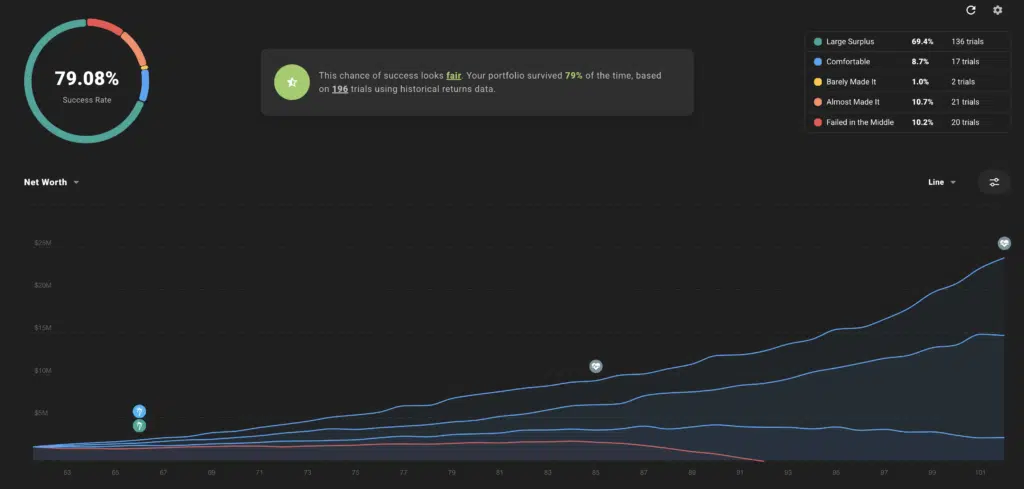
The platform’s central value proposition lies in its balance of power and accessibility. While it provides the technical rigor of Monte Carlo simulations—which run thousands of potential market scenarios to calculate a "probability of success"—it avoids the steep learning curve associated with complex spreadsheet modeling.
Key Differentiators:
- Privacy-First Architecture: The platform does not require or support linking to live bank or brokerage accounts. Users enter data manually, ensuring that the software never has access to sensitive financial credentials.
- Manual Control: By design, the manual input requirement forces users to engage deeply with their financial data, often leading to a better understanding of their actual spending habits and tax exposures.
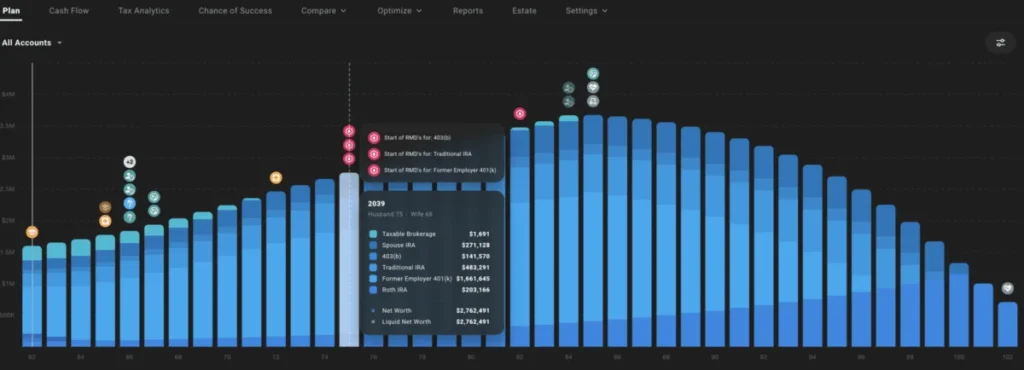
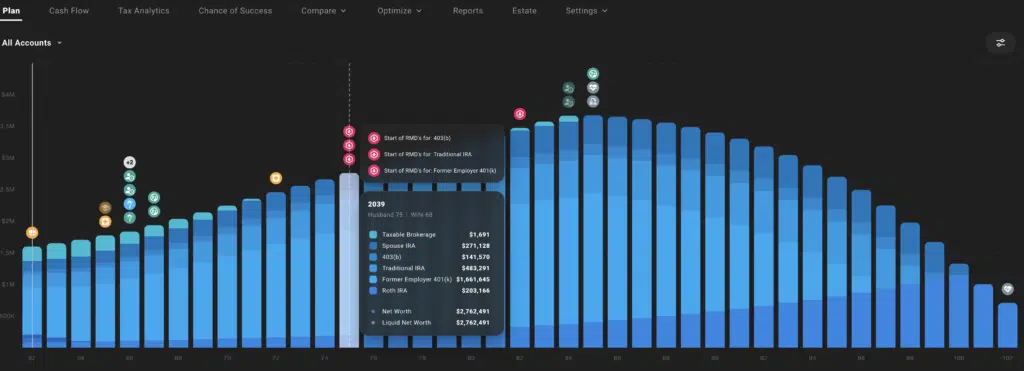
- Sophisticated Tax Modeling: Unlike basic calculators, ProjectionLab accounts for tax brackets, capital gains, RMDs (Required Minimum Distributions), and even complex Roth conversion strategies.
- International Reach: While originally built for the U.S. market, the platform has expanded its capabilities to include specific tax logic and account types for the United Kingdom, Canada, Australia, the Netherlands, and Germany.
Chronology: The Evolution of a Planning Suite
ProjectionLab was created by founder Kyle Nolan and officially launched in April 2021. In its early days, the tool was perceived by many as a "work-in-progress"—a clean but limited interface that showed potential but lacked the depth required for complex multi-decade planning.
- 2021 (The Launch): The initial release focused on basic net worth projections and core Monte Carlo simulations.
- 2022–2023 (The Expansion): Rapid development saw the introduction of the "Flows" system, which allowed users to define the priority of their cash allocations (e.g., debt payoff vs. retirement contributions).
- 2024–2025 (The Professional Pivot): The introduction of the "Pro" tier signaled the company’s intent to serve not just individuals, but also professional financial coaches and advisors. The platform matured to include robust estate planning tools and international tax support.
- Present Day: The tool is now a full-featured planning suite, having bridged the gap between a simple retirement calculator and high-end professional software.
Supporting Data: How the Mechanics Work
The power of ProjectionLab lies in its logical, multi-step construction process. Understanding how to interact with the platform is key to getting accurate results.
1. Account Mapping
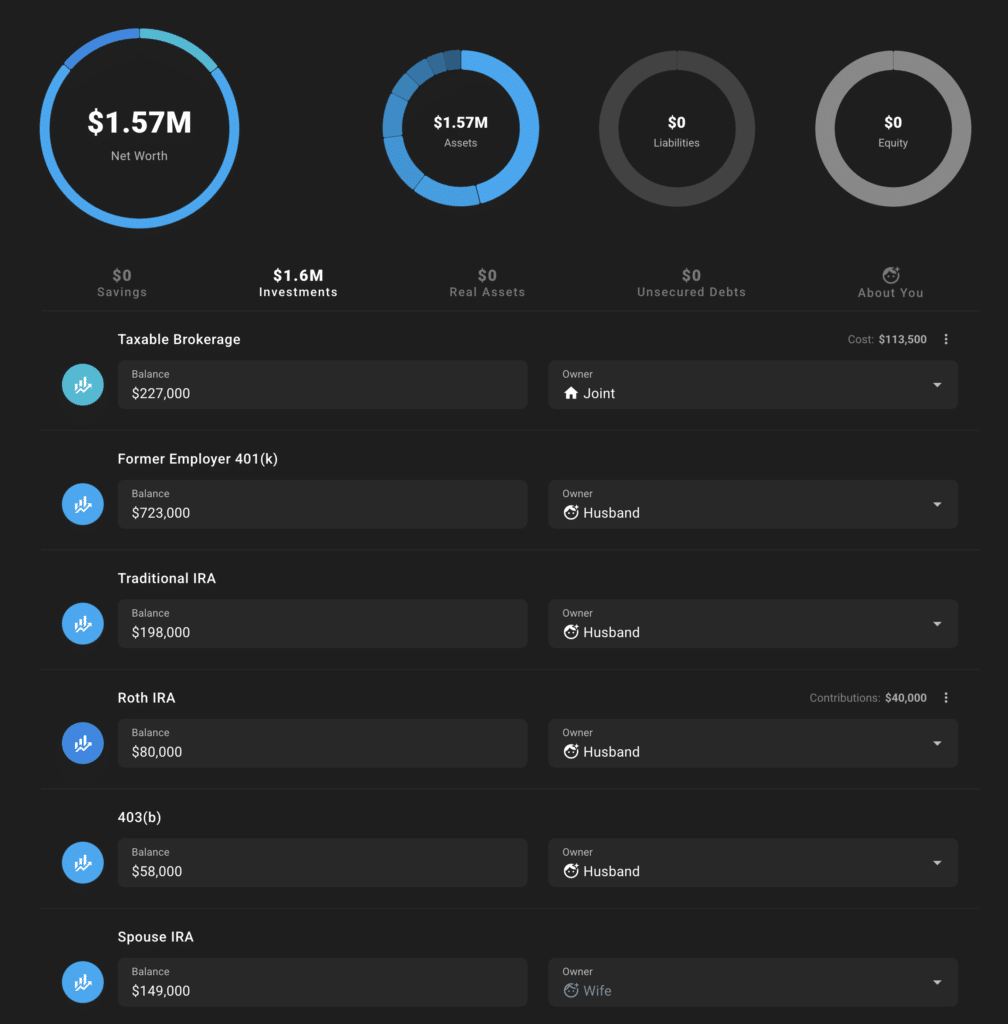
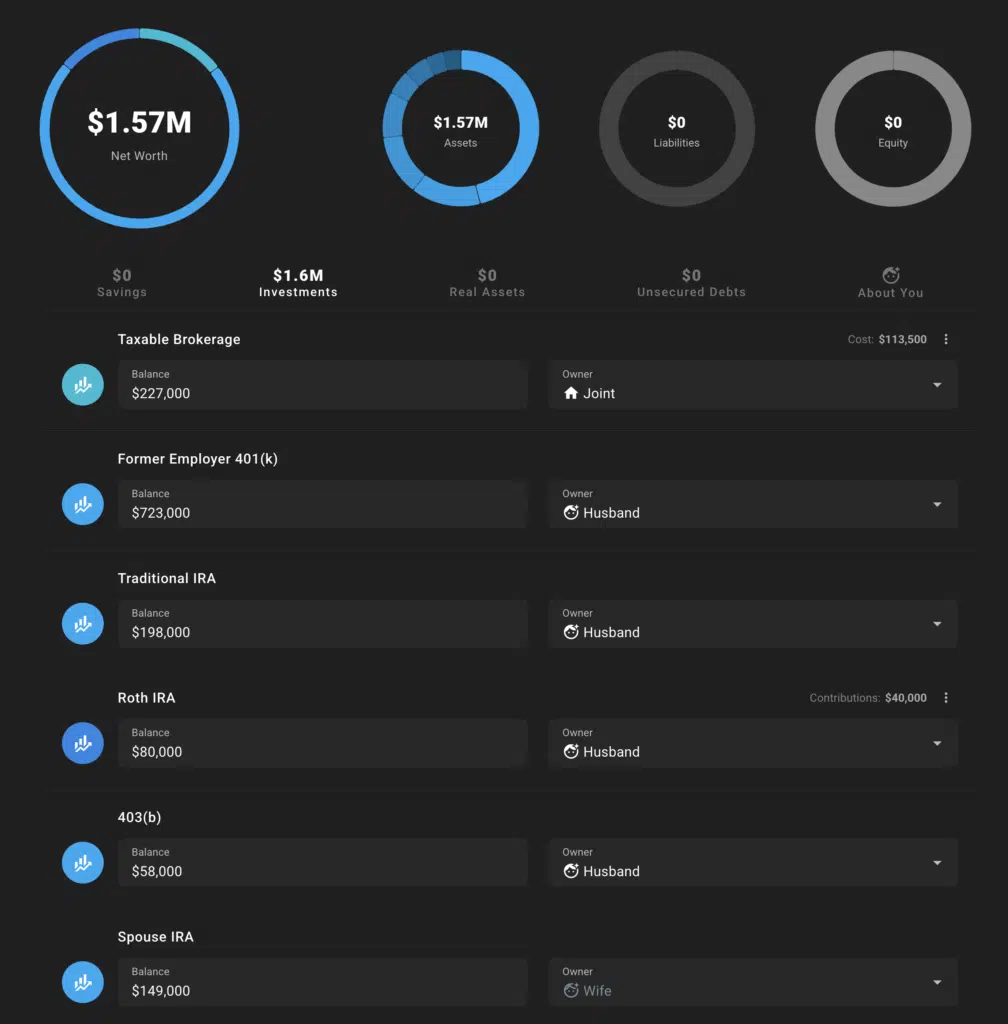
Users begin by defining their "financial footprint." This includes tax-advantaged accounts (401k, 403b, 457b, HSA), taxable brokerage accounts, and real assets like primary residences. Because the tool recognizes the nuances of these account types, it can accurately calculate tax-deferred growth and withdrawal constraints.
2. Milestone Architecture
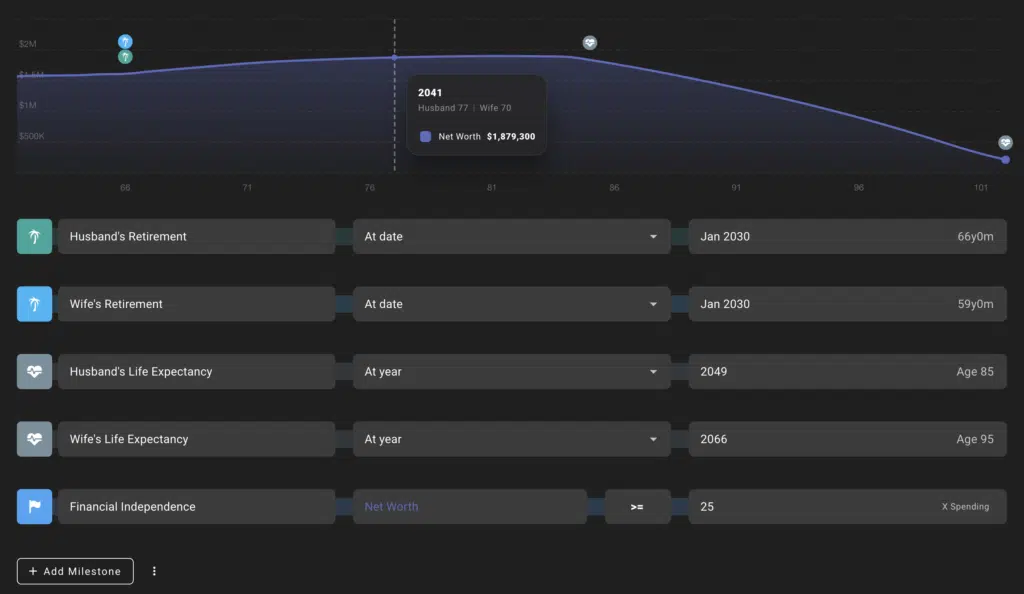
The "Milestones" feature is where the software becomes a life-planning tool rather than just a spreadsheet. Users define major events: the year they plan to retire, when a child enters college, or when a spouse might leave the workforce. These events shift the entire trajectory of the plan, allowing for immediate "what-if" analysis.
3. The "Flows" Engine
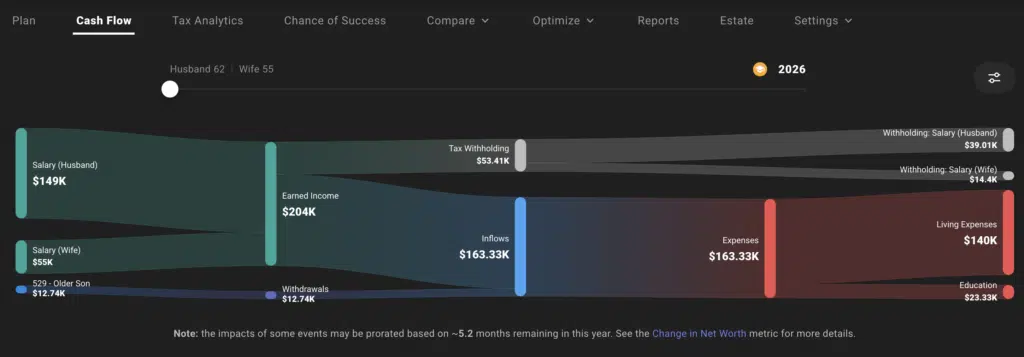
In the Cash Flow section, users set the rules for their money. If a user receives a $5,000 bonus, where should it go first? The "Flows" engine follows these user-defined priorities, automatically allocating funds to debt, emergency savings, or investment accounts in a specific, repeatable order.
4. Simulations and Backtesting
The platform utilizes two primary mathematical models:
- Monte Carlo Simulations: By simulating thousands of market cycles, the software determines the statistical likelihood of a plan succeeding without depletion.
- Historical Backtesting: This applies the user’s plan to specific, real-world historical market sequences (e.g., the 2008 financial crisis or the 2020 pandemic crash) to see how the plan would have fared under past stress.
Official Stance on Privacy and Data
One of the most frequent questions surrounding modern fintech is: "How do you make money, and what happens to my data?"
ProjectionLab’s official stance is refreshingly transparent. Because the company does not sell user data and does not run advertisements, its business model is strictly subscription-based. The company views the user as the customer, not the product. By avoiding the common trend of "account aggregation" (using services like Plaid to pull bank data), they effectively eliminate the risk of their users’ sensitive financial data being sold to third-party marketing firms or insurance providers.
Implications: Who Should Use It?
The Ideal User
ProjectionLab is designed for the "hands-on" planner. It is perfect for those who:
- Have a high degree of interest in optimizing their tax efficiency in retirement.
- Are navigating complex scenarios, such as retiring early (FIRE) or planning for multi-generational wealth transfer.
- Value data privacy above the convenience of automated syncing.
- Enjoy experimenting with variables to see how changing one assumption (e.g., delaying Social Security by two years) impacts the entire plan.
The "Not-For-You" User
The platform is likely not a good fit for individuals who:
- Are looking for a "set it and forget it" budgeting app to track daily expenses.
- Find the prospect of manually entering data to be a barrier to entry.
- Prefer automated insights and suggestions from an AI or human advisor rather than doing the analysis themselves.
Comparative Analysis: The Market Landscape
When compared to its competitors, ProjectionLab occupies a unique space. While apps like Empower or Mint (now defunct/migrated) excel at tracking daily transactions, they fail at long-term, multi-decade retirement modeling. Conversely, enterprise software like eMoney or MoneyGuidePro is significantly more powerful but is generally only available through a human financial advisor and carries a cost structure in the thousands of dollars.
ProjectionLab serves as the "bridge" technology—providing the depth of the enterprise tools at a price point accessible to the average household.
Final Verdict: Is It Worth the Cost?
At $129 per year, ProjectionLab occupies a premium tier in the personal finance space. However, for a user who is serious about financial independence, the cost is arguably negligible compared to the potential tax savings discovered through better withdrawal strategies or the peace of mind gained from rigorous stress-testing.
The free Basic tier acts as a powerful "try-before-you-buy" gateway, allowing users to run the core simulation engines. However, the true value is found in the Premium tier, which unlocks the tax optimization, estate planning, and compare-mode features that turn a simple projection into a comprehensive life plan.
In conclusion, ProjectionLab has cemented itself as an essential tool for the modern, self-directed investor. By respecting user privacy, iterating at a rapid pace, and providing granular control over the most complex parts of financial planning, it has set a new standard for what retail financial software should be. If you are serious about understanding your financial future, it is an investment that likely pays for itself in the first year of optimized decision-making.