The Great CPA Shift: Vermont Joins National Movement to Modernize Accounting Licensure

By Maura Webber Sadovi
Published June 10, 2026
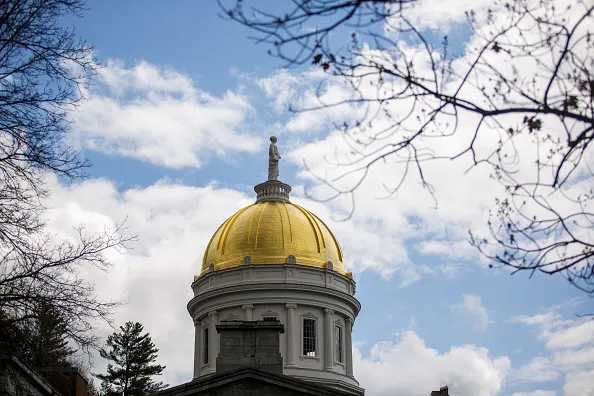
Vermont has officially joined a growing national coalition of states moving to modernize the accounting profession. By enacting new licensing legislation, the "Green Mountain State" has aligned itself with more than 40 other jurisdictions that are currently revamping the pathways to becoming a Certified Public Accountant (CPA). This shift represents one of the most significant structural changes in the accounting industry in decades, aimed at mitigating a persistent talent shortage that has threatened the stability of the profession.
The Evolution of the CPA Pathway
For years, the gold standard for CPA licensure was the "150-hour rule," which effectively required a fifth year of post-secondary education beyond a standard bachelor’s degree. While intended to ensure high levels of competency, the requirement became a significant barrier to entry, often saddling students with additional tuition debt and delaying their entry into the workforce.
The new model—widely referred to as the "bachelor’s plus two"—offers a more flexible alternative. Under this framework, candidates are generally required to complete a bachelor’s degree (totaling 120 credit hours) combined with two years of verified professional experience, in addition to passing the rigorous CPA exam. This change does not abolish the traditional 150-hour route; rather, it provides a secondary, experience-based pathway that recognizes the value of on-the-job training.
Chronology of a Regulatory Revolution
The momentum behind these legislative changes has been building since early 2025, fueled by a collective realization among industry leaders that the 150-hour rule was no longer serving the needs of a modern economy.
- Early 2025: The AICPA (American Institute of CPAs) and NASBA (National Association of State Boards of Accountancy) formally approved model legislation, providing a roadmap for states to follow.
- Late 2025 – Early 2026: A wave of state legislatures began drafting bills to integrate these recommendations into their state accountancy acts.
- June 2, 2026: Louisiana Governor Jeff Landry signed HB 548 into law, establishing new CPA rules effective August 1, 2026.
- June 9, 2026: Rhode Island’s legislature passed its version of the CPA pathways bill, which currently awaits the signature of Governor Dan McKee.
- June 10, 2026: Vermont officially codifies its new licensure rules, marking a major milestone in the regional effort to stabilize the profession.
According to Rob Pawlewicz, an associate professor of accounting at the University of Richmond, who has been tracking these legislative shifts in real-time, approximately 42 states and Puerto Rico have now formally adopted these new pathways. Pawlewicz expects further expansion in the coming months, noting that Michigan, Massachusetts, and the District of Columbia remain "in-play" for the remainder of 2026. "I see no reason why those should die off, considering the passage of similar measures in neighboring states to all three," he said.
Supporting Data: The Anatomy of a Shortage
The push for legislative change is not merely a preference for flexibility; it is a response to a looming demographic crisis. In states like Vermont, the data paints a sobering picture.
While the total number of CPAs in Vermont saw a slight uptick in fiscal 2025, reaching 1,200—an increase of roughly 50 over the previous year—this remains significantly below the 2019 peak of 1,400 active professionals. This numerical decline is exacerbated by two distinct factors: an aging workforce and an exodus of young professionals.
As experienced CPAs reach retirement age, the pipeline of new talent has struggled to keep pace. Complicating this is the contraction of academic infrastructure. In 2024, Champlain College in Burlington, Vermont, began phasing out its accounting program in response to declining enrollment and financial pressures. When universities reduce or eliminate specialized accounting degrees, the local pipeline for talent dries up, forcing firms to look elsewhere or struggle with reduced capacity.
Industry experts argue that while AI and automation have changed the nature of accounting work—potentially reducing the need for entry-level data processing roles—the demand for high-level professional judgment remains constant. The new licensure pathways are designed to ensure that the individuals who fill these roles are not only technically proficient but also possess the practical experience required to navigate complex financial environments.
Official Responses and Industry Sentiment
The professional reaction to the "bachelor’s plus two" model has been largely positive, though it is not without its detractors who worry about maintaining the prestige of the CPA designation. However, proponents emphasize that the shift is a pragmatic necessity.
"In Vermont, the shortage is very real," noted one industry representative. "We have a shrinking population and every year we have a fair number of members moving into retirement."

For firms operating in states with high costs of living and smaller talent pools, the 150-hour requirement often acted as an "economic filter" that discouraged bright students from pursuing the path. By allowing for two years of professional experience as an alternative to the extra 30 academic credits, states are effectively saying that the practical, supervised work performed under a licensed mentor is as valuable as classroom instruction.
In Missouri, the legislative process continues to move forward; SB 1233 has passed the legislature and awaits the signature of Governor Mike Kehoe. The widespread adoption of these rules is creating a de facto national standard, making it easier for CPAs to move between states, as reciprocity agreements are generally easier to maintain when states operate under similar licensing requirements.
Implications for the Future of Accounting
The implications of this movement extend far beyond the statehouse walls. For the accounting profession, this is a moment of existential pivot.
1. Talent Retention: By lowering the barrier to entry, firms hope to retain students who might otherwise be deterred by the time and cost of the 150-hour requirement. This is particularly crucial for smaller, regional firms that cannot always compete with the massive compensation packages offered by the "Big Four" to attract top-tier graduates.
2. Diversity and Inclusion: Critics of the 150-hour rule have long argued that it disproportionately impacts students from lower socioeconomic backgrounds who cannot afford an extra year of tuition. By creating an alternative pathway, the profession may become more accessible to a wider demographic of candidates.
3. The Role of Technology: As AI and machine learning continue to reshape auditing and tax compliance, the skill set required of a CPA is shifting. The next generation of accountants may need fewer hours of general education and more hours of hands-on experience with modern technological tools. The "bachelor’s plus two" model allows for this shift in focus.

4. Regulatory Harmonization: The rapid adoption of these laws is a rare example of state-level legislative consistency. As the vast majority of states align their rules, the U.S. accounting landscape is becoming more unified, which simplifies compliance for firms that operate across state lines.
Conclusion: A New Chapter
As Vermont and its peers move forward with these changes, the accounting industry is effectively betting on a future where experience is prioritized alongside academic foundation. While the 150-hour rule served the profession for many years, the challenges of 2026—demographic shifts, academic contraction, and the rapid pace of technological change—require a more agile approach.
For students, this represents a new opportunity to enter the profession sooner. For firms, it is a tool to address the "real" shortage of qualified professionals. As more states join the ranks of those adopting the new model, the accounting profession is proving that it is capable of evolving, ensuring that the CPA credential remains relevant, attainable, and robust in an increasingly complex financial world.
For ongoing updates on the changing landscape of CPA licensure, readers can access CFO Dive’s comprehensive tracker on the topic.