The Federal Reserve Unveils Proposed Framework for Stablecoin Issuance: A New Era of Oversight
By Gabrielle Saulsbery
Published September 25, 2026
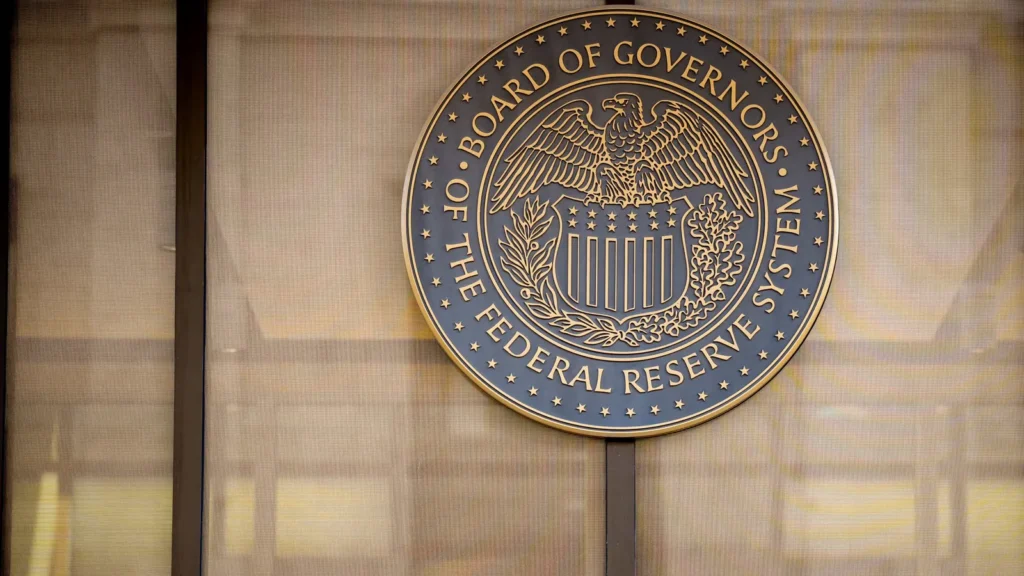
In a long-awaited regulatory move, the Federal Reserve has officially unveiled its proposed framework for the oversight of stablecoin issuers. The proposal, released on Thursday, signals a definitive step toward integrating digital assets into the formal financial system, emphasizing that the "stability" of these assets must be more than just a marketing term. Under the new guidelines, issuers will face rigorous requirements designed to ensure that stablecoins—digital assets pegged to the value of traditional currencies like the U.S. dollar—remain reliably and promptly redeemable at par under all market conditions.
The proposal comes as part of a broad, legislatively mandated effort to bring order to a sector that has long operated in a regulatory gray area. By requiring issuers to back their digital tokens with "high-quality, liquid assets" such as Treasury bills, the Fed aims to eliminate the systemic risks associated with under-collateralized assets.
The Core Mandate: Stability and Capital Requirements
At the heart of the Federal Reserve’s proposal is a focus on risk mitigation. The guidelines establish that any institution—particularly those under the Fed’s direct supervision—wishing to issue stablecoins must navigate a structured application process. This process is designed to vet not just the technological underpinnings of the issuer, but their capital adequacy and operational resilience.
Fed Governor Michael Barr, in an accompanying statement, underscored the necessity of these guardrails. "Stablecoins will only be stable if they can be reliably and promptly redeemed at par in a range of conditions," Barr stated. "This includes during market stress, when pressure can be put on the value of even otherwise liquid government debt, and during episodes of strain on the individual issuer or its related entities."
The proposed rules mandate that issuers maintain a specific ratio of liquid assets, effectively preventing the "run on the bank" scenarios that have plagued earlier iterations of the cryptocurrency market. Furthermore, the framework outlines stringent standards for the custody of these assets, ensuring that even if an issuer faces insolvency, the underlying collateral remains protected for the holders of the digital tokens.
Chronology: A Delayed Path to Compliance
The path to this regulatory framework has been anything but linear. The mandates under the "Genius Act" required federal regulators and the Treasury Department to establish comprehensive rules for stablecoins by July 2026. While the Federal Reserve is now introducing its portion of the framework, the delay has sparked criticism regarding the speed of institutional response to the rapidly evolving fintech sector.
The regulatory rollout has occurred in stages across various agencies:
- February 2026: The Office of the Comptroller of the Currency (OCC) and the National Credit Union Administration (NCUA) led the charge, issuing their respective proposed rules for stablecoin issuers under their purview.
- April 2026: The Federal Deposit Insurance Corp. (FDIC) followed suit, introducing proposals to implement the Genius Act’s requirements, focusing on the resolution and recovery of issuers.
- August 2026: The Treasury Department released its own regulatory guidelines, focusing on the broader macroeconomic impacts of stablecoin adoption.
- September 2026: The Federal Reserve finally released its comprehensive proposal, rounding out the interagency effort.
Despite these collective efforts, no federal agency has yet finalized its rules. The Fed’s proposal is now entering a 60-day public comment period following its publication in the Federal Register, suggesting that finalization remains several months away.
Supporting Data: Why "High-Quality, Liquid Assets" Matter
The Fed’s emphasis on "high-quality, liquid assets" (HQLA) is a direct response to the volatility observed in the broader crypto market. When a stablecoin issuer uses speculative assets or long-dated corporate debt to back its digital tokens, the "peg" to the dollar can easily break during periods of liquidity crunches.
By forcing issuers to rely on Treasury bills, the Fed is essentially treating stablecoin issuers as limited-purpose financial intermediaries. The data suggests that the volume of stablecoins in circulation currently poses a non-trivial risk to short-term funding markets. If a massive redemption event were to occur and the issuer was forced to liquidate assets in a fire sale, it could destabilize the market for U.S. government debt.
The Fed’s proposal includes:

- Capital Requirements: Issuers must maintain a buffer to absorb potential losses.
- Risk Management Standards: Protocols for handling cyber-attacks, operational failures, and counterparty risks.
- Redemption Protocols: Clearly defined mechanisms for users to convert their stablecoins back to fiat currency without delay.
Official Responses and Industry Sentiment
The response from the financial sector has been one of cautious observation. While industry participants have long called for "regulatory clarity," the depth of the Fed’s oversight—particularly regarding the application process for banks—has raised questions about whether smaller fintech firms will be able to compete with established traditional financial institutions.
Governor Barr’s rhetoric suggests a philosophy of "same risk, same activity, same regulation." If a stablecoin acts like a bank deposit, it should, in the Fed’s view, be regulated like a bank deposit. This perspective is a departure from the "permissionless" ethos of the early crypto movement, positioning the stablecoin as a utility for the existing payment system rather than a disruptive alternative to it.
Proponents of the legislation argue that these rules are the "price of admission" for the industry to gain mainstream legitimacy. By providing a safe environment for consumers and businesses, the Fed hopes to foster payments improvements that could lower transaction costs and increase speed across the financial ecosystem.
Implications: The Future of Digital Payments
The implications of these rules are far-reaching. By creating a formalized path for banks to issue stablecoins, the Fed is effectively signaling that digital, tokenized money has a permanent place in the U.S. economy. However, it also draws a hard line: only those who can meet these stringent liquidity and capital standards will be permitted to participate.
1. Market Consolidation
The costs of compliance are expected to be high. This will likely lead to a consolidation of the stablecoin market, where only the largest, most well-capitalized issuers remain. Small-scale issuers may find the regulatory burden prohibitive, leading to a landscape dominated by a few "systemically important" digital currency providers.
2. Integration with Traditional Banking
As banks begin to issue their own stablecoins, the boundary between "crypto" and "traditional finance" will continue to blur. This could lead to a more efficient payments system, where real-time settlement becomes the standard for both retail and wholesale transactions.

3. Impact on Monetary Policy
If stablecoins become a primary medium of exchange, the Federal Reserve will need to monitor their circulation with the same rigor it applies to M2 money supply metrics. The potential for stablecoins to act as "shadow money" has been a concern for central bankers, and these new rules represent a proactive attempt to bring that money under the umbrella of federal oversight.
4. Consumer Protection
The most immediate impact will be on the retail user. For the average consumer, the assurance that their stablecoin holdings are backed by government-guaranteed debt provides a level of security that was previously absent. This trust is the necessary foundation for the mass adoption of digital assets as a legitimate payment instrument.
Conclusion: A Long Road to Finality
As the 60-day comment period approaches, the financial industry will be closely watching for how the Federal Reserve balances the need for security with the desire for innovation. While the Genius Act set the stage, the actual implementation of these rules will define the trajectory of the U.S. digital asset market for the next decade.
The Federal Reserve has made its position clear: stablecoins have the potential to improve the efficiency of the U.S. payment system, but only if they are built on a foundation of ironclad stability and strict regulatory compliance. As we move toward 2027, the focus will shift from the possibility of a regulated stablecoin market to the reality of its implementation. The era of the "Wild West" in digital assets is coming to a close; the era of the regulated, institutional-grade stablecoin has begun.