The Ethics of Digital Assets: Senator Gillibrand Renews Push for Bans on Political Crypto Profiteering
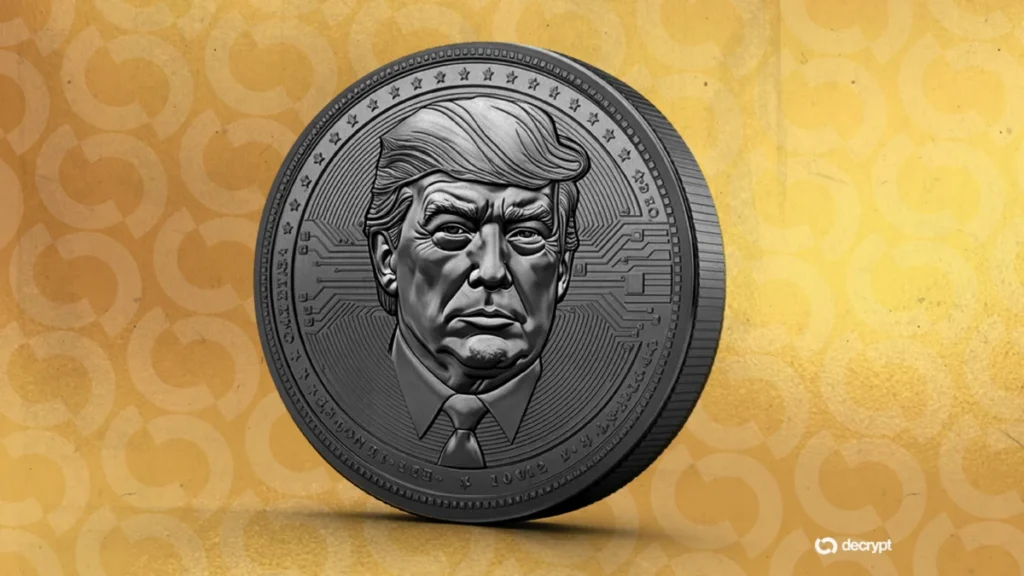
In a move that has sent ripples through both the halls of Congress and the volatile world of decentralized finance, New York Senator Kirsten Gillibrand has doubled down on her legislative efforts to prohibit elected officials and their spouses from issuing or promoting digital assets. This renewed urgency follows a startling disclosure this week revealing that President Donald Trump accumulated more than $1.2 billion in earnings from his various cryptocurrency endeavors over the past year.
The scale of these earnings, which includes a staggering $635 million derived from a single Solana-based meme coin, has reignited a fierce debate regarding the intersection of political influence, insider advantage, and the emerging asset class of meme-based cryptocurrencies. As Congress grapples with the broader implications of the Clarity Act—a landmark market structure bill—the question of whether public servants should be permitted to monetize their platforms through digital assets has moved to the center of the legislative agenda.
The Financial Disclosure: A $1.2 Billion Catalyst
The catalyst for this renewed legislative push is the public disclosure of President Trump’s financial activities. For years, the intersection of political office and personal financial growth has been a subject of ethical scrutiny, but the sheer volume of wealth generated through crypto—specifically volatile assets like meme coins—has moved the conversation into uncharted territory.
The $1.2 billion in earnings represents a seismic shift in how political figures engage with high-risk, high-reward digital markets. The fact that a significant portion of this wealth originated from a meme coin—a category of assets often criticized for their lack of intrinsic value and susceptibility to pump-and-dump market dynamics—has provided Senator Gillibrand with the momentum to demand comprehensive ethics reform. For critics, these earnings are not merely a result of market savvy; they are viewed as a direct utilization of political capital to drive interest and investment into speculative ventures.
Chronology of the Legislative Standoff
The path to this moment has been paved with months of escalating tension between ethics advocates and those pushing for rapid crypto adoption.
- Early 2026: Senator Gillibrand begins building a coalition to address ethical lapses in Congress, specifically targeting the potential for insider trading in prediction markets. Her legislative strategy begins to link traditional financial ethics to the burgeoning digital asset space.
- May 2026: As the Clarity Act moves through committee, Gillibrand publicly declares that the bill’s passage is contingent upon the inclusion of strict ethical guardrails. She specifically targets the ability of the President and other senior officials to profit from digital assets while in office.
- Mid-2026: Despite the momentum of the Clarity Act, the legislative body fails to reach a consensus on the specific language for these ethical guardrails. The bill advances through a committee vote, but the "ethics gap" remains a glaring omission.
- Late 2026 (Present): Following the disclosure of President Trump’s $1.2 billion in crypto earnings, Gillibrand issues a formal, urgent call for a comprehensive ban, framing it as a "commonsense requirement" for modern governance.
The Mechanics of the Proposed Ban
Senator Gillibrand’s proposal is not merely a symbolic gesture; it is a structured legislative intent to close the loopholes that allow for what she terms "self-dealing." The proposed ban would apply to three primary categories:
- Issuance: Prohibiting officials and their immediate families from launching, creating, or facilitating the issuance of new digital assets, specifically targeting the meme coin market.
- Promotion: Restricting the ability of public officials to use their social media reach, public platform, or institutional influence to drive hype around specific crypto projects.
- Conflict of Interest Mitigation: Establishing a firewall between the regulatory oversight of the crypto industry and the personal investment portfolios of government officials.
Gillibrand argues that the current lack of regulation allows for a "Wild West" scenario where the very people responsible for writing the laws governing the financial system are also the ones standing to profit most from its most volatile corners.
Supporting Data and Market Sentiment
The concern surrounding political involvement in crypto is not merely philosophical; it is grounded in market mechanics. Researchers at Galaxy and other financial institutions have noted that when public figures—particularly those with the influence of a President—promote a digital asset, the price volatility increases exponentially.
According to data analysts, the "Trump Effect" on Solana-based assets has been a primary driver of trading volume this year. However, this volatility poses a significant threat to retail investors. If a politician promotes an asset that subsequently crashes, the public is left with little recourse, and the politician remains shielded by the ambiguity of the current regulatory environment.
Furthermore, the odds of passing the Clarity Act have fluctuated wildly as these ethical concerns have come to the fore. Galaxy researchers recently slashed the bill’s passage probability to 50-50, noting that while the technical content of the bill is largely agreed upon, the political gridlock surrounding the "ethics provision" is effectively stalling the legislative process. Time is running short, and the Senate’s inability to reconcile the desire for innovation with the necessity of integrity is beginning to weigh on market confidence.
Official Responses and Political Implications
The reaction to Gillibrand’s proposal has been largely polarized along partisan lines, though the sentiment regarding "insider trading" has occasionally crossed the aisle.
Senator Gillibrand’s statement, released earlier this week, was uncompromising: "We cannot let self-dealing destroy an opportunity to strengthen consumer protections, crack down on illicit finance, and expand economic opportunity for the millions of Americans our financial system has left behind."
Conversely, many supporters of the crypto industry argue that such a ban would unfairly stifle the financial freedom of political figures, treating them differently than private citizens. They contend that the focus should be on market-wide regulation rather than targeting individual behavior.
However, Gillibrand has consistently countered this by pointing to her broader record. She has been a vocal proponent of banning stock trading for members of Congress, arguing that public service should be a sacrifice of personal financial gain for the greater good. By linking crypto bans to stock trading bans, she is attempting to codify a new standard of "public servant morality."
The Broader Implications: Integrity vs. Innovation
The core of the conflict is a fundamental disagreement over what constitutes "innovation" in the digital age. Proponents of the Clarity Act argue that the U.S. must lead in the crypto space to remain competitive against international rivals. They fear that adding heavy-handed ethics restrictions will slow down development and cause capital flight.
Senator Gillibrand, however, suggests that true innovation cannot be built on a foundation of corruption. She argues that if the digital asset industry is to become a legitimate pillar of the global economy, it must be subject to the same—or stricter—ethical standards as the traditional banking system.
The Looming Deadline
As the 2026 legislative session nears its conclusion, the pressure is mounting. The Senate is faced with a choice: push the Clarity Act through without the requested ethics provisions, potentially inviting long-term public distrust, or hold the line on reform and risk the bill failing entirely.
The inclusion of the Trump family’s earnings in the public record has made this a "kitchen table" issue. It is no longer a niche conversation for crypto enthusiasts; it is a question of whether the political class can be trusted to legislate an industry in which they are simultaneously participating for massive financial gain.
Conclusion: A Turning Point for Washington
Senator Kirsten Gillibrand’s campaign to ban the issuance and promotion of meme coins by public officials represents more than just a regulatory dispute; it is a battle for the soul of financial governance in the United States. Whether or not the proposed ban succeeds, the conversation has shifted. The days of "crypto-as-usual" for politicians are likely numbered.
The $1.2 billion figure stands as a stark marker in the history of digital finance—a symbol of the potential rewards and the potential dangers inherent in the current system. As voters watch to see how their representatives handle this, the outcome of the Clarity Act will serve as a bellwether for the future of both crypto regulation and political ethics in the 21st century. The path forward requires a delicate balance between encouraging technological advancement and ensuring that the public trust remains the primary currency of our democracy.