The Energy Crucible: How the Iran-Strait of Hormuz Crisis is Remaking the ASEAN+3 Economic Order
By Yasuto Watanabe
July 14, 2026
The global energy architecture, long characterized by the illusion of stability, has been shattered by the most significant geopolitical shock to hit the oil markets since the 1970s. As conflict involving Iran has intensified, the closure of the Strait of Hormuz—the world’s most critical maritime energy chokepoint—has served as a brutal stress test for the global economy. For the ASEAN+3 nations (the Association of Southeast Asian Nations plus China, Japan, and South Korea), this crisis is not merely a temporary supply disruption; it is a fundamental reordering of economic priorities, exposing the structural fragilities that have been ignored during years of relative tranquility.
The Anatomy of the Crisis: A Chronology of Disruption
The current volatility is rooted in a rapid escalation of regional tensions that caught energy markets off guard. Understanding the gravity of the situation requires a look at the timeline of events that transformed a simmering geopolitical dispute into a full-scale energy emergency.
- Early March 2026: Tensions in the Persian Gulf reach a breaking point. Following a series of naval skirmishes, Iranian leadership announces the total closure of the Strait of Hormuz to "hostile" vessels, citing national security concerns in the face of escalating military presence in the region.
- March 9, 2026: The global market reacts with immediate panic. Brent crude futures surge to $119 per barrel, the highest level recorded since the energy crisis of 2022. Global shipping lines scramble to reroute, adding weeks to transit times and skyrocketing insurance premiums.
- Late March – April 2026: Supply chain bottlenecks begin to affect the broader ASEAN+3 manufacturing hub. The lack of reliable fuel imports forces power plants in emerging markets to implement rolling blackouts to conserve industrial reserves.
- May 2026: Prices find a precarious equilibrium above $105. While the initial "shock" has subsided, the market remains in a state of high-tension stagnation, as the physical flow of oil remains restricted.
- June – July 2026: Governments across East and Southeast Asia pivot toward emergency energy rationing and the acceleration of long-term strategic reserve releases, acknowledging that the "new normal" may be a long-term reality.
The ASEAN+3 Vulnerability: Why the Region is at Risk
For the ASEAN+3 bloc, the vulnerability is two-fold: high dependency on imported hydrocarbons and an industrial base that is uniquely sensitive to energy price fluctuations.
The Dependency Trap
Most ASEAN nations, with the exception of a few exporters, have spent the last decade industrializing at a rapid pace, fueling their growth with cheap, reliable energy imports. Japan and South Korea, as top-tier energy importers, have seen their trade balances deteriorate sharply as the cost of oil—a primary input for their sophisticated electronics and automotive sectors—has ballooned.
The Impact on Manufacturing
The manufacturing powerhouse of China, combined with the integrated supply chains of Southeast Asia, relies on an uninterrupted flow of raw materials and energy. When energy prices hover above the $100 threshold, the "just-in-time" manufacturing model becomes untenable. Increased transport costs, coupled with higher electricity tariffs, are currently forcing firms to either absorb losses or pass them on to consumers, fueling a resurgence of inflationary pressures across the region.
Data and Market Realities: Beyond the Headlines
The economic data emerging from the second quarter of 2026 paints a grim picture of systemic strain. While central banks across the region have attempted to stabilize currencies, the "Oil-Inflation Loop" is proving difficult to break.
- Trade Balance Compression: In nations like Thailand and Vietnam, the import bill for energy has risen by an estimated 22% compared to the same period in 2025. This has led to a noticeable contraction in foreign exchange reserves as governments intervene to support local currencies against the strengthening U.S. dollar, which is acting as a safe haven during the crisis.
- Industrial Output Contraction: Japan’s Ministry of Economy, Trade and Industry (METI) reported a 3.4% decline in industrial production for May, directly attributed to energy costs and supply chain delays caused by the tanker rerouting around the Cape of Good Hope.
- Inflationary Pressure: Consumer Price Indices (CPI) in the ASEAN+3 region have surged, with energy costs contributing nearly 40% of the headline inflation figure in most member states. The threat of "stagflation"—low growth combined with high prices—has become the central concern for regional finance ministers.
Official Responses: Strategies for Survival
Governments across the ASEAN+3 region are no longer treating this as a transient event. The policy response has shifted from monitoring to active crisis management.
Strategic Reserve Management
Japan and South Korea, in coordination with the International Energy Agency (IEA), have released significant quantities of oil from their Strategic Petroleum Reserves (SPR). These releases are designed to dampen price spikes rather than solve the supply deficit, serving as a stop-gap measure to maintain domestic market confidence.
The Push for Regional Cooperation
The ASEAN+3 Finance Ministers and Central Bank Governors have held emergency sessions to discuss the pooling of energy resources. Proposals for a "Regional Energy Security Framework" are currently under development. This framework aims to standardize emergency sharing agreements, similar to the existing Chiang Mai Initiative Multilateralization (CMIM) for currency, to ensure that member nations can access fuel supplies during extreme disruptions.
Diversification and Decarbonization
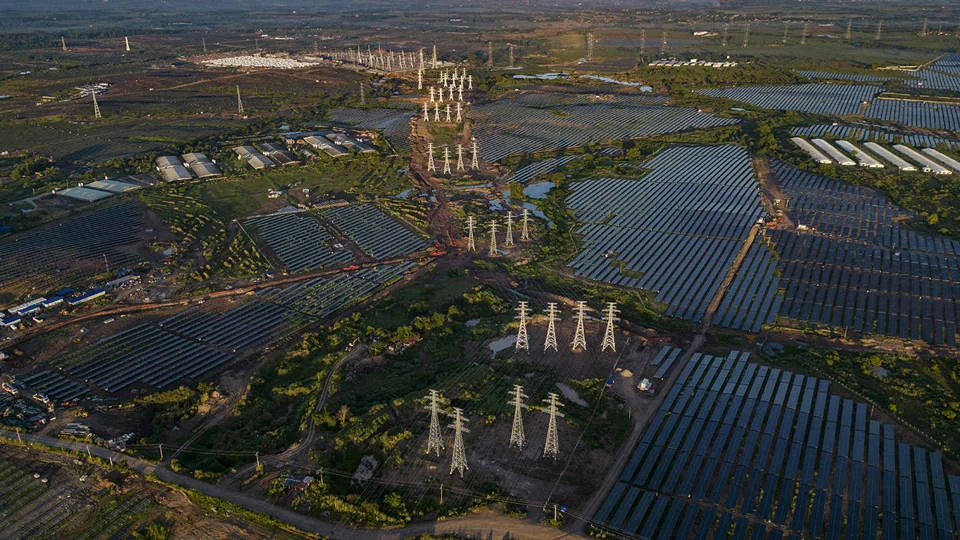
There is a renewed urgency to move away from oil-dependency. While renewables remain a long-term goal, the immediate pivot is toward diversifying the energy mix. Southeast Asian nations are accelerating investments in Liquefied Natural Gas (LNG) infrastructure and upgrading grid interconnectivity to allow for a more resilient distribution of electricity across national borders.
Long-term Implications: A Paradigm Shift
The Iran-Strait of Hormuz crisis is forcing a re-evaluation of globalization and energy security. The implications for the next decade are profound.
1. The End of Cheap Energy Dependence
The era of assuming that the Strait of Hormuz will always remain open is over. ASEAN+3 countries are likely to move toward "energy autarky" strategies, where domestic energy production and regional grid integration take precedence over globalized market reliance. We expect a surge in state-led infrastructure projects focusing on nuclear energy, localized solar grids, and cross-border electricity trading.
2. Supply Chain Relocalization
The fragility exposed by the energy crisis is accelerating the "near-shoring" of manufacturing. If energy costs cannot be stabilized, firms will increasingly move production closer to the end-consumer or to regions with more stable energy costs. This will hit the export-oriented economies of Southeast Asia hard, forcing them to pivot their growth models toward domestic consumption.
3. Institutional Resilience
The current crisis has highlighted the need for institutions that can manage persistent uncertainty. The ASEAN+3 bloc will likely strengthen its consultative bodies, moving toward a more integrated geopolitical stance on energy. The realization that national interests are tied to regional stability has never been more apparent; a country that faces an energy shortage can easily become a weak link in the entire regional supply chain.
4. The Geopolitical Pivot
The crisis has also tested the diplomatic agility of the region. Caught between the interests of the Middle East and the security guarantees of the West, ASEAN+3 nations are walking a tightrope. This will likely lead to a more neutral, transaction-based foreign policy, where energy security dictates diplomatic partnerships more than ideological alignment.
Conclusion: The Path Ahead
The resilience of the ASEAN+3 region in the face of this crisis will not be determined by the price of oil alone, but by the strength of the institutions they build today. The shock of 2026 has provided a painful but necessary catalyst for change. As the world watches the Strait of Hormuz, the focus for Asian leaders must remain on building a system that can withstand the inevitable shocks of a volatile future.
Energy is the lifeblood of the modern economy; when that blood flow is restricted, the organism must evolve or perish. For ASEAN+3, the process of evolution has begun. It will require heavy investment in grid infrastructure, a pragmatic approach to energy security, and an unprecedented level of regional cooperation. The fragility exposed by this crisis is a warning—one that the region can no longer afford to ignore. Whether this leads to a more secure and autonomous regional power block or a period of prolonged stagnation remains the defining question of the next decade.