The Battle for the Screen: How Alex Gibney’s ‘Musk’ Documentary Faced a Digital Blockade
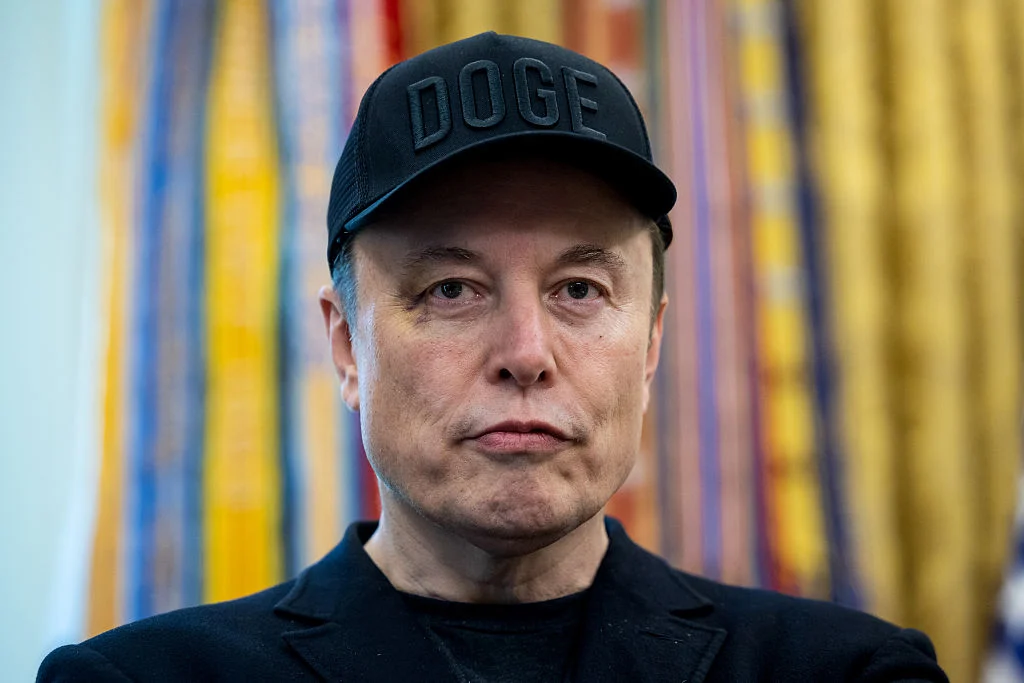
The release of an investigative documentary is rarely a quiet affair, but Alex Gibney’s latest project, Musk, has encountered a level of institutional friction that suggests the subject matter is as volatile as the man himself. As the film approaches its October 9 U.S. theatrical debut, its distributor, Bleecker Street, found itself navigating a complex landscape of digital censorship after major social media platforms initially rejected paid advertisements for the film’s trailer.
While the documentary has garnered critical acclaim—boasting a 100% “fresh” rating on Rotten Tomatoes—the path to publicizing it has been fraught with accusations of corporate timidity and algorithmic overreach.
The Digital Gatekeepers: A Timeline of Rejection and Reversal
The controversy began late last week when reports surfaced that the promotional engine for Musk had hit a wall. According to The Hollywood Reporter, a cohort of the world’s most influential social media platforms—TikTok, Meta (Facebook and Instagram), YouTube, and X (formerly Twitter)—had all refused to run paid advertisements for the film’s trailer.
The initial rejections were ostensibly categorized under "political content" restrictions. However, the move sparked immediate backlash from industry observers, who questioned how a documentary trailer—a standard marketing asset for a theatrical release—could be classified as campaign-level political advertising.
The chronology of the fallout unfolded rapidly:
- Friday: Initial reports confirm that major platforms have barred the trailer from their paid advertising ecosystems.
- Saturday Morning: TechCrunch and other outlets began pressing these platforms for clarity regarding their policies.
- Saturday Afternoon: Meta and YouTube issued statements suggesting that the initial blocks were either errors or the result of automated systems that had since been corrected.
- Ongoing: Bleecker Street continues to navigate the complex internal appeal processes for remaining platforms, including X and TikTok.
Meta and YouTube: "An Error in the System"
Following the widespread media coverage of the blackout, both Meta and YouTube pivoted. A spokesperson for Meta informed TechCrunch on Saturday that the rejection of the ad was an internal error and that the content was in the process of being restored to their advertising platform.
Similarly, YouTube provided an update via its support channels, clarifying that the trailer had never been removed from the platform as organic content. Regarding its advertising arm, the company stated: "When submitted as an ad, it was temporarily restricted by our system. Following review, the ad has been cleared to run."
While both companies framed the initial block as a technical or procedural glitch, the timing—occurring exactly when the campaign was attempting to reach its widest audience—has raised questions about the sensitivity of automated moderation tools when faced with content that portrays powerful figures in a critical light.
The X Factor: A Personal Vendetta
While Meta and YouTube retreated from their positions, the response from X was starkly different. Under the ownership of Elon Musk, the platform has made little secret of its disdain for the project. Musk himself took to the platform to publicly disparage the director, posting that "Dogshit is worth more respect than Gibney."
Given Musk’s ownership, the refusal to run ads for the documentary is perhaps the least surprising development in this saga. It highlights a growing tension in the digital age: when the owner of the town square is the subject of the documentary, can that town square remain a neutral space for advertising? The exclusion of the Musk trailer on X serves as a case study in the potential for platform owners to exert personal influence over advertising policy, effectively stifling discourse that they deem unfavorable.
Understanding the "Political Content" Classification
The core of the dispute lies in the platforms’ definitions of "political advertising." TikTok, for instance, maintains a strict policy against all political advertising, while Meta has implemented various restrictions on political content, including a ban on such ads in the European Union.
However, the application of these rules to Musk appears inconsistent. A documentary trailer is a commercial product intended for theatrical release, not a partisan campaign ad. By labeling it "political," these platforms effectively weaponize their own policies against critical journalism. Bleecker Street, acting on behalf of the filmmakers, has formally appealed these rejections, arguing that the film is a cultural and biographical work, not a piece of political advocacy.
The Documentary: A Terrifying Portrait of Modern Tech
The film itself, directed by Oscar-winner Alex Gibney, has been described by critics as a "terrifying" and "fascinating" look at one of the world’s most influential men. Known for his incisive work on Going Clear (Scientology) and The Inventor (Elizabeth Holmes), Gibney brings his signature investigative rigor to the life of the Tesla and SpaceX founder.
The nearly four-hour documentary covers a vast, complicated terrain. According to Vulture’s Bilge Ebiri, the film provides a granular look at:
- Business Practices: An analysis of Musk’s rise through the tech industry.
- Political Alliances: A deep dive into his evolving relationship with former President Donald Trump.
- Personal Life: Unflinching interviews with those close to him, including his ex-wife, Justine Musk, and influencer Ashley St. Clair, who—despite a past association—now describes the billionaire as "a nuke."
The documentary is not merely a biography; it is a warning. As Ebiri noted in his review, the film is "a tale of modern business" that serves as a sobering reflection on the intersection of individual power, capital, and the future of human society.
The Universal Pictures Dilemma
The friction surrounding the film has not been limited to social media platforms. The Hollywood Reporter also noted that Universal Pictures, which was initially tied to the international distribution of the film, reportedly wavered in its commitment. Industry insiders suggested that the studio was hesitant to release the film globally, fearing that it might anger the incoming Trump administration, given Musk’s proximity to the political power structure.
Universal has since clarified that it intends to move forward with the release, though it is still finalizing its strategy. This underscores the broader implications of the Musk saga: when a documentary is so critical of a powerful figure that it creates fear among major media conglomerates, it suggests that the "chilling effect" is not just a theoretical concept, but a lived reality in modern media distribution.
Implications for Free Expression
The Musk incident raises critical questions about the power of digital platforms. As these companies become the primary gatekeepers of public information, their moderation policies—and the transparency of those policies—become a matter of public interest.
If a documentary trailer can be caught in the gears of automated moderation, what does that mean for independent filmmakers or investigative journalists looking to promote content that challenges the status quo? The fact that Meta and YouTube eventually reversed their decisions suggests that public pressure and media scrutiny remain the most effective tools for ensuring that these platforms adhere to their own standards of neutrality.
However, the situation on X remains a reminder of the fragility of that neutrality. When the rules of the platform can be bent or enforced based on the personal grievances of the owner, the promise of the "digital public square" is severely undermined.
Conclusion: The October 9 Release
As the October 9 release date approaches, the focus returns to the work itself. Musk is currently sitting at a 100% rating on Rotten Tomatoes, signaling that regardless of the digital barricades erected by social media giants, the quality and the urgency of the film are likely to pierce through the noise.
The saga of the Musk trailer is more than just a marketing hiccup; it is a window into the current state of media, politics, and the tech industry. As audiences prepare to view Gibney’s work, they do so with the backdrop of a battle that highlights the very themes the film explores: the immense, often unchecked, power of modern tech titans and the struggle to maintain a platform for critical inquiry in an era of digital consolidation.
Whether the documentary serves as a definitive historical record or a catalyst for a new wave of transparency in tech, its journey to the screen will be remembered as a litmus test for the independence of our digital infrastructure.
Disclaimer: Some of the links included in this article are affiliate links, meaning we may earn a small commission if you choose to make a purchase. This does not influence our editorial reporting or our commitment to investigative integrity.