The Art of Letting Go: A Comprehensive Guide to Downsizing Your Life

The reality is as inevitable as it is uncomfortable: at some point, the physical footprint of your life will be managed by someone else. Whether through a sudden medical emergency or the natural conclusion of life, the vast collection of possessions you have curated over decades will eventually be sorted, sold, donated, or discarded.
For many, the process of "culling the herd" is fraught with emotional landmines. We attach memories to objects, equate cost with value, and fear that parting with items is synonymous with erasing our own history. However, experts argue that proactive downsizing is not merely a logistical chore—it is an act of profound love and fiscal prudence. By taking control of your environment now, you reduce the burden on your heirs and reclaim your space, your time, and your peace of mind.
The Sociology of Stuff: Why We Hold On
To understand why decluttering is so psychologically taxing, one must look at the research. Sociologist David J. Ekerdt of the University of Kansas has spent years examining the intersection of possessions and later life. In his seminal work, Downsizing: Confronting Our Possessions in Later Life, Ekerdt and his research team interviewed more than 100 Americans over the age of 60 to understand the internal struggle of letting go.
Ekerdt’s findings characterize the decluttering process as a courageous confrontation. We live in a culture that encourages acquisition, yet we are rarely taught how to manage the "exit" of these items. The realization that a dining set—purchased for a significant sum thirty years ago—now has negligible resale value can be maddening. Yet, Ekerdt notes that the emotional relief of unburdening oneself is a critical step in maintaining autonomy as we age.
10 Strategic Steps for Successful Downsizing
Transitioning from a life of accumulation to a life of curated simplicity requires a systematic approach. Professional organizers and estate experts suggest the following roadmap to navigate the process effectively.
1. Define Your Purpose and Deadlines
Matt Paxton, author of Keep the Memories, Lose the Stuff, emphasizes that without a tangible goal, the process often stalls. He recommends writing a specific goal on a card and taping it to a wall in the room you are currently clearing.
Furthermore, set a "social deadline." One of Paxton’s clients, who struggled to keep her home tidy, successfully decluttered her living room after inviting friends over for a dinner party scheduled three weeks in advance. Much like a fitness regimen, decluttering is easy to quit; accountability, however, provides the necessary friction to keep moving.

2. Delay the Purchase of Storage Solutions
It is a common trap to browse social media and see immaculately organized pantries, toy rooms, and garages, leading many to rush out and buy expensive bins and baskets. Jill Quigley, a professional organizer based in Omaha, warns that this is a counterproductive first step.
Buying storage bins before you have reduced your inventory often results in storing items you don’t need, effectively "organizing your clutter." The golden rule is: declutter first, categorize second, and shop for storage only once you have defined the dimensions of your remaining, curated collection.
3. Seek Professional Guidance
Downsizing is often too large a task for one person to handle alone. Professional organizers, who typically charge between $60 and $200 an hour, offer more than just a pair of hands. They provide objective, third-party decision-making support.
Organizations such as the National Association of Productivity & Organizing Professionals (NAPO) and the National Association of Senior & Specialty Move Managers (NASMM) are excellent resources for finding qualified help. Erin Hayes, a New York City-based organizer, notes that the most important quality in a professional is emotional attunement. Since the process can trigger grief and frustration, having a guide who can hold space for those emotions while keeping the project on track is invaluable.
4. Categorize to Identify Excess
Before disposing of anything, gather like items. When you see three can openers or nine white tank tops laid out on a table, the decision to discard becomes purely logical rather than emotional.
For sentimental items, Kelly Brask, president of the Board of Certification for Professional Organizers, suggests grouping items by the memory they represent. If you are keeping twenty items to remember one grandmother, you may find that keeping just one or two is sufficient to honor that connection.
5. Start with Low-Stakes Zones
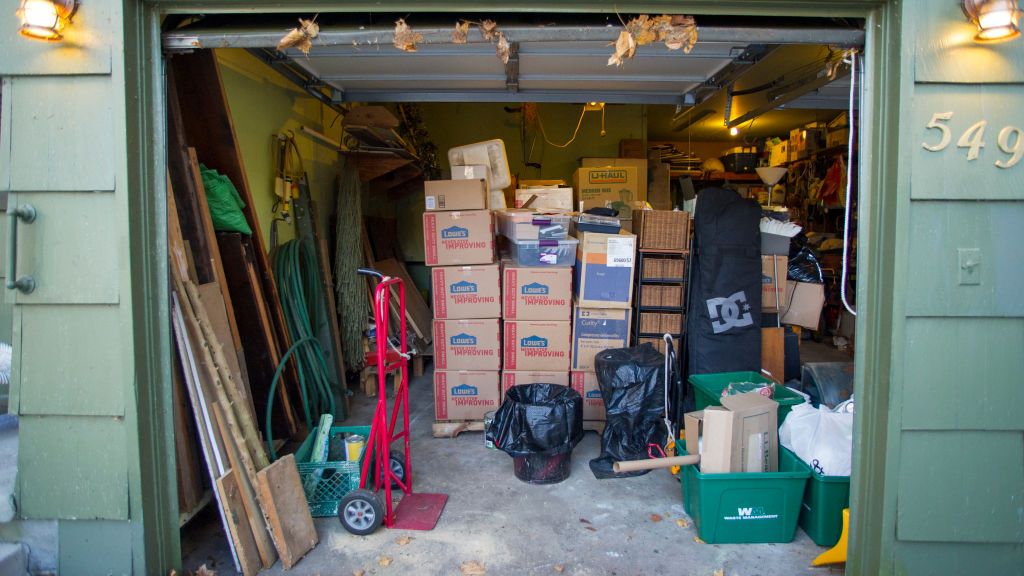
Burnout is the primary enemy of the declutterer. Experts recommend beginning with "neutral" areas—spaces that do not hold significant emotional weight. Junk drawers, utility closets, or the back of a tool shed are ideal starting points. Once you witness the transformation of these small spaces, you gain the psychological momentum needed to tackle more challenging areas like attics or family photo collections. To maintain energy, limit your work to a maximum of six hours per day.
6. Guard Against the "Purger’s High"
There is a specific phenomenon known as the "purger’s high"—a rush of endorphins that occurs when you begin shedding heavy, useless items. This feeling is so intoxicating that it can lead to a dangerous "tossing frenzy."
Cristiane Sgrott, an organizer in the Washington, D.C. area, warns clients to remain vigilant during these phases. She has seen clients accidentally discard items of significant value—such as cash hidden in old shirt boxes or important documents tucked into books. The mantra is: be ruthless, but remain cautious. Never discard paperwork or electronics without proper screening or secure destruction, such as professional shredding services.
7. Manage Financial Expectations
One of the most difficult hurdles in downsizing is the "value gap." We tend to value our items based on what we paid for them, while the market values them based on current demand. As the Baby Boomer generation downsizes, the market has become saturated with high-quality furniture, collectibles, and antiques, leading to a sharp decline in resale prices.
Julie Hall, director of the American Society of Estate Liquidators, advises against expecting a windfall. For realistic pricing, check "sold" listings on sites like eBay or use services like WorthPoint. If you intend to sell, consider auction houses that handle the photography, marketing, and logistics. While they may take a 30% to 40% commission, the 60% of the sale price you receive is often far more than the zero dollars you might realize if you are unable to sell the items yourself.
8. Focus on the Legacy, Not the Inventory
"You don’t want to leave your family with a house full of stuff and a mountain of work," says Brask. The goal is to leave a "legacy of love."
If you have a collection of items that tell your life story, consider digitizing them. Apps like Artifcts allow you to document the history behind an object through video and audio. Once the story is preserved, the physical object becomes less necessary. Hosting a "storytelling session" with your children or friends where you share the history of specific pieces can turn a chore into a meaningful bonding experience.
9. Eliminate the "Maybe" Pile
The most dangerous category in any organization project is the "maybe" pile. It is a purgatory where items go to wait for a decision that never comes. Mary Kay Buysse of NASMM notes that the "maybe" pile is the primary reason people end up renting expensive off-site storage units. Paying thousands of dollars over several years to store items you don’t use is a financial drain that serves no purpose. If you haven’t used it or loved it in the last year, it should be categorized as keep, sell, or donate immediately.
10. Prevent Re-cluttering through Awareness
Once your space is cleared, the challenge shifts to maintenance. T.K. Coleman, cohost of The Minimalist podcast, suggests looking inward to address why you accumulated the items in the first place.
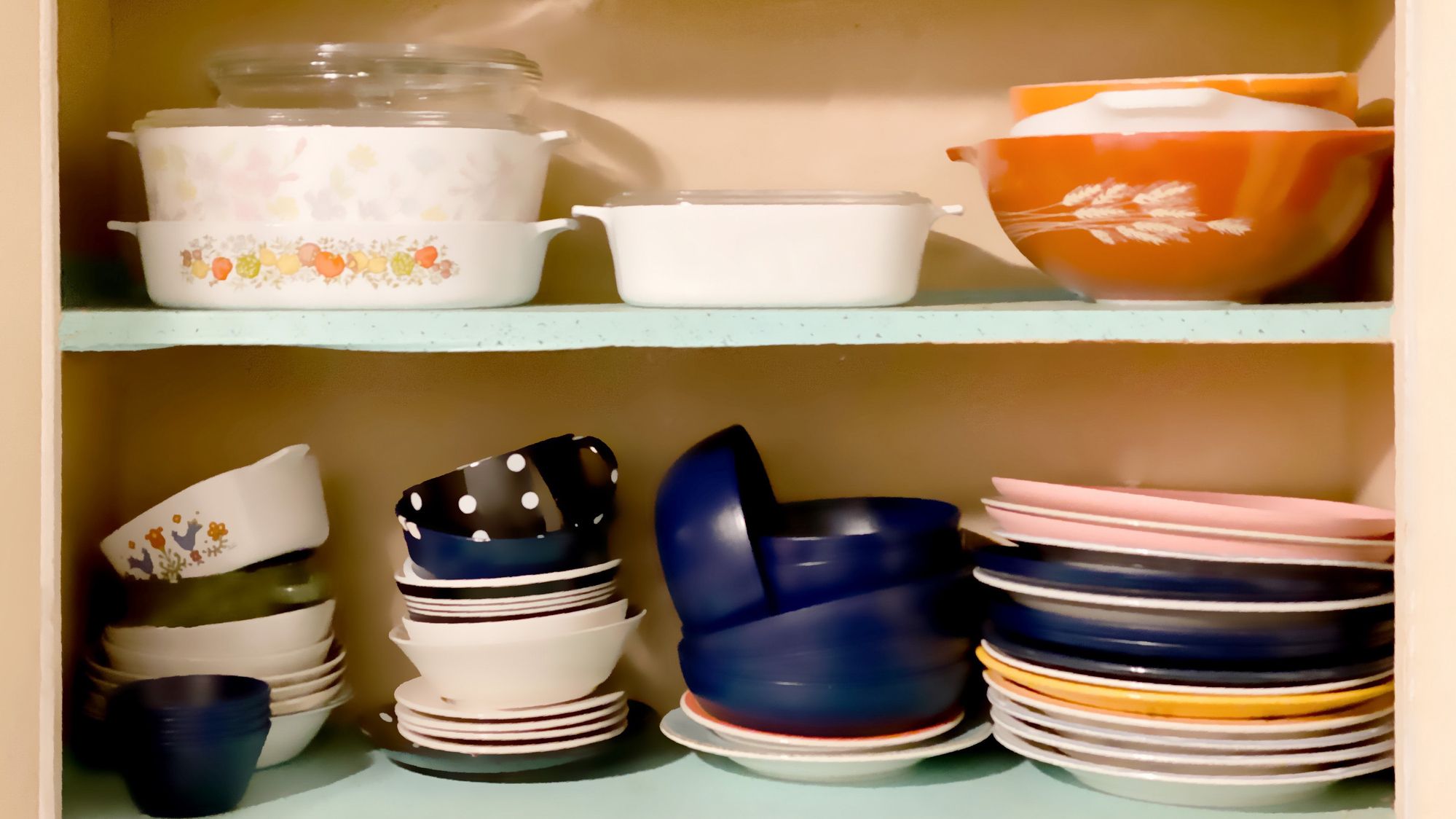
Ask yourself if you are using impulse purchases to fill a void, cope with loneliness, or satisfy a momentary whim. By adopting a mindset where every new acquisition must be weighed against the value of your space and your calm, you can break the cycle of accumulation. Remember: saying "yes" to an object you don’t truly need is, by definition, saying "no" to the peace and simplicity you have worked so hard to create.
Final Reflections: The Freedom of Less
Downsizing is not about deprivation; it is about intentionality. By curating our homes, we are not just cleaning closets—we are clarifying our values. Whether you are preparing for a move, planning for retirement, or simply seeking a lighter way of living, the process of letting go provides a unique opportunity to shed the weight of the past and make room for the present.
As you embark on this journey, remember that your identity is not stored in your attic or your basement. It is found in the memories you share and the life you continue to lead. By taking these steps today, you are giving yourself—and those who will follow you—the greatest gift of all: clarity.