Texas Grid Faces Unprecedented Stress as Triple-Digit Heat Waves Push Demand to Brink
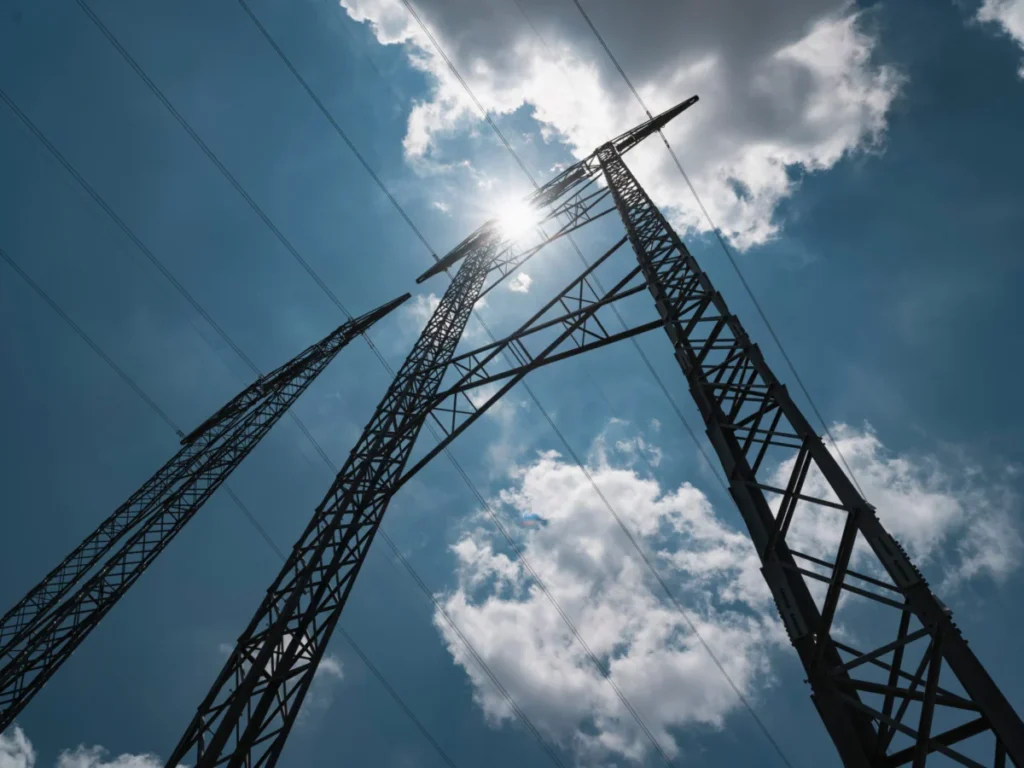
As a relentless dome of high pressure settles over the Lone Star State, Texas is once again grappling with the intersection of extreme climate volatility and energy infrastructure stability. A punishing blast of intense heat across eastern Texas has pushed the state’s power grid to the very edge of its capacity, with officials and residents bracing for a week that could see the Electric Reliability Council of Texas (ERCOT) set a harrowing new all-time power demand record.
Main Facts: The Battle Against the Thermometer
The current heat wave has transformed Texas into a pressure cooker, with millions of residents from the sprawling North Texas metroplex of Dallas to the humid, industrial heart of Houston under strict heat advisories. The meteorological culprit is a combination of blistering ambient temperatures—regularly eclipsing 100°F (38°C)—and a surge in atmospheric moisture fueled by Tropical Storm Bertha.
On Monday, as air conditioning units roared to life across the state, ERCOT’s real-time demand meters began a steady climb. By late afternoon, the system reached a precarious proximity to the all-time peak demand record of 85.508 gigawatts, established in August 2023. While preliminary estimates suggested the threshold might be breached, official meter readings confirmed that the grid narrowly avoided eclipsing the historic high on Monday. However, the respite is expected to be short-lived. ERCOT has issued forecasts projecting even higher peak loads for Tuesday and Wednesday evening, creating a high-stakes scenario for grid operators tasked with balancing supply and demand.
Chronology of the Crisis
The current stress test on the Texas grid did not materialize overnight; it is the culmination of a summer marked by fluctuating climate patterns and rising energy consumption.
- Late Last Week: Meteorologists began tracking a massive heat dome moving across the Gulf Coast, warning of sustained triple-digit temperatures.
- Monday Morning: As the work week commenced, energy demand began a sharp, vertical trajectory. ERCOT reported total available supply at roughly 114 gigawatts, providing a necessary buffer, though the narrowing margin between supply and peak demand remained a focal point for industry observers.
- Monday Afternoon: Demand spiked aggressively, nearing the 85.5-gigawatt threshold. Throughout the afternoon, energy traders and grid managers monitored the system in real-time, waiting to see if the 2023 record would fall.
- Monday Evening: Official reports from ERCOT confirmed that while demand was historic, the grid held steady, narrowly missing a new record.
- Tuesday and Wednesday Outlook: Weather models indicate that the combination of stagnant air and rising humidity from Tropical Storm Bertha will push heat indices as high as 112°F. ERCOT’s current projections suggest that Tuesday and Wednesday evening—the hours when residential cooling demand peaks while solar energy production begins to taper off—will be the most critical window for grid stability.
Supporting Data: The Physics of the Texas Grid
The challenges facing ERCOT are rooted in the complex math of energy distribution. With a population and industrial sector that continues to grow at a rapid clip, the baseline demand for electricity has shifted upward over the last decade.
The Role of Renewables and Thermal Power
Texas occupies a unique position in the U.S. energy landscape. The state has invested heavily in wind and solar capacity, which are vital components of its generation mix. However, solar output naturally diminishes during the crucial late-afternoon and early-evening "ramp" period—exactly when cooling demand reaches its zenith. This requires the grid to rely heavily on dispatchable thermal assets, such as natural gas and coal-fired plants, to fill the gap.
The Impact of Tropical Storm Bertha
The humidity brought on by the tropical system serves as a force multiplier for the heat. When the air is saturated with moisture, the human body’s natural cooling mechanism—sweating—becomes ineffective. This drives residential consumers to set thermostats lower for longer periods, resulting in a sustained "load" rather than a temporary spike. Data from the National Weather Service confirms that these high-humidity environments are driving the heat index to dangerous levels, necessitating greater output from the grid to maintain indoor safety.
Official Responses and Grid Management
ERCOT has maintained a posture of "cautious readiness." A spokesperson for the grid operator emphasized that despite the extreme conditions, the system has sufficient reserves to meet the projected demand. The organization has focused on transparent communication, utilizing its public-facing dashboards to provide real-time updates on supply and demand.
For now, no emergency load-shedding orders have been issued, and the grid remains in normal operating conditions. However, the intensity of the current heat wave has prompted calls for vigilance. Energy experts note that while 114 gigawatts of available capacity provides a comfortable theoretical margin, the reality of managing a grid during a heat wave involves accounting for unexpected thermal plant outages or transmission line degradation due to extreme heat.
Broader Implications: A National Pattern
The strain on the Texas grid is not an isolated phenomenon. Throughout the summer of 2026, energy providers from the Midwest to the Mid-Atlantic have faced similar challenges. These regions have experienced a series of "heat dome" events that have pushed local grids to the brink, often necessitating the issuance of emergency alerts.
Regulatory Tensions
The persistence of these heat-driven energy crises has forced a difficult conversation regarding environmental policy and grid reliability. In recent months, the U.S. Department of Energy has, on several occasions, authorized emergency orders allowing power plant operators to bypass certain environmental limits—such as those regarding air emissions or water usage for cooling—to ensure that the plants could run at maximum capacity. This highlights the difficult balancing act between long-term environmental sustainability and the immediate, life-critical need for reliable electricity during extreme weather events.
Infrastructure and Urban Planning
The Texas experience is also forcing a re-evaluation of urban infrastructure. As temperatures remain elevated well into the night, the "urban heat island" effect prevents buildings from shedding heat, meaning that the power grid is subjected to heavy demand even during hours that were historically cooler. Policymakers are now discussing the necessity of weatherizing the grid against both extreme cold—a lesson learned from the 2021 winter freeze—and the increasingly common extreme heat events of the summer.
Conclusion: Preparing for a "New Normal"
As Texas moves through the peak of this week’s heat wave, the state remains a litmus test for the resilience of modern energy grids. The ability of ERCOT to manage this surge without resorting to emergency measures will be a critical case study for energy planners nationwide. While the 85.5-gigawatt record of 2023 stands for now, the sheer scale of the current demand underscores a fundamental truth: in an era of accelerating climate change, the infrastructure built for the weather of the 20th century is increasingly being asked to perform in the climate of the 21st.
For the residents of Dallas, Houston, and beyond, the coming days represent more than just a struggle against the weather; they represent a collective reliance on a system that is currently being tested by the full force of a warming planet. As the sun sets on these triple-digit days, the focus will remain squarely on the grid operators and their ability to keep the lights—and the air conditioning—on.