Riding the Tide of Resilience: Turning the Maternal Health Crisis into a Wave of Advocacy
Preeclampsia, a life-threatening hypertensive disorder unique to pregnancy and the postpartum period, remains one of the most significant yet misunderstood contributors to maternal and infant morbidity and mortality in the United States. Characterized by high blood pressure and signs of damage to another organ system—most often the liver and kidneys—it typically develops after the 20th week of pregnancy. According to the Preeclampsia Foundation, this condition affects five to eight percent of all U.S. pregnancies, meaning that roughly one in every 10 to 20 expectant mothers will face this dangerous medical hurdle.
Despite its prevalence, public awareness remains alarmingly low. A comprehensive study published by the Journal of the American Heart Association revealed that the incidence of hypertensive disorders in pregnancy, including preeclampsia, doubled in the United States between 2007 and 2019. This surge underscores a public health crisis that is often shrouded in silence, leaving many women to navigate life-altering medical emergencies without adequate warning or community support.
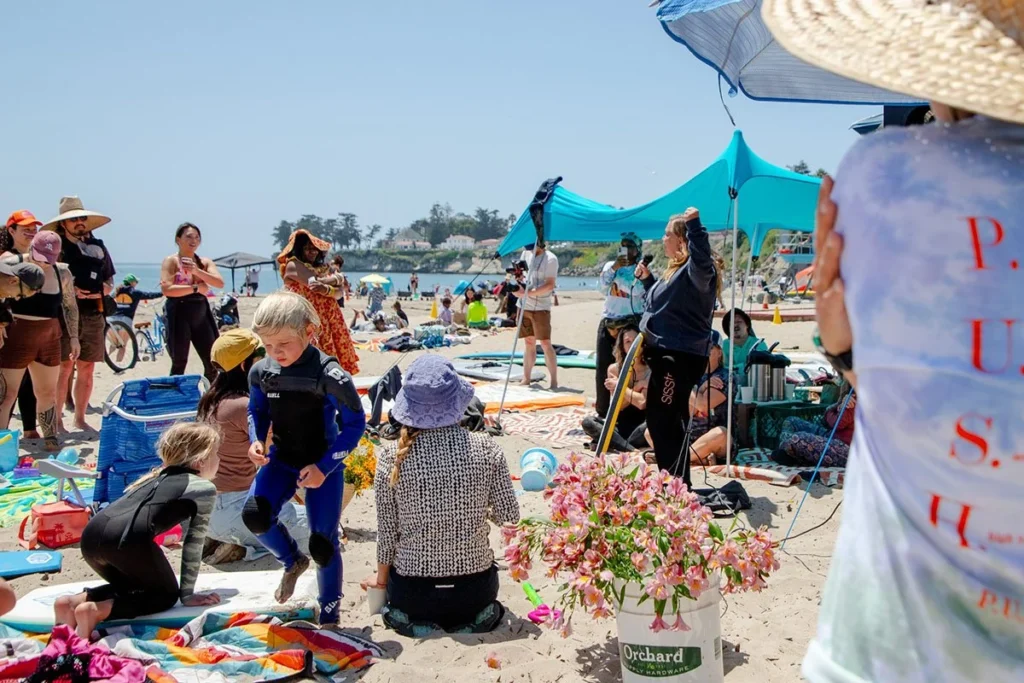
To bridge this gap, Chelsea Woody, a registered nurse, avid surfer, and three-time preeclampsia survivor, has launched a movement that merges clinical advocacy with the healing power of the ocean. Partnering with the Preeclampsia Foundation, Woody recently hosted a "Paddle Out" event at Cowell Beach in Santa Cruz, California. The gathering brought together dozens of survivors, mothers, and advocates to foster a space of connection, healing, and public awareness.
The Anatomy of a Crisis: Understanding Preeclampsia
The medical reality of preeclampsia is daunting. It is a multisystem disorder that does not merely stop at high blood pressure; it represents a systemic vascular response that can lead to seizures (eclampsia), stroke, organ failure, and in severe cases, the loss of both mother and child.
The physiological complexity of the condition is matched only by its unpredictability. While medical professionals often screen for risk factors, the condition can manifest in healthy individuals with no prior history of cardiovascular issues. This lack of a clear, singular cause makes the "wait and see" approach of traditional prenatal care insufficient for many.
The data surrounding these complications is deeply stratified. Black women are disproportionately affected, facing higher rates of both the condition itself and the severity of its presentation. According to data from the Preeclampsia Foundation, Black women face significantly higher risks compared to their White, Latinx, and Asian counterparts. These disparities are not biological accidents but are inextricably linked to the social determinants of health: systemic racism, chronic stress, limited access to quality prenatal care, and historical inequities within the medical establishment.
Chronology of a Survival Story: Chelsea Woody’s Path to Advocacy
For Chelsea Woody, the journey to becoming a vocal advocate was forged in the crucible of personal trauma. As a healthcare professional, Woody possessed a level of health literacy that most patients lack, yet she still found herself fighting for her life.
Woody’s first encounter with the disorder occurred during the height of the COVID-19 pandemic. At a time when healthcare access was strained and isolation was the norm, she experienced a rapid, frightening physical decline. She gained ten pounds in a single week—a classic red flag—and suffered from severe swelling and hypertension. Tragically, the complications resulted in the loss of her first baby.

The nightmare, however, did not end with delivery. Roughly 23 weeks postpartum, she experienced a secondary health crisis: double vision and debilitating headaches. She was facing postpartum preeclampsia, a condition that is frequently overlooked by both patients and providers who assume the risk ends once the baby is born.
"I’m a nurse, and I know how to navigate the healthcare system," Woody told NPQ. "I monitored my own blood pressure and pushed to be admitted. But many women don’t know they are in danger until they are deep in the middle of a crisis."
Following her recovery, Woody took a proactive stance. She utilized her experience to develop the W.E. P.U.S.H. campaign, an acronym-based educational tool designed to help patients recognize symptoms early. The campaign functions much like the B.E. F.A.S.T. stroke protocol:
- P: Persistent severe headache and/or right upper stomach pain.
- U: Unusual rapid swelling of the eyes, face, or hands, or sudden weight gain (more than five pounds in a week).
- S: Sight changes, such as seeing spots, blurred vision, or double vision.
- H: High blood pressure (systolic reading consistently over 140 or diastolic over 90).
Supporting Data: The Rising Tide of Risk
The Journal of the American Heart Association study highlights a sobering reality: the doubling of hypertensive pregnancy disorders is a trend that shows no signs of slowing. This is partly attributed to the fact that people are becoming pregnant at older ages, have higher rates of pre-existing chronic conditions like diabetes and hypertension, and are navigating a healthcare system that is often ill-equipped to handle the nuance of postpartum care.
The implications are long-term. Even for those who recover, the experience of preeclampsia is a "stress test" for the body. Research indicates that survivors are at a significantly elevated risk for heart disease, stroke, and chronic kidney disease later in life.
Jody Wilfong, founder of Surf Therapy Santa Cruz, mirrors this experience of long-term impact. After experiencing preeclampsia through three consecutive pregnancies, her journey was marked by life-threatening blood pressure spikes—reaching 220/110—and long periods of medically mandated bed rest. "Before this event, I had never met another surfer who had gone through preeclampsia," Wilfong noted. "Connecting with a community that understands that trauma is a form of healing in itself."
Official Responses and Clinical Initiatives
The medical community is beginning to acknowledge the need for a shift in how these conditions are managed. Dr. Sara Johnson, an OB/GYN and fellow preeclampsia survivor, is currently collaborating with the March of Dimes on the "Low Dose, Big Benefits" initiative. The program advocates for the prophylactic use of low-dose aspirin for individuals identified as having risk factors for preeclampsia.
"Medical professionals often default to a fear-based, crisis-driven narrative," Dr. Johnson explained. "While the clinical protocols are essential, we must also address the psychological toll. We need to normalize conversations about the ‘scary’ parts of pregnancy while providing spaces for joy and connection."

The initiative seeks to standardize the administration of low-dose aspirin, which clinical trials have proven can significantly reduce the risk of early-onset preeclampsia. By integrating evidence-based medicine with grassroots advocacy, experts hope to transform the standard of care from reactive to preventative.
Implications: A New Model of Maternal Wellness
The Paddle Out event in Santa Cruz represented more than just a commemorative gathering; it signaled a shift in how we approach maternal health advocacy. By moving the conversation out of the sterile environment of the hospital and into the natural, healing space of the ocean, advocates are reclaiming agency over their stories.
The symbolic act of releasing pink flowers into the water allowed participants to honor their experiences—both the joy of children and the grief of loss. It served as a poignant reminder that while the medical system focuses on the physiological data, the human experience requires emotional integration and community support.
Looking ahead, the implications for maternal health policy are clear. We need:
- Extended Postpartum Care: Recognizing that preeclampsia risk persists well beyond the traditional six-week checkup.
- Universal Education: Standardizing the use of tools like the P.U.S.H. acronym in prenatal education.
- Holistic Support Systems: Integrating mental health resources and community-led support groups (like those fostered through surf therapy) into standard maternity care.
Chelsea Woody’s current project, a film titled High Risk Dreams, aims to continue this momentum. She envisions a future where "high-risk" does not mean "high-isolation." By documenting her own journey, she hopes to show that even within the shadow of a complicated pregnancy, there is space for movement, joy, and collective survival.
"I wanted to show that a complicated pregnancy doesn’t need to be sedentary," Woody concluded. "We need to connect not only the birthers but the birth workers, the families, and the friends. When we speak openly about the warning signs, we move from being victims of a systemic failure to being active participants in our own health outcomes."
As the sun sets on the Santa Cruz shoreline, the ripples of this movement continue to spread. For thousands of women across the country, the message is clear: when the waters of pregnancy become turbulent, awareness is the only anchor that can truly hold them steady.