Reclaiming the Soul of the Nation: The Rise of the Silver Resistance
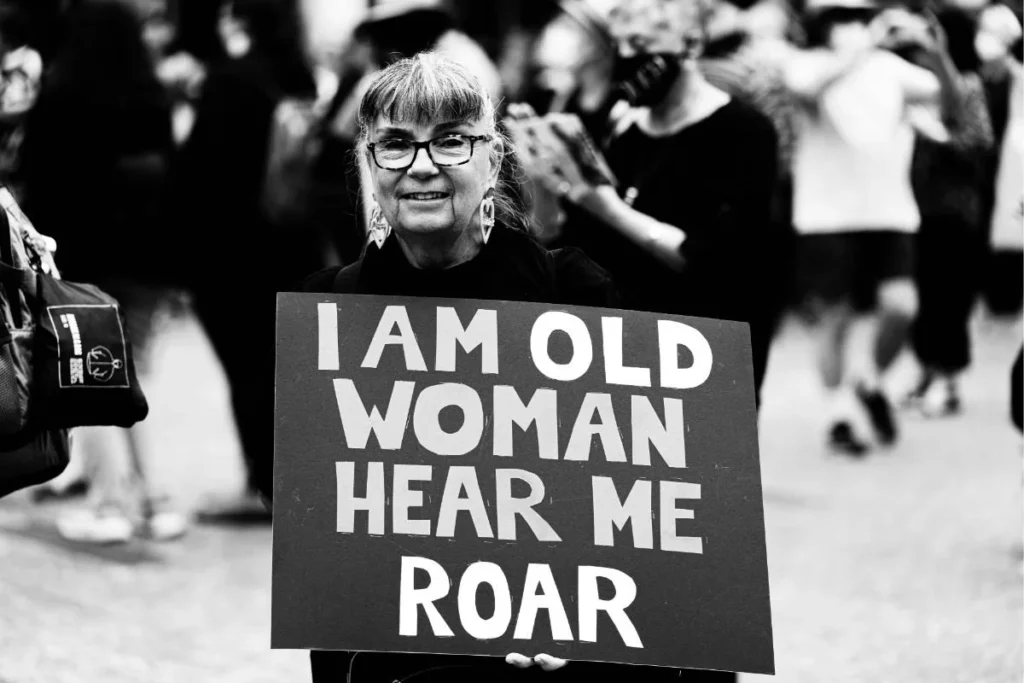
In the wake of a tumultuous political era defined by deepening social fissures and the erosion of institutional compassion, a profound transformation is taking place across the United States. As the nation grapples with the fallout of the Trump administration’s second term—marked by aggressive deregulation, the targeting of immigrant communities, and a rhetorical war on the very concept of empathy—a grassroots movement has emerged, anchored by an unlikely demographic: the nation’s older adults.
What began as a flicker of defiance has matured into a nationwide infrastructure of solidarity. From the corridors of the U.S. Senate to the picket lines outside immigration detention centers, citizens are pushing back against what many perceive as a systematic dismantling of American values. At the heart of this resistance is a singular, driving imperative: to make America kind again.
The Erosion of Empathy and the Rise of "Good Trouble"
The past decade has been a period of profound disillusionment for many Americans. The 2025 inauguration of Donald Trump for a second term, coupled with a legislative trifecta that empowered a shift toward extreme deregulation and the empowerment of private-sector influence—most notably the Department of Government Efficiency (DOGE)—created a climate of economic anxiety and social isolation.
The rhetoric emanating from the administration and its allies often framed compassion as a "fundamental weakness," a perspective that found its most aggressive expression in the targeting of marginalized groups. Latinx, Somali, and Venezuelan populations, among others, faced unprecedented vilification, culminating in the expansion of internment-style detention centers and a series of high-profile, aggressive deportations.
Against this backdrop of national malaise, the political discourse reached a breaking point. On March 31, 2025, Senator Cory Booker of New Jersey took to the Senate floor to deliver a 25-hour, five-minute marathon oration. Speaking without notes, breaks, or sustenance, Booker framed the national crisis not as a mere policy dispute, but as a "poverty of empathy." The speech, which garnered over 350 million views on TikTok, served as a catalyst for a new wave of civic engagement, echoing the late John Lewis’s call for citizens to engage in "good trouble."
A Chronology of Resistance: From Words to Action
The transition from collective concern to active resistance was marked by several distinct phases:
- Spring 2025: The "poverty of empathy" discourse gains national traction. Senator Booker’s marathon speech mobilizes a younger generation of digital activists, while simultaneously providing a moral vocabulary for older generations.
- June 14, 2025: The inaugural "No Kings!" protest—also known as the "No Dictators" or "No Tyrants" movement—launches in major cities across the U.S. This marks the beginning of a persistent, organized protest cycle.
- Late 2025: Protests evolve from singular events into a sustained, decentralized network of daily and weekly actions. These include bridge brigades, detention center vigils, and the creation of private welfare systems to support vulnerable neighbors.
- 2026: The movement solidifies. Despite the tragic loss of protesters like Renee Good and Alex Pretti, the momentum continues to grow, with an increasing presence of older citizens, retirees, and veterans of previous civil rights struggles.
The Silver Vanguard: Why Older Adults are Leading the Way
Perhaps the most striking feature of the current resistance is the sheer number of older adults participating. At protests from Massachusetts to California, the demographic shift is undeniable. Social psychologists from Berkeley and Stanford suggest that this is no accident. As individuals age, they often undergo a shift in psychological orientation, moving away from self-centered, future-oriented goals toward social and emotionally meaningful contributions—a phenomenon Erik Erikson termed "generativity."
For many of these protesters, this is not their first fight. They are veterans of the Vietnam-era peace movements, the civil rights marches of the 1960s, and the feminist movements of the late 20th century. As one 77-year-old retired educator noted, the lessons learned from decades of activism are now being applied to contemporary issues, including the humanitarian crisis in Gaza and the protection of immigrants in the U.S.
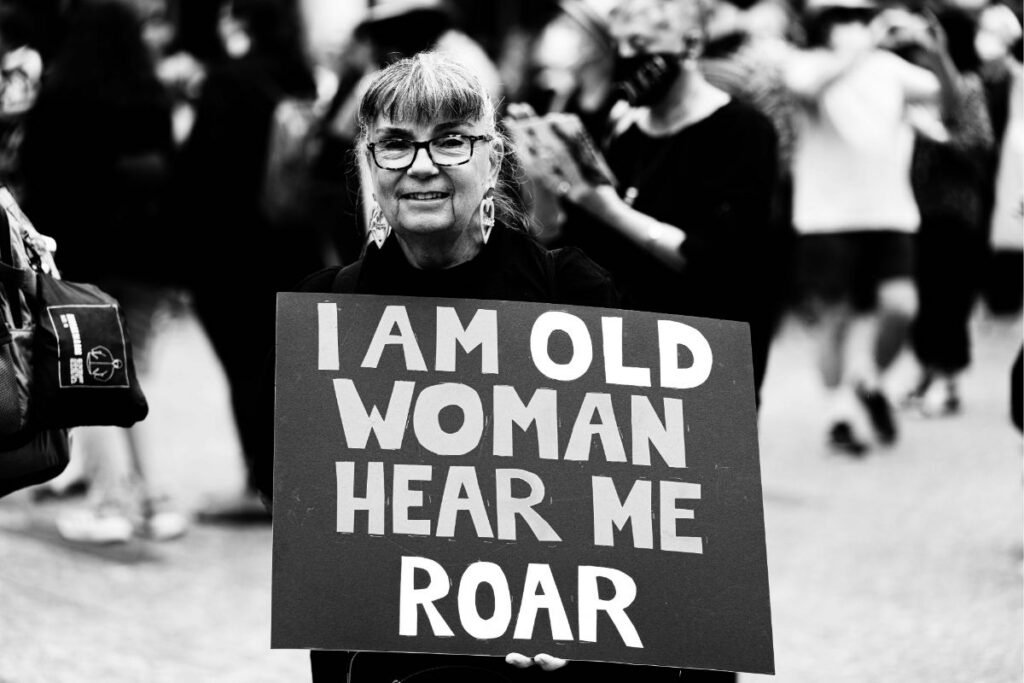
This activism serves a dual purpose. It provides a vital service to the community—delivering food to families afraid to leave their homes, paying bills for those in financial distress, and providing physical presence at detention centers—while also combating the pervasive ageism that often renders seniors invisible in modern political discourse.
Supporting Data and the Psychology of Compassion
The effectiveness of this movement is rooted in the "prosocial behavior" exhibited by older generations. Research published in the Journal of Women & Aging suggests that feminist activism and public political engagement positively influence the mental health and sense of purpose of older women.
Furthermore, the scale of the "No Kings!" movement is backed by substantial digital engagement. With hundreds of millions of interactions on social platforms, the movement has successfully bridged the gap between traditional physical protest and modern digital mobilization. This hybrid approach has allowed for a level of coordination that has surprised critics who initially dismissed the dissent as fleeting.
The economic impact of the administration’s policies has also served to radicalize a demographic that might otherwise have remained politically quiescent. The slashing of government programs has directly impacted millions, forcing seniors to realize that the safety nets they once relied upon—and which they believe are a fundamental right—are being dismantled in favor of corporate interests.
Implications for the Future: Restoring the Social Contract
The ongoing protests have clear implications for the 2026 and 2028 election cycles. The "resistance" has moved beyond simple opposition; it is now building a parallel infrastructure of care. This "private welfare system" acts as a stopgap, providing for those whom the state has abandoned.
However, organizers are clear: private charity is not a substitute for governance. The ultimate goal remains the restoration of state-sponsored compassion. There is a renewed focus on policies that protect the most vulnerable:
- Healthcare Reform: Demands for mandatory staffing minimums in nursing facilities to combat the exploitation of seniors by private equity firms.
- Humanitarian Justice: A push for the restoration of due process for immigrants and the end of arbitrary, inhumane detention practices.
- Economic Equity: A call for the restoration of programs like Meals on Wheels and expanded homecare services that prevent the institutionalization of the elderly.
A Legacy of Resistance
As the movement continues to evolve, it carries with it a powerful message about the nature of democracy. The "Silver Resistance" is proving that solidarity is not a trait of the young alone; it is a manifestation of a long-held belief in the American promise.
By standing on bridges, reading the Bill of Rights into microphones outside detention centers, and organizing postcard campaigns, these veterans of the political process are teaching a new generation that resistance is a lifelong commitment. Whether or not this movement succeeds in altering the trajectory of the nation in the short term, it has fundamentally changed the landscape of the current political moment.
They are not merely protesting the policies of a specific administration; they are fighting for the soul of the country. They are, in their own words, attempting to "Make America Kind Again"—not by returning to a mythical past, but by forging a future where the government reflects the inherent dignity and empathy of its people. As one 85-year-old activist noted while standing before a detention center, "This is what a good old age looks like: standing up when others are forced to sit down."
The movement persists, and in doing so, it serves as a testament to the resilience of the American spirit and the enduring power of collective action. The path forward remains difficult, but the presence of so many dedicated, experienced, and compassionate voices ensures that the conversation about the nation’s direction is far from over.