Navigating Your Retirement Finances: The Complete 2027 Social Security Payment Schedule and Strategic Planning Guide
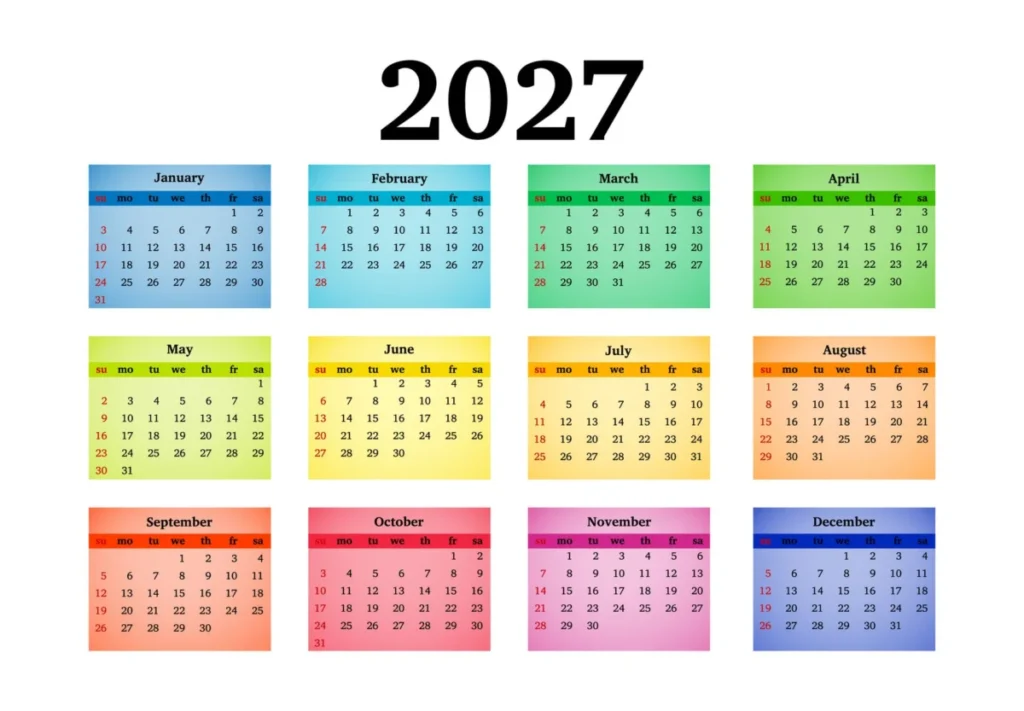
For millions of Americans navigating retirement, disability, or survivor benefits, understanding the precise timing of monthly cash flows is paramount. While the Social Security Administration (SSA) operates on a predictable, cyclical calendar, weekends, federal holidays, and specific birthdate tiers can subtly shift when funds land in your bank account.
Mastering this schedule is not just a matter of convenience; it is a vital component of household budgeting, managing fixed-income expenses, and avoiding costly overdrafts or delayed bill payments. Below is a comprehensive breakdown of the official 2027 Social Security payment schedule, essential rules regarding exceptions, and broader financial strategies to help you maximize your retirement security.
Main Facts: The Anatomy of Social Security Payouts
To plan effectively, beneficiaries must understand how the SSA categorizes and distributes payments. The exact distribution date of your monthly check or direct deposit is determined by two primary factors: your date of birth and the type of benefit you receive (along with the historical date you began receiving benefits).
The Rolling Wednesday Distribution Model
For the vast majority of retirement, survivor, and disability beneficiaries who began collecting benefits after May 1997, payments are distributed on a rolling Wednesday schedule. Rather than sending all payments out on the first of the month, the SSA staggers disbursements across the second, third, and fourth Wednesdays of each month, determined by your birth date:
- Birthdays falling between the 1st and 10th of the month: Paid on the second Wednesday of the month.
- Birthdays falling between the 11th and 20th of the month: Paid on the third Wednesday of the month.
- Birthdays falling between the 21st and 31st of the month: Paid on the fourth Wednesday of the month.
The Weekend and Holiday Rule
The golden rule of the SSA calendar is that if a scheduled payment date falls on a weekend or a federal holiday, the payment is advanced to the preceding business day. This ensures that beneficiaries are never left waiting through a bank holiday to access their essential funds.
Chronology: The 2027 Post-1997 Retiree Payment Schedule
If you fall into the post-May 1997 retirement, survivor, or disability category, use the following verified calendar to pinpoint your exact 2027 paydays. Match your birthdate range to the corresponding Wednesday of each month.
| Month | 1st – 10th | 11th – 20th | 21st – 31st |
|---|---|---|---|
| January 2027 | Wednesday, Jan. 13 | Wednesday, Jan. 20 | Wednesday, Jan. 27 |
| February 2027 | Wednesday, Feb. 10 | Wednesday, Feb. 17 | Wednesday, Feb. 24 |
| March 2027 | Wednesday, Mar. 10 | Wednesday, Mar. 17 | Wednesday, Mar. 24 |
| April 2027 | Wednesday, Apr. 14 | Wednesday, Apr. 21 | Wednesday, Apr. 28 |
| May 2027 | Wednesday, May 12 | Wednesday, May 19 | Wednesday, May 26 |
| June 2027 | Wednesday, Jun. 9 | Wednesday, Jun. 16 | Wednesday, Jun. 23 |
| July 2027 | Wednesday, Jul. 14 | Wednesday, Jul. 21 | Wednesday, Jul. 28 |
| August 2027 | Wednesday, Aug. 11 | Wednesday, Aug. 18 | Wednesday, Aug. 25 |
| September 2027 | Wednesday, Sep. 8 | Wednesday, Sep. 15 | Wednesday, Sep. 22 |
| October 2027 | Wednesday, Oct. 13 | Wednesday, Oct. 20 | Wednesday, Oct. 27 |
| November 2027 | Wednesday, Nov. 10 | Wednesday, Nov. 17 | Wednesday, Nov. 24 |
| December 2027 | Wednesday, Dec. 8 | Wednesday, Dec. 15 | Wednesday, Dec. 22 |
Supporting Data: Supplemental Security Income (SSI) and Legacy Beneficiaries
Not every beneficiary follows the standard Wednesday rolling schedule. Supplemental Security Income (SSI) recipients, dual beneficiaries, and individuals who began receiving benefits prior to May 1997 operate under a different set of timeline guidelines.
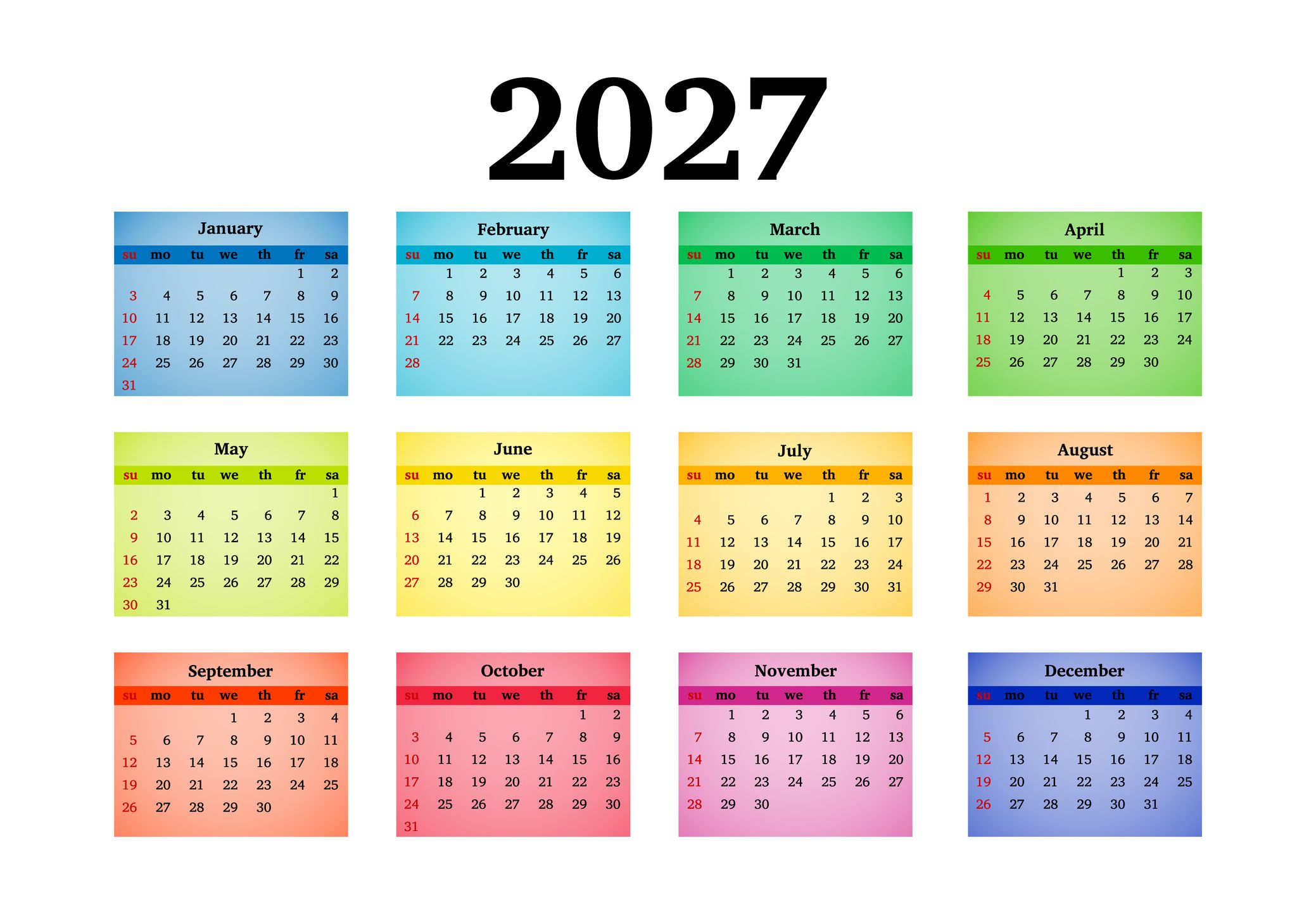
SSI and Pre-1997 Rules
- Supplemental Security Income (SSI): SSI payments are traditionally distributed on the first of the month. However, if the first falls on a weekend or a federal holiday, the payment shifts to the final business day of the prior month.
- Combined SSI and Social Security: Beneficiaries who receive both SSI and standard Social Security benefits typically receive their standard Social Security payment on the third of the month.
- Pre-May 1997 Claimants: Anyone who began receiving Social Security benefits before May 1997 also receives their funds on the third of the month, regardless of their birthdate.
Complete Non-Wednesday 2027 Schedule
Because of calendar quirks, certain months will feature double payments or early distributions for SSI-only and legacy recipients. Here is how those dates shake out for 2027:
| Month | If you receive SSI only | If you receive SSI and SS | Started SS before May 1997 |
|---|---|---|---|
| January 2027 | Thursday, Dec. 31, 2026 (Early) | Thursday, Dec. 31, 2026 (Early) | Thursday, Dec. 31, 2026 (Early) |
| February 2027 | Monday, Feb. 1 | Wednesday, Feb. 3 | Wednesday, Feb. 3 |
| March 2027 | Monday, Mar. 1 | Wednesday, Mar. 3 | Wednesday, Mar. 3 |
| April 2027 | Thursday, Apr. 1 | Friday, Apr. 2 | Friday, Apr. 2 |
| May 2027 | Friday, Apr. 30 (Early) | Monday, May 3 | Monday, May 3 |
| June 2027 | Tuesday, Jun. 1 | Thursday, Jun. 3 | Thursday, Jun. 3 |
| July 2027 | Thursday, Jul. 1 | Friday, Jul. 2 | Friday, Jul. 2 |
| August 2027 | Friday, Jul. 30 (Early) | Tuesday, Aug. 3 | Tuesday, Aug. 3 |
| September 2027 | Wednesday, Sep. 1 | Friday, Sep. 3 | Friday, Sep. 3 |
| October 2027 | Friday, Oct. 1 | Friday, Oct. 1 | Friday, Oct. 1 |
| November 2027 | Monday, Nov. 1 | Wednesday, Nov. 3 | Wednesday, Nov. 3 |
| December 2027 | Wednesday, Dec. 1 | Friday, Dec. 3 | Friday, Dec. 3 |
| January 2028 | Thursday, Dec. 30, 2027 (Early) | Pending SSA Schedule | Pending SSA Schedule |
Note: When an SSI payment arrives early at the end of a preceding month (such as April 30 for the May benefit), recipients must budget carefully, as it creates a longer gap before the subsequent disbursement.
Official Responses and Baseline Figures: What Are Retirees Actually Receiving?
To put these payment schedules into perspective, it helps to examine current baseline averages across the country. According to the Social Security Administration’s Monthly Snapshot, the average monthly Social Security check for retired workers stood at $2,087.52.
However, averages vary widely depending on a retiree’s lifetime earnings history, the age at which they chose to claim benefits, and geographic location. Claiming benefits early at age 62 permanently reduces monthly payouts, while delaying claims up to age 70 maximizes delayed retirement credits. Financial experts frequently advise evaluating these averages by age and state to benchmark your personal preparedness against national trends.
Implications: Strategic Financial Planning and Tools for Retirees
Living on a fixed income requires absolute precision in cash flow management. Unexpected gaps—such as receiving two SSI checks in one calendar month and none in the next due to weekend shifts—can disrupt automated bill-pay cycles if households are unprepared.
Modernizing Your Account Management
The Social Security Administration strongly encourages all beneficiaries to establish an online "my Social Security" account via the official ssa.gov portal. Moving your account management online unlocks several critical capabilities:
- Direct Deposit Security: Mitigate the risk of mail theft, lost checks, or delayed postal delivery by immediately updating or verifying your direct deposit routing information online.
- Tax Document Access: Instantly retrieve your Social Security 1099 form (SSA-1099) during tax season without waiting for paper copies to arrive in the mail.
- COLA Trackers: Stay instantly informed regarding annual Cost-of-Living Adjustments (COLA) and how they will alter your net monthly disbursement.
- Digital Notices: If you travel frequently or maintain multiple residences, you can opt out of receiving physical mail notices in favor of secure electronic alerts.
Budgeting for the Long Term
As you map out your financial calendar for 2027, take time to cross-reference the dates listed above with your mortgage, rent, utility, and loan due dates. If a holiday shifts your payment forward or backward, contact your service providers to adjust automatic withdrawal dates. By synchronizing your income inflows with your fixed liabilities, you can eliminate cash crunches, reduce financial anxiety, and enjoy a more secure and predictable retirement.