Navigating the Volatile Horizon: Animal Spirits Podcast Unpacks Market Resilience, AI’s Productivity Puzzle, and Crypto’s Enduring Winter
New York, NY – June 10, 2026 – In a rapidly evolving financial landscape marked by persistent geopolitical tensions and economic uncertainty, the latest episode of the "Animal Spirits" podcast, hosted by acclaimed financial writer Ben Carlson, delves into critical themes shaping investment strategies. Released today, June 10, 2026, the episode, proudly sponsored by Nuveen and ClearBridge, offered listeners a comprehensive analysis of market resilience, the perplexing productivity impact of artificial intelligence, the prolonged "crypto winter," and the strategic moves of institutional players in the digital asset space.
The podcast illuminated how, in an environment where market volatility is increasingly the norm, assets backed by predictable cash flows are emerging as a cornerstone for stability. ClearBridge, a global investment manager, underscored this sentiment in their sponsorship message, emphasizing the critical role such investments play in providing more predictable returns when broader market sentiment remains shaky. The episode serves as a vital resource for investors grappling with complex decisions amidst a tapestry of economic signals and technological shifts.
Main Facts: A Glimpse into the Financial Zeitgeist of 2026
Ben Carlson’s "Animal Spirits" podcast, a respected voice in financial commentary, has once again captured the pulse of the market with its latest installment. The June 10, 2026, episode tackled a diverse yet interconnected set of topics, reflecting the multifaceted challenges and opportunities facing investors. At its core, the discussion revolved around several key observations:
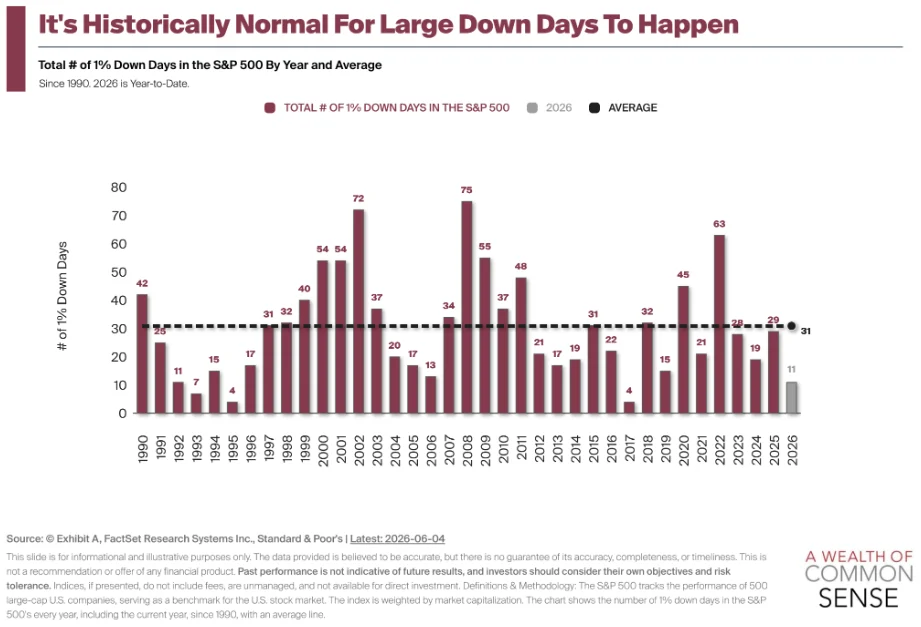
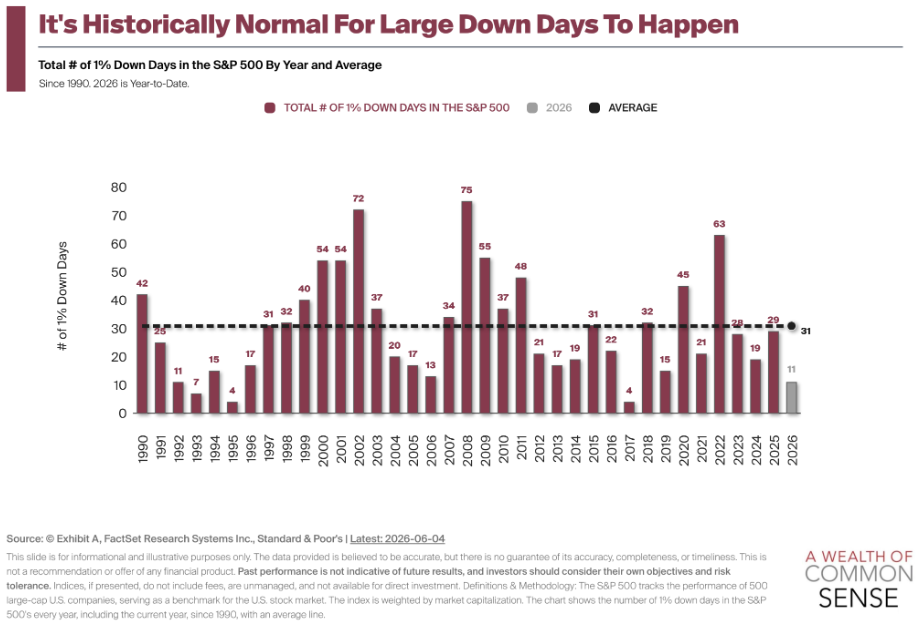
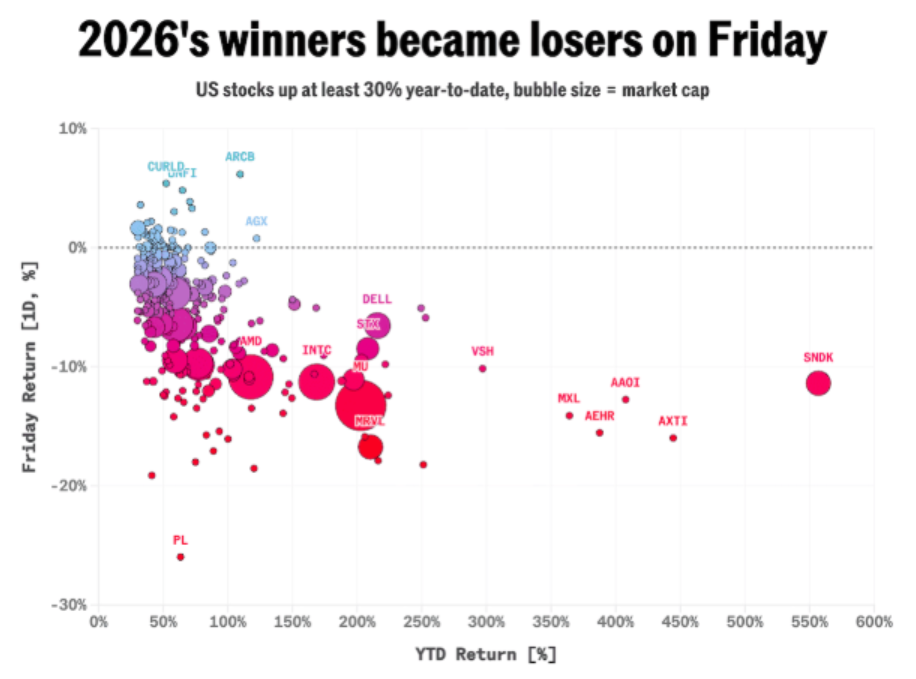
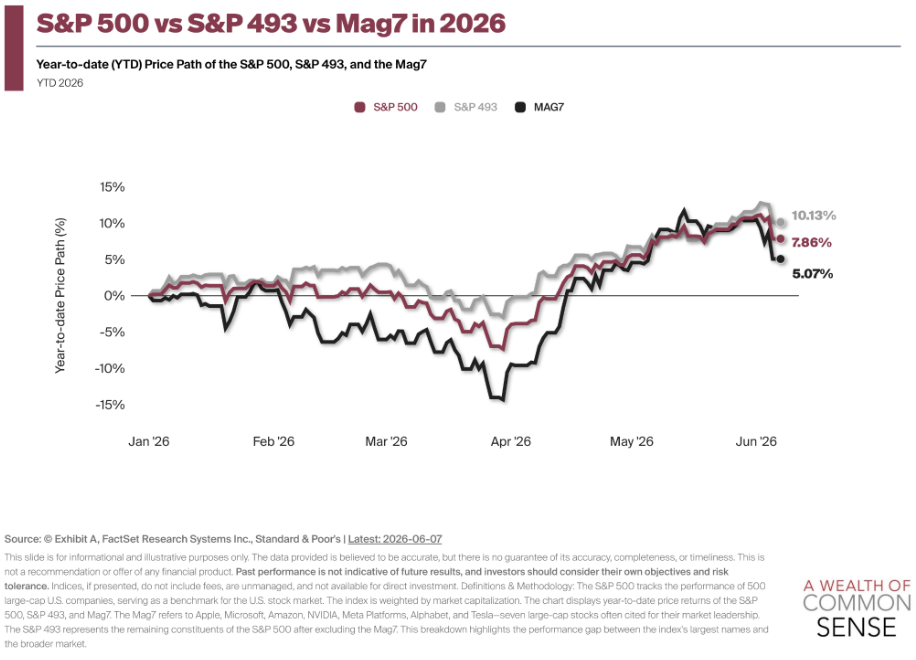
Firstly, the remarkable resilience of the equity markets, particularly the S&P 500, has continued to reward a "buy the dip" strategy, suggesting an underlying bullish sentiment that withstands short-term corrections. This phenomenon, highlighted by recent market data, indicates a robust demand for equities despite broader uncertainties.

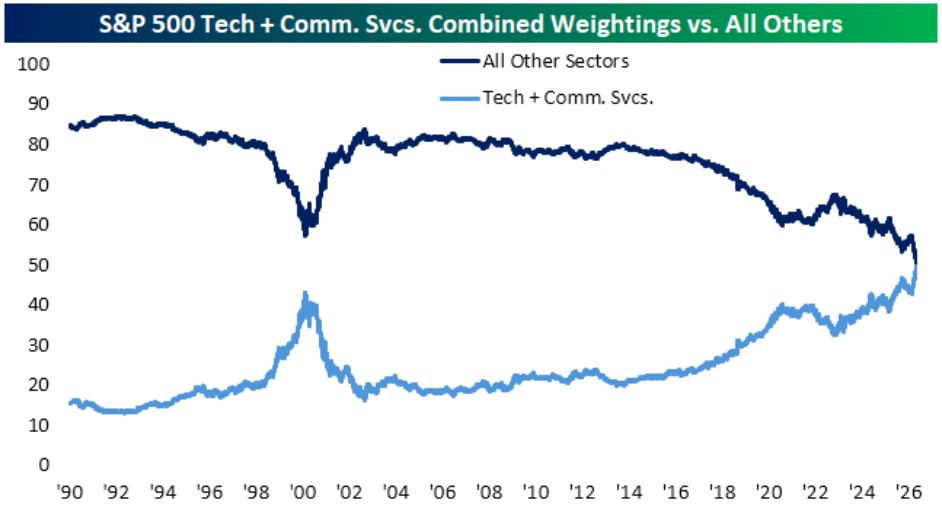
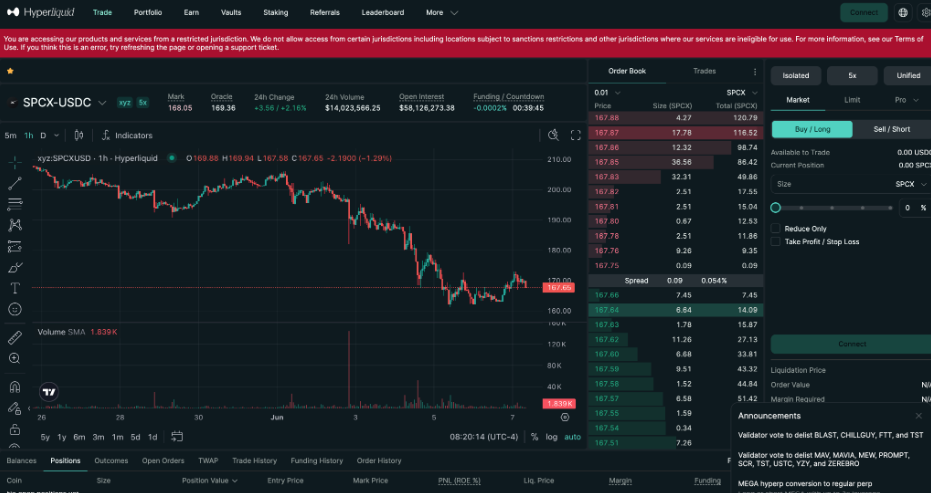
Secondly, the podcast addressed the intriguing delay in SpaceX’s inclusion into the S&P 500 index. This decision, contrasting sharply with the expedited entry of other major companies into various indices, raises questions about index methodology, passive investing dynamics, and the potential for significant return dispersion among different investment vehicles.
Thirdly, the episode explored the paradox of artificial intelligence. While generative AI tools like ChatGPT have permeated knowledge work, there’s a noticeable absence of a corresponding surge in economy-wide real sales per worker. This observation challenges conventional wisdom about technological innovation and productivity, prompting a re-evaluation of how we measure economic impact.
Fourthly, the "crypto winter" continues its protracted grip on the digital asset market. Experts on the show detailed an expanded list of reasons for this enduring downturn, pointing to a severe and challenging period for cryptocurrency investors and the broader blockchain ecosystem.
Finally, in stark contrast to the prevailing crypto sentiment, the podcast highlighted MicroStrategy’s continued aggressive accumulation of Bitcoin. This strategic move by a prominent corporate entity underscores a long-term conviction in Bitcoin’s value, even as the wider crypto market struggles.
These disparate but crucial themes, framed by the overarching backdrop of geopolitical instability and the search for reliable returns, provided the "Animal Spirits" audience with a timely and insightful dialogue designed to inform and guide their investment perspectives.
Chronology: Unpacking the Week’s Financial Narrative
The "Animal Spirits" episode, released on Wednesday, June 10, 2026, synthesized a week’s worth of market movements, expert observations, and strategic corporate decisions. The discussions traced a chronological path, building a narrative from the latest market reactions to broader, enduring trends.
The week’s financial discourse was significantly shaped by a series of prominent social media insights, which the podcast adeptly integrated into its analysis. On Monday, June 8, Michael Saylor, a vocal advocate for Bitcoin and CEO of MicroStrategy, announced his company’s latest significant acquisition of 1,550 BTC for $101 million. This move, which increased MicroStrategy’s total Bitcoin reserve to an impressive 845,256 BTC, alongside a $100 million increase in their USD reserve, immediately sparked debate across financial communities. It presented a clear counter-narrative to the prevailing "crypto winter" sentiment, suggesting a deep-seated institutional belief in Bitcoin’s long-term potential despite short-term volatility.
Earlier in the week, on Sunday, June 7, multiple market observers contributed to the discussion. Bluekurtic Market Insights provided compelling data regarding the S&P 500’s performance following significant downturns. Their analysis revealed that in 13 instances of a 2% down day since the current bull market began, the S&P 500 (represented by SPY) was higher 11 times just four days later, with a median gain of 1.2%. This highlighted a persistent "buy the dip" trend, indicating investor confidence and rapid market recovery mechanisms. Concurrently, Bob Elliott of Unlimited discussed the enigmatic relationship between AI and productivity. He noted the "many signs of a surge in knowledge work output post chat GPT," yet observed "no signs of any meaningful increase in the real sales per worker at the economy wide level." This critical observation, coming three days before the podcast’s release, set the stage for a deeper dive into AI’s actual economic impact versus its perceived influence.
Looking back further to Thursday, June 4, Eric Balchunas, a prominent ETF analyst, brought attention to the S&P 500’s surprising decision regarding SpaceX. He revealed that the index would "NOT fast track SpaceX," anticipating it would take "AT LEAST a year, probably more" for its inclusion. This starkly contrasted with other major indices that typically integrate new companies within 5-15 days. Balchunas warned that this could create "significant return dispersion" between passive and active investment strategies, an implication that resonated deeply with the podcast’s focus on market mechanics.
Finally, at the beginning of the week, on Tuesday, June 2, Joe Weisenthal, a well-known financial commentator, had published an expanded list of "12 REASONS WHY IT’S THE COLDEST CRYPTO WINTER EVER." This comprehensive overview, building on a previous list of 10 reasons, provided a stark assessment of the prolonged downturn in the cryptocurrency market. Weisenthal’s analysis offered a critical framework for understanding the challenges faced by digital assets, which the "Animal Spirits" hosts then juxtaposed with MicroStrategy’s bullish stance.
Throughout these discussions, the underlying theme of navigating market uncertainty, exacerbated by rising geopolitical tensions, was implicitly or explicitly present. ClearBridge’s message, emphasizing the value of stocks backed by predictable cash flows, served as a consistent reminder of prudent investment principles in such an environment. The podcast masterfully wove these disparate threads into a coherent narrative, offering listeners a timely and relevant perspective on the contemporary financial landscape.
Supporting Data: Unpacking the Market’s Nuances
The "Animal Spirits" podcast leveraged a range of insights and implied data points to enrich its discussions, painting a detailed picture of the current financial climate. While specific charts from the episode were not detailed in the original prompt, the themes derived from the embedded tweets strongly suggest the types of data that would have underpinned the conversation.
The "Buy the Dip" Phenomenon and Market Resilience
The discussion on market resilience was undoubtedly supported by visual data illustrating the S&P 500’s performance. Charts would likely have depicted instances of significant intraday or daily drops in the S&P 500, followed by rapid recoveries. Bluekurtic Market Insights’ data, showing 11 out of 13 2% down days leading to gains within four days, is a powerful statistical indicator. This trend suggests a strong underlying bullish sentiment, where investors view market pullbacks as opportunities rather than harbingers of deeper corrections. Potential reasons for this resilience, which the podcast would explore, include robust corporate earnings, continued liquidity in the system, and perhaps a lack of compelling alternative investment opportunities, driving capital back into equities. The charts would also highlight the overall trajectory of the bull market, placing these short-term dips in a broader context of sustained growth.
Index Inclusion Rules and the SpaceX Anomaly
The controversy surrounding SpaceX’s S&P 500 inclusion would have been elucidated with charts comparing the typical timelines for new company entries into various major indices versus the anticipated delay for Elon Musk’s aerospace giant. Data would visually demonstrate how quickly companies like Tesla or Amazon (in their early days) were integrated into benchmarks, contrasting sharply with the "at least a year" projection for SpaceX. This divergence could be shown through comparative timelines or by illustrating the market capitalization and sector representation of companies typically added. The implications for passive index funds, which are bound by these rules, would be significant, potentially showing a performance gap between funds tracking the S&P 500 and those with broader market exposure or active management that could invest in SpaceX.
AI, Productivity, and the Economic Riddle
The podcast’s deep dive into AI’s impact would have featured charts on productivity metrics. These might include historical trends of GDP per worker or sales per employee across various sectors, juxtaposed with the rapid adoption rates of AI technologies like ChatGPT. The "no meaningful increase in real sales per worker" observation from Bob Elliott suggests a disconnect, which could be visually represented by flatlining productivity growth curves despite upward trends in technology adoption indices or AI investment. The charts might also differentiate between "activity" (e.g., lines of code generated by AI, AI-assisted content creation) and "output" (measurable economic value). This data would provoke questions about the lag effect of technology, the challenges of measuring productivity in knowledge-based economies, or whether AI is primarily automating existing tasks rather than creating entirely new economic value at a macro scale.
The Enduring Crypto Winter: A Cold Hard Look
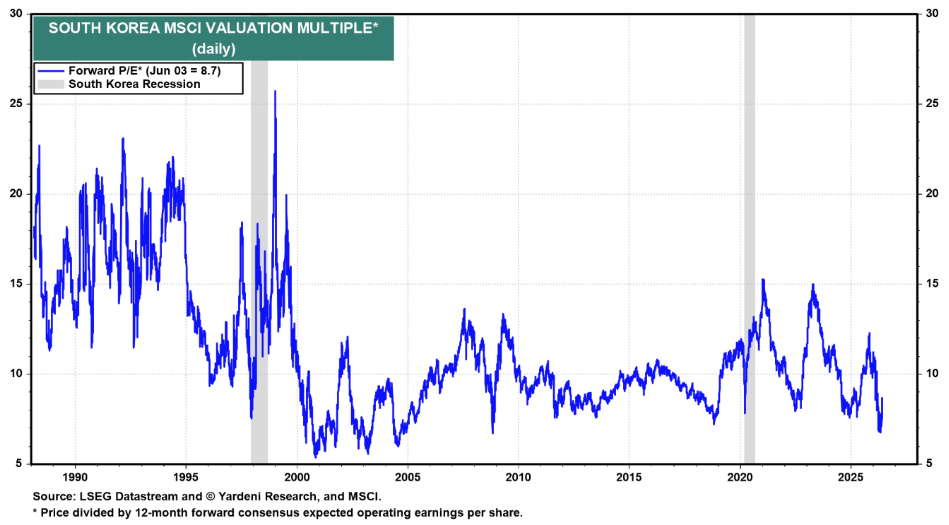
The "12 Reasons Why It’s the Coldest Crypto Winter Ever" would be supported by a plethora of charts detailing the cryptocurrency market’s prolonged downturn. These visuals would include:
- Total Market Capitalization: Showing a significant and sustained decline from peak valuations.
- Major Cryptocurrency Prices: Graphs of Bitcoin and Ethereum’s price movements, illustrating their extended periods of stagnation or decline.
- Trading Volume: A decrease in overall trading activity, signaling reduced investor interest and liquidity.
- DeFi and NFT Metrics: Declines in Total Value Locked (TVL) in Decentralized Finance (DeFi) protocols and sales volumes/floor prices of Non-Fungible Tokens (NFTs), indicating a broader contraction across the crypto ecosystem.
- Venture Capital Funding: A slowdown in new investments into crypto startups, reflecting investor caution.
- Regulatory Uncertainty: Charts or timelines highlighting the increasing number of regulatory actions or proposals globally, creating a challenging environment for innovation.
The data would starkly illustrate the severity and duration of the downturn, emphasizing the systemic issues rather than just cyclical corrections.
MicroStrategy’s Bold Bitcoin Bet
Finally, the discussion on MicroStrategy’s Bitcoin strategy would be reinforced by charts illustrating their consistent accumulation. This would include:
- MicroStrategy’s BTC Holdings: A rising curve depicting the company’s growing Bitcoin reserves over time, perhaps juxtaposed against Bitcoin’s price fluctuations.
- Cost Basis vs. Market Price: A comparison of MicroStrategy’s average acquisition cost for Bitcoin against its current market price, showing their long-term commitment despite short-term losses (if any).
- Company Stock Performance: A chart showing how MicroStrategy’s stock (MSTR) has performed, often moving in tandem with Bitcoin, reflecting its unique positioning as a de facto Bitcoin proxy.
Such data would provide concrete evidence of a corporate strategy that stands apart from the prevailing market sentiment, underscoring a high-conviction bet on the future of digital assets.
Collectively, these supporting data points, even if inferred, are crucial for providing listeners with a clear, evidence-based understanding of the complex market dynamics discussed in the "Animal Spirits" podcast.
Official Responses: The Analyst’s Perspective
Given the nature of "Animal Spirits" as a financial podcast, the "official responses" are less about government or corporate statements and more about the expert analysis and viewpoints articulated by the hosts, Ben Carlson, and potentially his co-host, Michael Batnick (though not explicitly mentioned in the prompt, they are the typical hosts). Their responses to the week’s developments offer a seasoned perspective on market trends and investment philosophy.
On market resilience and dip buying, the hosts likely expressed a nuanced view. While acknowledging the historical data presented by Bluekurtic Market Insights, they would caution against extrapolating past performance indefinitely. Their "commonsense" approach would emphasize that while dip-buying has been rewarded in the current bull run, market conditions can change rapidly. They would likely discuss the psychological underpinnings of this behavior, noting that sustained bullish sentiment and a fear of missing out (FOMO) can drive quick recoveries, but also warn that not all dips are buying opportunities in every market cycle. Their "official response" would advocate for a disciplined, long-term approach rather than chasing every downturn.
Regarding SpaceX’s S&P 500 inclusion delay, the hosts would likely highlight the implications for passive investing. Their analysis would probably concur with Eric Balchunas that such a delay creates "significant return dispersion," forcing investors in S&P 500 index funds to miss out on the potential upside of a high-growth, high-profile company for an extended period. This would serve as a reminder that "passive" isn’t always perfectly representative and that index rules, while designed for stability, can sometimes create opportunity costs. They might discuss the complexities of index governance and how large, private companies like SpaceX navigate the public market entry requirements.
The AI productivity paradox would undoubtedly elicit a thoughtful response from Carlson. Aligning with Bob Elliott’s observation, the hosts would likely express skepticism about the immediate, economy-wide impact of AI on productivity, despite its widespread adoption. Their "official response" would likely be a call for patience, noting that major technological shifts often have a significant lag before their full economic benefits are realized. They might draw parallels to past technological revolutions (e.g., personal computers, the internet), where initial enthusiasm outpaced measurable productivity gains, only for those gains to materialize years or even decades later. They would emphasize the difficulty of accurately measuring "knowledge work output" and the need for new metrics to truly assess AI’s value.
Concerning the "coldest crypto winter ever," the hosts would likely present a balanced, albeit cautious, perspective. While acknowledging Joe Weisenthal’s comprehensive list of challenges—from regulatory hurdles and macroeconomic headwinds to high-profile collapses and waning institutional interest—they might also discuss the inherent cyclical nature of speculative assets. Their response would probably lean towards advising extreme caution for retail investors, emphasizing the high-risk, high-reward nature of cryptocurrencies. They might discuss the potential for a "shake-out" of weaker projects and the eventual emergence of more robust, regulated entities, but without predicting an immediate end to the downturn.
Finally, on MicroStrategy’s continued Bitcoin accumulation, the hosts would likely frame Michael Saylor’s strategy as a high-conviction, concentrated bet. Their "official response" would recognize the distinct difference between MicroStrategy’s corporate treasury strategy and typical diversified investment portfolios. They might commend Saylor’s unwavering belief while simultaneously highlighting the immense concentration risk involved. The discussion would likely acknowledge that while such a strategy can yield extraordinary returns if successful, it also exposes the company to significant volatility and potential downside, making it unsuitable for most investors.
Across all topics, the "Animal Spirits" podcast, through its hosts’ measured and insightful responses, aimed to provide listeners with a framework for understanding complex financial dynamics, always with an underlying emphasis on sound investment principles and a realistic assessment of market realities.
Implications: Charting the Future Investment Landscape
The insights gleaned from the latest "Animal Spirits" podcast carry significant implications for investors, policymakers, and the broader financial ecosystem as we navigate the mid-2020s. The discussions underscore a period of profound transition, where traditional market dynamics intersect with rapid technological advancements and shifting geopolitical realities.
For Investors: Navigating Volatility with Discernment
The enduring market resilience and the "buy the dip" phenomenon suggest that liquidity remains ample and investor confidence, while occasionally tested, quickly reasserts itself in the equity markets. However, the podcast implicitly warns against complacency. While the strategy has worked, future market cycles may differ. Investors should prioritize understanding the underlying economic fundamentals rather than blindly following past patterns. The ClearBridge sponsorship message regarding predictable cash flows becomes particularly pertinent here. In a world of geopolitical tensions and market uncertainty, allocating a portion of one’s portfolio to companies with stable earnings, robust balance sheets, and consistent dividends could offer a crucial ballast against volatility, providing a more reliable income stream when growth stocks falter.
The SpaceX index inclusion delay highlights a growing divergence in investment performance between truly passive, broad-market index funds and those with more flexible mandates or active management. Investors heavily reliant on benchmark-tracking funds might find themselves inadvertently excluded from some of the most innovative and high-growth companies. This implies a need for investors to be more discerning about their passive investments, understanding the rules and potential limitations of the indices they track, and perhaps considering a blend of passive and active strategies to capture broader market opportunities.
For Businesses and Policymakers: The AI Productivity Conundrum
The AI productivity paradox presents a critical challenge for businesses and policymakers alike. If the widespread adoption of AI tools like ChatGPT isn’t translating into measurable increases in "real sales per worker," it forces a re-evaluation of how AI investments are being utilized and how productivity is measured in the digital age. Businesses must move beyond simply implementing AI to strategically integrating it in ways that genuinely enhance output and value creation, rather than just automating existing processes. Policymakers, meanwhile, face the task of developing new economic indicators that accurately capture the qualitative and quantitative impacts of advanced technologies, ensuring that the benefits of innovation are truly realized across the economy. This also has implications for labor markets, as the nature of work continues to evolve.
For the Digital Asset Ecosystem: A Test of Endurance
The "coldest crypto winter ever" signifies a crucial period of reckoning for the digital asset space. The extended downturn and the numerous reasons cited for its severity imply a necessary cleansing process, where unsustainable projects and speculative ventures are weeded out. The implication is that only the most robust, well-governed, and genuinely innovative blockchain projects, potentially those with clear utility and regulatory compliance, will survive and thrive in the long run. This period will test the conviction of early adopters and force the industry to mature, focusing on real-world applications and institutional-grade infrastructure.
Conversely, MicroStrategy’s persistent Bitcoin accumulation serves as a stark reminder of the long-term conviction held by some institutional players. It implies that despite the "winter," a segment of the market views Bitcoin not merely as a speculative asset, but as a strategic reserve asset, a hedge against inflation, or a foundational element of a future digital economy. This dual narrative—widespread crypto downturn versus targeted institutional accumulation—suggests a bifurcation in the digital asset market, where established assets like Bitcoin might be viewed differently from the broader altcoin ecosystem.
In sum, the "Animal Spirits" episode of June 10, 2026, painted a picture of a financial world characterized by complex interdependencies. The implications are clear: adaptability, informed decision-making, and a deep understanding of both macro trends and granular market mechanics will be paramount for successfully navigating the investment landscape in the years to come. The search for stability through predictable cash flows, the critical assessment of technological impacts, and a nuanced view of emerging asset classes will define the strategies of successful investors in this dynamic era.