Midnight Passage: The US-Led Maritime Operation Resuscitating Global Oil Flows
By International Energy Desk
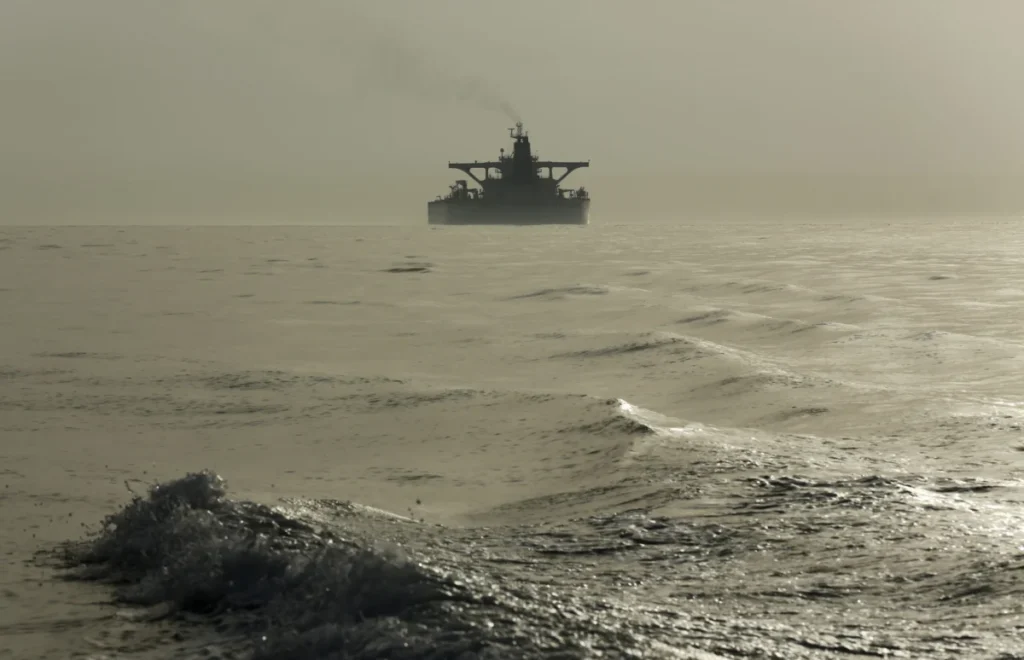
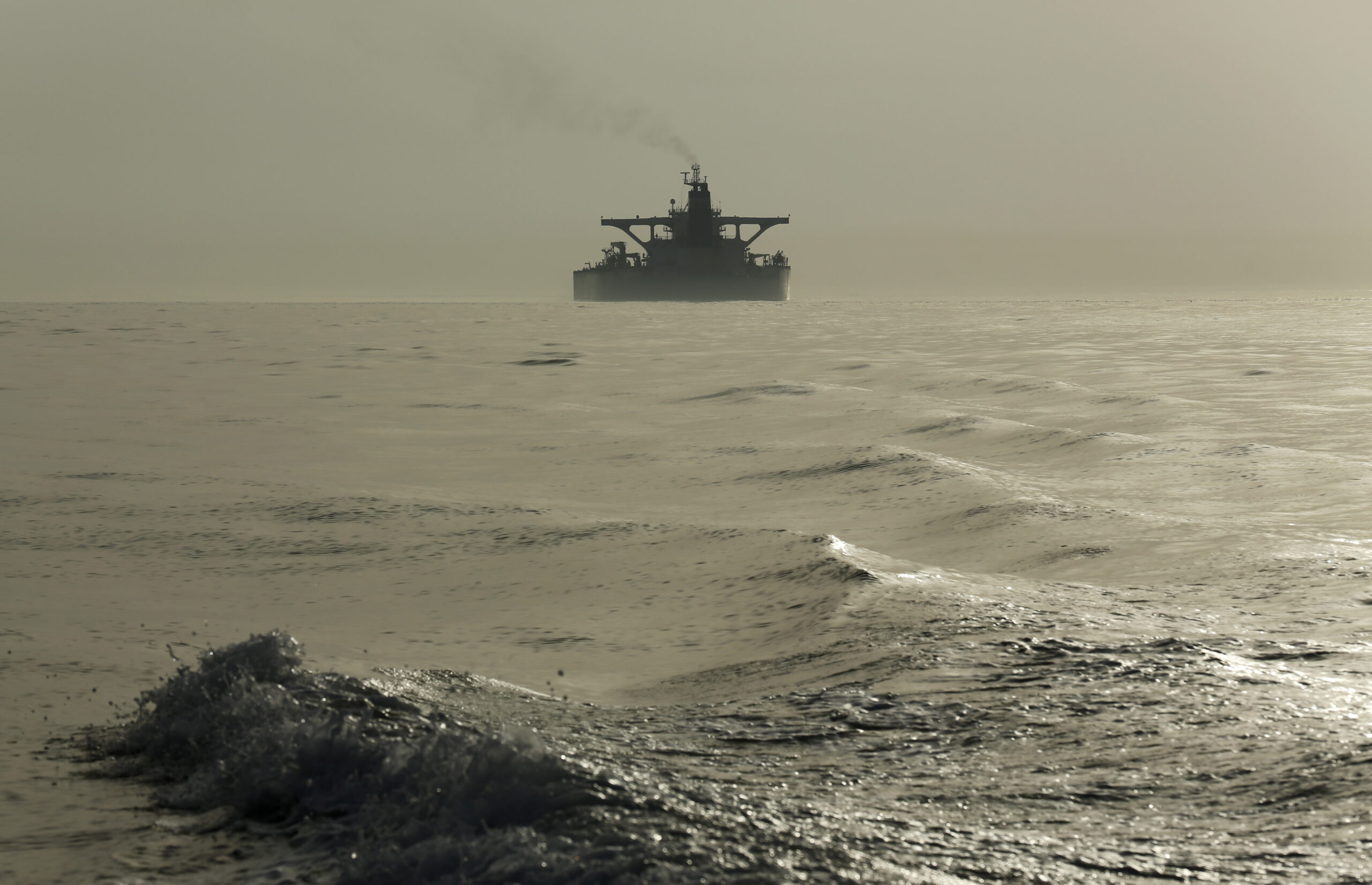
In a sophisticated logistical and military undertaking, the United States has begun successfully navigating commercial oil tankers through the volatile Strait of Hormuz under the cover of darkness. This clandestine maritime initiative, designed to bypass the lingering hazards of a regional conflict, has successfully cleared a critical bottleneck in the global energy supply chain, facilitating the movement of millions of barrels of crude oil that had been effectively trapped for months.
US Interior Secretary Doug Burgum confirmed the details of the operation in a Friday interview on CNBC, providing the most comprehensive public account to date of a mission that has been quietly unfolding since the escalation of hostilities between the United States, Israel, and Iran in late February.
The Strategic Importance of the Strait of Hormuz
The Strait of Hormuz remains the world’s most significant maritime chokepoint. Prior to the recent geopolitical instability, approximately one-fifth of the world’s daily global crude oil consumption passed through this narrow waterway. The effective closure of the strait following the late-February military engagements sent shockwaves through global markets, triggering a sharp, inflationary spike in both crude and retail fuel prices.
The inability to move tankers meant that millions of barrels were effectively stranded, creating a supply-side crunch that threatened to destabilize global economies. By implementing a series of “dark transits”—movements characterized by the use of navigation protocols that minimize visibility—the US military and its allies are attempting to restore the flow of energy to global markets.
Chronology of the Crisis and Recovery
The current situation traces its origins to the heightened tensions that erupted in February 2026. Following an exchange of fire between US and Iranian forces, the region became a de facto exclusion zone. Commercial vessels, fearing sea mines and kinetic attacks, remained anchored or diverted, leading to the severe supply stagnation mentioned above.
- Late February 2026: Outbreak of hostilities leads to the effective closure of the Strait of Hormuz to commercial traffic.
- March–May 2026: Global oil prices experience extreme volatility as markets factor in the long-term loss of Persian Gulf crude.
- Early June 2026: US-led naval operations begin in earnest. The initiative follows the successful removal of sea mines that had rendered the waterway unsafe for transit.
- June 10, 2026: President Donald Trump publicly acknowledges the existence of the "secret mission," claiming that over 200 commercial ships have been safely escorted through the strait since the operation’s inception.
- June 12, 2026: US Interior Secretary Doug Burgum provides further confirmation of the tactical nature of the operation, citing “more than 20 ships” exiting the strait on a single night.
Tactical Execution: The "Dark Transit" Protocol
The operation is as much a logistical feat as it is a military one. Secretary Burgum noted that with the threat of sea mines mitigated, the focus shifted to the orderly, stealthy passage of ultra-large crude carriers (ULCCs). A single ULCC can hold as much as 2 million barrels of oil, meaning the transit of just a few ships has a disproportionate impact on global supply levels.
"Some nights, we are seeing more than 20 ships coming out," Burgum stated. The tactics employed involve a departure from standard maritime signaling. Many of these vessels operate with transponders and tracking signals switched off to avoid detection by hostile regional actors. This “dark” methodology allows the US to maintain a degree of operational security, ensuring that vessels are not targeted by shore-based anti-ship missiles or other asymmetric threats.
Supporting Data and Market Impact
Data provided by energy analytics firm Vortexa Ltd. underscores the magnitude of this recovery. During the first ten days of June, at least 1.8 million barrels were successfully cleared through the Persian Gulf each day. This represents a significant pivot from the total stagnation observed throughout the spring.
The economic implications are already being felt on the trading floor. West Texas Intermediate (WTI), the US oil benchmark, was trading at $85.48 per barrel on Friday. While this remains high compared to historic baselines, it represents a meaningful decline from the panic-induced highs of the previous quarter.
Market analysts suggest that the cooling of prices is a direct result of the "hidden" supply re-entering the market. As Secretary Burgum noted, "The markets figured that out before some of the tabloid press did; you’re starting to see a softening of oil prices."
Official Responses and Geopolitical Posturing
The narrative regarding these shipments has been highly managed by the White House. On Wednesday, President Donald Trump addressed the media, framing the operation as a triumph of American resolve and logistical superiority.
"We’ve taken 22 ships out of the strait, late at night, with no lights," Trump told reporters, emphasizing the tactical precision of the US Navy. The President’s rhetoric highlights a broader policy goal: to suppress domestic fuel costs in an election-adjacent environment while maintaining a firm stance against Iranian influence.
However, the blockade is not universal. The US continues to enforce a strict embargo on Iranian crude. While non-Iranian oil flows through the strait have surged by approximately 50% this month, Iranian shipments remain effectively shuttered by the ongoing US-led maritime blockade. This creates a bifurcated reality in the Persian Gulf, where global energy needs are being met, but regional geopolitical foes are being economically isolated.
Implications for Global Energy Security
The success of this operation carries profound implications for international maritime law and energy security. By successfully escorting commercial vessels through a contested zone, the US is asserting its role as the primary guarantor of global energy transit.
- Normalization of Transit: The increased frequency of these "dark transits" suggests a return to a new status quo. While not yet "open" in the traditional, peaceful sense, the strait is no longer a vacuum of activity.
- Diplomatic Leverage: The softening of oil prices has provided the Biden-Trump administration—and the broader international community—with renewed leverage. As prices stabilize, the urgency for a permanent peace deal between the US and Iran may shift. Optimism surrounding these ongoing, albeit quiet, diplomatic discussions is a key factor in the recent market cooling.
- Future Risks: Despite the current successes, the situation remains fragile. The reliance on "dark transits" acknowledges that the waterway is not truly secure. Any failure in the escort operation or a renewed effort by regional actors to re-seed the area with mines could lead to another catastrophic spike in prices.
Conclusion: A Precarious Equilibrium
The movement of millions of barrels of oil under the cover of darkness is a stark reminder of how thin the margin is between global economic stability and energy-driven chaos. While the US-led operation has successfully averted the worst-case scenarios feared by market analysts earlier this year, it remains a temporary fix to a deep-seated geopolitical crisis.
As the US continues to navigate these waters—literally and figuratively—the global energy market remains in a state of suspended anticipation. Whether this clandestine operation serves as a bridge to a formal peace agreement or merely a tactical reprieve remains the central question for the energy sector in the latter half of 2026. For now, the lights remain off on the tankers, but the oil is moving once again.