Microsoft Announces Massive Voluntary Buyout Program for 60,000 Employees as AI Pivot Accelerates
By TechCrunch Staff
October 26, 2026
In a significant strategic realignment, Microsoft has initiated a widespread voluntary buyout program affecting approximately 60,000 of its employees. The move, confirmed through internal communications and reports from Business Insider and Bloomberg, marks a pivotal moment in the tech giant’s ongoing efforts to streamline its operations and aggressively reposition its workforce for the artificial intelligence era.
This latest restructuring effort, while framed as a voluntary transition, underscores the intensity of the competitive landscape in the AI sector, where Microsoft continues to stake its future on massive infrastructure investments and rapid software deployment.
The Scope of the Offer: Who Is Eligible?
The voluntary buyout offer is targeted at a broad swathe of the company’s global workforce, specifically encompassing employees at the vice president level and below. The program is currently being rolled out across four key markets: the United States, Canada, India, and the United Kingdom.
However, the offer is not universal. To maintain operational continuity in critical growth areas, Microsoft has explicitly excluded several divisions from the program. Most notably, personnel working within the company’s rapidly expanding data center operations—the backbone of its Azure cloud and AI training infrastructure—are ineligible for the buyout. Similarly, roles within core sales and marketing teams remain largely unaffected, signaling that while the company seeks to trim headcount in legacy or overlapping areas, it intends to protect the teams responsible for revenue generation and infrastructure maintenance.
The packages being offered to those who choose to depart are reportedly consistent with standard severance protocols, providing financial support and benefits to those who opt for an early exit.
Internal Communication: The "Next Chapter" Narrative
On Monday morning, Microsoft’s Chief People Officer, Amy Coleman, disseminated a memo to the global workforce outlining the rationale behind the program. In the communication, Coleman framed the decision not as a traditional layoff, but as an evolution of the company’s organizational philosophy.
"The Voluntary Exit Offer reflects an important part of how we’re evolving our approach to change: creating greater flexibility and, where possible, more ways for employees to shape their next chapter," the memo stated. "This offer gives eligible employees who may be considering a future outside the company a new choice to make that transition now with support."
This narrative of "flexibility" and "choice" is a hallmark of current corporate restructuring strategies, aiming to minimize the morale impact that typically follows large-scale involuntary layoffs. By framing the departure as a personal transition, Microsoft hopes to preserve its employer brand while simultaneously reducing the payroll overhead that has ballooned following years of aggressive hiring.
Chronology: A Pattern of Restructuring
To understand the scale of this move, one must look at Microsoft’s recent historical trajectory regarding workforce management.
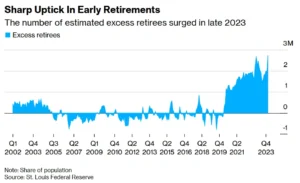
- Early 2026: Microsoft signaled its intent to lean into cost-optimization efforts, with a targeted buyout program aimed specifically at retirement-age employees. At that time, approximately 8,750 workers were deemed eligible.
- April 2026: Results from the retirement-focused buyout were revealed, with more than 30% of the eligible pool opting to accept the package. This success likely emboldened leadership, proving that a voluntary, incentivized exit model could be a viable tool for structural change.
- October 26, 2026: The current announcement, involving 60,000 employees, represents a massive expansion of that strategy. It is the largest single-offering program of its kind in the company’s recent history, dwarfing previous initiatives.
This timeline suggests that Microsoft leadership has moved from a tactical approach to workforce reduction—targeting specific demographics—to a systemic approach that aims to reshape the company’s entire operational structure to favor the AI-driven future.

The AI Pivot: Why Now?
The core driver behind this decision is the imperative to shift capital and human resources toward artificial intelligence. In the last 18 months, Microsoft has poured billions of dollars into its partnership with OpenAI and the integration of AI copilot technologies across the entire Microsoft 365 suite, its search engine, and its enterprise software solutions.
However, the cost of AI is not limited to GPUs and electricity. Maintaining a legacy workforce that was optimized for the traditional "Software as a Service" (SaaS) model—which relies heavily on manual support, traditional sales funnels, and legacy coding languages—is becoming increasingly expensive.
By offering buyouts, Microsoft is effectively creating the budgetary "headroom" necessary to hire specialized AI researchers, prompt engineers, and AI-native cloud architects. The company is betting that a smaller, more agile workforce will be better equipped to navigate the volatility of the AI market.
Financial Implications and Investor Sentiment
While Microsoft has not yet provided a detailed breakdown of the costs associated with these severance packages, analysts expect the move to result in significant short-term restructuring charges. Historically, such costs are absorbed in the quarter they occur, often leading to a temporary dip in reported earnings per share.
However, Wall Street typically reacts positively to these types of measures, provided they are framed as a path toward long-term operational efficiency. Investors have been pushing for better margins in the AI sector, as the massive capital expenditures required to build out AI capacity have caused concern over the speed of return on investment. By reducing headcount in non-AI-critical areas, Microsoft is signaling to shareholders that it is disciplined about maintaining its profitability while it builds the "AI factory" of the future.
Industry Context: The Tech Industry’s New Normal
Microsoft is by no means an outlier. The tech sector has spent much of 2025 and 2026 recalibrating after the "growth at all costs" era of the early 2020s. Following the massive hiring surges during the pandemic, companies across the board—from Google and Meta to smaller SaaS providers—have been engaged in "efficiency" drives.
What makes Microsoft’s move particularly noteworthy is the sheer volume of the offer. By putting the decision in the hands of 60,000 employees, the company is attempting to avoid the messy PR optics of mass layoffs. Yet, the sheer scale of this program suggests that the company expects a significant number of people to leave. If the uptake is as high as it was for the retirement-age program earlier this year, Microsoft could see a substantial reduction in its workforce density by the end of the calendar year.
Official Responses and Remaining Questions
As of this writing, Microsoft has not issued a formal press release beyond the internal memo leaked to the media, and the company did not immediately respond to requests for further comment from TechCrunch.
This silence leaves several questions unanswered:
- The Financial Threshold: What is the total projected cost of these severance packages?
- The Talent Gap: Does Microsoft have a plan to backfill these roles with specialized AI talent, or is this a pure headcount reduction?
- Operational Impact: How will the teams that remain cope with the loss of institutional knowledge, particularly in departments where the headcount might be thinned significantly?
For the employees currently deciding whether to take the offer, the next few weeks will be a period of intense deliberation. For the industry at large, the move serves as a stark reminder that in the age of AI, the only constant is the relentless demand for corporate transformation.
As Microsoft continues to navigate the transition from a traditional software giant to an AI-first organization, the "voluntary" nature of this exodus will be closely watched by labor analysts and competitors alike. If successful, it may become the standard blueprint for other tech giants looking to pivot their workforce toward the AI frontier.