IRS Streamlines Tax Professional Oversight: The Creation of the Tax Professional Management Office (TPMO)
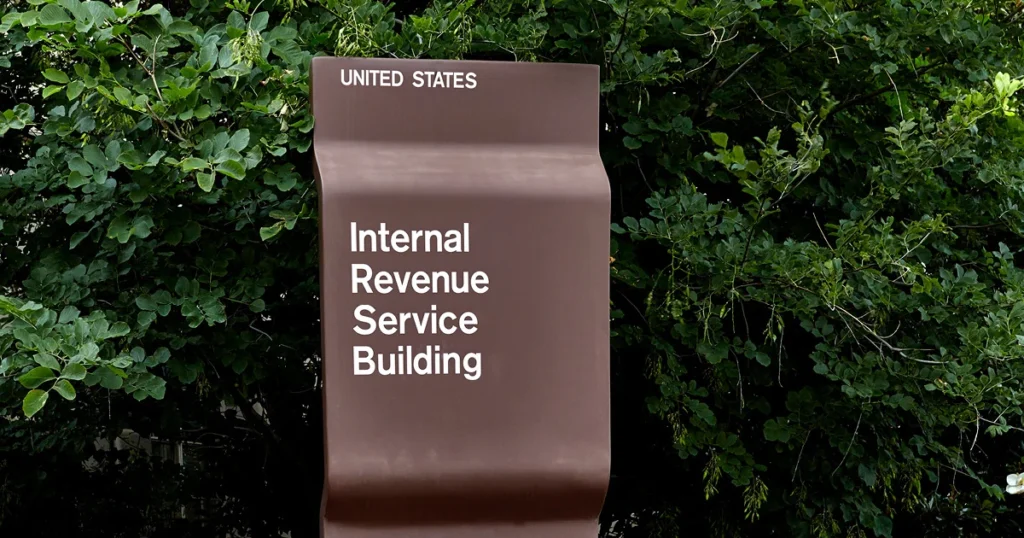
In a significant administrative overhaul, the Internal Revenue Service (IRS) has announced the consolidation of two critical entities—the Office of Professional Responsibility (OPR) and the Return Preparer Office (RPO)—into a unified body known as the Tax Professional Management Office (TPMO). This strategic merger, set to take effect on June 28, represents a pivot toward administrative efficiency and modern governance but has sparked immediate friction with the American Institute of CPAs (AICPA) over concerns regarding regulatory clarity and the potential dilution of oversight standards.
The Structural Shift: Merging OPR and RPO
The newly formed TPMO is designed to centralize the IRS’s interactions with the tax practitioner community. Historically, the two legacy offices performed distinct, albeit complementary, functions:
- The Office of Professional Responsibility (OPR): This office has functioned as the "policing" arm of the IRS regarding practitioner conduct. It holds the mandate to investigate allegations of misconduct, initiate disciplinary proceedings, and enforce the standards outlined in Treasury Circular 230, which governs the ethical and procedural requirements for those practicing before the IRS.
- The Return Preparer Office (RPO): This entity has served as the administrative engine for practitioner management. Its responsibilities include the issuance and oversight of Preparer Tax Identification Numbers (PTINs), the administration of the Enrolled Agent program, and the management of the Annual Filing Season Program (AFSP), which encourages continuing education among non-credentialed preparers.
By folding these offices into the TPMO, the IRS aims to create a centralized hub for tax professional services, ostensibly streamlining internal communication and resource allocation. Chris Pleffner, the current director of the RPO, has been tapped to lead the new office, signaling continuity in the administrative management of the preparer community.
Chronology: From Proposal to Implementation
The move towards consolidation did not occur in a vacuum. As part of a broader push for operational efficiency—aligned with the mandates of Executive Order 14210, which implements the President’s "Department of Government Efficiency" initiative—the IRS began evaluating its internal structure for potential cost-saving and process-improvement opportunities.
In November, the industry received word of the impending reorganization, prompting immediate feedback from professional bodies. The AICPA, recognizing the potential for systemic shifts, submitted a formal letter to the IRS expressing strong opposition to the merger. Despite these objections, the IRS finalized its decision, officially announcing the creation of the TPMO on Monday. The transition period concludes on June 28, when the new office structure will officially assume its full mandate.
The AICPA Perspective: Concerns Over Standards and Clarity
The opposition from the AICPA, represented by Melanie Lauridsen, Vice President of Tax Policy & Advocacy, centers on the distinction between credentialed and uncredentialed practitioners.
In their November correspondence, the AICPA outlined three primary risks associated with the consolidation:
- Dilution of Credentialing: The AICPA argued that grouping credentialed professionals (such as CPAs and attorneys) with uncredentialed preparers under a single administrative umbrella could blur the lines regarding the professional standards to which they are held.
- Conflicts of Interest: The organization expressed concern that by merging the enforcement arm (OPR) with the administrative arm (RPO), the IRS could face institutional conflicts, where the drive for "management efficiency" might inadvertently undermine the rigor of disciplinary investigations.
- Resource Diversion: The AICPA warned that the primary role of the OPR—the protection of taxpayers through the strict enforcement of Circular 230—could be marginalized if the office is forced to balance its investigative mandate against the administrative burdens of the RPO.
"The AICPA has consistently advocated for policies that provide clarity to the public regarding who is qualified to provide high-level tax advice," Lauridsen noted. "Our concern remains that this merger could increase taxpayer confusion, potentially leaving them unable to distinguish between a regulated professional and a non-credentialed preparer."
Official IRS Stance: Efficiency Without Compromise
In response to the growing apprehension within the professional community, the IRS issued a formal statement intended to soothe anxieties. The agency emphasized that the merger is an administrative evolution rather than a policy shift.
"This reorganization under TPMO will not change the distinction between credentialed tax professionals and uncredentialed tax preparers," the IRS statement read. The agency further clarified that, while the offices will be united under the TPMO banner, the specific missions and authorities of the OPR and RPO will remain intact. The IRS intends for the two groups to operate with a degree of internal autonomy, ensuring that the investigative rigor of the OPR is not compromised by the logistical tasks of the RPO.
The IRS maintains that the move is purely a matter of "simplifying and modernizing" its interaction with the tax community. By centralizing the intake, processing, and oversight functions, the agency hopes to create a more cohesive user experience for tax professionals, reduce administrative redundancy, and align with the government-wide mandate to trim bureaucratic overhead.
Implications for the Tax Professional Community
The long-term success of the TPMO will depend on whether the IRS can effectively balance its dual goals: operational efficiency and robust professional oversight.
The Regulatory Landscape
For tax practitioners, the primary concern is whether the "distinction" promised by the IRS will hold up in practice. If the TPMO manages to maintain separate tracks for disciplinary action and general administrative services, the transition may be seamless. However, if the lines between these functions blur, practitioners could face a more opaque regulatory environment.
Taxpayer Impact
From the taxpayer’s perspective, the primary risk is information asymmetry. If the IRS is perceived as treating all preparers under a single, unified "management office," the public may struggle to discern the difference in education, testing, and professional standards required of different classes of tax preparers. This is a critical issue in an era where the complexity of the tax code continues to demand high levels of expertise.
Monitoring the Transition
The AICPA has adopted a stance of "watchful waiting." While the organization remains skeptical of the structural shift, it has signaled a willingness to engage with the new office. "We are hopeful that this distinction will prevent further confusion," Lauridsen stated following the announcement. The AICPA intends to monitor the rollout closely, specifically looking for evidence that the OPR’s investigative independence is being preserved.
Conclusion
The creation of the TPMO is a microcosm of the current challenge facing the Internal Revenue Service: the need to modernize and lean out its operations without sacrificing the integrity of the tax administration system.
By June 28, the shift to the TPMO will be complete, and the tax community will begin to see whether this "modernization" effort fulfills its promise of efficiency or validates the concerns of its critics. For now, the IRS has committed to preserving the status quo regarding professional standards, but the burden of proof rests on the agency to demonstrate that the new office can navigate the complexities of practitioner management without sacrificing the rigorous standards that uphold the tax profession’s reputation.
As the agency transitions, the industry will be looking for transparency. Whether the TPMO becomes a model for government efficiency or a cautionary tale about bureaucratic consolidation remains to be seen. In the coming months, the focus will remain on whether the clear delineations between credentialed and uncredentialed practitioners are maintained in both policy and practice.