IRS Shifts Strategy on Conservation Easements: New Specialized Office Replaces Blanket Settlement Initiatives
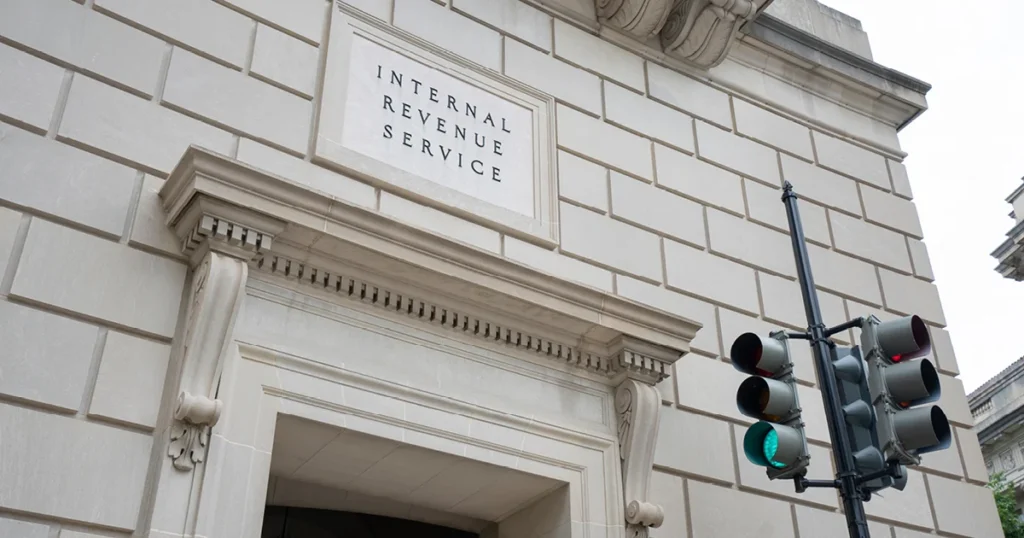
WASHINGTON — In a significant operational and strategic pivot, the Internal Revenue Service (IRS) has announced the immediate dissolution of its uniform settlement initiatives regarding conservation easement disputes, opting instead for a tailored, case-by-case resolution framework. As part of this sweeping modernization effort, the agency has established a dedicated Office of Conservation Easements designed to centralize technical expertise, coordinate enforcement policies, and streamline interactions with taxpayers, practitioners, and historic preservation stakeholders.
The announcement, made public through an official IRS news release, marks a tacit acknowledgment by federal tax authorities that broad, one-size-fits-all settlement offers are ill-equipped to handle the complex, highly nuanced financial architectures underlying syndicated conservation easements. With more than 1,100 active cases currently bottlenecked in the U.S. Tax Court or winding their way through IRS Examination divisions, the agency is signaling a move toward administrative flexibility without signaling any softening of its aggressive stance against what it deems abusive tax shelters.
Main Facts
The core of the IRS’s structural overhaul rests on two major developments: the retirement of the blanket settlement framework introduced in May, and the creation of the Office of Conservation Easements.
Key Elements of the Policy Shift:
- Abandonment of Uniform Rollouts: The IRS has officially halted the issuance of standardized, unsolicited settlement letters sent on a rolling basis with fixed response periods. Effective August 19, the agency terminated its May 2024 uniform settlement initiative.
- Creation of a Centralized Authority: The newly formed Office of Conservation Easements will unify policy, enforcement, and case-resolution strategies across various divisions within the IRS and the Office of Chief Counsel.
- Stakeholder Engagement: The new office is mandated to act as a centralized bridge between the government and external stakeholders, including taxpayers, tax practitioners, conservation bodies, and historic preservation groups.
- Treasury Collaboration: Operating in tandem with the U.S. Department of the Treasury, the office will evaluate long-term administrative and legislative options concerning conservation and historic preservation tax incentives, focusing heavily on valuation integrity and consistent tax administration.
- Case-by-Case Continuity: While blanket deadlines have been rescinded, taxpayers already caught in the pipeline have options. Those who previously elected to participate in the May settlement framework will see their elections processed under original terms. Furthermore, pending cases can still request settlements under the May framework, though individual resolutions may vary based on litigation hazards.
Chronology
To fully understand the weight of this policy pivot, it is necessary to examine the historical trajectory of the IRS’s multi-year battle against syndicated conservation easements, leading up to the structural changes announced this week.
- December 2016 (Notice 2017-10): The IRS formally identifies certain syndicated conservation easement transactions as "listed transactions," signaling heightened scrutiny, mandatory disclosures, and substantial penalties for participants.
- The Legislative and Litigation Build-up (2018–2022): As promoters continue to market partnership interests promising high write-offs for undeveloped land donations, the IRS builds a massive inventory of audits. Cases steadily accumulate in the U.S. Tax Court, leading to landmark decisions that increasingly favor the government on technical missteps or inflated appraisals.
- December 2022: Congress passes the SECURE 2.0 Act, which includes provisions explicitly targeting abusive syndicated conservation easements by disallowing certain charitable contribution deductions for partnerships that exceed a specific ratio of deduction to investment.
- May 2024: The IRS rolls out a uniform settlement initiative aimed at clearing out the mounting backlog of docketed Tax Court cases, issuing standardized settlement offers featuring rolling deadlines and fixed terms.
- May 2025 (Context Milestone): The backlog reaches a critical mass, with active litigation and examination inventory hovering at more than 1,100 docketed cases. Practitioners and taxpayers push back against rigid settlement terms that fail to account for unique partnership structures.
- August 2024 / Present Announcement: Recognizing that standardized letters are failing to resolve the diverse inventory, the IRS terminates the uniform settlement framework, withdraws existing response deadlines, and officially establishes the Office of Conservation Easements.
Supporting Data
The scale of the conservation easement dispute is unprecedented in modern tax administration. For years, the IRS has targeted qualified conservation contributions under Internal Revenue Code (IRC) Section 170(h), focusing particularly on syndicated conservation easement transactions—arrangements where promoters package investments in pass-through entities that subsequently donate land development rights to land trusts, claiming charitable deductions significantly exceeding the initial cash investment.
By the Numbers:
- 1,100+: The approximate number of conservation easement cases actively docketed in the U.S. Tax Court or moving through IRS Examination as of mid-2024.
- Section 170(h): The statutory provision governing charitable deductions for qualified conservation contributions, which has become one of the most heavily litigated sections of the tax code.
- Zero: The number of additional uniform settlement letters that will be issued under the defunct May initiative, following its termination on August 19.
- Indeterminate: The timeline for when the Office of Conservation Easements will be fully operational, with the IRS promising separate announcements regarding specific contact information and staffing structures.
The agency’s rationale for dismantling the uniform approach stems directly from the heterogeneity of the cases. According to the IRS, factors such as distinct partnership agreements, complex insurance arrangements, and varying procedural postures mean that a uniform letter simply cannot address the unique legal and financial realities of every dispute.
Official Responses
The announcement has elicited a measured, cautious response from the tax community, legal practitioners, and conservation advocates who have monitored the government’s multi-pronged crackdown.
In its official public communication, the IRS was explicit that the structural shift does not represent a retreat or the introduction of more lenient terms.
"This transition does not signal a new or more favorable standardized offer," the IRS emphasized in its news release. "Rather, it ends issuance of uniform offers and deadlines."
Explaining the operational failure of previous settlement models, the agency noted:
"IRS experience with administering previous settlement initiatives and engaging with taxpayers has shown that standardized, unsolicited settlement letters on a rolling basis, each with a fixed response period, are not well suited to the full range of conservation easement cases. Partnership agreements, insurance arrangements, procedural posture, and other circumstances may differ materially and affect when and how taxpayers evaluate settlement."
Tax professionals and legal scholars have largely interpreted the creation of the Office of Conservation Easements as a necessary, if overdue, administrative adjustment. For years, practitioners argued that rigid settlement formulas failed to account for genuine, legitimate conservation contributions made by historic preservationists and landowners who followed the letter of the law. By centralizing technical expertise and encouraging direct dialogue with stakeholders, the office is expected to inject much-needed nuance into an adversarial system clogged by litigation.
Implications
The establishment of the Office of Conservation Easements and the death of blanket settlement initiatives carry profound implications for taxpayers, tax practitioners, the Department of the Treasury, and the broader real estate and conservation communities.
1. For Taxpayers and Practitioners with Pending Cases
Taxpayers currently navigating audits or Tax Court litigation involving syndicated conservation easements must reassess their strategies. Because the IRS has withdrawn deadlines for previously issued offers, the pressure of immediate, arbitrary cutoff dates has lifted. However, taxpayers cannot view this as an amnesty program.
Individuals with pending cases retain the right to request a settlement under the May framework through their assigned IRS examination or chief counsel representative. If the case meets eligibility requirements, the IRS will reissue an offer on identical standardized terms. Crucially, however, the door remains open for individual cases to be resolved on distinct terms when warranted by the legal "hazards of litigation"—a clear signal that the IRS is willing to negotiate case-by-case based on the strength of individual appraisals and partnership documentation.
2. For the U.S. Tax Court and Judicial Resources
The U.S. Tax Court has been inundated with conservation easement disputes, many of which involve complex evidentiary hearings regarding land valuations and procedural technicalities. By shifting away from rigid settlement models toward a specialized office capable of nuanced case evaluation, the IRS may successfully negotiate resolutions for a larger portion of its 1,100+ case backlog outside the courtroom, easing the administrative burden on federal judges.
3. Future Policy and Valuation Integrity
The partnership between the new office and the Treasury Department is perhaps the most forward-looking aspect of the announcement. By prioritizing "consistent tax administration and valuation integrity," the federal government is laying the groundwork for tighter administrative oversight and potentially new legislative proposals. As syndicated transactions face continued scrutiny, the office will likely serve as the primary advisory body shaping how future conservation incentives are monitored, audited, and valued.
4. Impact on Legitimate Land Conservation
A persistent critique of the IRS’s blanket enforcement actions has been the collateral damage inflicted upon legitimate land trusts and historic preservation organizations. Donors engaged in genuine, non-syndicated conservation projects occasionally found themselves swept up in the broad net of anti-abuse initiatives. The creation of a dedicated office that explicitly includes engagement with "conservation and historic preservation organizations" raises hopes within the environmental community that future enforcement will draw a sharper, cleaner line between abusive tax shelters and bona fide philanthropic land preservation.
Conclusion
The IRS’s decision to sunset its uniform settlement initiatives and establish the Office of Conservation Easements represents a mature evolution in tax enforcement. Recognizing that brute-force, standardized administrative tactics cannot adequately untangle the complex webs of modern partnership law and land valuation, the agency is opting for surgical precision.
While the new office does not offer an escape hatch for those who participated in abusive tax shelters, it provides a structured, centralized mechanism for meaningful dialogue and realistic case resolution. As the IRS works to operationalize the new office in the coming months, taxpayers, legal counsel, and conservationists alike will be watching closely to see how this administrative experiment alters the landscape of American tax compliance and land preservation.