IRS Seeks Evidence of Erroneous CP53E Notices Amid Growing Taxpayer Confusion
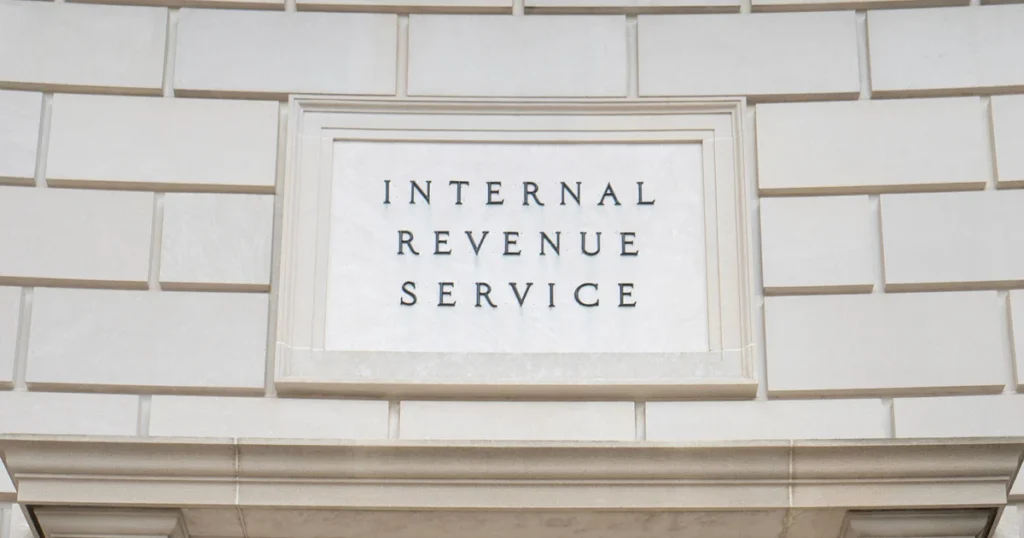
The Internal Revenue Service (IRS) is currently engaged in a high-stakes fact-finding mission regarding its controversial CP53E tax notice. Following a wave of backlash from taxpayers and tax professionals, the agency has maintained that it did not issue these notices in error. However, in an effort to address widespread complaints, the IRS has solicited the assistance of the American Institute of CPAs (AICPA) to identify concrete examples of taxpayers who received these notices despite having no legitimate reason to be contacted.
The CP53E notice, designed as a mechanism to facilitate the transition from paper checks to electronic direct deposits, has instead become a source of significant anxiety and administrative burden. With at least 3 million notices dispatched during the recent filing season, the scale of the confusion has prompted the AICPA to act as a bridge between the tax authority and the frustrated public.
The Genesis of the CP53E: A Shift Toward Modernization
The CP53E notice was not conceived in a vacuum. Its creation was a direct response to Executive Order 14247, which mandated a shift toward more efficient, digitized government services. The IRS designed the notice to capture or update banking information for taxpayers due a refund, thereby reducing the agency’s reliance on paper check issuance—a slow, expensive, and logistically taxing process.
Under the protocol, the notice directs taxpayers to log into their official IRS online accounts to input or verify their direct deposit information. Recipients are given a 30-day window to respond; failing this, the IRS defaults to mailing a paper check after a six-week waiting period. While the objective—modernizing the disbursement of funds—is sound in theory, the execution has faced heavy criticism for its lack of precision and timing.
Chronology of the Controversy
The rollout of the CP53E notice began ahead of the most recent filing season, coinciding with the broader agency push for digital transformation. As the notices began hitting mailboxes across the country, a pattern of confusion emerged almost immediately.
- Early Filing Season: The IRS began sending millions of CP53E notices. Almost immediately, practitioners began reporting that their clients were receiving notices despite having no refund due, or in cases where they had already provided valid direct deposit information on their returns.
- June 2026: The AICPA formally addressed the issue in a letter to the IRS, outlining systemic flaws in the issuance of the notice. The Institute highlighted that taxpayers who applied overpayments to the following tax year, those who reported no balance due, and even those with a balance due were receiving requests to provide banking information for a refund they were not entitled to.
- Post-Filing Season: The IRS provided supplementary guidance regarding the notices, but the AICPA noted that this information arrived too late to be of any practical use for the majority of the filing season, leaving practitioners and taxpayers to navigate the confusion alone.
- The Present: The IRS continues to insist that the notices were sent only to those with a "net positive adjustment" to their accounts—even if that adjustment amounted to as little as a single penny. The agency has now requested that the AICPA collect evidence to prove otherwise, creating a critical feedback loop to resolve the issue.
Supporting Data and the "Pain Points"
The frustration expressed by the tax community is not merely anecdotal. Melanie Lauridsen, the AICPA’s Vice President of Tax Policy & Advocacy, articulated the severity of the situation during a recent AICPA Town Hall. According to Lauridsen, the primary "pain point" for members is the lack of transparency regarding why a client received the notice in the first place.
"Where our members are really seeing the pain points is when they weren’t expecting that notice," Lauridsen stated. The IRS maintains that the notices were sent to anyone with a net positive adjustment to their account, but for the average taxpayer—and often for their CPA—a notice appearing out of the blue creates an immediate sense of alarm, often suggesting a potential audit or an error in their filed return.
The sheer volume of notices—at least 3 million—amplifies the potential for systemic errors. When a bureaucratic process hits such a massive scale, even a small percentage of "false positives" results in tens of thousands of taxpayers being forced to dedicate time, energy, and potentially professional fees to resolve an unnecessary inquiry.
The IRS Stance: Defending the Algorithm
Despite the uproar, the IRS has not officially conceded that the notices were sent in error. The agency’s internal logic dictates that if a taxpayer’s account shows a positive adjustment, the system triggers the CP53E to ensure the money reaches the taxpayer as quickly as possible via direct deposit.
The IRS maintains that these notices are intended to be helpful, not punitive. However, the disconnect lies in the communication. Taxpayers who have already established a payment method or who have opted to roll over an overpayment to the next year do not expect an urgent request for banking information. The lack of clear context within the notice itself—which does not specify the exact nature of the "positive adjustment"—is perhaps the greatest failure of the process.
Implications for Taxpayers and Practitioners
The implications of this situation are twofold: it strains the relationship between the IRS and tax professionals, and it undermines taxpayer confidence in the agency’s automated communication systems.
Impact on Tax Professionals
For CPAs and tax preparers, the CP53E has created an avoidable administrative burden. Practitioners must now spend time vetting these notices for their clients, explaining that they are likely not an audit trigger, and then determining if the notice was truly erroneous. When the IRS is slow to provide guidance, the burden of "translation" falls entirely on the accountant, distracting them from more critical tax planning and compliance work.
Impact on Taxpayers
For the average taxpayer, receiving an official notice from the IRS is inherently stressful. Many taxpayers who received the CP53E were confused, worried that they had made an error on their return or that their identity had been compromised. This creates a "cry wolf" scenario where taxpayers may begin to ignore future IRS correspondence, assuming it is another automated error, which could have serious consequences if they later receive a legitimate, time-sensitive notice.
How to Assist the AICPA’s Investigation
In a significant move, the IRS has asked the AICPA to gather specific, verifiable examples of erroneous notices. This request suggests that the IRS is willing to refine its processes if provided with tangible evidence of failure.
If a taxpayer or a practitioner has received a CP53E notice and believes it is erroneous—meaning it was not for a net positive adjustment, or the bank rejected the deposit, or it was sent despite the taxpayer having already provided correct banking info—the AICPA is requesting that this information be shared.
Submissions should be sent via email to: [email protected].
By documenting these cases, the AICPA hopes to present a compelling dataset to the IRS that will force a review of the criteria used to trigger these notices, ideally leading to a more surgical and less disruptive approach in future filing seasons.
Future Outlook: A Call for Better Communication
The CP53E saga serves as a cautionary tale for the ongoing modernization of the IRS. While digital integration is necessary for a 21st-century tax authority, the human element of tax administration cannot be discarded. Clear, plain-language communication is the foundation of voluntary compliance. When the IRS sends a notice, the recipient should be able to instantly understand the why, the how, and the next steps without needing to consult a tax professional.
As the IRS moves forward, the hope is that the lessons learned from the CP53E fallout will result in notices that are not only more accurate but also more informative. Until then, the tax community remains on high alert, waiting to see if the IRS will adjust its automated systems to minimize the noise and focus on what truly matters: clear, accurate, and efficient tax administration.
To comment on this article or to suggest an idea for another piece, please contact Martha Waggoner at [email protected].